
Hussein Naji, PhD (Healthcare Research)
Evidence-based breakdowns on which supplements matter (e.g., creatine, omega-3s, magnesium) and when to use them.

Simple Actions that Quietly Transform Your Life
The 8 most quietly life-changing self-development tools I've ever used: - Solo travel - Going to therapy - Starting a business - Moving to a new city - Learning a new language - Keeping a journal for a year - Walking outside without my phone - Helping someone with nothing in return

Normal Labs Don’t Mean You’re Fine—Listen to Symptoms
“Your labs are normal” isn't the same as “nothing is wrong.” It means the tests they ran didn’t explain what you’re feeling. That’s useful information. It's not a permission to dismiss the person who still can’t sleep, think, digest, function, or get through...
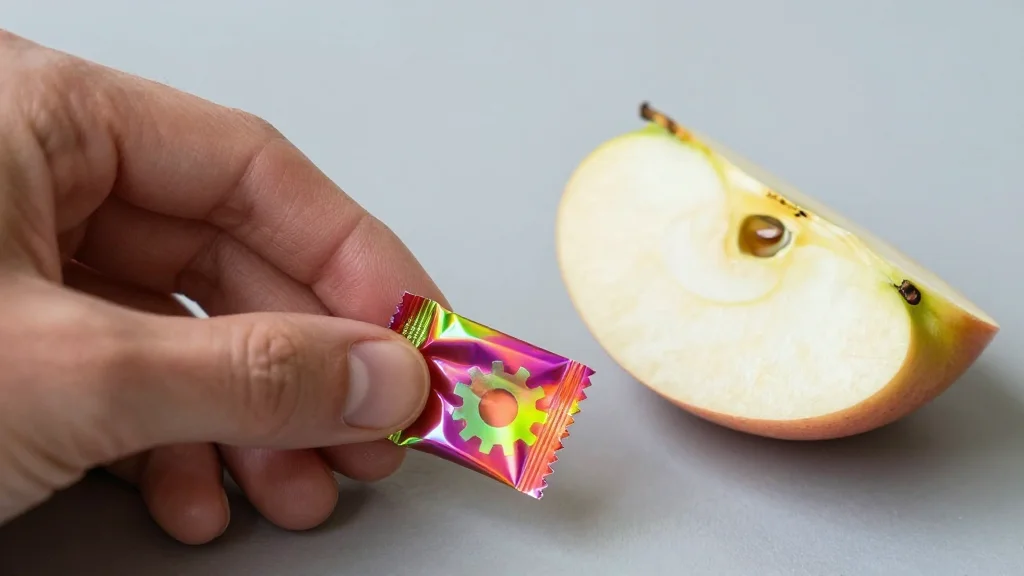
Stop Blaming Willpower; Design Systems for Engineered Foods
It’s interesting how we call people “undisciplined” for overeating foods that were literally designed to be hard to stop eating. You’re not weak for struggling with products engineered to override fullness. Relying on willpower was never a fair fight. This is the whole...

Burnout Shrinks Your Capacity, Rest Can't Refill It
The reason rest doesn’t fix burnout is that burnout isn’t just tiredness. Tiredness means your tank is empty. Burnout means the tank got smaller. So one quiet evening can pause the spending. But it can’t rebuild months of capacity loss.

Stabilize Your Body First, Then Address the Mind
A lot of people are trying to think their way out of states that are being amplified by physiology. You can't therapize a blood sugar crash. You can't meditate your way out of being dehydrated. Stabilize the body first. Then interpret.
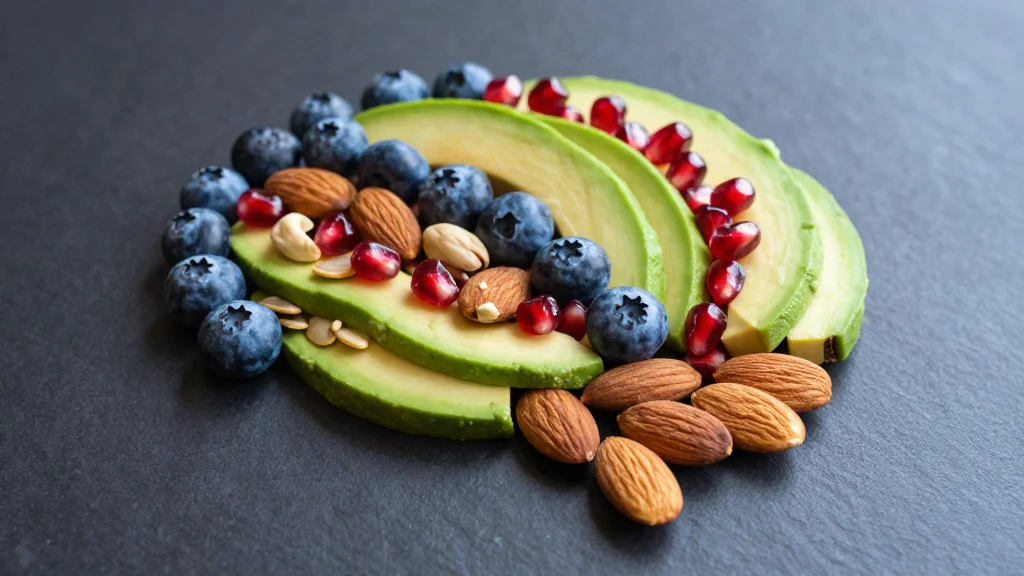
Neurodivergence Is a Strength: 14 Science-Backed Benefits
I'm a neurodivergent health research advisor with ADHD. Here are 14 science-backed reasons I see my neurodivergence as an asset, not a liability. (If you're neurodivergent, save this for the days your brain feels like a liability)

Rewatch Familiar Shows to Calm Your Nervous System
I'm neurodivergent and have a PhD in healthcare research. Here are 13 unconventional ways to regulate your nervous system: 1. Rewatch familiar shows/movies instead of new ones. Predictability lowers cognitive load.
Name Your Brain's Fear to Stop Catastrophizing
As a health research advisor, here's a simple protocol to stop your brain from catastrophizing: 1. Name what your brain is doing: "What is my brain trying to protect me from right now?"
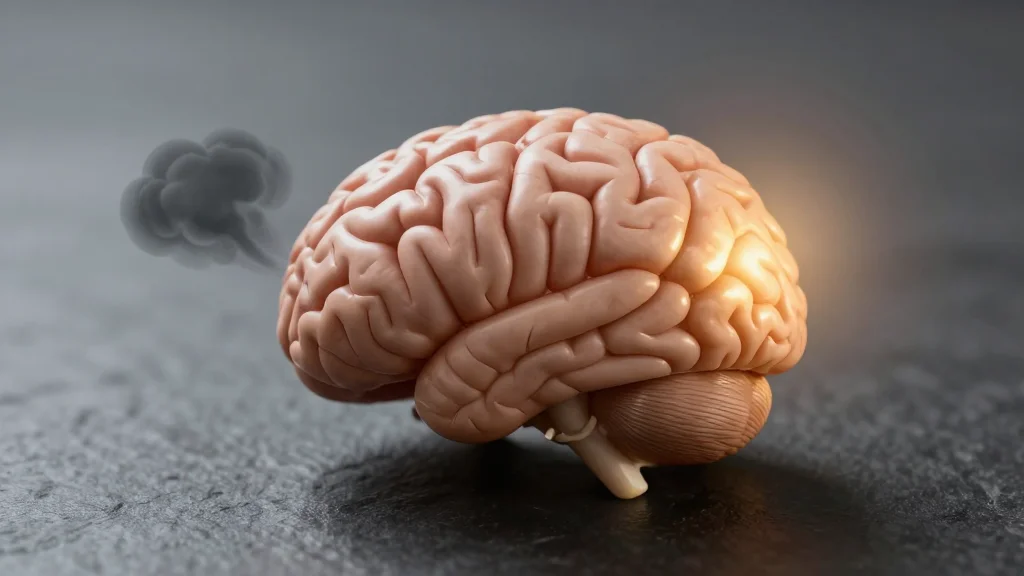
Our Brain Favors Worst‑case Scenarios over Accuracy
Your brain isn't designed to be accurate. It's designed to be protective under uncertainty. So when something is unclear, delayed, or ambiguous — it doesn't wait for data. It fills the gap with the worst emotionally relevant outcome. Not the most likely one....
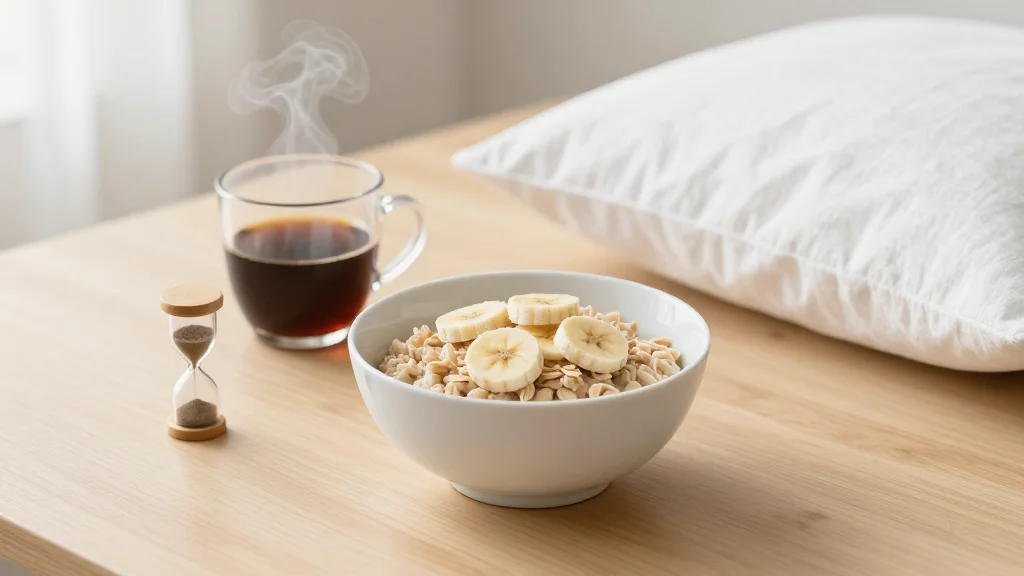
Check Basic Needs Before Declaring Life Is Collapsing
Before you conclude something catastrophic about your life, ask: Have I eaten today? Did I have caffeine without food? Have I slept? Have I had one quiet minute? Sometimes "my life is falling apart" is actually "my body is under-resourced."

Find Health Advice by Problem, Not Date
I just finished building the Health in Plain English Library. Most newsletter archives are sorted by date. Which is useless if you’re trying to find help for the thing you're struggling with right now. So I organized everything by problem: Sleep. Anxiety. Stress-eating. Procrastination....

Check Sleep, Food, and Coffee Before Overthinking
"Why am I like this?" Sometimes the answer is trauma. Sometimes it's unprocessed emotion. Sometimes it's unresolved patterns. And sometimes it's that you've had coffee, no food, 5 hours of sleep, and zero breaks. Check the basics before you go looking for the...

Stabilize Your Body Before Interpreting Its Signals
"Listen to your body" is bad advice if your body is: Underfed. Over-caffeinated. Underslept. Overstimulated. A strained system doesn't give you neutral data. It gives you loud, reactive, worst-case data. Stabilize first. Interpret second.
We’re Finally Recognizing ADHD‑autism Comorbidity, Not Creating New Neurodiversity
Until 2013, you officially couldn't be diagnosed with both ADHD & autism at the same time. The diagnostic criteria treated them as mutually exclusive. Entire populations of people with both were told they had neither (or something else entirely) because the system's...

Consistency Means Showing up, Not Hitting the Same Numbers
People think consistency is: Day 1: 10,000 steps Day 2: 10,000 steps Day 3: 10,000 steps ... But in reality it's: Day 1: 10,000 steps Day 2: 6,000 steps Day 3: 1,000 steps Day 4: 5,000 Day 5: 200 steps Day 6: 12,000 steps Day 7: 4,000 steps

Tiny Habits Beat Big Goals for Beginners
I'm a health research advisor. If you're a beginner forget about: - walking 10,000 steps per day - lifiting weights 3x/week - counting calories. Instead, do this: - go outside for 5 min per day. - do 5 squats while brushing your teeth. - replace one...
ADHD Misdiagnosis: Recognizing Hidden Cases Beyond Hyperactive Boys
Why does everyone suddenly have ADHD now? Because we spent decades only recognizing it in hyperactive little boys who couldn't sit still in class. The quiet girl who daydreamed constantly? Missed. The high-achieving adult whose internal world was chaos? Missed. The person who masked...

Practice with Feedback Outpaces Planning for Skill Mastery
A pottery class was split into 2 groups. Group A: make as many pots as possible. Group B: make one perfect pot. Group B spent the semester planning and theorizing. Group A spent it throwing clay and fixing mistakes. Group A's pots were better. By...
ADHD: Turning Challenges Into Powerful Creative Strengths
Unpopular opinion: I'm grateful for my ADHD. It took me a long time to get here & the struggles are real. But it gave me: Hyperfocus that lets me go deeper on topics than most people are willing to go. A brain that connects...
13 ADHD Hacks for Tackling Tough Tasks Without Willpower
I have ADHD and a PhD in healthcare research. It took me over a decade to learn how to trick my brain into doing hard things. Here are 13 unconventional ways to do difficult things without relying on willpower:

Depression Is Multisystem, Not Just a Serotonin Issue
Depression isn't just a serotonin deficiency. The old “chemical imbalance” story is no longer a good summary of the science. Depression is now understood as a multisystem condition involving inflammation, disrupted sleep architecture, nervous system dysregulation, and social disconnection. Medication can help and...

AI Becomes Essential: Like Google Was in 2005
AI is raising the ceiling for what's possible. But the scary thing is that it's also raising the floor for what's expected. Not using AI in 2026 is starting to feel like not using Google in 2005.

Longevity Depends on Movement, Whole Foods, Purpose, Connection
The research on longevity is surprisingly consistent. The longest-lived people on earth share 4 things: They move naturally throughout the day, eat mostly whole food, have strong social ties, and experience a sense of purpose. Not supplements. Not biohacking. Not optimized sleep scores. Purpose...

Lack of Sleep Hijacks Hunger Hormones, Drives Overeating
One night of poor sleep raises your hunger hormone (ghrelin) and suppresses your fullness hormone (leptin). The next day you'll eat more, crave more, and feel full later. Sleep deprivation isn't just tiredness. It's a hormonal environment that makes every food decision...
Lack of Sleep Amplifies Emotional Reactivity by 60%
Sleep deprivation makes the emotional brain 60% more reactive. The part that regulates that reactivity (prefrontal cortex) goes offline first when you're sleep deprived. You're not more anxious, more irritable, or more overwhelmed because of what's happening in your life. Sometimes you're just...
Your Gut Controls Mood: 90% Serotonin Originates There
Your gut produces 90% of your body's serotonin. Not your brain. Your gut. Which means chronic bloating, IBS, and digestive distress aren't just physical inconveniences. They're happening in the same system that regulates your mood, your anxiety, and your emotional resilience. Treating the gut...

Warm up with Lighter Sets, Not Treadmill Cardio
For lifting, treadmill warm-ups are overrated. A better warm-up is usually a few lighter sets of the actual exercise. Eg, before my working sets, I’ll often do: - 1 set at around 50% - 1 set at around 75% That warms up the exact muscles...

Evening Stress Keeps Cortisol High, Sabotaging Sleep
Cortisol is supposed to peak in the morning and taper by night. Chronic stress breaks that pattern. Cortisol stays elevated into the evening, suppresses melatonin, and delays deep sleep. You don't have a sleep problem. You have an unresolved stress problem that shows up...

One Sleepless Night Impairs You Like Being Drunk
Sleep deprivation after one night impairs cognitive performance as much as being drunk. You wouldn't drive drunk. But you'll run a meeting, make financial decisions, and parent on 5h without thinking twice. The impairment is the same. The awareness isn't.
Low Odds Don’t Define Your Success
I was rejected 53x before I got a PhD position. Success rate < 2%. I relapsed 50+ times before I stopped binge-eating. Success rate < 2%. I failed with 20+ diets until I figured out how to eat healthy. Success rate <...

Sighing: Your Body’s Natural Reset We Often Stifle
I'm neurodivergent and have a PhD in healthcare research. Here are 13 things your body does automatically to regulate itself — that most people interrupt without realizing it: 1. Sighing: It's a physiological reset your body does when tension builds too high...

Tiny Tasks Feeling Draining? You’re Under-Recovered, Not Lazy
I’m neurodivergent and have a PhD in healthcare research. Here are 10 signs you’re under-recovered, not unmotivated (and what you can do): 1. Even tiny tasks feel emotionally exhausting.
Invisible Burdens Make Neurodivergent Behavior Seem Inconsistent
One reason neurodivergent people come across as “inconsistent”: People judge behavior. They don’t see the invisible cost of: - transitions - sensory load - decision fatigue - recovering from normal life

Bad Habits Are Clever Adaptations to an Unhealthy Life
Most “bad habits” are just intelligent adaptations to a life your body doesn’t actually like.

Progress Over Perfection: Keep Restarting After Setbacks
As a health researcher, this might surprise you: Having a bad week isn’t a big deal. You can eat fast food, drink alcohol, and miss your workouts and still be completely fine. People who age the worst aren’t the ones who have...

Self‑care Isn’t Laziness; You Can’t Pour Empty
You can't pour from an empty cup. But somehow we've built a culture that calls the empty cup lazy.

Overexplaining: A Nervous System Habit, Not a Personality Trait
I'm a neurodivergent health researcher. Here are 9 ways overexplaining is a learned nervous system habit, not a personality trait (and what you can do): 1. You explain your reasons before anyone has even questioned them (your body is bracing for misunderstanding...

Facing a Wall Boosts Focus by Limiting Distractions
I'm neurodivergent and have a PhD in healthcare research. Here are 13 unconventional things that actually help your brain focus — that have nothing to do with discipline: 1. Face a wall or corner when you need to concentrate. Fewer things in...
Catastrophic Thoughts Follow a Script—Learn to Interrupt
I'm neurodivergent and have a PhD in healthcare research. Your brain doesn't catastrophize randomly. It follows a script. Here's what the script looks like (and how to interrupt it):

Low‑friction Health Support Helps Those Who Need It Most
The people who most need health advice are often the least able to use it. Because good advice still fails if it requires: - too much energy - too many decisions - too much executive function That is why low-friction health support matters so much.

Discipline Posts Validate the Fit, Alienate the Overwhelmed
HARD PILL TO SWALLOW: Most discipline content doesn’t help struggling people. It makes disciplined people feel validated, while making overwhelmed people feel even more broken. That realization changed how I do health content forever.

Concise Guides for Neurodivergent Minds—Now at Discount
I’m making the paid tier of my newsletter more useful for ND brains. There’s no single ND profile that applies to everyone. But there are common patterns around overload, friction & cognitive load. So the paid tier is now: smaller, clearer, more practical...

Why Standard Health Tips Miss Neurodivergent Realities
I'm a neurodivergent health researcher. Here are 12 health tips that are correct in theory but often fail in real life (especially for NDs): (and what actually works better)

Daily Walks Boost Mood, Productivity, and Shed Pounds
As a scientist, I like to question the status quo and stay open-minded. So I tried going for a walk outside every day for a couple of weeks to see what all the hype was about. Extremely annoying update: that shit actually...

Emerging From Depression: The Unexpected Lightness
What It Felt Like to Come Back From Depression (Content note: this post includes discussion of depression, suicidality, and eating disorders.)

Ground Your Body to Quiet an Overactive Mind
If your body feels “on” and your brain won’t shut up, try this before you do anything else: - sit down - feet pressed against the floor - one long exhale - soften your jaw - slowly look left & count to 2 - slowly look...

Empathy Matters: Deliver Science in a Nervous‑System Friendly Tone
As a research advisor & Head of Science I believe that: Health support should feel like someone finally understands why this is hard. Not like another person is disappointed in you. That matters a lot when you’re building for people with gut issues,...

Schedule Tasks by Stimulation, Not Importance, Boosts ADHD Productivity
Productivity trick for ADHDs: Schedule tasks by stimulation, not importance. Most productivity advice tells you to organize your day by priority. Most ADHD brains don’t care about what’s “most important”. Their brains choose tasks based on stimulation, friction, dread, novelty, and whether the...

Support Over Advice: Reduce Friction, Offer Clear Steps
One thing I’ve learned from both research and personal experience: People rarely need more advice at the exact moment they are struggling. They need: - less friction - less shame - less cognitive load - a clearer next step That idea shapes a lot of my work...

Simplify Mornings: Stick to One Breakfast Weekly
One of the easiest ways to reduce morning friction is to eat the same breakfast most days. A repeat breakfast lowers cognitive load, reduces food indecision, and makes mornings feel less like project management. It can also help with steadier energy and...