Dublin's Curious Tram Routes
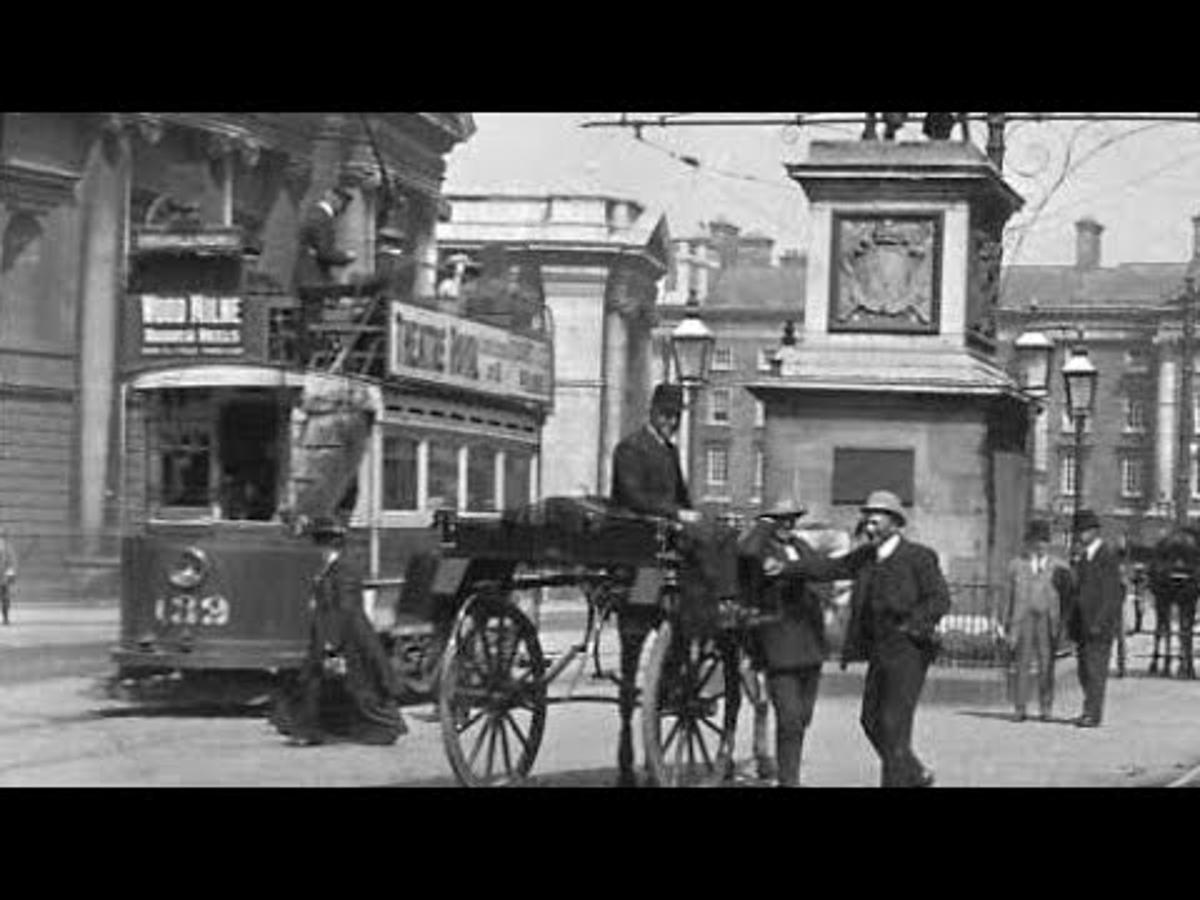
The video explores a little‑known chapter of Dublin’s public‑transport history: the use of colored geometric symbols, or “roots,” to identify tram routes in the late‑19th and early‑20th centuries. At a time when route numbers were not yet standard, the Dublin United Tramways Company painted circles, diamonds, squares and shamrocks on tram bodies so passengers could spot their service at a glance, even if they were illiterate or spoke a different language. The narrator details how each symbol corresponded to a specific itinerary – for example, a blue double‑diamond denoted the Donnybrook‑to‑Phoenix Park line via Marian Square, while a white‑striped variant marked a slightly different path. By 1918 the system was abandoned in favor of conventional numbering, a change that coincided with the broader decline of Dublin’s tram network, the rise of buses, and the company’s rebranding as the Dublin United Transport Company. Historical quirks pepper the story: the iconic “winged wheel” logo, nicknamed the Flying Snail, survived the company’s nationalisation; the symbols were once thought to aid non‑readers, though the presenter questions that premise. He also jokes that today’s viewers are the “white line to my blue double diamond,” underscoring the nostalgic appeal of the old signage. The episode underscores how wayfinding conventions evolve with technology and urban growth. While symbols offered instant visual cues in an era of limited literacy, modern transit favors numeric identifiers for scalability, digital integration and ease of communication, reminding planners that design choices must balance immediacy with long‑term adaptability.
They're Splitting the Northern Line... Maybe
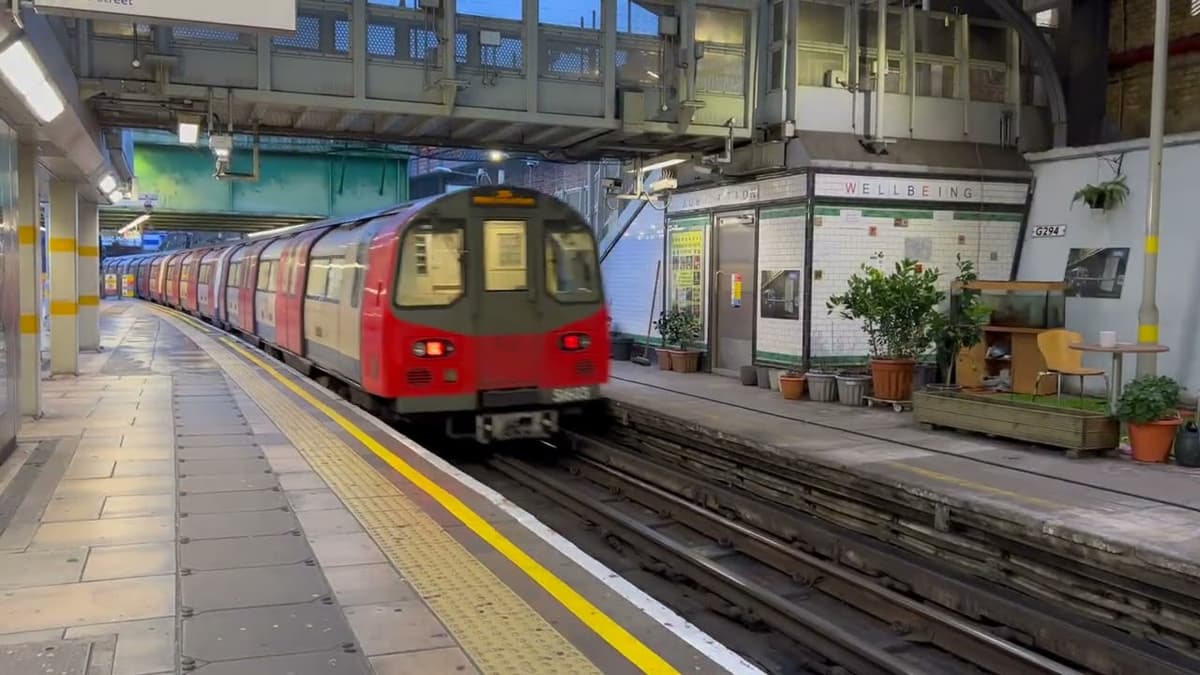
The video examines Transport for London’s lingering proposal to split the Northern line into two independent routes, a concept that has resurfaced after earlier announcements were shelved. The Northern line’s tangled layout stems from early‑20th‑century mergers that forced the City (Bank)...
Saved From Scrap! The PRESERVED Class 455
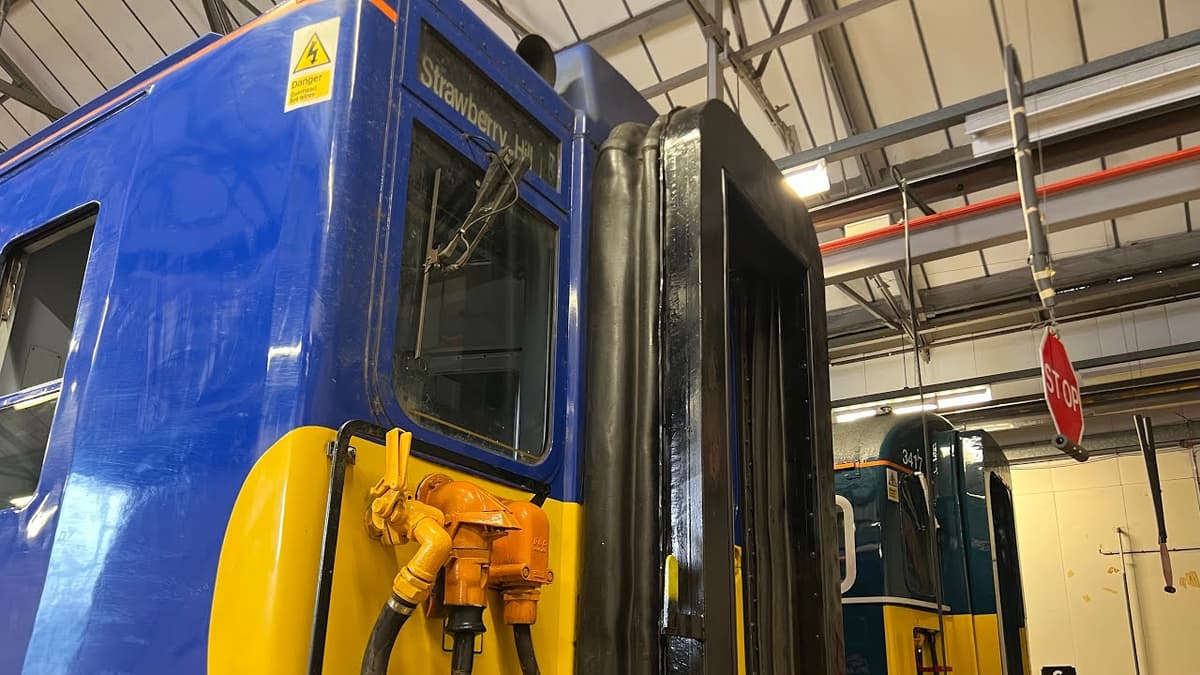
Southern Electric Traction Group (SETG) unveiled a rescued British Rail Class 455 unit at Strawberry Hill Depot, officially naming it Roy Watts MBE in honor of a key preservation patron. The four‑coach commuter train, withdrawn in December after four decades...
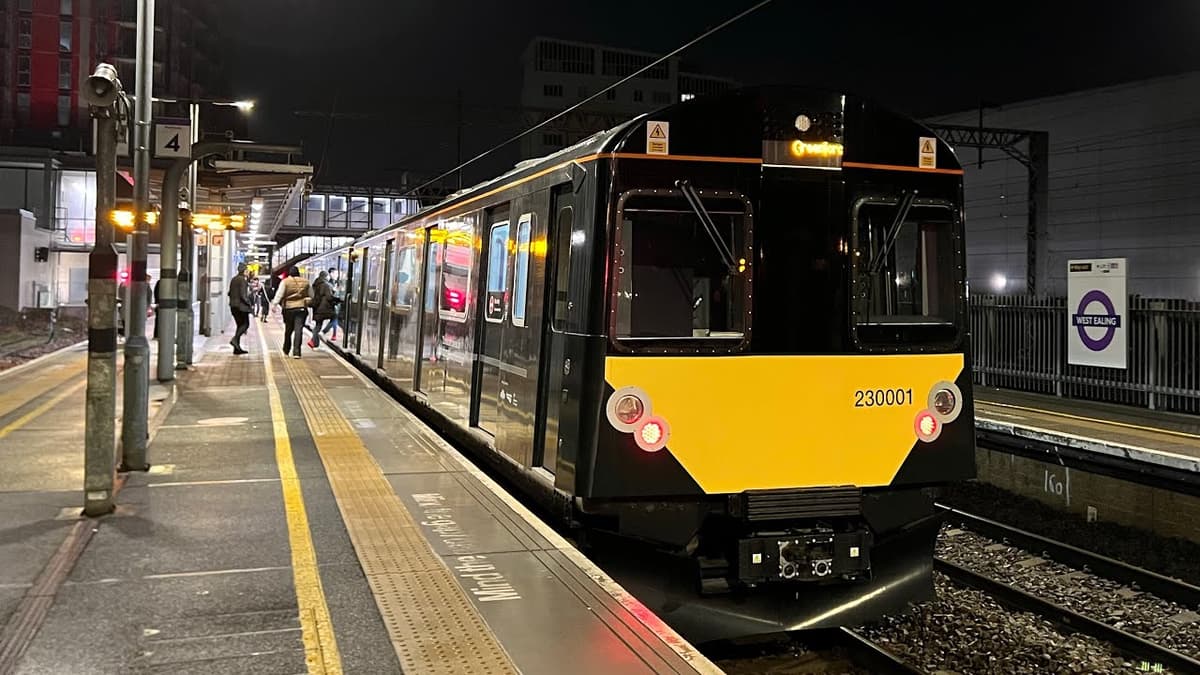
The GWR Battery Train, and the Future
The video chronicles Great Western Railway’s debut of the Class 230 battery‑electric train on January 31, marking the first regular passenger service for a converted London Underground D‑stock unit. The presenter, having witnessed earlier test runs, frames the launch as a milestone...