
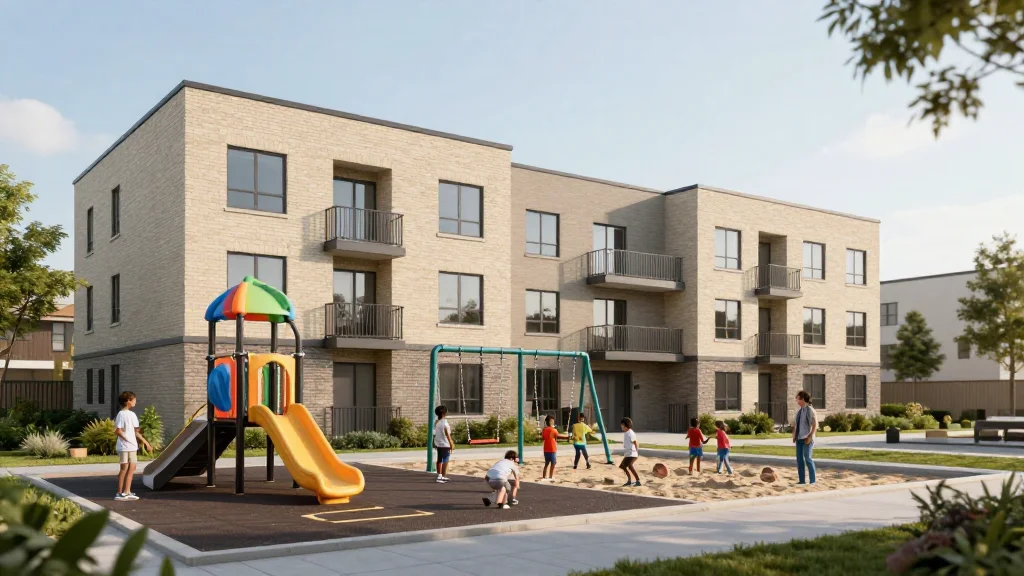
Tax Credits Spur Family‑Focused Apartments with Playgrounds
One positive quirk to how affordable housing tax credits work: They incentivize developers to build apartments for families with kids, which in turn means developers also build kid-friendly amenities like playgrounds you wouldn't see a market-rate apartment project.

Aging Rental Stock Forces New Construction and Renovations
America's rental stock is aging. The median age of a rental unit is now 45 years old, the oldest on record, according to Harvard's Joint Center for Housing Studies. And that will likely have major implications on housing policy and trends...

ROAD to Housing Act Cuts Rental Supply, Not Increases
The ROAD to Housing Act is positioned as a housing supply creator, but for renters, it would unquestionably reduce supply.

Cities Must Fund Housing Solutions, Not Rely on Rent Control
There are certainly arguments for rent control but they aren't economic arguments. It's a sociological argument (and a very fair one) about displacement risk, which is real. However, the question is who should bear those costs? One could argue that if...

Rent Control Scares Investors, Stalls Boston Housing Projects
An investor who funds development told me they've delayed a Boston apartment project's start until after the election for this reason. Rent control = NIMBYism.

New Housing EO Boosts Rentals, Beats Senate's Road
I was obviously critical of his prior housing EO, but this one is actually quite good-- and more of a net boost to rental housing supply than the Senate's ROAD to Housing Act (which reduces rental supply for families who...

Manufactured‑housing REITs Already Outnumber Single‑Family Rentals
Prediction: We'll eventually see a wave of articles (followed by policymakers fretting over it) about "Wall Street" investing in manufactured housing. It'll be positioned as a "loophole" and/or consequence of the ban on single-family rentals. But it's not new at all. There...

Rent Burden Splits: <30k Earners Spend Half Income
If you want to understand America's renters, digest the implications of two charts from Harvard's Joint Center for Housing Studies. 1) Rent affordability is a bifurcated issue. Making >$30k? More than half your income goes to rent.. Making >$75k? You're spending...

Senate Passes ROAD to Housing; Reporters Miss Expert View
With the Senate passing the ROAD to Housing Act today, political reporters not in tune with the housing beat seem to be interpreting the legislation for how its authors are spinning it, versus what housing experts and homebuilders say it...

Homebuilders Slam “ROAD to Housing” Despite Pro‑housing Claims
Homebuilders: Build-to-rent ban isn't the only problem with "ROAD to Housing" legislation. How do you pass a supposedly pro-housing bill that is opposed by homebuilders and most housing experts/economists?

Senate's ROAD to Housing Act Threatens Ranch‑style Duplexes
This is a "ranch-style" apartment community in West Virginia, built in 1983 and once owned by an apartment REIT (Equity Residential). It features duplexes across a 92-unit property. It would become impossible to build these under the Senate's "ROAD to Housing...

Build-to-Rent Criticism Stems From Misunderstanding Its Purpose
A lot of the criticism about build-to-rent on this app is grounded in ignorance about what BTR is, who builds it, who funds it, who lives in it, and why it's appealing to the small share of families who choose...
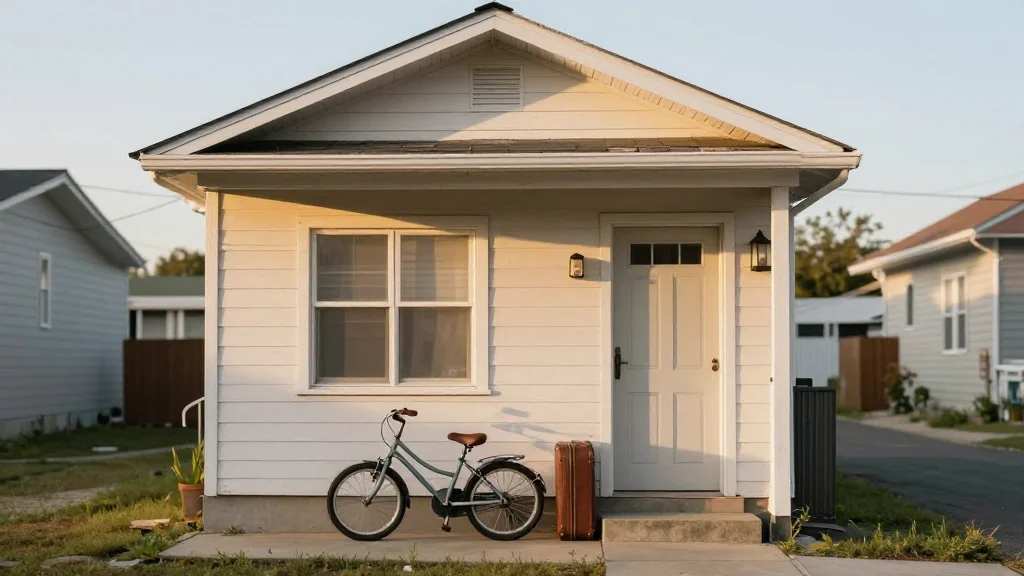
Single-Family Rentals Decline, Challenging Neoliberal Housing Narrative
The problem with this view is that the number of single-family rental homes in the U.S. has been in decline for years, as research from Harvard, John Burns and Redfin have all shown.

Senator Schatz Calls BTR Ban Arbitrary, Soviet‑style Policy
Great point from Senator Schatz: The BTR ban "is positively Soviet-like. It is arbitrary. We have decided owning a single-family home is good. Renting is bad."

Build-to-Rent Ban Distracts From Bill’s Regressive Provisions
Welp... And the crazy thing is the rightful focus on the build-to-rent ban is taking away from from the 1000 other zany regressive aspects of this bill.

Warren’s Office Controls Investor Ban Language, Fixes Stalled
The language around the investor ban has been crafted and controlled by Senator Warren's office. Lots of groups on all sides of this issue and from both sides of aisle have pushed for common sense fixes, but with no luck...

Supply Surge, Not Weak Demand, Drives Rent Cuts
Here's a crazy-yet-telling apartment stat: Among the top 15 markets CUTTING rents, they collectively had 2x more demand (absorption) than the top 15 markets INCREASING rents. Why? Because it's all about supply, not weak demand or affordability etc. Among the top 15 markets...

NYT Highlights Housing Act, Yet Major Supply Incentives Stripped
The @nytimes dropping facts on The ROAD to Housing [Inflation] Act. Also, not enough attention going to big pro-supply provisions removed around supply incentives and zoning -- which leaves only a patchwork of incremental (though still good) pro-supply wins left in...
Senator Pushes Aggressive YIMBY Reforms While Defending Property Rights
The Senator's letter is YIMBYism on steroids: 1) Fix zoning etc and build more housing. 2) Don't open the door to the slippery slope of eroding property rights, which snowballs into reduced supply. 3) Call out misinformation that threatens supply and/or affordability.
Avoid Federal Limits on Build‑to‑Rent: Preserve Housing Supply
I deleted a couple posts criticizing a letter from 100+ YIMBY groups that was mostly quite good, but erred (IMHO) in supporting what is effectively a partial ban on build-to-rent construction. My word choices in those posts were too callous, and...

YIMBYs Paradoxically Oppose Universal Build‑to‑rent Development
Genuinely puzzled that 100+ YIMBY groups signed off on a letter that says "we should allow build-to-rent construction everywhere except not really everywhere." What the heck? YIMBYs are now NIMBYs? That is literally a tactic you criticize NIMBYs for. 🤦♂️ https://t.co/Z61eYharAp
Renovate-to-Rent Crucial as Investors Outspend Homebuyers
Encouraged to see pro-housing voices pushing to keep build-to-rent. I'd also suggest pushing to keep "renovate-to-rent." Three things: 1) Freddie Mac wrote in 2022 that investors "heavily target under-market-value homes that need more repair than what most first-time homebuyers are willing to...

Analysts Condemn, Realtors Back Bill that Harms Buyers
Pretty much every serious housing analyst and economist is opposing the ROAD to Housing [Inflation] Bill. Yet the National Association of Realtors is cheering for a bill that would take housing away from people who can't afford to buy houses. 🤡...
Road to Housing Act Will Worsen Affordability, Warns John Burns
Housing expert John Burns on the ROAD to Housing Act: "The housing bill that will make affordability worse, not better."

From $1 Shoe Salesman to Nation's 2nd Largest Apartment Owner
The story of Morgan Properties is one of those "only in America" stories -- started by a shoe salesman in 1985 putting down $1 to buy 3 suburban Philly apartment properties, and growing it into the nation's 2nd largest apartment...

Give Homebuyers First Refusal, Keep Investor Exit Valve
Potential compromise on single-family investor ban: Give individual homebuyers a "first right of refusal" on home listings for 30 days before investors (of any size) can make offer. (And fully exempt BTR.) The "first dibs" rule would advantage individuals, but also protect...

Senate Bill Threatens Build‑to‑Rent, Slashing New Housing Supply
Digging into the Senate's ROAD to Housing bill more, the new amendments are NIMBY-friendly supply killers. It effectively kills build-to-rent construction, which delivered 250k new homes over past 5 years. And don't assume all those homes would have been built anyway...

Anti‑Investor Rhetoric Threatens Renters Amid Shrinking Supply
Anti-investor vibes are so strong that they don't realize it's actually anti-renter. Investors will be fine. They pivot. But where do renters go if supply shrinks and they can't afford to buy?

Net Flow, Not Just Buying, Reveals Housing Fire Sales
This is why reporters and policymakers should look at net flows (buying - selling), not just buying.
MA Apartment Starts and Acquisitions Set to Plunge in 2026
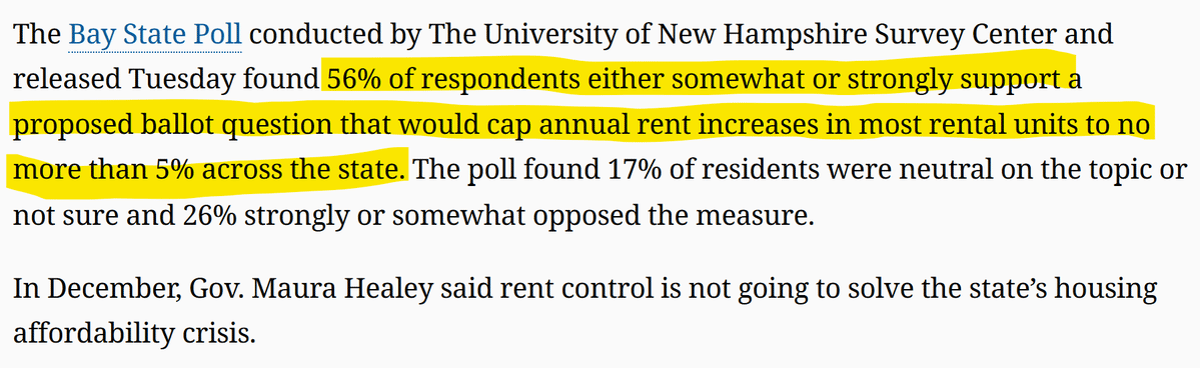
Easy prediction: New apartment construction starts and acquisitions will plunge across Massachusetts in 2026 until after the potential November ballot measure on rent control is decided. https://t.co/PNqV8oMkvq

Luxury Builds Reduce Affordable Housing, Not Trickle‑down
As Max and others often point out: The more apartments you build for the wealthy, the fewer wealthy people living in moderate- and lower-priced apartments... thereby creating more affordable supply. It's not "trickle down economics." (Different thing.) It's just common sense.
Homeownership Up, America Not Turning Renter Nation
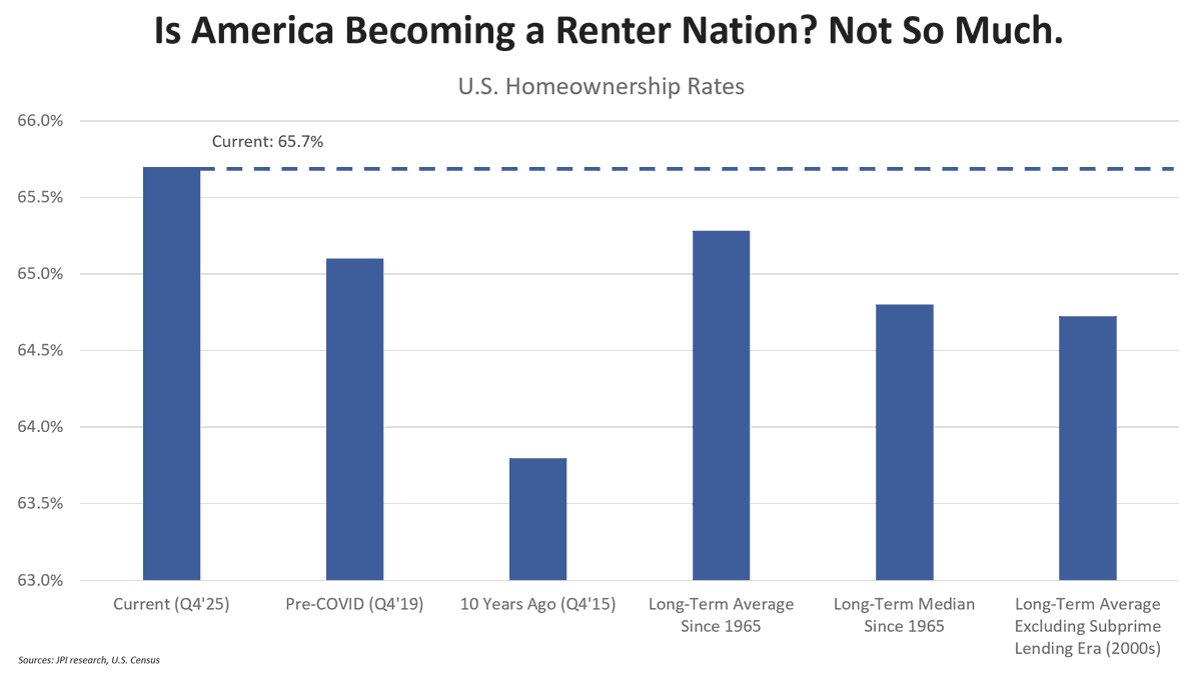
Is America becoming a renter nation? The answer is an unequivocable "no" according to U.S. Census data. Today's homeownership rate of 65.7% is: +0.6 ppts since pre-COVID +1.9 ppts since 10 years ago +0.4 ppts above the long-term average +0.9 ppts above the long-term median +1.0 ppt...
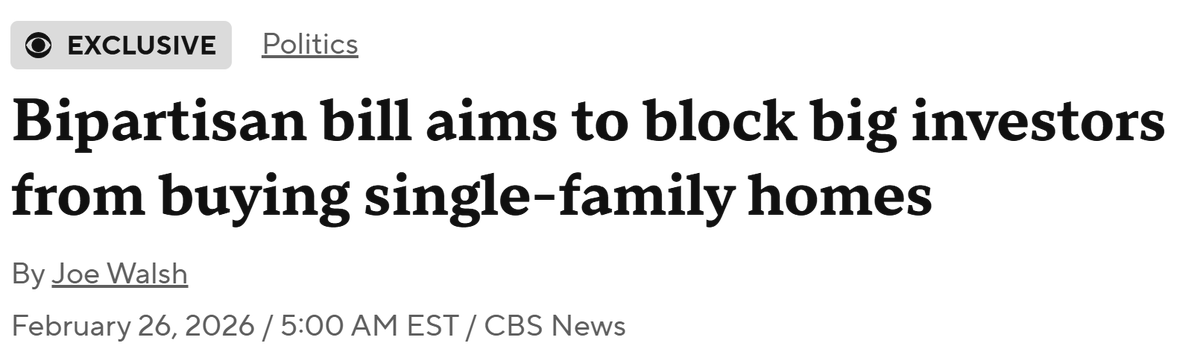
Bipartisan Bill Misattributes Housing Prices to Investors
The crazy train is getting crowded. We now have a bipartisan Senate bill to block large investors from buying houses. The entire premise is based on misinformation, which I'll lay out here: STATEMENT 1: One co-sponsor, Sen. Hawley, shared his rationale this...
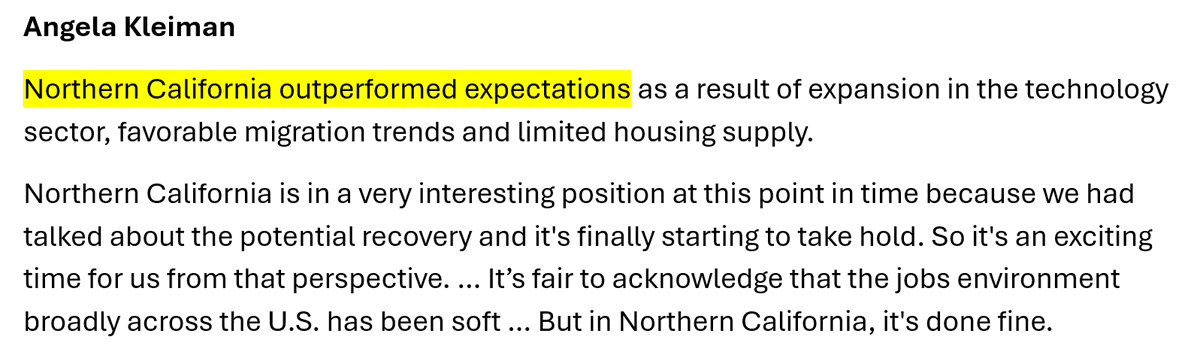
Bay Area's Tech Boom Fuels Essex Growth Through 2026
Here are some highlights from Essex's (major West Coast apartment REIT) recent earnings call: 1) The Bay Area remains a bright spot for Essex, driven by tech jobs plus limited housing supply. Essex expecting same for 2026. https://t.co/bENUiyzAc3
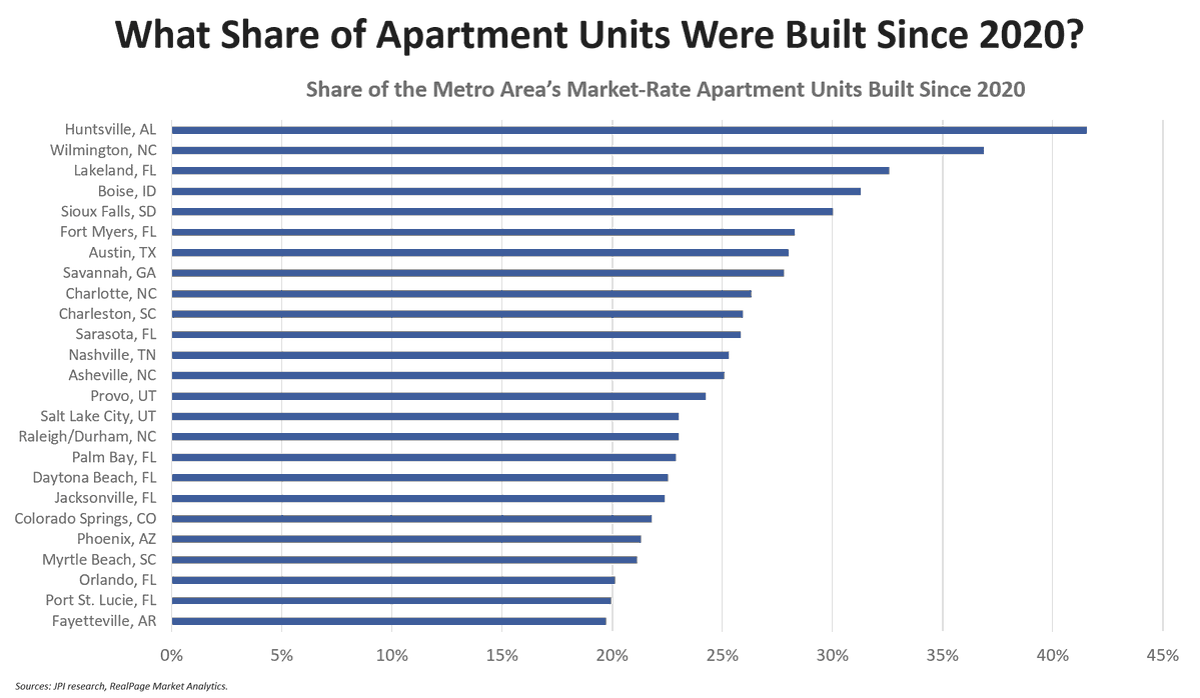
Rapid Apartment Boom Hits Non‑Rent‑Controlled Metro Areas
What share of your metro area's apartment units were built since 2020? These numbers put into context the sheer size of this development boom. More than 4 of every 10 existing apartments in Huntsville AL were built just since 2020. More...

Trump’s Investor Ban Reveals Bipartisan Hypocrisy on Housing
Trump's call to ban large investors from buying houses is rare case of bipartisan unity -- and hypocrisy. For GOP, it's anti free market. For Democrats, it's anti diversity-- blocking families from nicer neighborhoods unless they're wealthy enough to qualify for a...

Prioritize Family Support Over Demonizing Businesses
Hot take: We should care more about helping families (particularly those who can't qualify for a mortgage) than about demonizing businesses, and more cognizant of collateral damage caused by the latter.
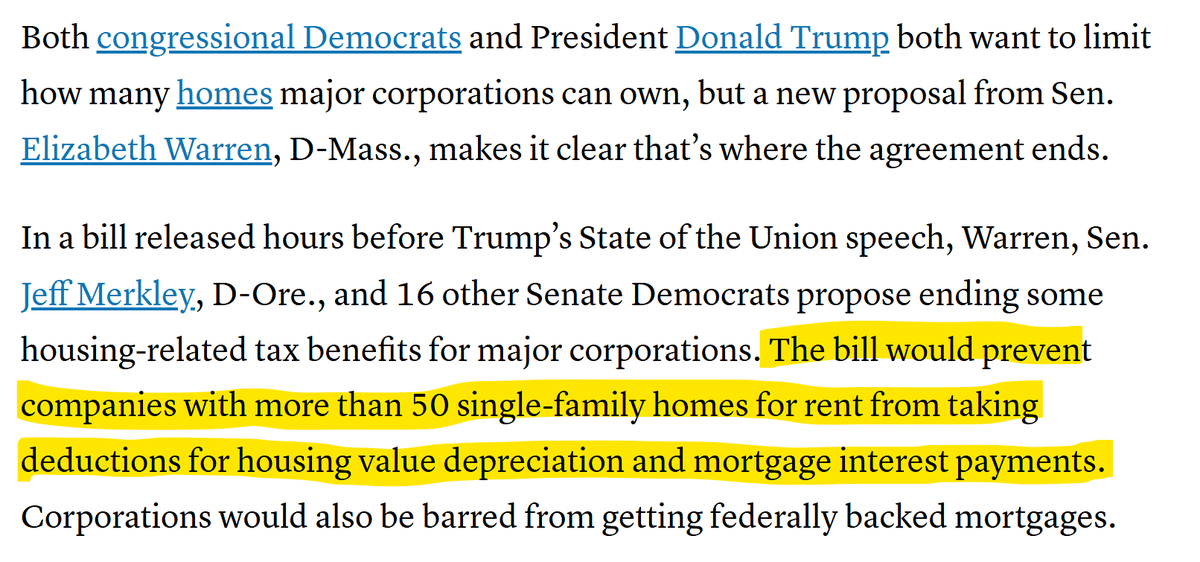
Higher Landlord Costs Raise Rents, Hurting Families
Crazy how both parties are racing to be more anti-science than the other one on housing policy. It ain't complicated: If you drive up the cost of managing rental homes, you drive up the costs for renters -- exacerbating challenges for...
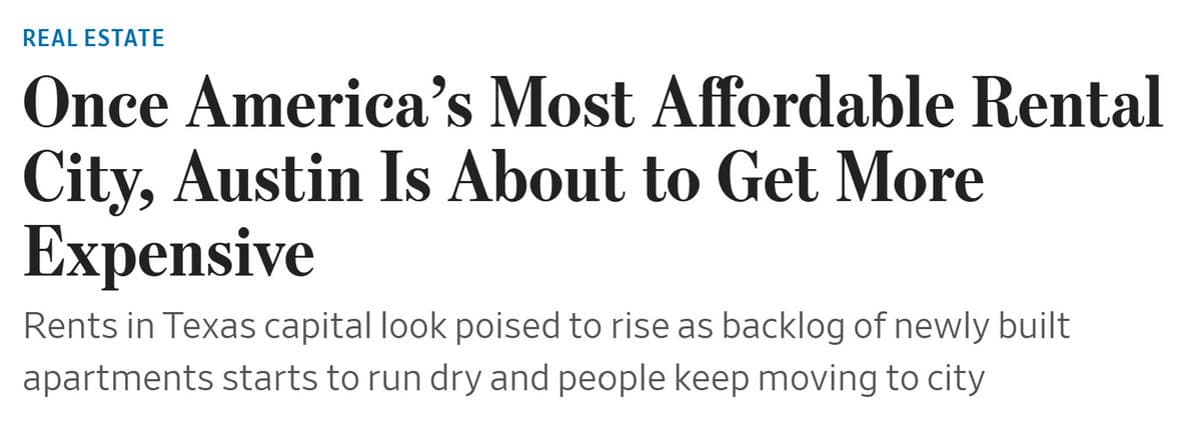
Austin Rents Poised to Rebound Despite Current Oversupply
Still feels a bit too early to declare a rent rebound in Austin, but it'll happen eventually. The demand drivers are still stronger than other headlines have suggested, and massive supply remains the big headwind... until it isn't anymore. https://t.co/gMblq6btg0

Build Luxury Units to Boost Affordable Housing Supply
If you want more non-subsidized, naturally occurring affordable housing, build a lot more "luxury" apartments and condos.

Veris Residential Joins Wave of Apartment REIT Liquidations
Another one bites the dust ... Veris Residential becomes the latest apartment REIT sold or liquidated (18+ in the last 15 years vs. ~12 still remaining). Veris (6.6k units) is best known for its wildly high renter incomes ($480k or 10-12%...