

Mid‑circuit Measurements Add Magic, Making Adaptive FLO Classically Hard
Measurement-induced non-commutativity in adaptive fermionic linear optics We show that mid-circuit measurements of fermions with internal degrees of freedom can induce the equivalent of "magic" to free fermionic circuits and render them classically hard to sample. https://t.co/r7rZBcyLHL Fermionic linear optics (FLO) with Gaussian resources is efficiently classically simulable. We show that this is no longer the case for such quantum circuits for fermions with internal degrees of freedom, equipped with #midcircuit number monitoring and classical feedforward. In our architecture, the measurement record routes the selected blocks into a fixed-order Bell-fusion pairing geometry. On the level of classical description, this implies realizing a situation in which the permutation sum no longer collapses to a single determinant or Pfaffian. Each post-selected branch expands as a signed sum of path-ordered products of typically non-commuting dressed blocks, and branch amplitudes are matrix elements of the resulting non-commutative trace polynomials. Numerically, we observe Porter-Thomas statistics as the output distribution and a rapid growth of the minimal order-respecting matrix product operator bond dimension. These results thus establish mid-circuit measurement-induced non-commutativity as a route to #samplinghardness for noninteracting #fermions under reasonable complexity assumptions, without introducing coherent two-body interactions into the FLO evolution. Warm thanks to Chenfeng Cao and Yifan Tang for the wonderful collaboration.

New Randomized Measurement Protocol Estimates Arbitrary Nonlinear Quantum Observables Optimally
Optimal randomized measurements for a family of nonlinear quantum properties: We answer how non-linear quantities can be estimated with the same standards as expectation values in classical shadows. https://t.co/6e3fWUyL0p Quantum learning encounters fundamental challenges when estimating nonlinear properties, owing to the inherent linearity...

Quantum-Centric Supercomputing Accelerates Future Computing Frontier
It was a great pleasure—and truly exciting—to moderate the “Key Dialogue Quantum Technologies” and to listen to the great and impressive talk “Transforming Computing with Quantum-Centric Supercomputing” by @jmchow. His talk at the #GCConference was a wonderful showcase of cutting-edge technology and the...

First PAC‑Bayesian Data‑Dependent Generalization Bounds for Quantum Models
A PAC-Bayesian approach to generalization for quantum models. We take steps towards non-uniform and data-dependent bounds for generalization of quantum machine learning models. https://t.co/czcmNpnD0q In detail, #generalization is a central concept in machine learning theory, yet for quantum models, it is predominantly analyzed...

Quantum Simulations Target Real-World Industrial and Societal Challenges
The third session of the #QuantumTechnologies track at the #GCConference of the @BerlinUAlliance is dedicated to exploring how quantum simulation can address industrial and societal challenges. Stefan Kühn opens the session with perspectives on using quantum computers to tackle problems in...

Advancing Quantum Networks: Optical Experiments and Hybrid Photonics
The second #quantumtechnologies session at the #GCConference focused on experimental quantum optical implementations of quantum communication concepts. Eleni Diamanti opened the session with an inspiring talk on the Paris-based efforts toward quantum networks. She was followed by Matheus Ribeiro-Sen, who spoke...

Quantum Computing Meets AI at GCConference Kickoff
We had a great start to the #quantumtechnologies theme at the #GCConference, with two sessions. Christian Gogolin delivered an inspiring and insightful keynote on the use of quantum computers in quantum chemistry. This was followed by three eminent researchers who explored...

Compact Zero Modes Cap Entanglement Growth in Bosonic Systems
How compactness curbs entanglement growth in bosonic systems This work addresses a puzzling phenomenon in the study of entanglement in continuous quantum field descriptions. https://t.co/IxMegFdqnj #Zeromodes, understood here as degrees of freedom with vanishing confining frequency, play a central role in the #nonequilibrium...

Exploring Quantum Resources: Mid‑Circuit Measurements and Non‑Stabilizerness
A talk to be given next week on "magic, muggles, measurement, a meditation on quantum resources in five readings", about computational resources of mid-circuit measurements, non-stabilizerness and other resources in notions of quantum computing. https://t.co/WIU3zwN6fc
Tight Inapproximability Bounds for Max‑LINSAT Impact Quantum Interferometry
Tight inapproximability of max-LINSAT and implications for decoded quantum interferometry https://t.co/RzBXqS1r1k We establish tight inapproximability bounds for max-LINSAT, the problem of maximizing the number of satisfied linear constraints over the finite field 𝔽_q, where each constraint accepts r values...
Clustered‑Cyclic Codes Enable Parallel Quantum Logic
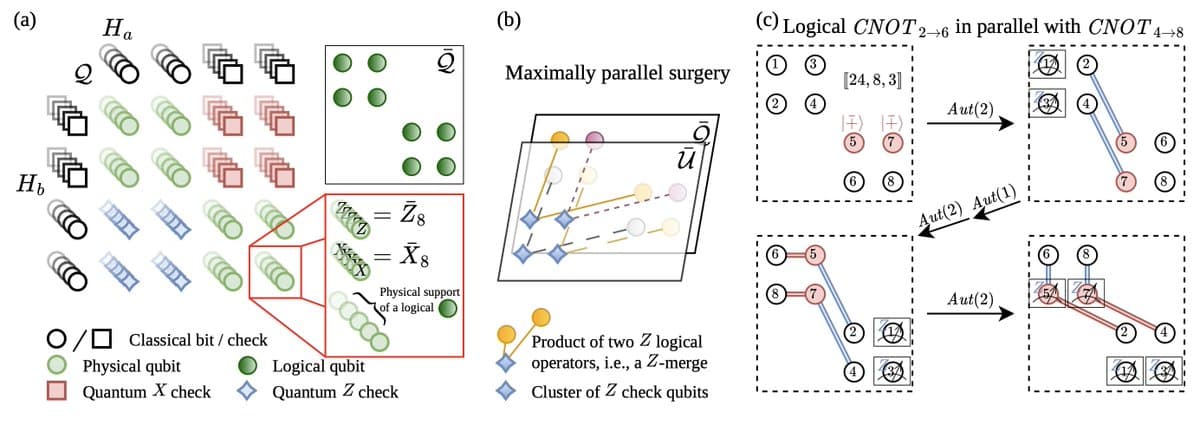
QGPU: Parallel logic in quantum LDPC codes We introduce #clusteredcycliccodes and show how to pursue highly parallelized surface-code style quantum logic with quantum low density parity check codes featuring simple logicals. https://t.co/RMIt29In5N In detail, #quantumerrorcorrection is critical in the design and manufacture of...
Certifying Quantum Magic Proven Super‑Exponential Hard
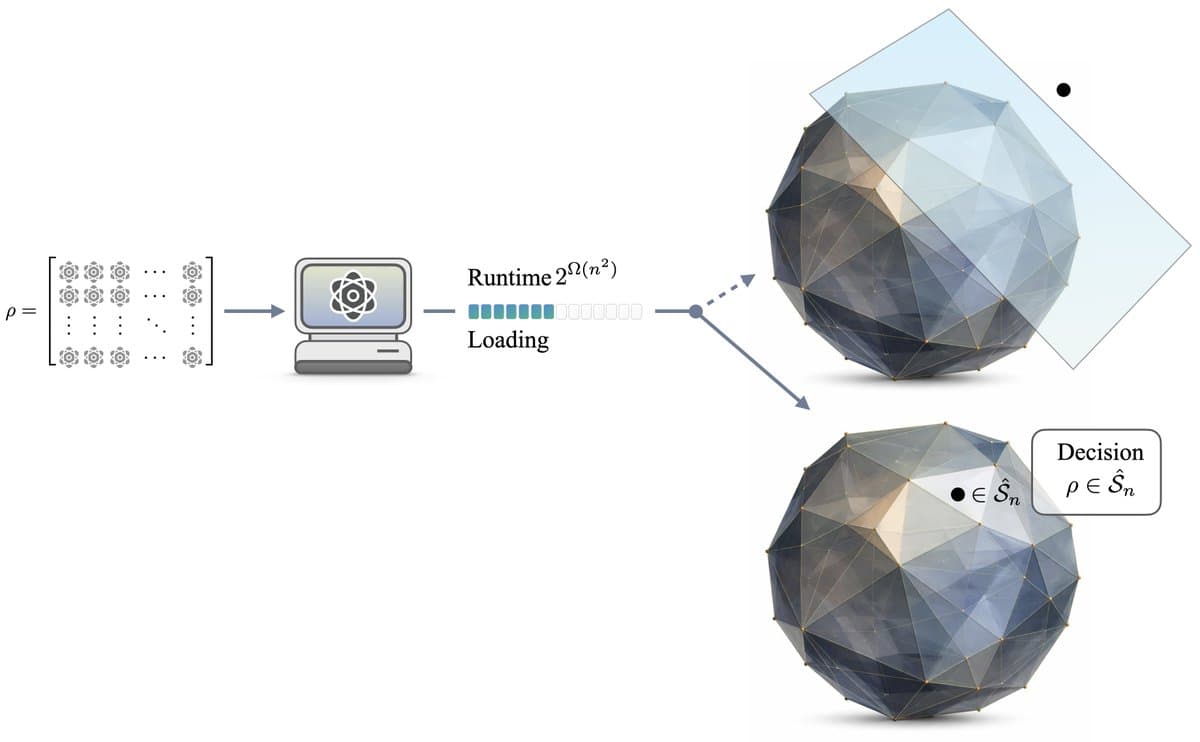
The unbearable hardness of deciding about magic Identifying the boundary between classical and quantum computation is a central challenge in quantum information. In multi-qubit systems, entanglement and magic are the key resources underlying genuinely quantum behaviour. While entanglement is well understood,...
Classical Outcomes Make Quantum Measurement Learning Exponentially Hard
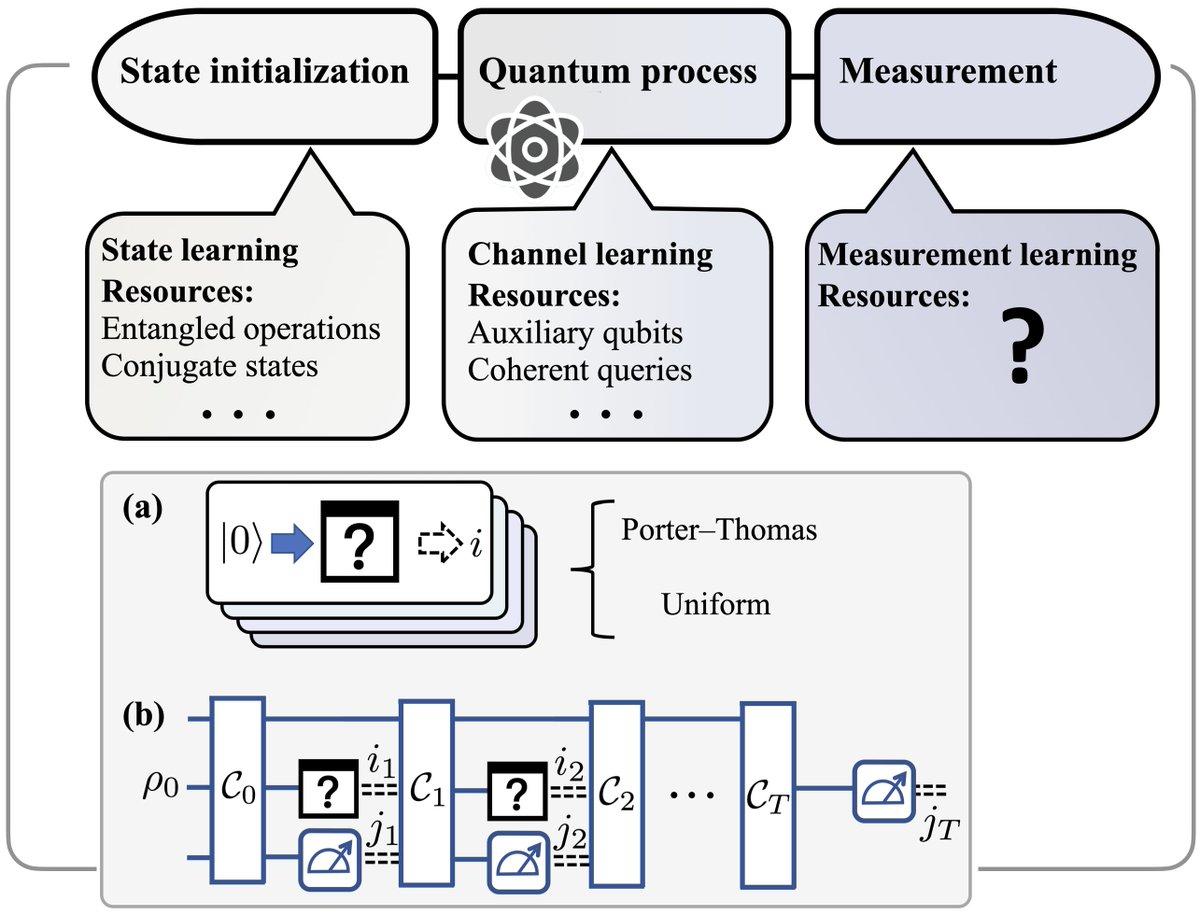
There are interesting separations in quantum learning theory depending on whether or not one has access to post-measurement states in quantum measurement. https://t.co/9I0Rz30QIq Learning properties of quantum states and channels is known to benefit from resources such as entangled operations, auxiliary qubits,...
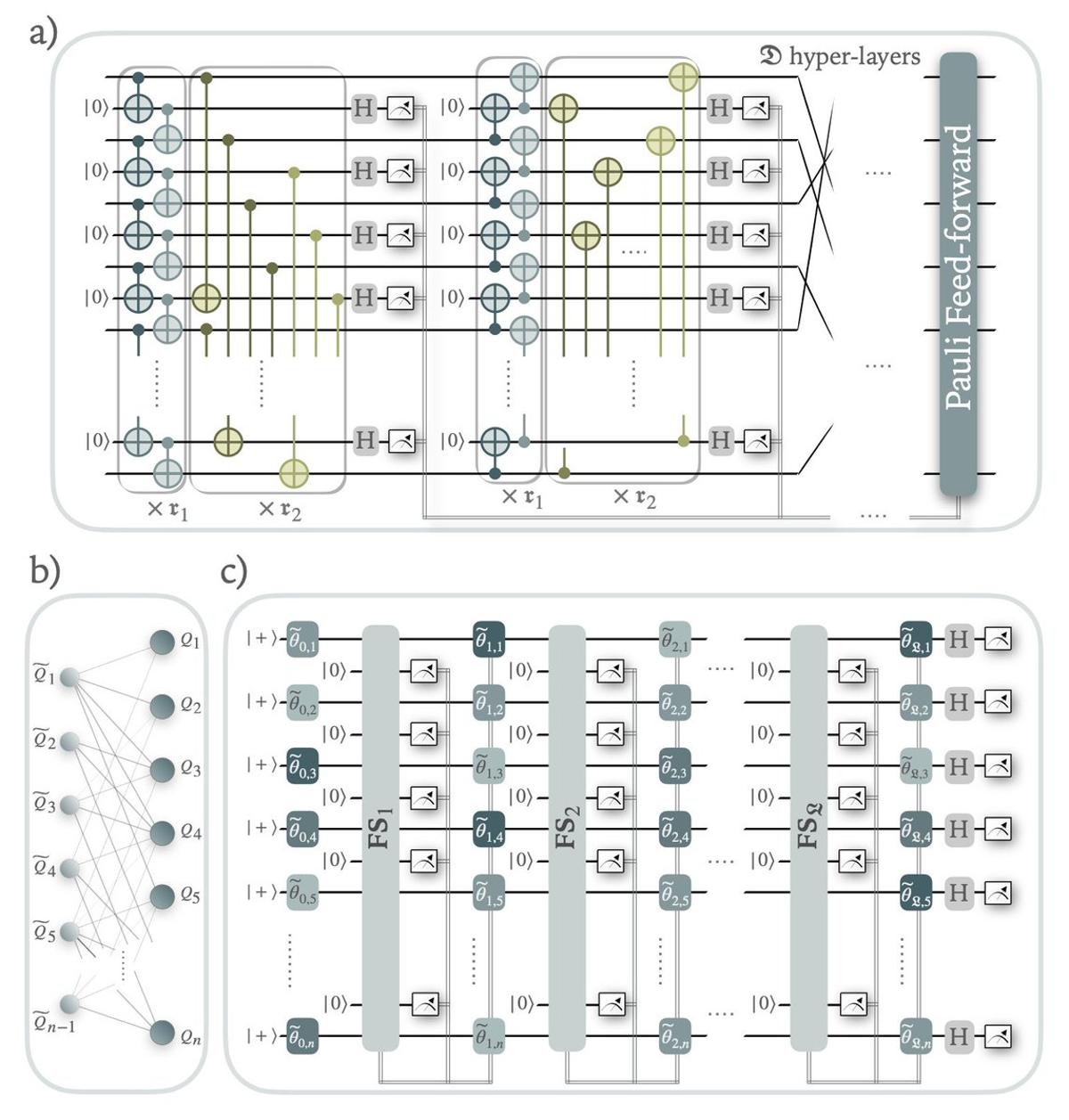
Mid‑Circuit Measurements Unlock Quantum Advantage in Shallow Circuits
Mid-circuit measurements are a powerful tool for state preparation, and they have generated considerable excitement in condensed matter physics due to their rich and surprising effects. In contrast, their usefulness for #quantumcomputation remains comparatively less well understood. In this work,...
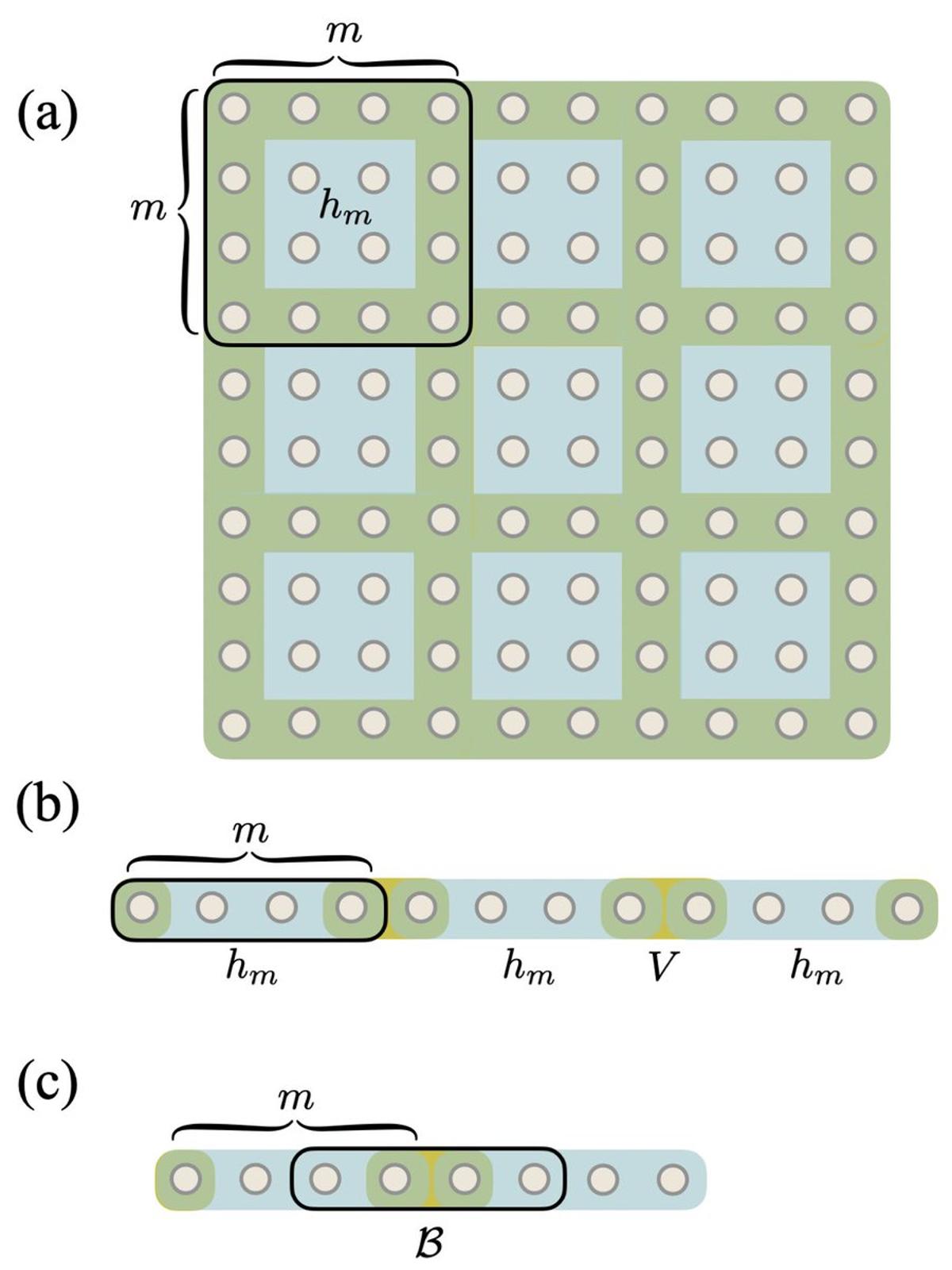
Three Lower Bounds Achieve Near-Exact Ground-State Energies
Variational #quantumalgorithms and classical variational methods, such as #tensornetwork techniques, provide upper bounds on ground-state energies. However, to meaningfully assess their performance and reliability, these results should be complemented by efficiently computable lower bounds. https://t.co/Fxs5ORiqcW This work demonstrates that three distinct types...
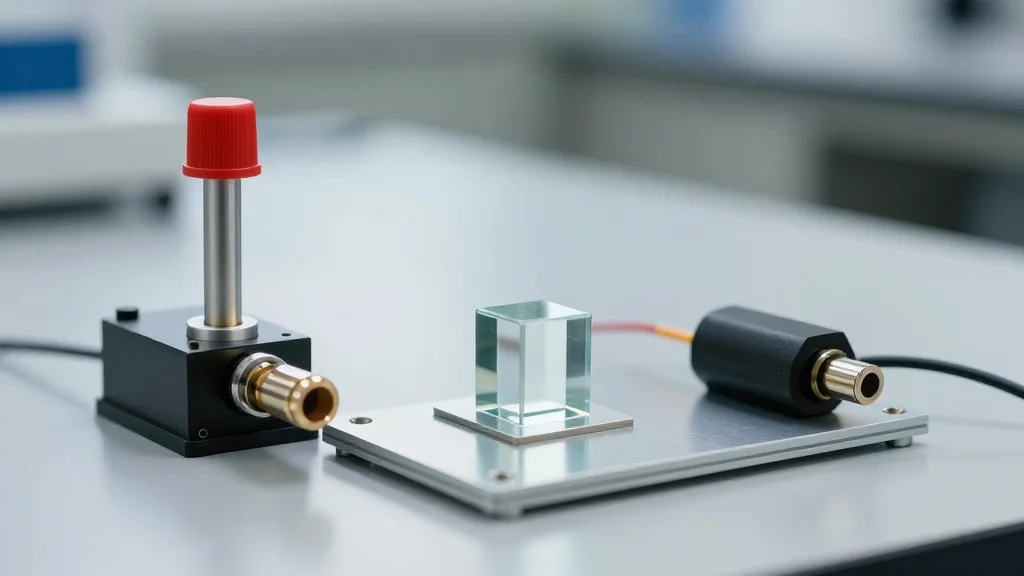
New Methods Certify Photonic Quantum States Amid Indistinguishability
Photons are indistinguishable, and this makes certification - as it is relevant for photonic state preparations and computing - a subtle issue. We introduce methods and a mindset for certification of linear optical quantum state preparation that work in the...
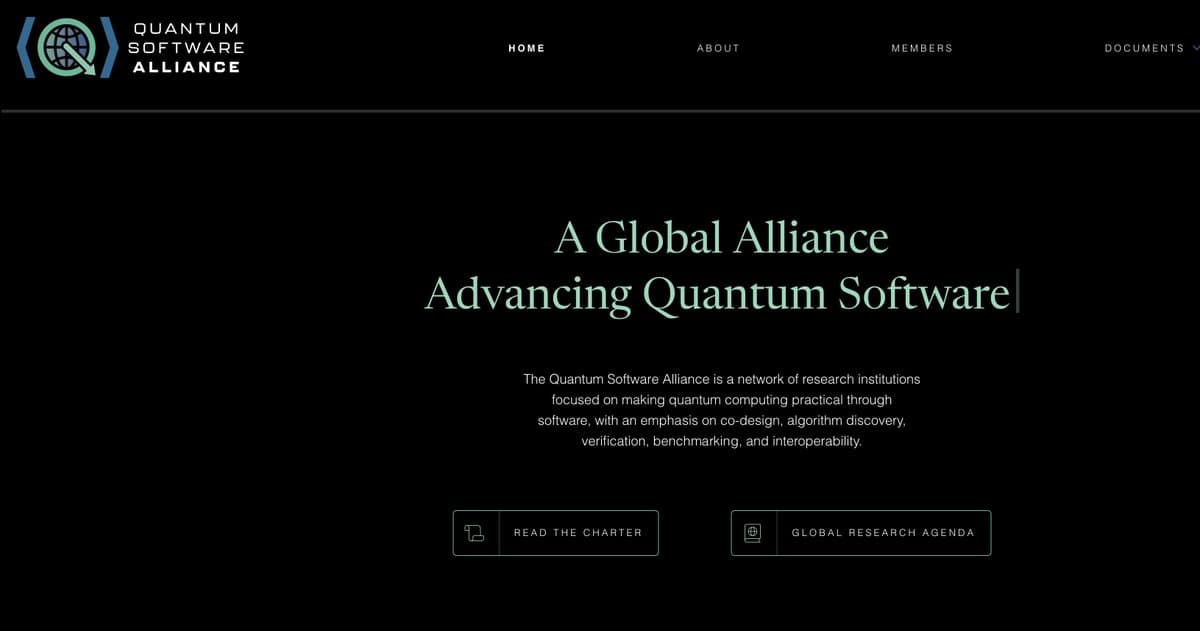
Quantum Software Alliance Launches Site to Accelerate Practical Computing
Quantum software is essential to make quantum technology work. The #QuantumSoftwareAlliance is a network of research institutions focused on making quantum computing practical through software, with an emphasis on co-design, algorithm discovery, verification, benchmarking, and interoperability. The web page is now...
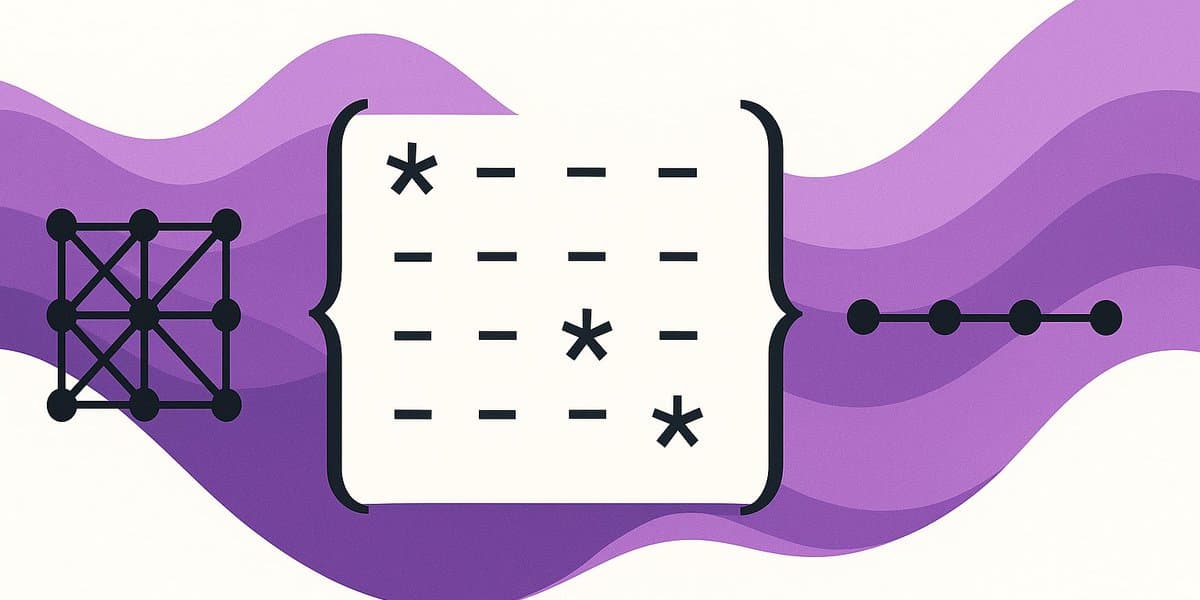
Local Stoquastic Hamiltonians Remain MA-Hard to Solve
Stoquastic Hamiltonians avoid the sign problem in Monte Carlo simulations, so they are often viewed as the easy corner of many-body physics. We show that this intuition fails. https://t.co/zo2Si0xw35 Even under strict physical structure, estimating the ground-state...
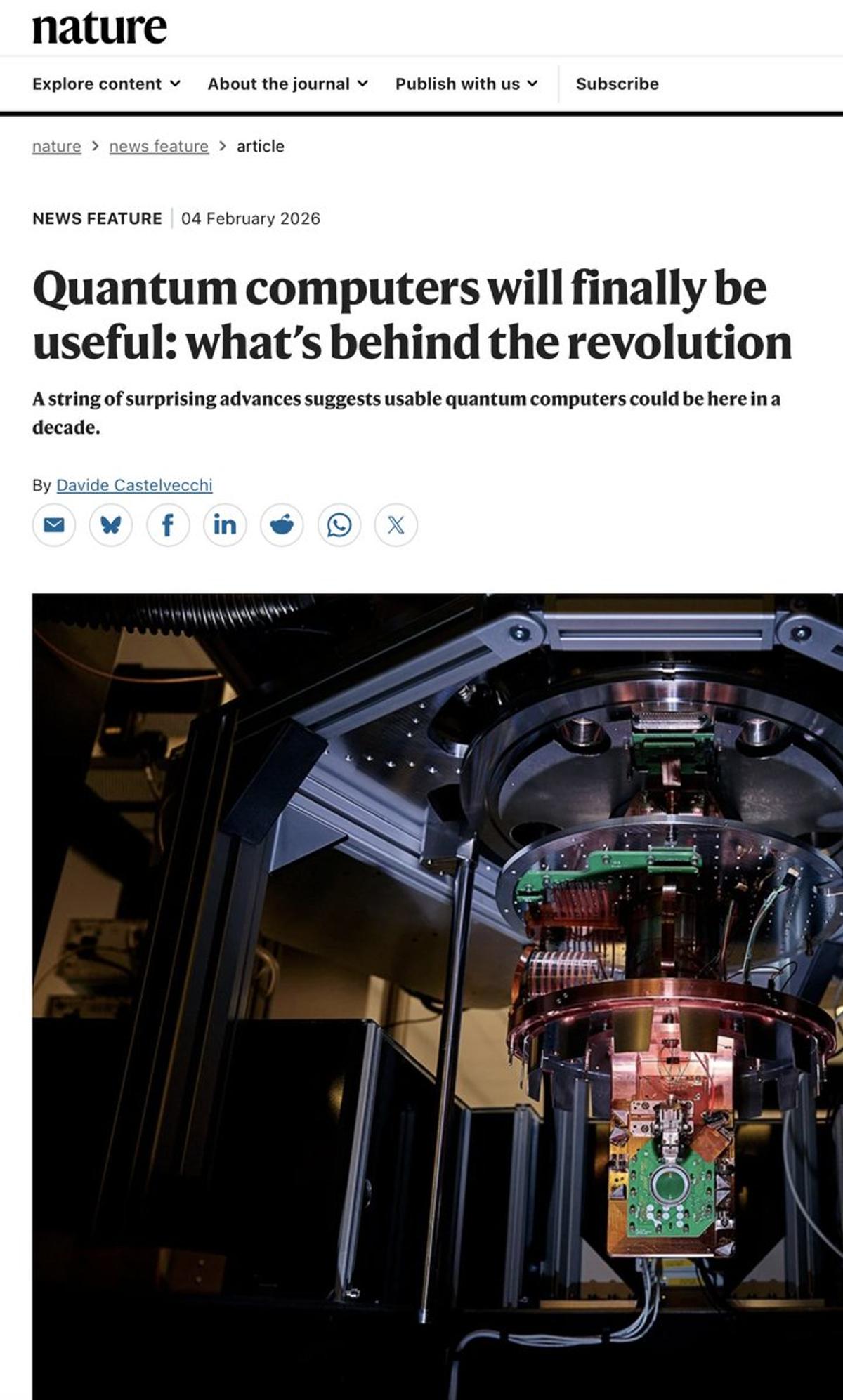
Quantum Computing Enters Practical Era with New Breakthroughs
Quantum computers will finally be useful: What's behind the revolution. https://t.co/jfR0QVkWxU An interesting read and good article in @Nature by @dcastelvecchi. https://t.co/iQZYLMQK3Z
Quantum Software Alliance Highlights Software’s Role in Computing
At the rump session of #QIP2026, @ElhamKashefi announced the #QuantumSoftwareAlliance, stressing the importance of research and development of quantum algorithms and software, concomitant with quantum hardware development. A quantum computer needs both hardware and software. This is just a cute...
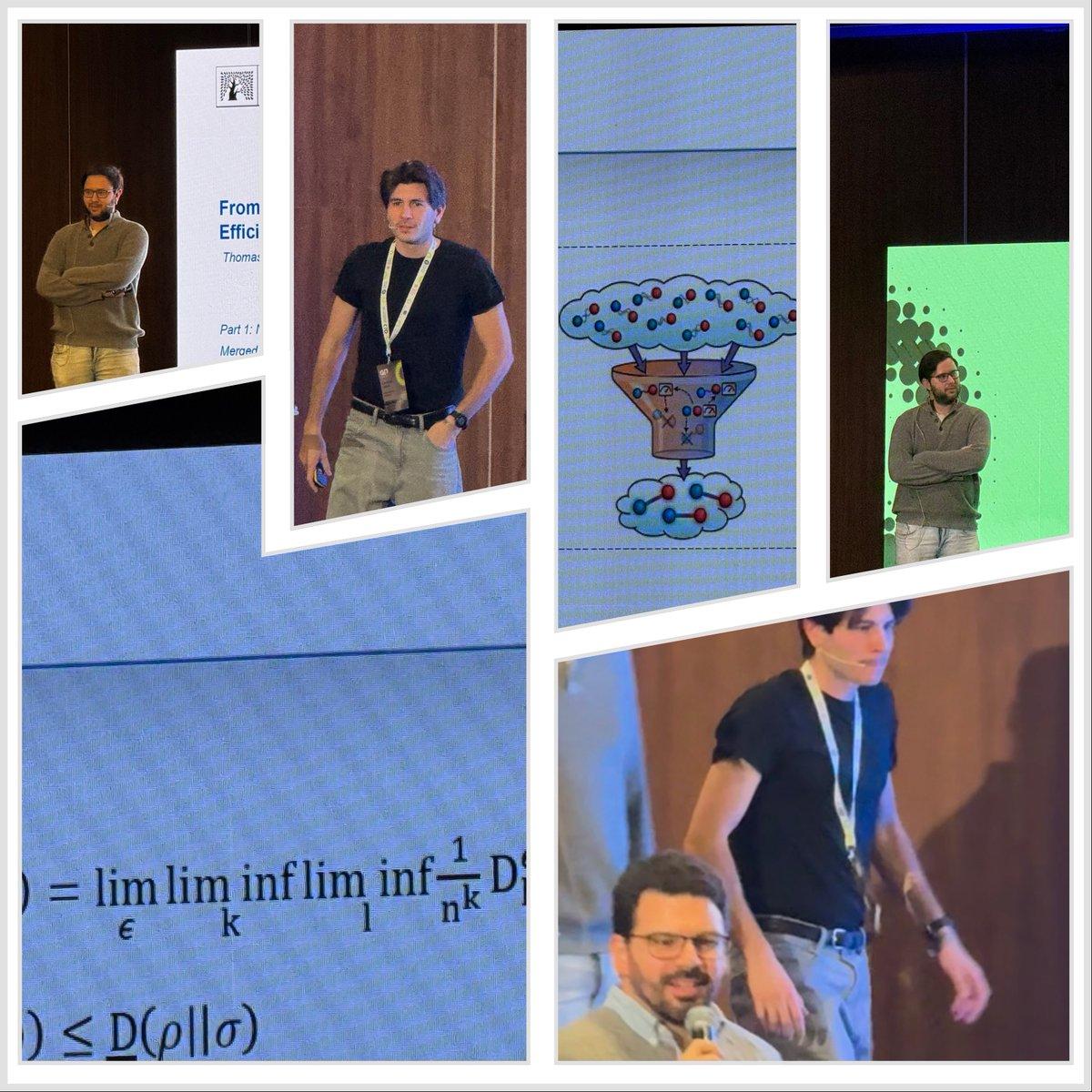
Efficient Quantum Operations Reshape Entanglement Theory
A wonderful and highly compressed medley on the consequences for quantum information theory when one is limited to computationally efficient steps at #QIP2026, impressively delivered by Lorenzo Leone and Thomas Hahn. If somebody had told me years ago that quantum...

Lorenzo Leone Clarifies Clifford Commutant Research at QIP2026
At #QIP2026, Lorenzo Leone gives a wonderfully clear talk about out work on the Clifford commutant. https://t.co/GAmLOJFMsQ https://t.co/WaBmbW2G63
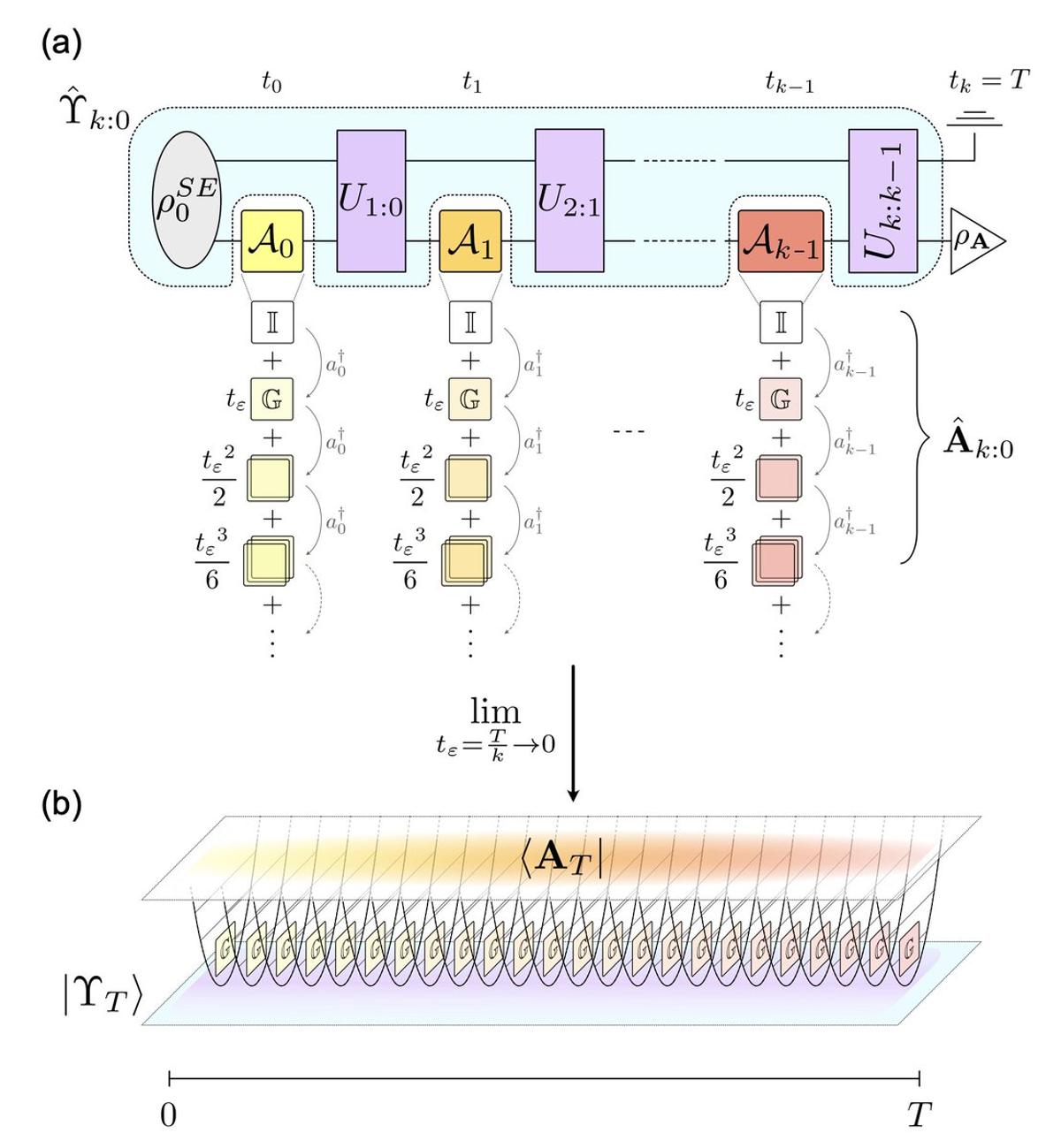
Quantum Combs Extended to Continuous‑time Field Limit
Formalising an operational continuum limit of quantum combs Quantum combs or quantum process tensors naturally capture multitime processes in quantum mechanics. We bring such combs to the continuum limit, capturing quantum fields. https://t.co/Kof534d3He Concretely, quantum #combs are powerful conceptual tools for capturing multi-time...
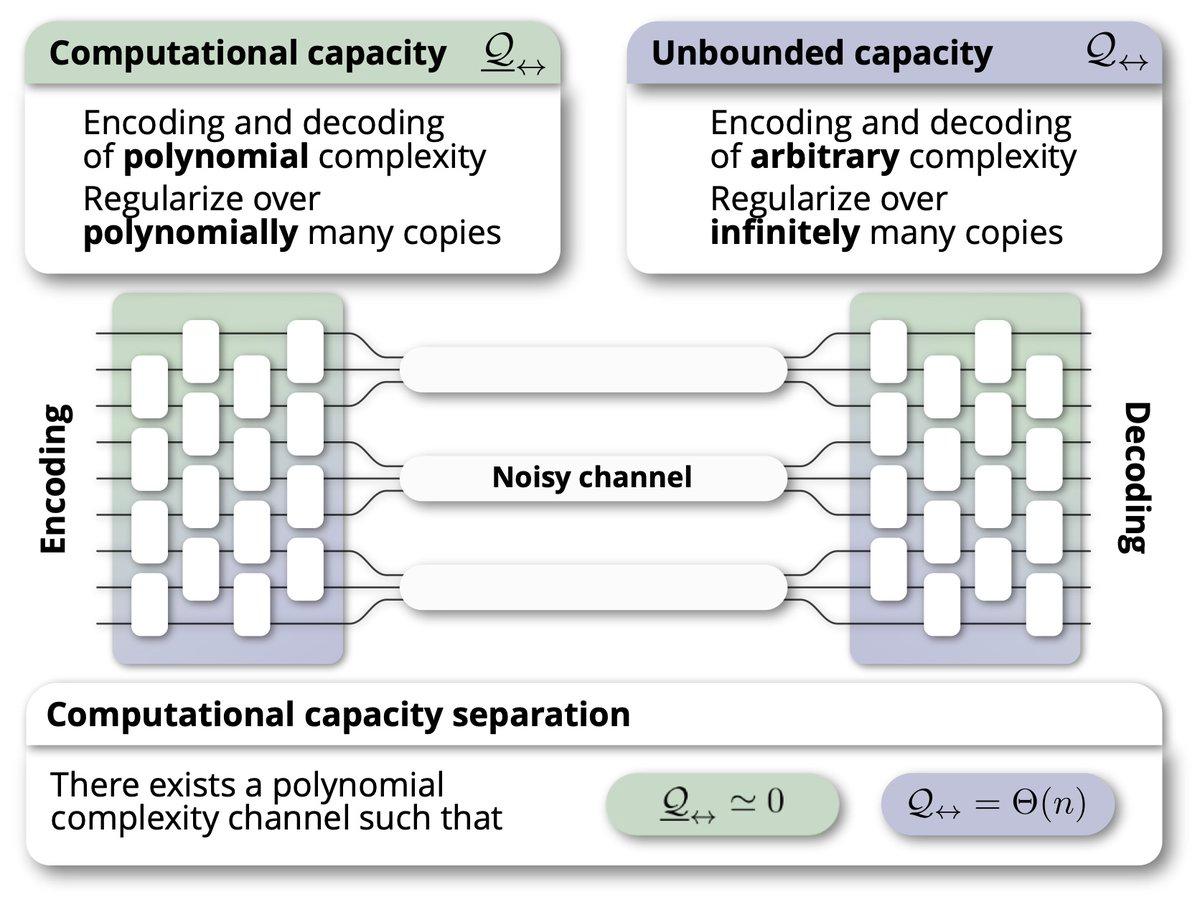
Efficient Decoding Redefines Quantum Channel Capacities, Reveals Separation
This is a paper I very much like, for its foundational and somewhat "rebellious" character: We show that notions channel capacities are strongly altered if one simply assumes that all operations one can implement are efficient. https://t.co/WAe4Et1SDy To the point, #quantumchannelcapacities are...
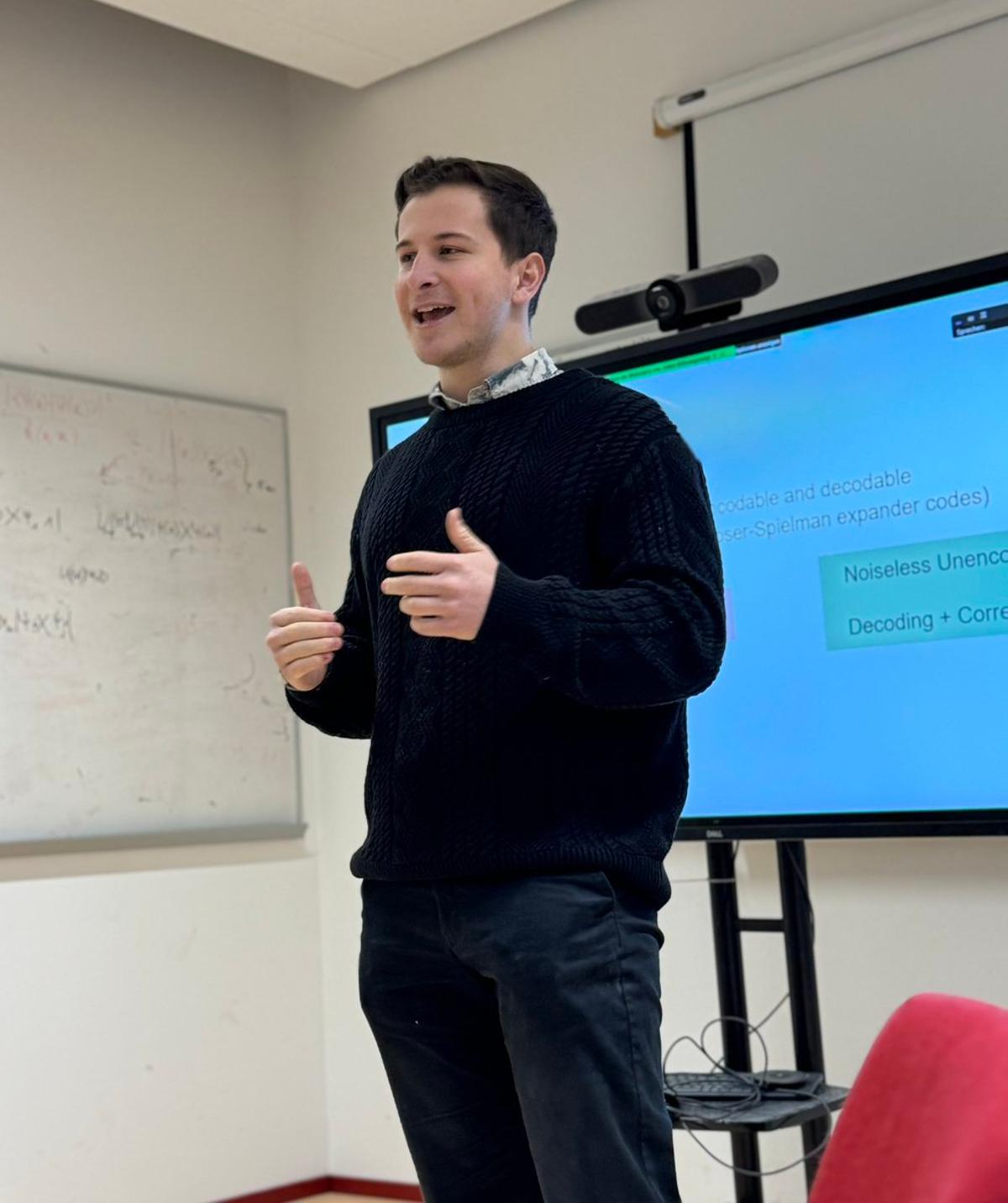
Adam Wills Joins to Explore Quantum Error Correction
What a pleasure to have @adam_wills1 visiting us for this week to discuss notions of #quantumerrorcorrection. https://t.co/07pCKcT4pv
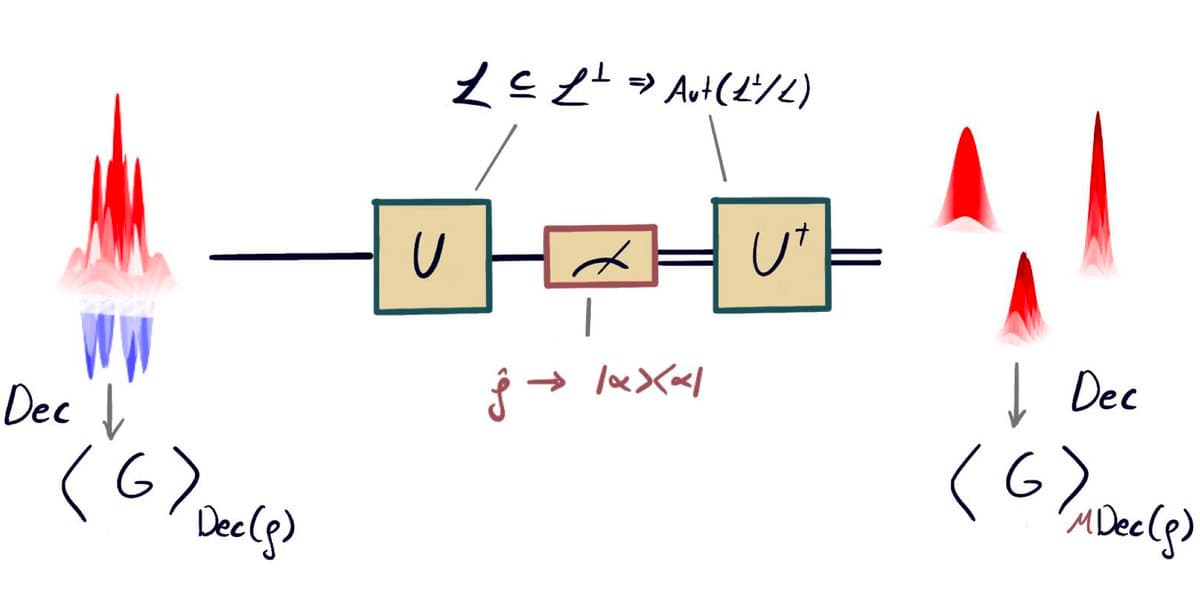
Shadow Tomography of GKP Logical Subsystems via Twirled Measurements
Chasing shadows with Gottesman-Kitaev-Preskill codes https://t.co/n2Ez7A6Ehz We explore a research question at the intersection of #quantumerrorcorrection and #quantumlearningtheory. Concretely, we consider the task of performing shadow tomography of a logical subsystem defined via the Gottesman-Kitaev-Preskill (#GKP) error correcting code. Our protocol does...

Deep Dialogue on Quantum Futures and Science Outreach
It has been a great pleasure—and both fun and insightful—to speak with Thomas Ramge about the future of quantum technologies, broader aspects of science and technology, and what makes science so exciting in the first place. I especially appreciate the...