
Doctors Hide Common CMV Risk From Pregnant Women
A mother asked her OB how she had never heard of the most common congenital infection in America. He told her women would not want to worry about one more thing. That instinct has a name in medicine. Benevolent deception. The decision that a competent adult is better off not knowing something, made for her, without her. The infection is CMV, cytomegalovirus. It is a leading cause of birth defects in the United States. It affects one in two hundred babies. Toxoplasmosis, the cat-litter warning every pregnant woman receives, affects one in ten thousand. We warn about the rare one and stay quiet about the common one. In study after study, ninety percent of women have never heard of CMV. The major obstetrics body still does not recommend routinely discussing it, reasoning that the prevention steps are impractical. Those steps: do not share a toddler's spoon or toothbrush during pregnancy, do not finish their food, kiss them on the head instead of the lips. When the same women are surveyed, ninety percent say they would want to know. Here is why the silence has a cost beyond the abstract. CMV in a newborn can be treated, but only inside a narrow window. The diagnosis has to be made in the first month of life, and the antiviral has to start in that same month, or it no longer counts as congenital infection. Miss the window and a treatable cause of progressive hearing loss and brain injury simply goes untreated. By the available estimates, fewer than one in ten babies born with CMV is ever diagnosed at all. So the chain runs like this. Mothers are not told. Symptomatic newborns are not flagged. The treatment window closes. And it traces back to a decision that a competent adult did not need a piece of information. Writer Megan Nix, whose daughter was born with congenital CMV, is not arguing for screening every pregnant woman. She agrees with not doing that. Her argument is narrower and harder to dismiss. It is unethical to withhold information from an adult who has said, clearly and repeatedly, that she wants it. The fix is not a new test. It is a conversation that already should be happening. Listen to the full conversation on The Podcast by KevinMD. Link in the replies. What is one thing your clinicians never told you that you wish they had? #CMV #ThePodcastbyKevinMD

Renowned Cardiologist Exposes Longevity Industry’s Empty Promises
A bestselling cardiologist just took apart the longevity industry by name, and he started with the supplement in your kitchen. Eric Topol, MD has spent his career in medical research. His new book "Super Agers" carries over 1,800 citations. He...
IBS Often Rooted in SIBO From Food Poisoning
For decades, medicine treated irritable bowel syndrome as a stress disease. Mark Pimentel, MD, a gastroenterologist, says about 60 percent of it is something else entirely. It's small intestinal bacterial overgrowth, or SIBO. The wrong bacteria colonize the small intestine,...

Legal Energy Shots Containing Kratom Trigger Opioid Dependence
These are sold at gas stations and vape shops. They are labeled as energy and focus aids. And many of them contain compounds that act on the same receptors as opioids. That is legal, by the way. The FDA chose...
Doctors Miss Celiac When Symptoms Aren’t Textbook
A healthy 19 year old lost 40 pounds and could barely think. Every doctor said it was anxiety. She diagnosed herself off a video, asked to be tested, and was told she probably did not have it because she had...
When Doctors Deny Death, Patients Lose Precious Time
A second member of the care team had already said it was terminal and recommended hospice. The oncologist overruled that. He told a woman with stage four cancer in both lungs, with her daughters in the room, that a miracle...

DOT's Limited Allergy Ruling Creates Unfair Disability Hierarchy
The Department of Transportation just affirmed food allergy as a disability under the Air Carrier Access Act. Then it restricted pre-board protection to peanut and tree-nut allergies only. That is a structural error. The ruling extrapolated from the specific characteristics...
Chronic Sympathetic Overdrive Drives Most Unexplained Symptoms
A radiologist with paresthesias, migraines, vertigo, tinnitus, reflux, and bleeding gums saw five specialists. Every lab and every scan came back negative. Every specialist gave her a different medication. None of them were trained to name what was actually wrong. ...
Medicare Underpays Office Procedures, Driving Private Practice Decline
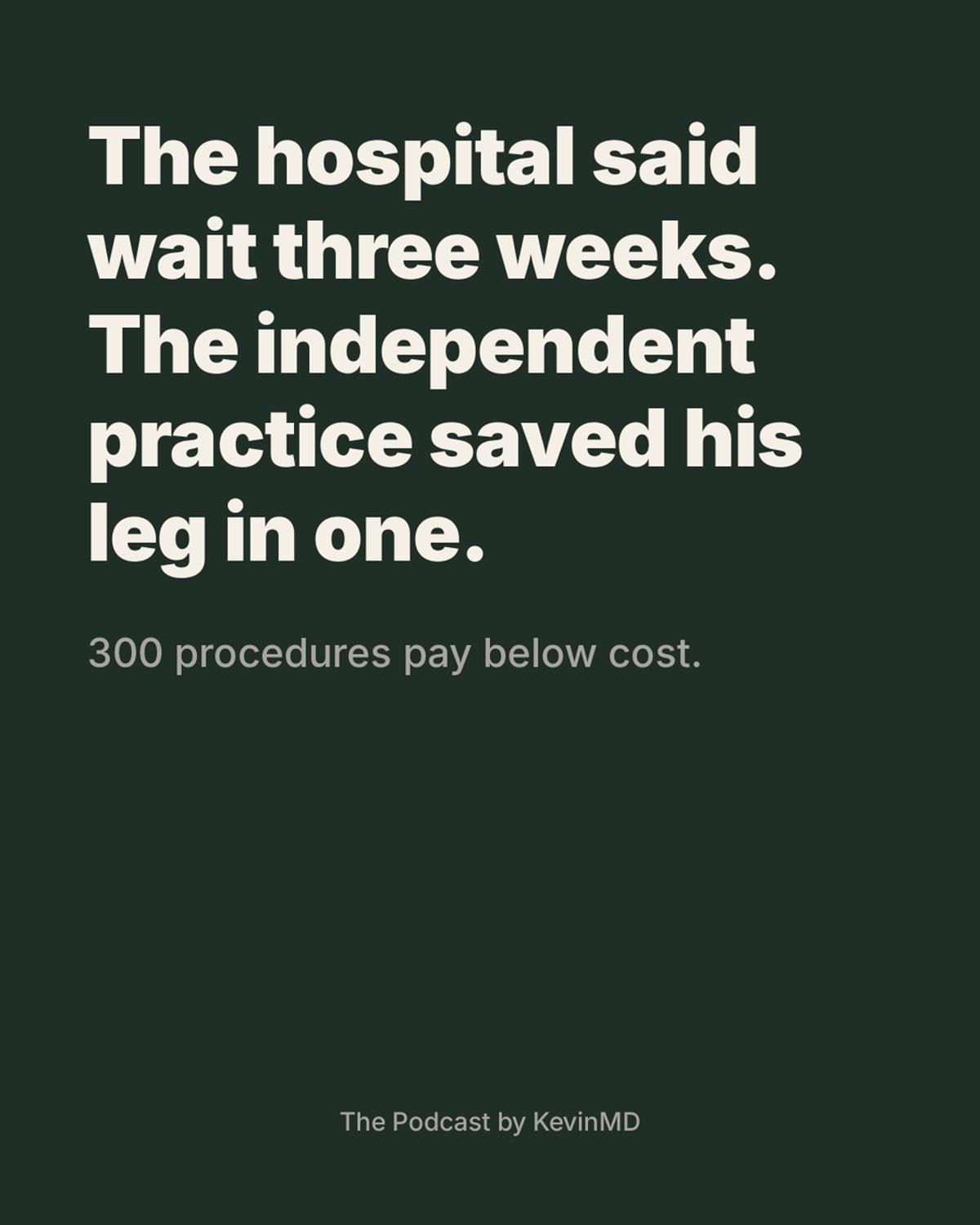
A farm worker with gangrene got the ultrasound, the procedure, and a saved leg in a week. The hospital system that turned him away told him to wait three weeks just to be seen. Interventional radiologist Saravanan Kasthuri runs the...

Vertical Integration Hijacks Search Rankings, Controls Patient Flow
A practicing psychiatrist Googled her own name and was the 452nd result. The first seven clinics that came up were not hers. The clinic ranked first had no clinical staff she had ever met. This is vertical integration in U.S....
Consider Hernia First in Women’s Chronic Pelvic Pain
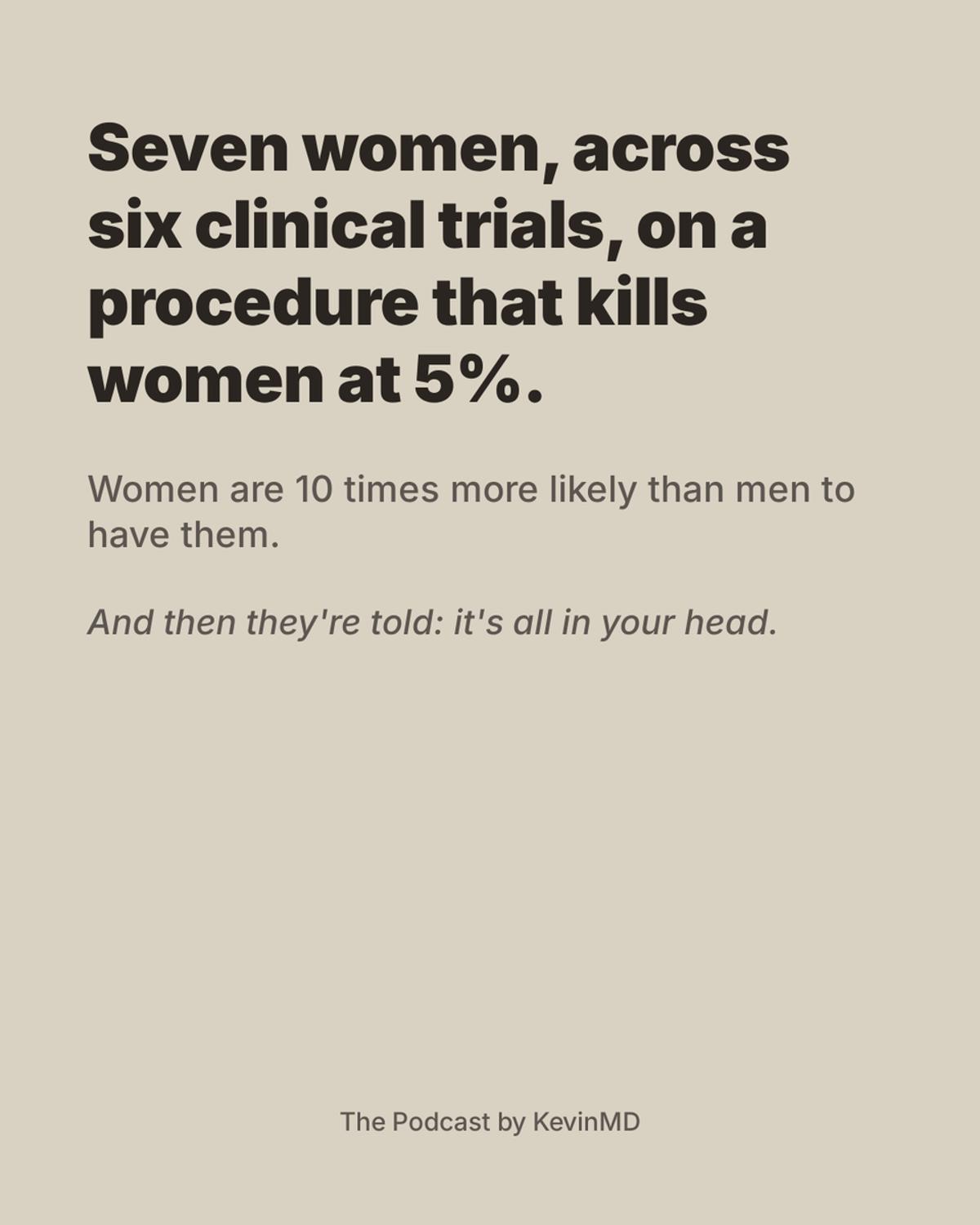
Femoral hernias kill 5% of the women who get them. Women are 10 times more likely than men to have them. Six randomized trials have enrolled seven women total. That is the actual research foundation behind how we manage one...
Corporate Profit Trumps Patient Safety, Clinicians Pay the Price
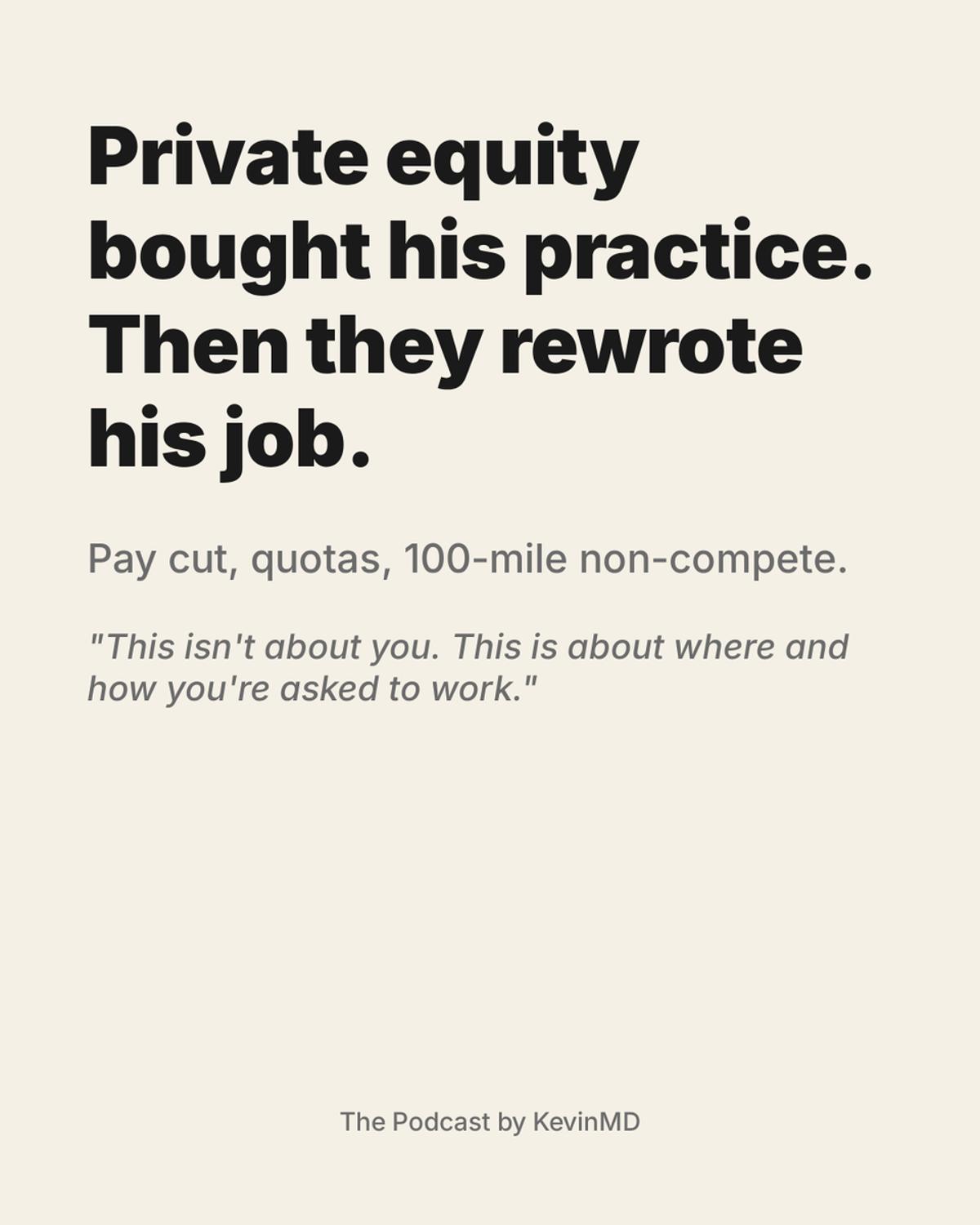
An ER physician in Missouri spent three years warning his private-equity employer that the staffing plan was unsafe. A patient died. He got louder. They fired him. He sued for wrongful termination and won. He won again on appeal. This...

Primary Care Lacks Mental Health Training, Fueling Deaths
Primary care doctors handle 75 percent of all mental health care in this country. They receive 2 percent of their total training in it. That is not a resource gap. It is a curriculum failure that has not changed in...
Women Doctors Burdened by Unpaid Inbox and Billing Tasks
Women physicians do not have a productivity problem. They have a billing problem and an inbox problem. In an equal-staffed family medicine practice, women physicians received 26 percent more messages from patients than their male colleagues. The staff sent women...

Postpartum Deaths Surge: U.S. Lacks Home Care Support
60 percent of maternal deaths happen after a woman gives birth. The U.S. system sends mothers home from delivery and schedules the next appointment six weeks later. In those six weeks, a mother manages a healing body, a newborn, often...