
Insurers Push Rural Patients Into Unsafe Off‑Site Chemo
A private insurer just decided that a cancer patient could not have her chemotherapy in the cancer center. She walked away from treatment entirely. This is the rollout most clinicians have not noticed yet, and it is starting in rural America by design. Banu Symington has practiced hematology-oncology in highly rural settings for more than 20 years. In May, at a state oncology meeting, the room was told three things were "coming down the pike": white bagging, brown bagging, and off-site infusions. They were framed as remote possibilities. Within a week, two of her insurance carriers sent her letters. They would no longer reimburse chemotherapy delivered inside the cancer center. She was to write orders sending her patients to an independent infusion suite owned by a community pharmacist, staffed only by nurses, with no oncologist on the floor, no nurse practitioner trained to manage an infusion reaction, no ER down the hall, no code blue team in the building. Infusion reactions can occur at any cycle, not just the first. She appealed. The insurer denied the appeal. Her hospital's finance manager offered to match the off-site price so the chemotherapy could remain in a setting where a physician could intervene. The insurer refused to negotiate. One of her patients withdrew from chemotherapy entirely. She would not go off-site, and she could not pay out of pocket. So the treatment ended. The strategy is rural-first by design. Fewer rural physicians, fewer rural patients, less organized resistance. Once it scales there, urban centers are next. Medicare is not doing this. Private insurance is. Medicare Advantage, which is private insurance administering Medicare, is beginning to. Save the framework, three rollout vectors to watch in your market: 1. Off-site infusion mandates: chemotherapy moved out of the cancer center to an unsupervised, for-profit suite 2. White bagging: drugs shipped to the hospital pharmacy with no margin retained, eroding the only line that keeps rural cancer centers solvent 3. Brown bagging: cytotoxic drugs shipped directly to the patient's home, then carried in, with no chain-of-custody guarantee on temperature or handling Cancer centers do not break even on Medicare or Medicaid. The small margin on privately insured patients is what keeps them open. Strip that margin and the centers close. The patients then drive further, or stop. Listen to the full conversation on The Podcast by KevinMD. Link in the replies. What is the first vector you have already seen land in your market? #PatientAdvocacy #ThePodcastbyKevinMD
Speak Up on Safety, Expect Retaliation and Gaslighting
If you speak up about patient safety in a corporate healthcare system, you will be retaliated against. Plan accordingly. Pediatrician Dr. Karla Lester resigned from a children's hospital three and a half years ago, on her attorney's directive, effective immediately....
Missing the Obvious: Ask the Right Questions in ICU
A woman walked into a hospital able to give her own history. She did not walk out. Nobody asked the right question for eighteen hours. The procedure was an NG tube under anesthesia. The complication was a tear in the...
Policy-Driven Pay Gaps Push Doctors Into Hospitals, Lengthening Wait Times
Fifteen years ago, 75 percent of US physicians were in private practice. Today, around 25 percent are. That is not market evolution. That is a policy outcome. Hospitals are paid 2 to 3 times more than independent practices for the same office...
When Doctors Stall, Patients Self‑Prescribe Online
A doctor found out he had an ascending aortic aneurysm because his cardiologist mentioned it in passing. Then, when he asked for a beta blocker through the patient portal, the answer he got back was "he isn't comfortable." He asked...
Voluntary Certification Becomes Unavoidable Gatekeeper in Medicine
A classic episode, republished in memory of Dr. Manny Konstantakos, an orthopedic surgeon and longtime advocate for physician choice in board certification, who passed away suddenly in 2023. Maintenance of Certification is voluntary. Hospitals will not credential you without it. Insurers...
Repeat Visits Signal Missed Diagnoses, Not Anxiety
The patient who keeps coming back is the patient you have not figured out yet. A pediatrician in her forties learned that the hard way. She walked into the ER with blood pressures in the 200s and was told anyone...

A $20B Aesthetics Boom Hides Dangerous Unlicensed Injectors
The aesthetics industry is now a 20 billion dollar business. Roughly the size of the NFL. Almost no one is checking who is holding the needle. Last year, people in 11 states ended up in the hospital from fake Botox...

Residency's “Resilience” Is Silent Suffering, Not Strength
The resilience medicine asks of you is not resilience. It is the absence of any structure that would let you be a person about what just happened. A hospitalist on the podcast this week ran two codes at the same...
Insurance Delays Cost Lives; Insurers Remain Unaccountable
A 47-year-old woman asked for an MRI. By the time her insurance company let her have one, the cancer in her hip was too far gone to save her leg. Her doctor had done the X-ray. Examined her. Sent her...
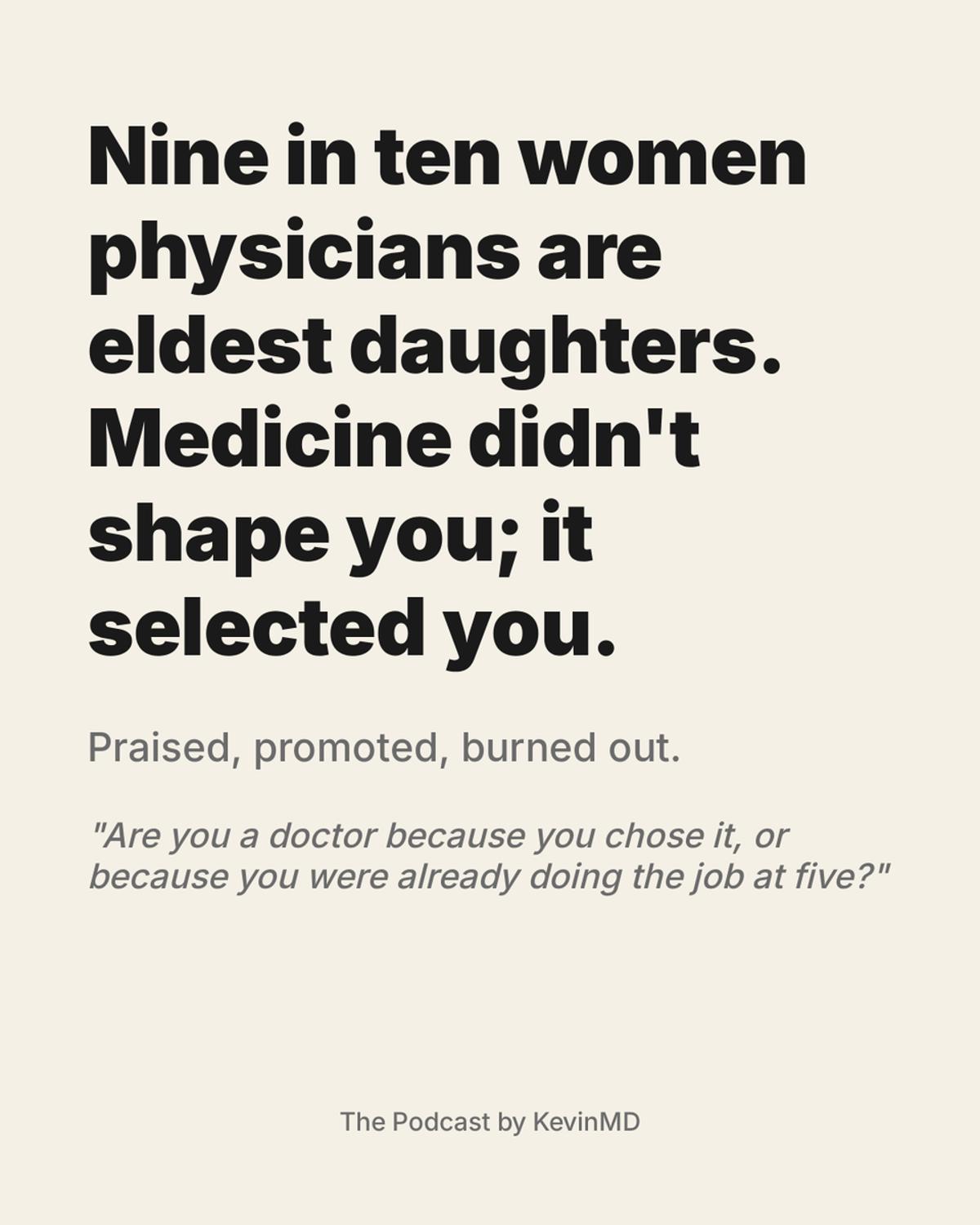
Eldest Daughters Become Doctors, Pre‑trained for Burnout
85 to 90 percent of women physicians are eldest daughters. That is not a coincidence. That is a pipeline. Eldest daughters are trained, before age five, to over-function. They take on a parent's worry. They organize the family. They clean...
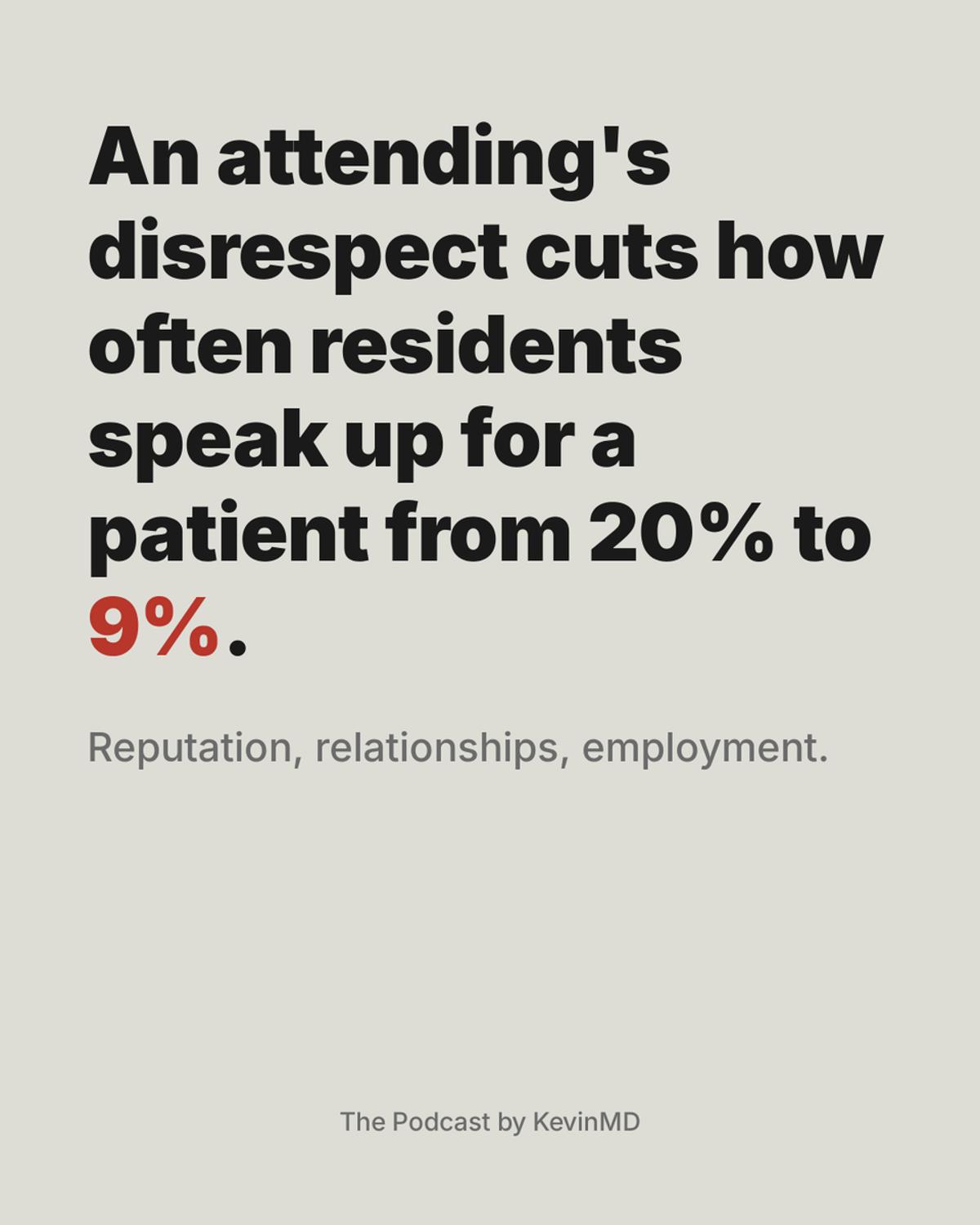
Disrespectful Attendings Silence Residents, Undermining Patient Safety
Only 9% of residents will challenge an attending about to harm a patient, if that attending has been disrespectful to them before. When the attending is respectful and patient harm is the only variable, around 20% of residents will speak...
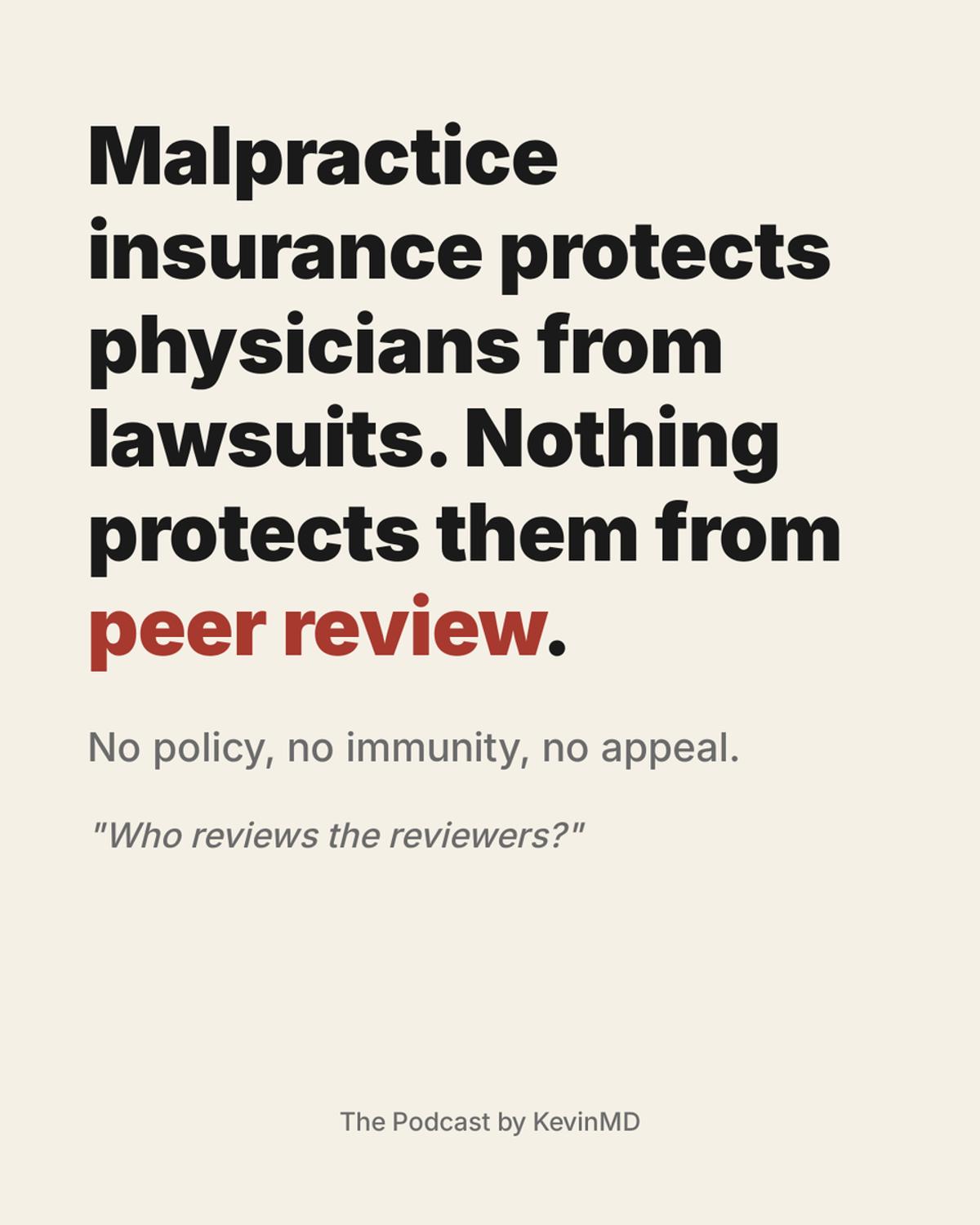
Peer Review Immunity Leaves Vulnerable Doctors Unprotected
You can buy malpractice insurance against a patient who thinks you harmed them. There is no insurance product, anywhere, that covers a physician against a peer who decides you are in the way. Up to 10 percent of peer reviews...
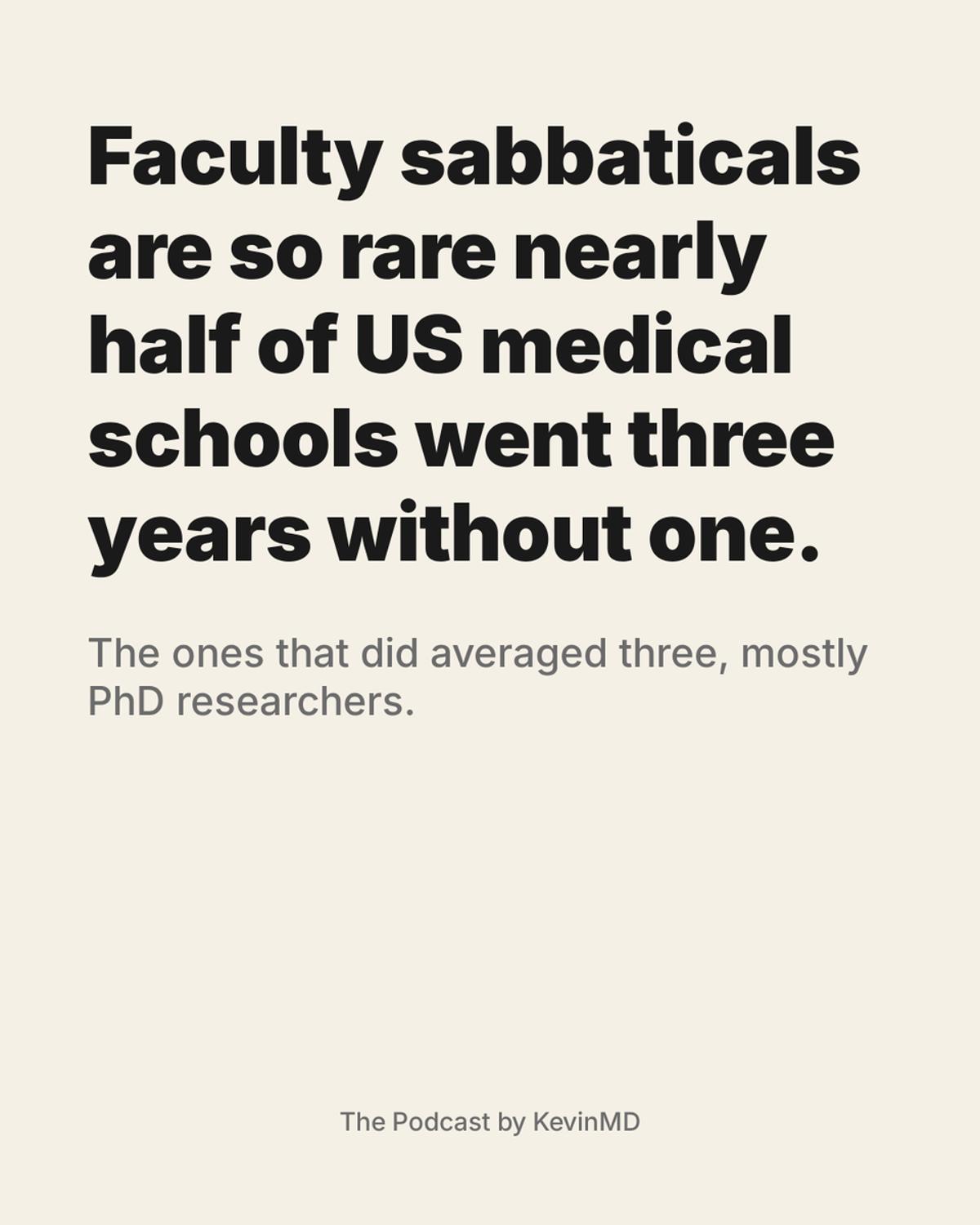
Clinician Sabbaticals: Rare, Reserved, and Hard‑Earned
A palliative care physician asked her institution for a three-month sabbatical. They told her to come back in 10 years. So she resigned her full-time job to take the time anyway, then negotiated a part-time return. She had to dismantle...
Lithium Interaction Poses Major Seizure Risk with Psilocybin
Most physicians were never taught psilocybin in medical school. Their patients in three states can now legally access it. Oregon's program has been operating since summer 2023. Colorado's healing centers came online in 2025. New Mexico passed its Medical Psilocybin...
Physicians Unwittingly Donate Year‑Long Unpaid Labor
A pediatrician added up the hours she had donated to her medical school as a volunteer clinical professor. Over 2,000. That is more than a full year of full-time work. Donated. While running clinic, holding leadership roles, and raising three...
Awake Colonoscopy Reveals Unbearable Pain at Flexures
A 69-year-old family physician walked into his colleague's endoscopy suite and asked for a colonoscopy with zero medication. No Versed. No Demerol. No Propofol. He stayed awake for the entire procedure and described what he felt at each anatomic landmark. ...

Family Values Can Seed Physician Burnout Before Practice
Physician burnout is often inherited before it is experienced. Amna Shabbir, MD, an internal medicine physician and geriatrician, traces her own burnout not to medical school, residency, or the pandemic, but to the year she was born. Her mother was...
Outdated Screening Policy Ignoring Pancreatic Cancer Racial Disparities
The third leading cause of cancer death in America has a D-rated screening recommendation. That is the official position: do not screen. Anyone. Ever. Pancreatic cancer kills 40,000 to 50,000 Americans every year. The five-year survival rate is just over...
Start Lifestyle Changes With GLP‑1, Not After Stopping
The GLP-1 weight regain studies everyone is citing have a quiet design flaw: in a lot of those trials, patients were put on a rigid reduced-calorie plan while on the drug, then told to keep following that same rigid plan...
Medical Gaslighting Isn't Malicious, But It Kills
Most medical gaslighting is not malicious. That is what makes it dangerous. Carolyn Larkin Taylor, a neurologist of 30 years, lived the textbook case. She had been seeing the same gynecologist for two decades. Postmenopausal bleeding that would not resolve....
ER Doctors Question Band‑Aid Role Amid Systemic Failure
An ER physician with 35 years of experience said it out loud: "Have I been part of the problem rather than part of the solution? Have I just been a band-aid?" That is Kenneth Ro, and it is the quiet...
Anti‑vax Rhetoric Masks Ableist Message About Disabled Lives
Anti-vax rhetoric has a coded message nobody says out loud: that a disabled life is worse than a dead one. Ashna Shome, a pediatrics resident in the Bronx who lives with cerebral palsy, named this on The Podcast by KevinMD....
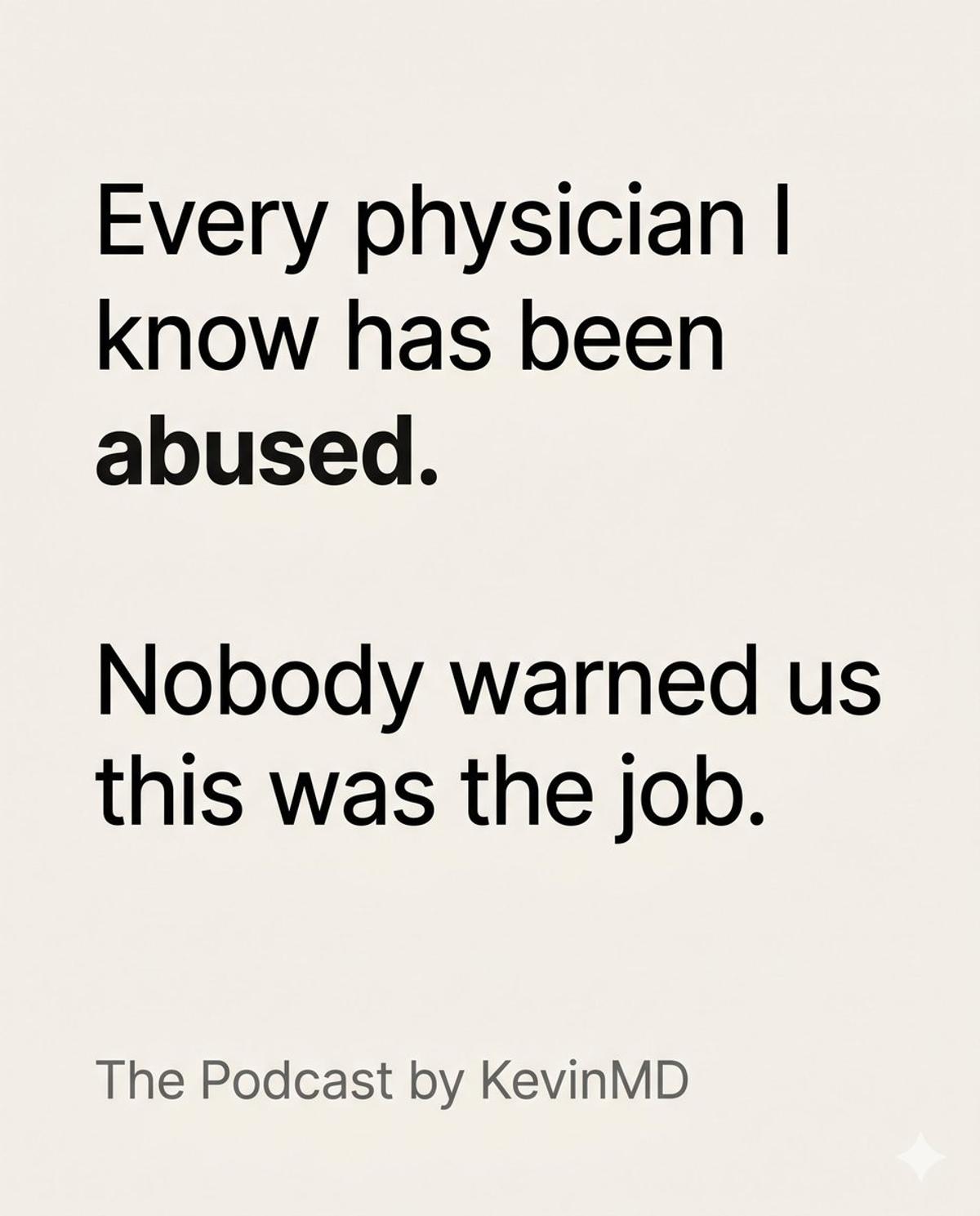
Deliberate, Calm Patients Cause Deeper Clinician Trauma
In psychiatry, the patient experiencing acute psychosis is almost never the one who breaks you. It is the calm, composed patient choosing to harm you who does the lasting damage. Devina Wadhwa, a psychiatrist, said something on the podcast that...
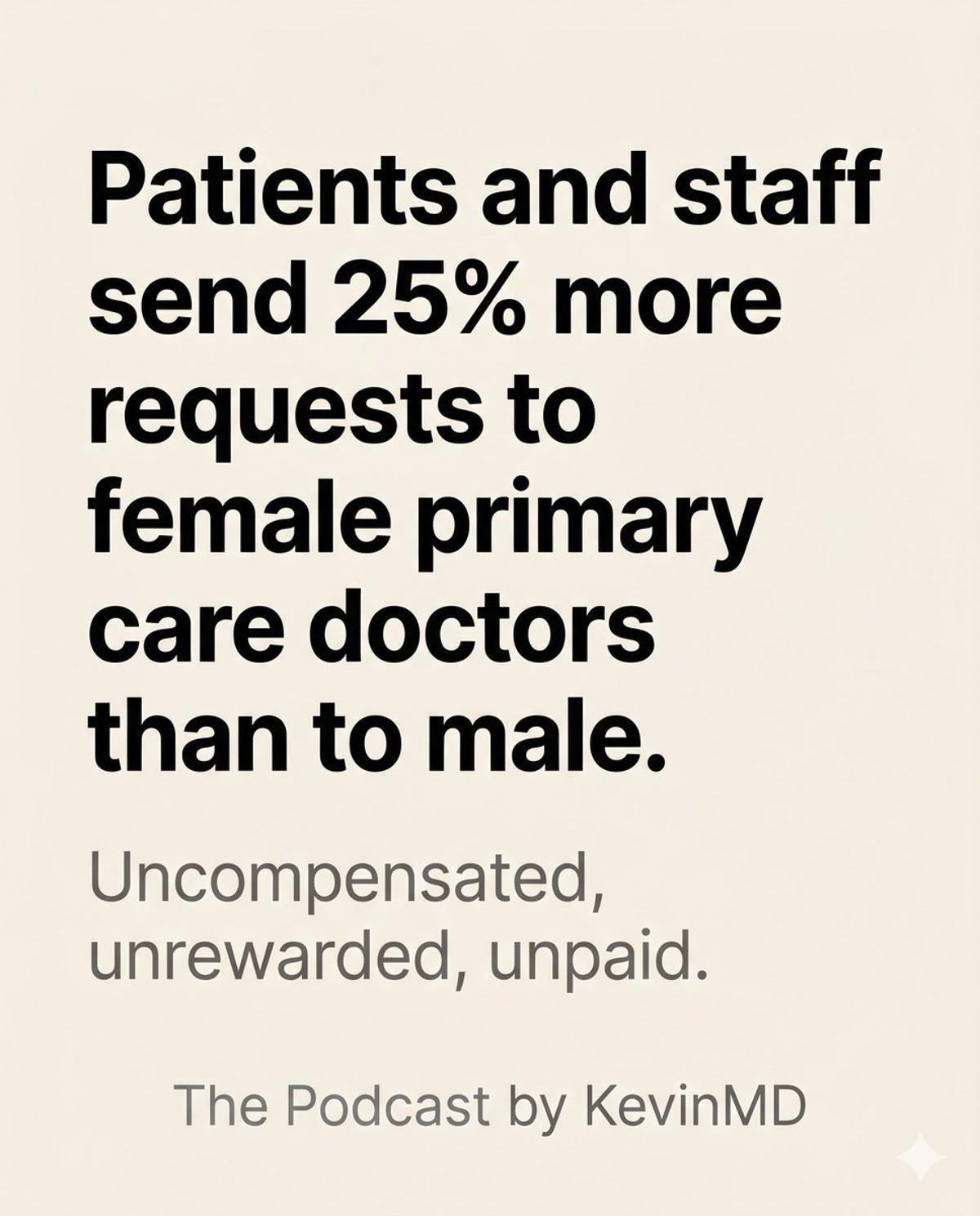
Female Doctors Deliver Better Care, Yet Face Unrewarded Burden
Female doctors get their patients better outcomes. Female doctors do not outlive their male colleagues. The trade is not an accident. Dr. Noemi Adame, board-certified pediatrician and founder of Culver Pediatric Center, sat with this on The Podcast by KevinMD. ...
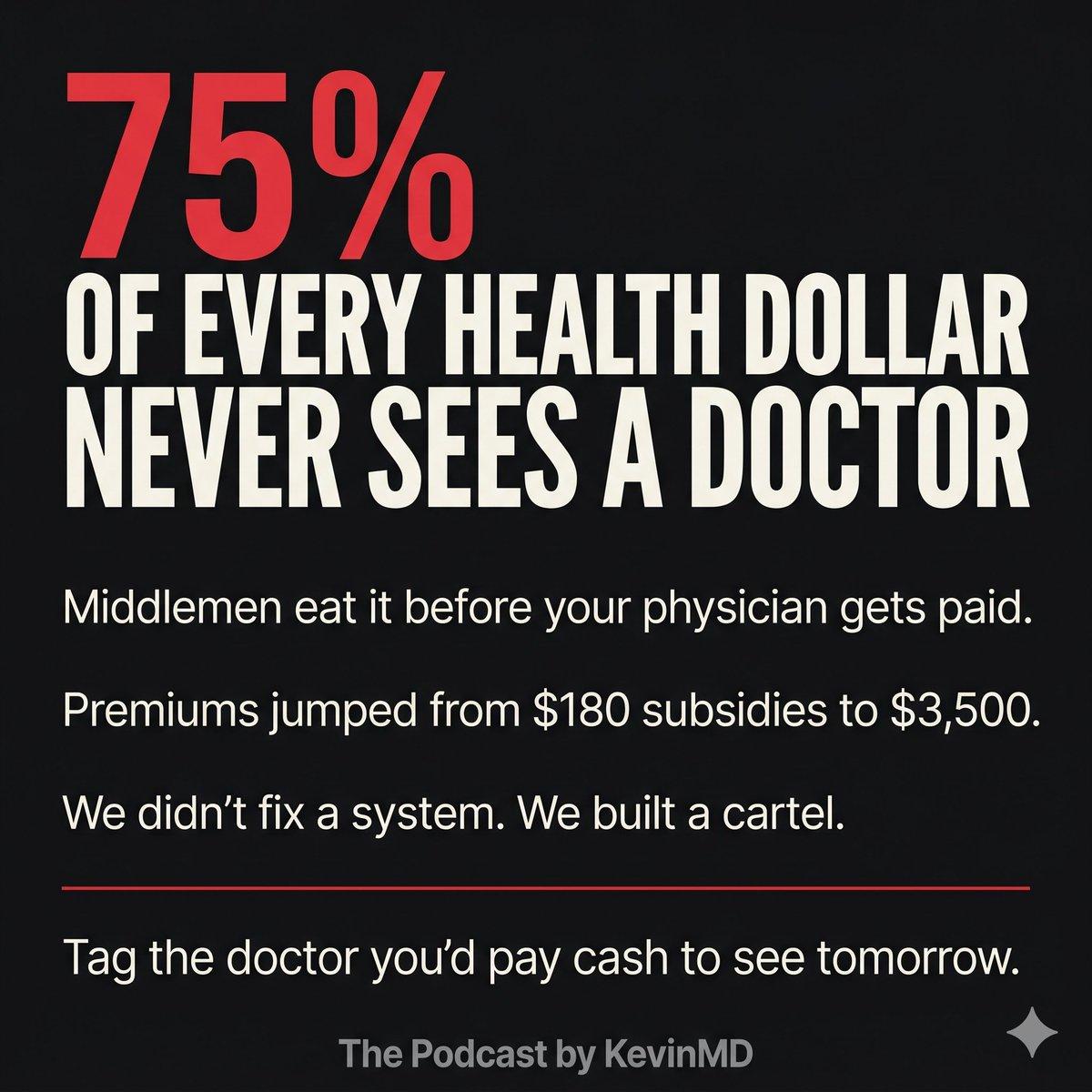
Subsidies Enrich Middlemen, Inflate Premiums, Close Clinics
The subsidy was never for your patients. It was for the middlemen. Paula Muto, vascular surgeon and founder of UBERDOC, lays out the healthcare math that explains why your Medicare Advantage patients are losing access, why your Medicaid reimbursement went...
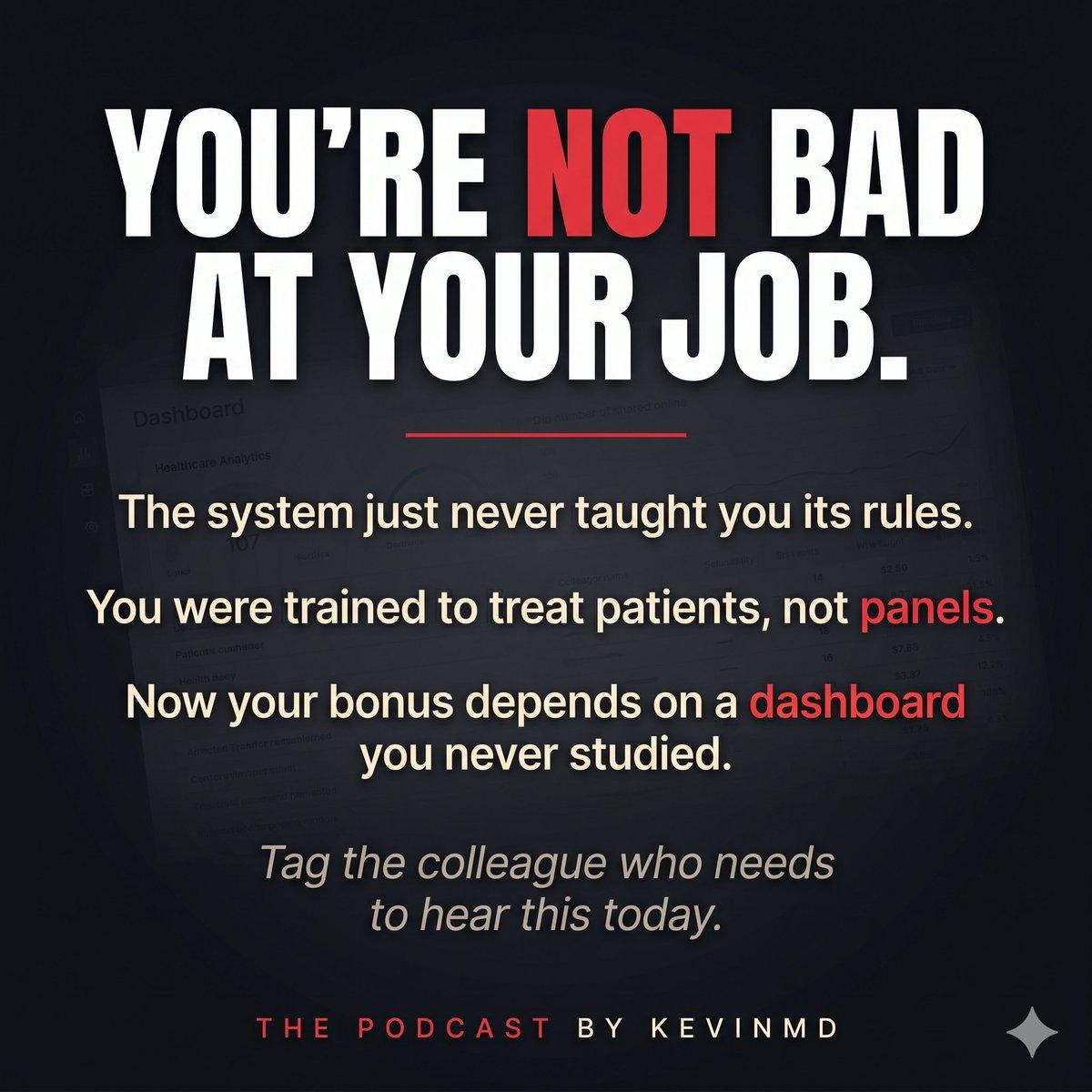
Clinicians Graded on Metrics They Never Learned
Your primary care clinician is being graded on a system they were never taught to navigate. Primary care physicians, PAs, and NPs are now compensated partly on quality dashboards. Mammogram rates. A1C control percentages. HCC coding accuracy. Colonoscopy completion. Almost...
Physicians' Two‑Year Tenure Reveals Systemic Design Flaw
Physicians who graduated in the past six years stay at their first job for about two years on average. They join for financial security. They leave because of culture and leadership. That pattern is not a failure of individual physicians....
Medical Debt Drives Suicide, Not Patient Non‑Compliance
Sixteen percent of suicides in the United States have medical debt as a contributing factor. We talk about patient non-compliance in medicine as if it is a behavioral problem. For a significant number of patients, it is a financial one....
Students Must Practice Moral Courage Now
Medical students know when something is wrong in clinical training. They're not lacking moral courage. They're experiencing moral isolation. Called "student one" instead of by name. Removed from roles because of their skin color. Managing food insecurity between rotations. And...

Ask What Relieves, Not What Inspires, When Burned Out
Burned-out doctors keep chasing "what's my passion?" Wrong question. Chelsea Turgeon says ask "what feels like relief?" Get to baseline first. The vision comes after you can breathe again. What gave you relief? #burnout #medtwitter https://t.co/Zlp0oqd7BR
High‑dose GLP‑1s Raise Optic Nerve Risk; Titrate Carefully
Patients are not asking if GLP-1s are right for them. They are asking how much you charge for tirzepatide. Shiv K. Goel breaks down what physicians need to know about oral Wegovy. Pharmacovigilance data: Wegovy carries nearly five times higher...
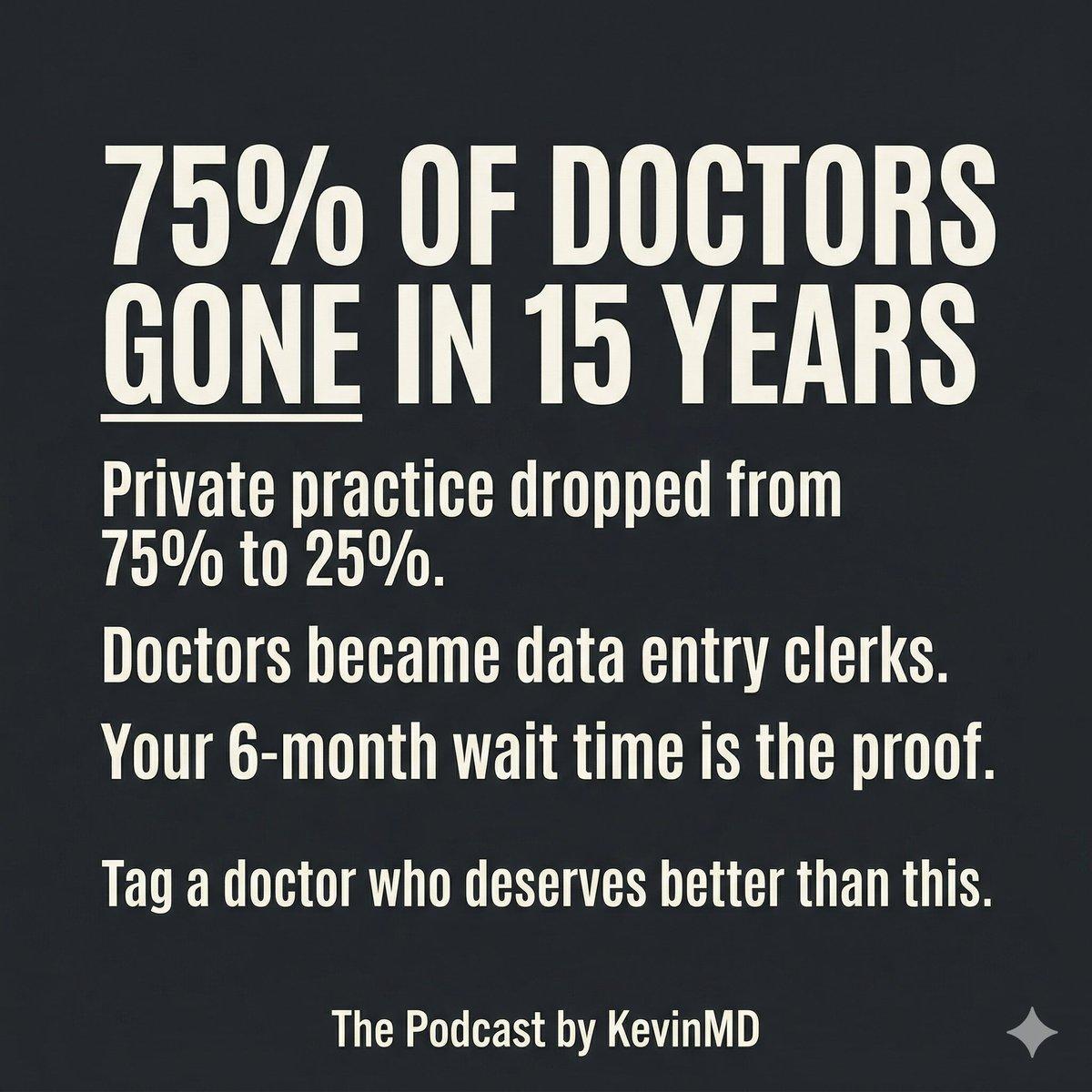
Reimbursement Gap Forces Doctors Out of Private Practice
Hospitals get paid two to three times more than a private practice office for the exact same visit. Then we wonder why 75 percent of doctors left independent practice. Neurologist Scott Tzorfas has run a solo practice for 30 years....
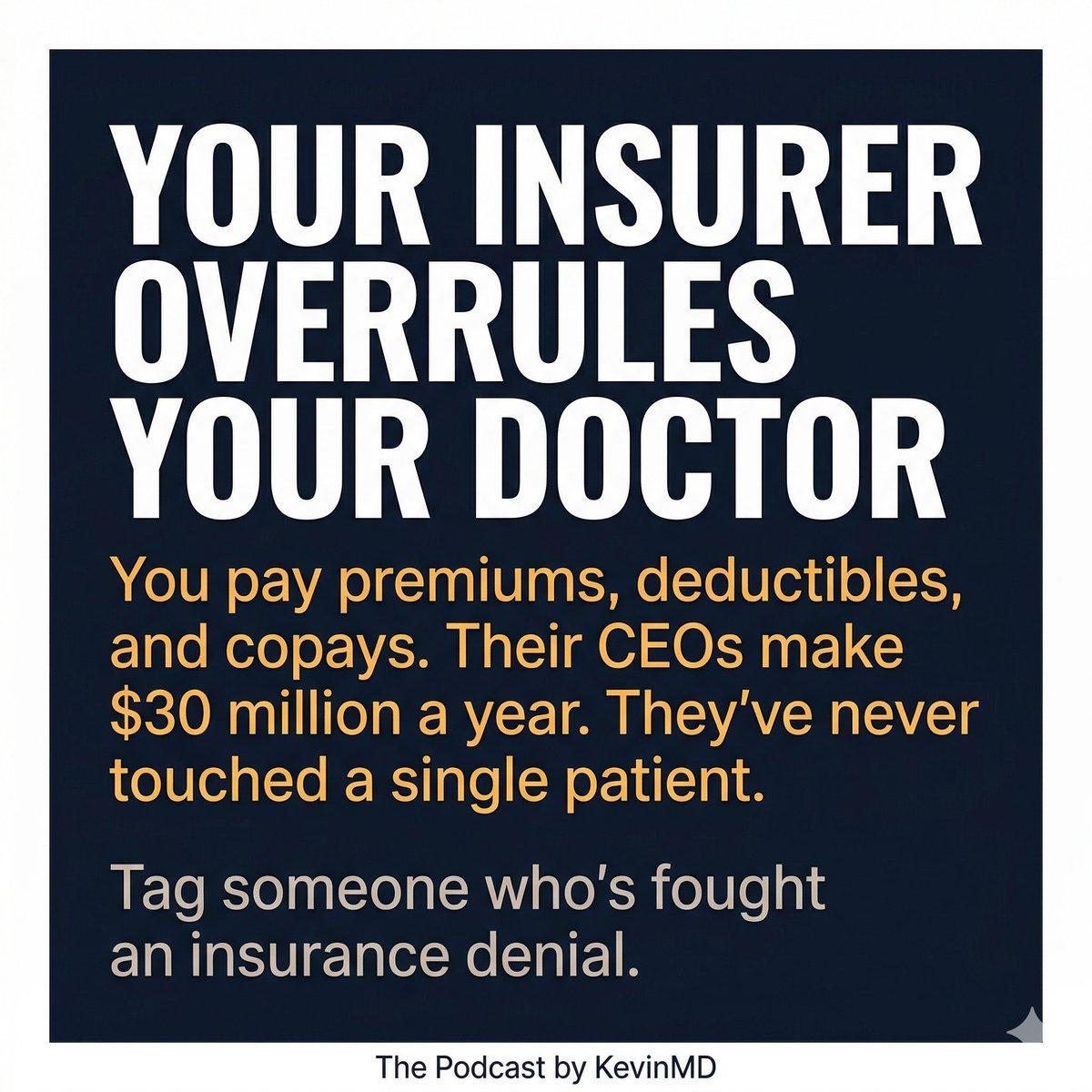
Clinicians Must Fight Back Against Broken Healthcare System
You spent years in training so you could justify a prescription to someone who has never seen a patient. Bettina Reed has practiced family medicine for 33 years. She watched the system go from a 45-dollar visit with no middleman...
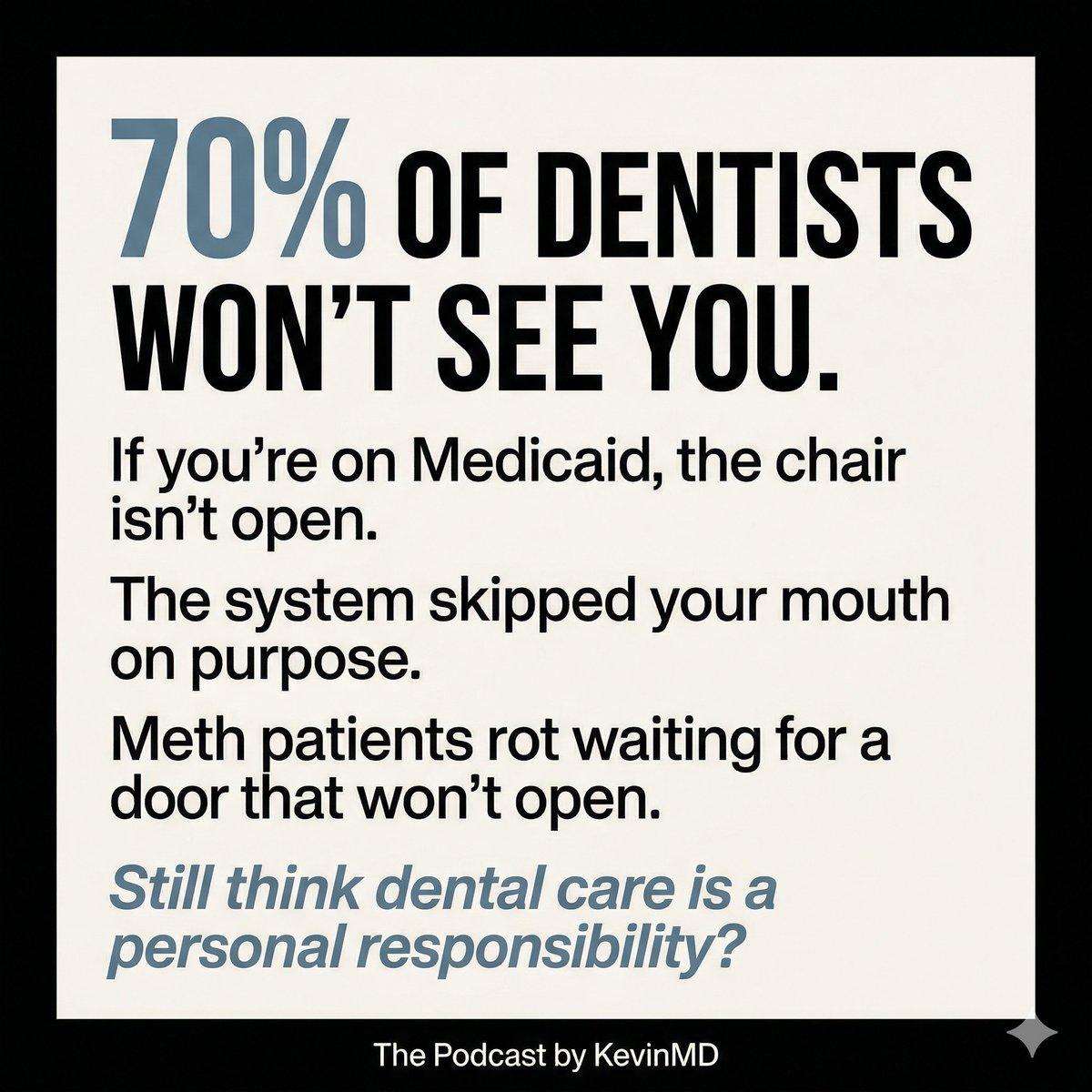
Meth Patients Face Dental Crisis Amid Medicaid Gaps
You check the heart, the lungs, the skin, the reflexes. Then you skip the mouth entirely. A dentist at a safety-net clinic in Massachusetts treated a patient who had been on methamphetamine for seven years. Every tooth decayed. Gums bleeding...

Speak Up Safely: Observe, Report, Protect Clinical Culture
No surgeon. No anesthesiologist. One physician. Packed ED. @jessicasinghmd stabilized a critically ill patient with blood in their airway. Shift ends. The incoming physician, also an administrator, says in front of staff: "I need you to function." She reported it....

Doctors Earn More Yet Feel Broke Due to Tax Ignorance
Physicians are expected to master complexity, but many finish training without anyone teaching them why a bigger paycheck can still feel financially tight. That is not a personal failure. It is a training gap. This episode of The Podcast by KevinMD gets at...

Winning Peer-to-Peer Calls Requires Speaking the Payer’s Language
Physicians are not losing many peer-to-peer calls because they are clinically wrong. They are losing because they are arguing care in a process that is judging criteria. That is the most important insight in this KevinMD article. On one side of the call...

Humanity and Excellence Thrive Together in Supportive Healthcare Cultures
If you work in medicine, you know the feeling of being asked to deliver more while the system quietly strips away the humanity required to do the job well. That is what makes this episode of The Podcast by KevinMD worth...

GLP‑1 Therapy Demands
If you prescribe GLP-1s, you are not just starting a medication. You are setting expectations for a chronic disease. That is the tension at the center of this episode of The Podcast by KevinMD with obesity medicine physician Jessica Duncan. One of...

Just Culture Turns Shame Into Safety After Harm
The culture of a hospital is revealed most clearly after a patient is harmed. Not when the case goes well. Not when the metrics look good. After the adverse event. In this episode of The Podcast by KevinMD, Scott Ellner @Surgeryquality describes what too...

When Protocols Override Reality: Absurd Medical Billing Errors
You spend years training to make complex clinical decisions, only to spend your days trapped inside a system that refuses to apply basic common sense. We have optimized healthcare for metrics, throughput, and standardized protocols. The goal was to eliminate individual...

Don't Let Trendy Peptides Replace Fundamental Patient Care
As a physician today, you are no longer just fighting Dr. Google. You are fighting an entire wellness culture that convinces patients a daily injection can outsmart chronic burnout and sleep deprivation. The modern patient encounter often begins with a specific...

Frontline Voices Unfiltered: Healing Healthcare Through Stories
The modern health care system cannot be fixed with more academic jargon or sterile clinical lectures. We have enough data. What we lack are the raw human stories behind the stethoscope. For too long, the diverse voices that actually make up our...

Choosing Not to Match: A Bold Path to Wellbeing
The hardest decision a medical student can make is choosing not to match. We are conditioned to believe the medical training pipeline is a one way street. You sacrifice your twenties, survive the clerkship years, match into a residency program, and...

Medical Training Ignores Self‑Care, Fuels Empathy Burnout
The heart oxygenates itself first. The first branches of the ascending aorta are the left and right coronary arteries. Yet the culture of medicine actively trains physicians to do the exact opposite. In a recent conversation on The Podcast by KevinMD, integrative...

Medicine’s Career Paths Aren’t Linear—Choose Autonomy with Locums
One of the most limiting ideas in medicine is that there is only one respectable way to build a career. This episode pushes back on that. Trevor Cabrera describes locum tenens as more than temporary coverage or a pay increase. In his...

Midlife Metabolism Shifts Demand New Weight‑Loss Strategies
A lot of midlife women are not failing weight loss advice. They are following advice that may be physiologically mismatched to this stage of life. In this episode of The Podcast by KevinMD, Marsha Shepherd Whitt challenges a message clinicians and patients...

Own Your Choices: Physicians Must Set Values‑Driven Boundaries
No one is going to come save you. That line is the center of this episode of The Podcast by KevinMD, and it lands because it names something many physicians feel but rarely say out loud. Hospice and palliative care physician Sarah...

Actionable Monitoring Beats Data Overload in Cardiac Care
Health care has become better at saving people once they are already in trouble. That does not mean we have become good at catching trouble early. This episode of The Podcast by KevinMD gets at a hard truth in cardiac care: we...