

Police Misconduct Changes Everything in Reckless Ben Case
The Utah police department unintentionally posted a 48 GB folder of body‑camera and dash‑camera recordings from a four‑day March incident involving YouTuber Benjamin Schneider, known as Reckless Ben. The files were labeled as a media kit, left unredacted, and were quickly mirrored on the Internet Archive after the department attempted to remove them. Schneider later told national television that the footage had been hacked, a claim contradicted by the department’s own admission that the upload was its own mistake. The unredacted footage shows officers debating possible felony charges—stalking, digital bullying, and usury—while also admitting they turned off Ben’s recording device. Redacted segments, originally explained as protecting a victim’s identity, actually conceal these internal discussions, suggesting selective editing rather than a simple privacy safeguard. The incident also includes a traffic stop allegedly extended to “scare” Ben, a search warrant based on a tip from an officer who knew the Airbnb host, and an arrest that resulted in only misdemeanor charges despite the earlier felony talk. Key moments include an officer’s on‑camera remark, “I was going to scare him a little,” directly violating the Supreme Court’s Rodriguez rule on stop duration, and the officer’s acknowledgment of shutting off the recording, implicating a breach of the First Amendment right to film police. The discrepancy between the felony language in the footage and the misdemeanor charges filed fuels a potential retaliation claim under Nieves, while the undisclosed relationship with the tipster raises a Franks‑type warrant challenge. Legally, the accidental public release strengthens the evidentiary weight of the video, removing chain‑of‑custody doubts and shielding Ben from computer‑fraud liability. It also opens multiple civil‑rights avenues: retaliation for filming, unlawful stop, and possibly a flawed warrant. For law‑enforcement agencies, the episode underscores the risks of careless data handling and the importance of transparent redaction practices.
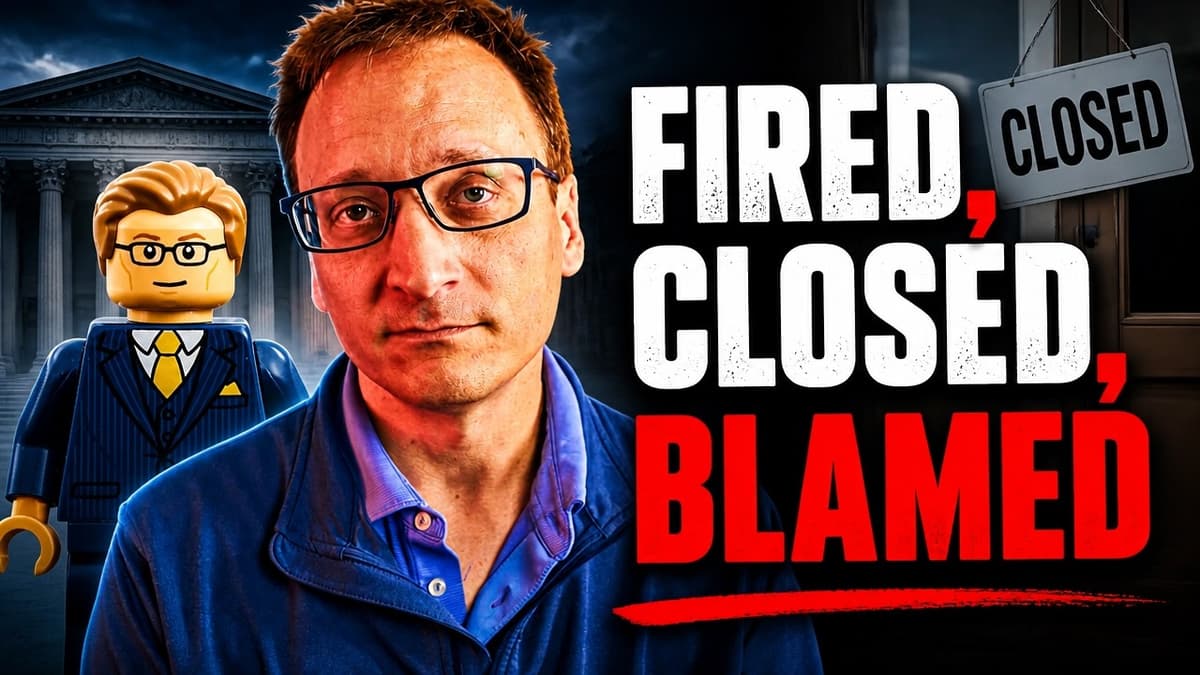
Fired, Closed, Blamed: What the Press Release Gave Away
The video dissects a June 4 press release from Bricks and Minifigs announcing the permanent closure of its Salem, Oregon store and the “mutual parting” of operators Brandon Best and Joshua Johnson. Crucially, the release characterizes the store’s management as “gross negligence,”...
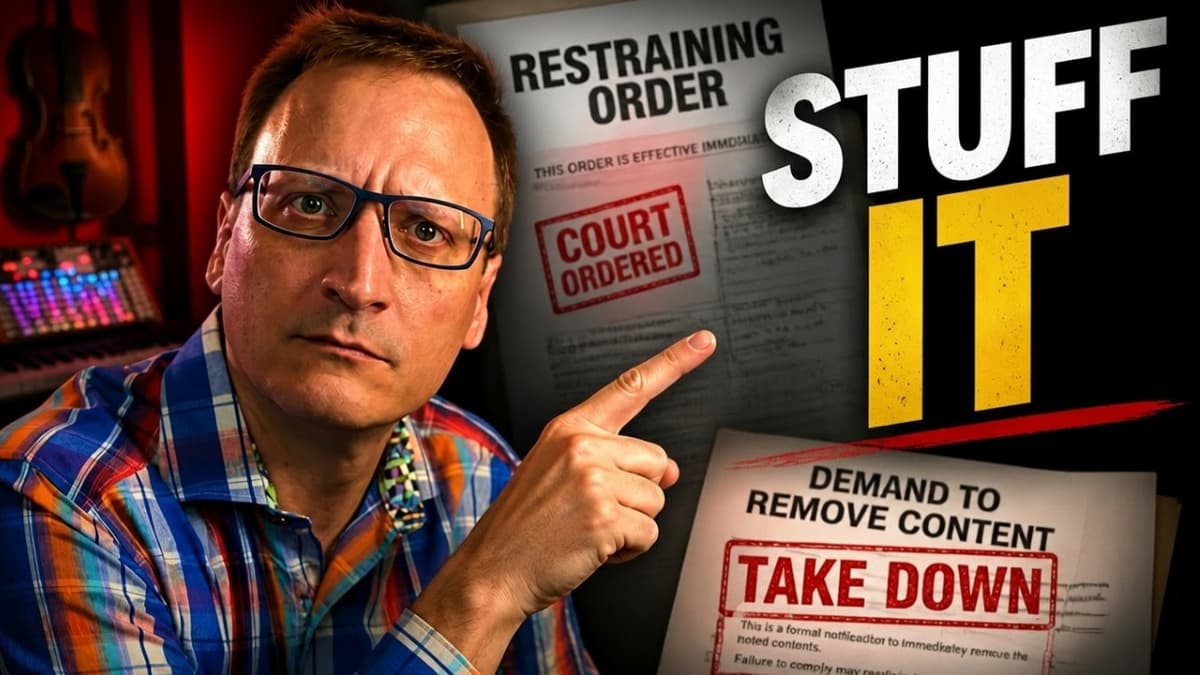
When a CEO Says 'Stuff It' To a Legal Threat
The video examines Patreon chief executive Jack Ki’s public refusal to obey a temporary restraining order that demanded the removal of a creator’s videos. Ki recorded himself holding the court documents and told the plaintiff company it could “stuff it,”...
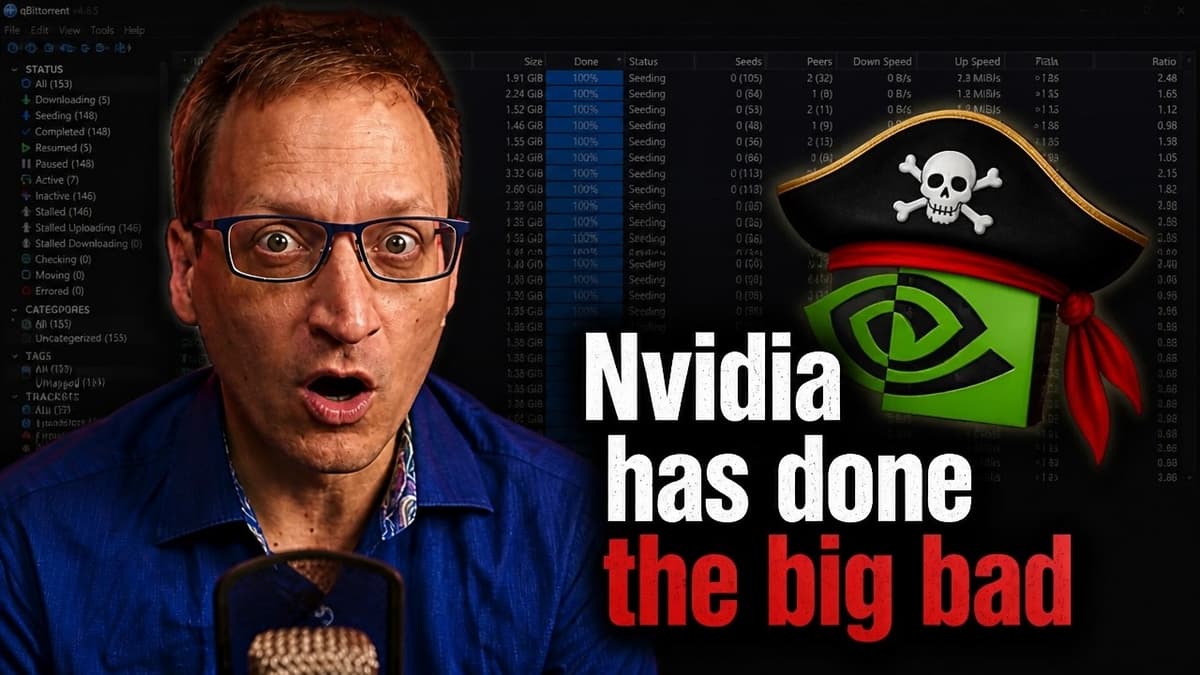
Nvidia Has Done the Big Bad
The video dissects a landmark copyright case in the Northern District of California where author‑plaintiffs sued Nvidia for training large language models on a corpus of pirated books. Judge John Tigar rejected Nvidia’s bid to dismiss the core allegations, allowing...
Epic Games Sues Google
The video outlines Epic Games’ antitrust lawsuit against Google after the tech giant removed Fortnite from the Play Store for violating its terms. Epic had embedded code to bypass Google’s 30% in‑app purchase fee, prompting the removal. A December 11 jury...
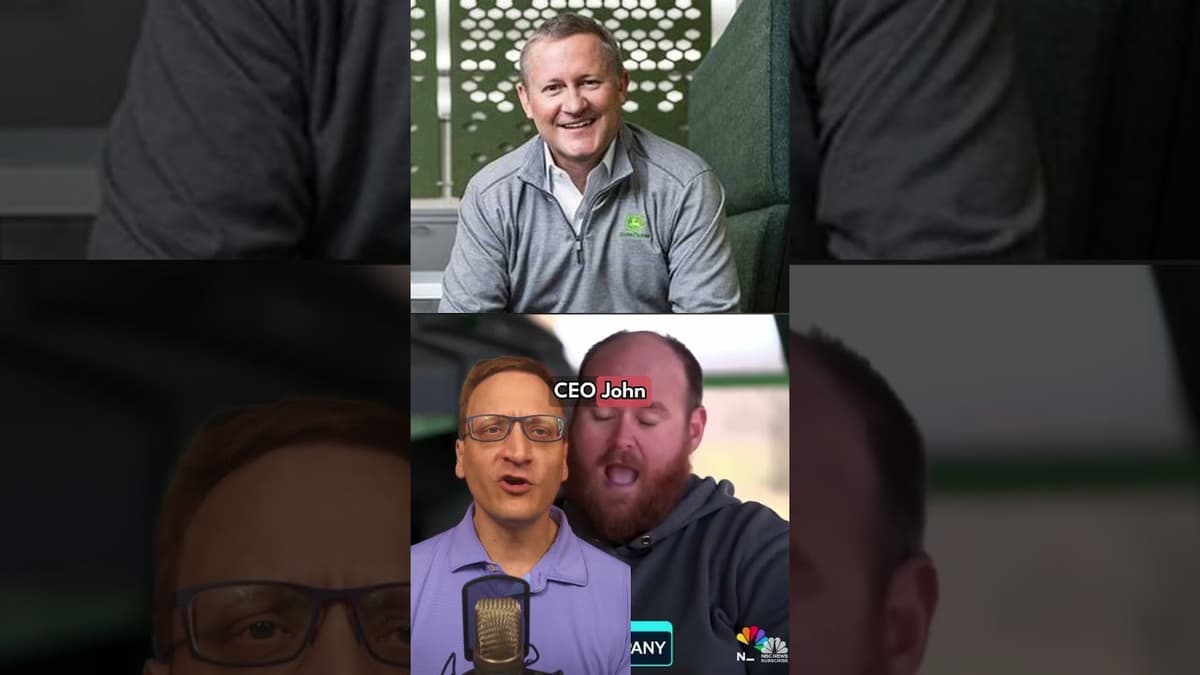
Lawful Masses Video 32 John Deere #johndeere #lawsuit
John Deere agreed to pay $99 million to settle a 2022 class‑action alleging it monopolized farm‑equipment repairs. The settlement is a drop in the bucket against the estimated $4.2 billion farmers lose annually to manufacturer‑imposed repair restrictions. Spread over roughly 200,000 affected growers,...
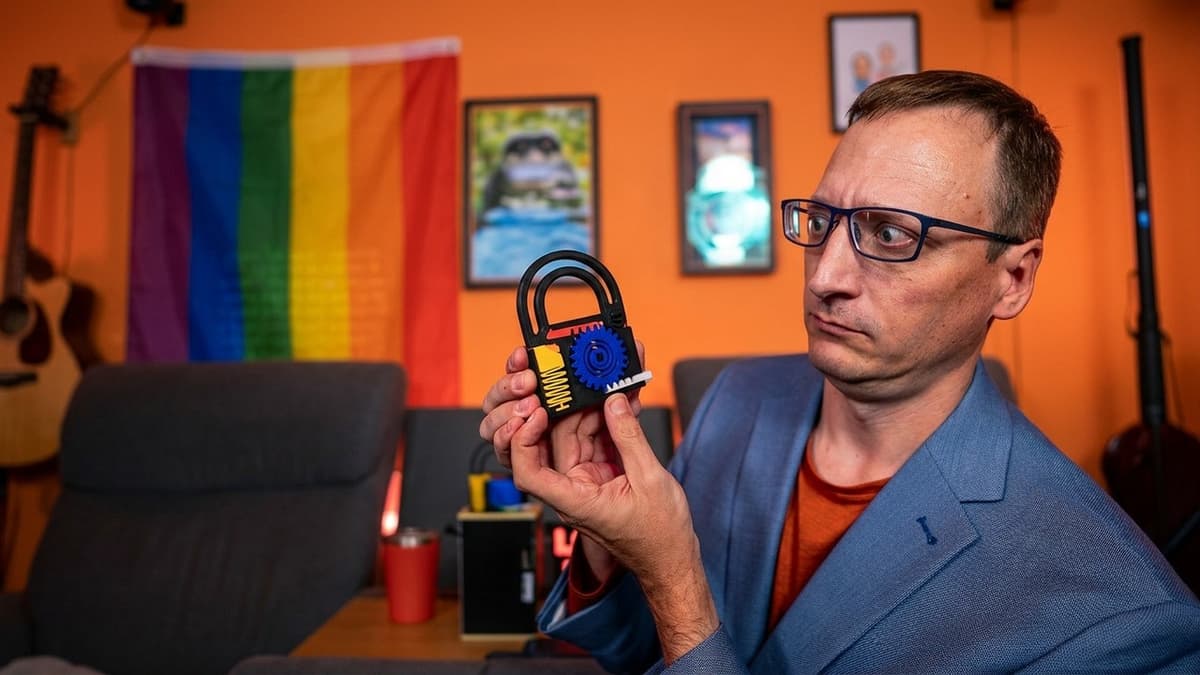
Bambu Lab Sent a Cease-and-Desist. The AGPL Might Send One Back.
Bambu Lab, the Shenzhen‑based maker of the X1 Carbon 3‑D printer, has ignited a legal firestorm after it sent a cease‑and‑desist letter to a Polish developer who restored a blocked network pathway using open‑source code. The dispute stems from a...
How Trump's Actions Play Into the Hands of Foreign Powers #trump #russia #politics #america #law
The video argues that former President Donald Trump’s conduct mirrors a Russian geopolitical playbook outlined by Alexander Dugin, whose 1997 treatise “Foundations of Geopolitics” calls for fracturing the trans‑Atlantic alliance and sowing division within the United States. Framing Trump as a...
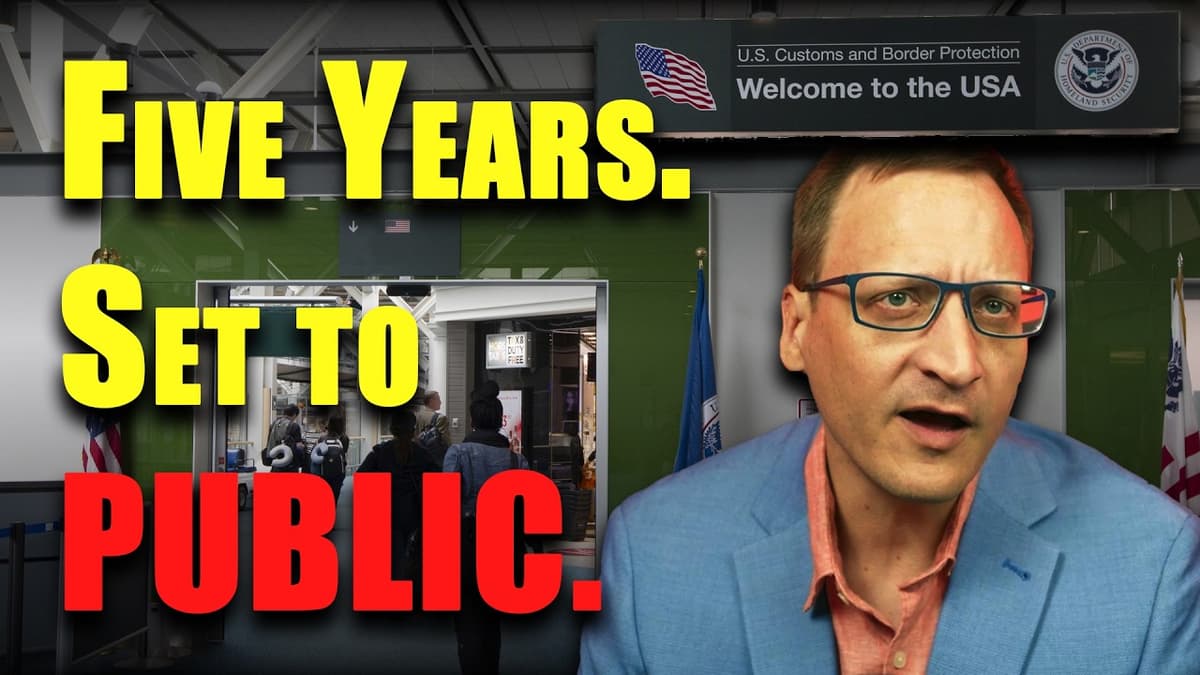
Five Years. Set to Public. Now Required at the Border.
The Customs and Border Protection agency has issued a proposed rule that would require every foreign national entering the United States under the Visa Waiver Program to surrender five years of social‑media handles, phone numbers, email addresses, biometric data and...

Is Trump a Russian Asset? Trump, Putin, and the Foundations of Geopolitics.
The video examines the provocative hypothesis that former President Donald Trump may have functioned as a Russian intelligence asset, using Alexander Dugin’s 1997 "Foundations of Geopolitics" as a framework. The author, a lawyer, outlines Dugin’s checklist—fracturing the transatlantic alliance, sowing...

Psychic Thought Her Powers Would Save Her in Court.. Wrong #lawandjustice #viral
The video critiques a TikTok psychic who asserted that her supernatural powers could have predicted the University of Idaho murders and influence a related lawsuit. The creator emphasizes that the plaintiff has no connection to the crime, which has already...

Is Your SAVE Plan Still Alive? A Lawyer Breaks Down the Case (Havens V. Dept of Ed.)
The video explains that the SAVE income‑driven repayment plan, covering over 7 million borrowers, was declared dead after a settlement between the Department of Education and a coalition of Republican‑led states, but the legality of that settlement is contested. The procedural history...

They're Selling Your Address to ICE Right Now
The video exposes a hidden industry that aggregates billions of personal data points—addresses, income, vehicle registrations, health conditions, and even ethnicity—into commercial dossiers sold to private litigators, debt collectors, and government agencies. Platforms such as Thomson Reuters Clear, LexisNexis Accurant,...

Court Chaos: Witness Uses AI Glasses to Cheat
In January 2026 a London insolvency court heard the case UAB Business Enterprise v. Ona Limited, where witness Limonus Yaktis attempted to cheat using AI‑enabled smart glasses that fed him answers in real time. Judge Raquel Anello noticed abnormal pauses and,...

CEO Steals Company with ChatGPT - Subnautica 2 Lawsuit Explained by a Lawyer
The video dissects the fallout from Crafton’s 2021 acquisition of Unknown Worlds Entertainment, the studio behind Subnautica, which included a $500 million upfront payment and an earn‑out clause worth up to $250 million through the end of 2025. CEO Changhan Kim quickly...