

AAV9 Gene Therapy Restores WWOX in Infant Epilepsy
The therapy targeted the WWOX gene, which is mutated in WOREE syndrome, a severe form of genetic epilepsy that causes early-onset seizures, developmental impairment, and high mortality. Researchers used an AAV9 (adeno-associated virus serotype 9) gene therapy vector to deliver a functional copy of the WWOX gene directly into the infant's brain, aiming to restore normal gene expression in neurons and correct the underlying cause of the disease.https://t.co/aGNtbFkHpW

Gene Therapy Could Repair Heart Attack Damage in One Shot
Researchers are developing a gene therapy approach for heart attack damage that aims to strengthen surviving heart muscle cells, improve electrical stability, and enhance contraction efficiency, potentially offering a one-time treatment to improve heart function without surgery. https://t.co/y0opGBi83y
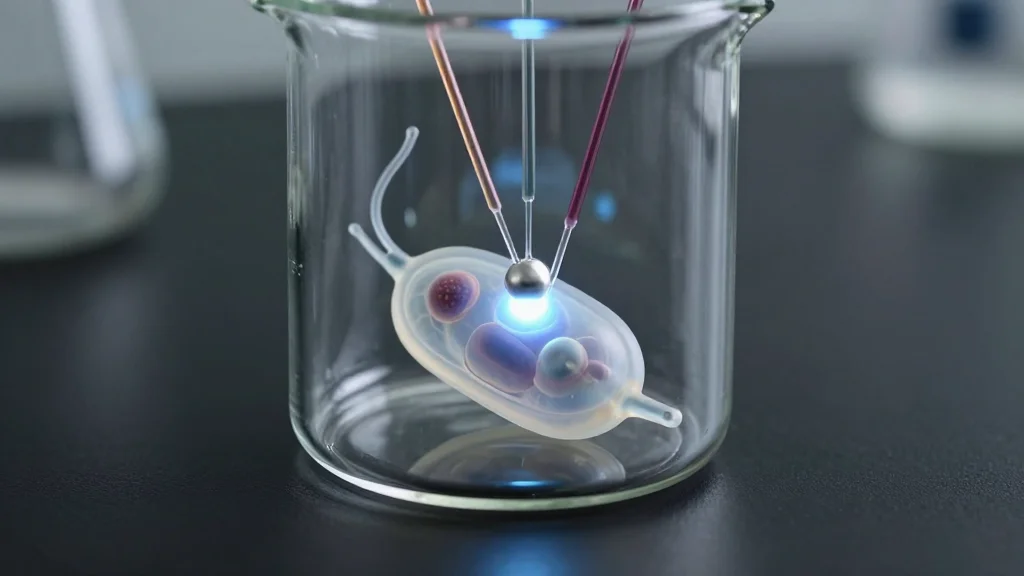
Shared Cellular Control Nodes Offer Unified Cancer Targets
A new study shows that many different disease-causing mutations can converge on shared regulatory “control nodes” inside cells, suggesting that complex conditions like cancer may be treated by targeting a few common downstream pathways rather than each individual genetic mutation. https://t.co/TPEfFhGImY
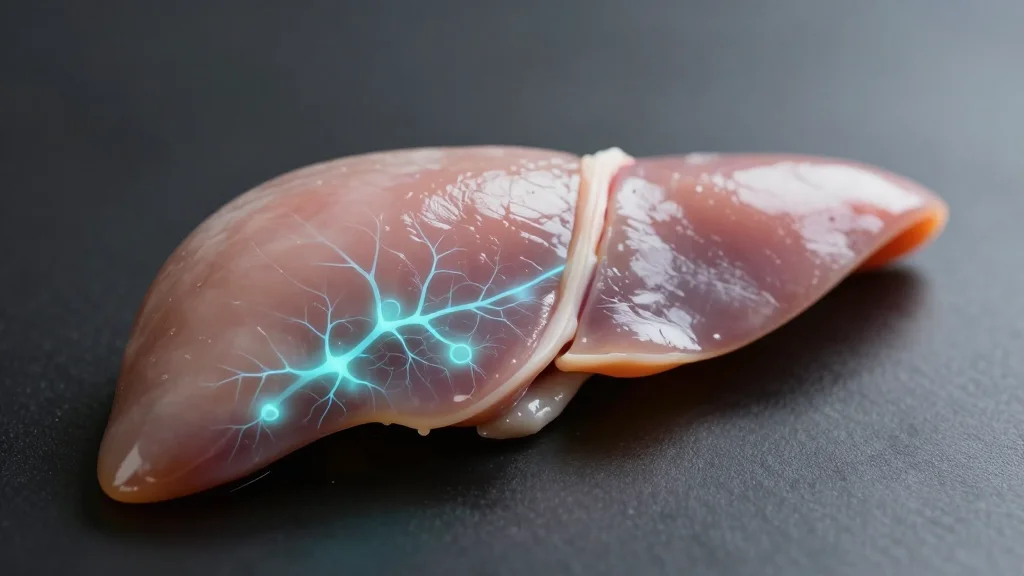
Boosting SIRT6 Reverses Liver Aging and Restores Youthful Genes
This study suggests that increasing SIRT6 can reverse age-related changes in liver cells, restoring a more youthful gene expression pattern by reducing inflammation, improving metabolism, and rejuvenating chromatin structure. https://t.co/eEUz3KACvO

Adult Brain Can Still Grow Neurons, Boosting Memory
Emerging research suggests that the adult human brain may retain a limited ability to generate new neurons throughout life, and enhancing this process could help preserve memory, cognitive function, and resilience against age-related decline and Alzheimer’s disease. https://t.co/qYi3RkkLwU

Gene-Edited Stem Cells Guard Healthy Blood From Immunotherapy
Researchers have tested a gene-edited stem cell transplant designed to shield healthy blood-forming cells from powerful cancer-targeting immunotherapies. https://t.co/OYA1xBAQSd

First Prenatal Gene Therapy Trial Targets GM1 Disorder
Researchers at the University of California, San Francisco have launched a first-in-human prenatal gene therapy trial for GM1 gangliosidosis, aiming to treat the disease before birth and potentially open the door to fetal gene therapies for a wide range of...

Integrating Prevention, Care, and Anti‑Aging Science Boosts Healthspan
A recent Aging-US editorial argues that the future of public health will require combining prevention, clinical care, and therapies that target the biology of aging to extend not only lifespan, but also healthspan, resilience, and quality of life in aging...

Organ-Specific Biomarkers Reveal Tissue-Specific Aging Gaps
Different tissues age , well, differently... - Suggestion for biomarkers with high organ specificity and reference ranges for organ age gaps. https://t.co/ZtJ0I248yU

Quit Smoking Cuts Dementia Risk, Especially Without Weight Gain
A new Neurology study found that quitting smoking significantly lowers the risk of dementia and cognitive decline, with the greatest benefits seen in people who avoid substantial weight gain after quitting... https://t.co/RNIIAPhuyQ

Treatment Reactivates Sluggish Healing Genes in Aging Skin
The treatment seemed to wake up healing pathways that are normally sluggish in older tissue. Gene activity increased in areas tied to wound repair, including collagen production, blood vessel growth, tissue remodeling, and other processes needed to close and strengthen...

Immature Neurons, Not Quantity, Drive Alzheimer Resilience
Researchers found that cognitive resilience in Alzheimer’s disease may depend not on the number of new neurons in the brain, but on how immature neurons adapt and activate protective programs that reduce inflammation and support tissue survival. https://t.co/nQC5dBMeQz
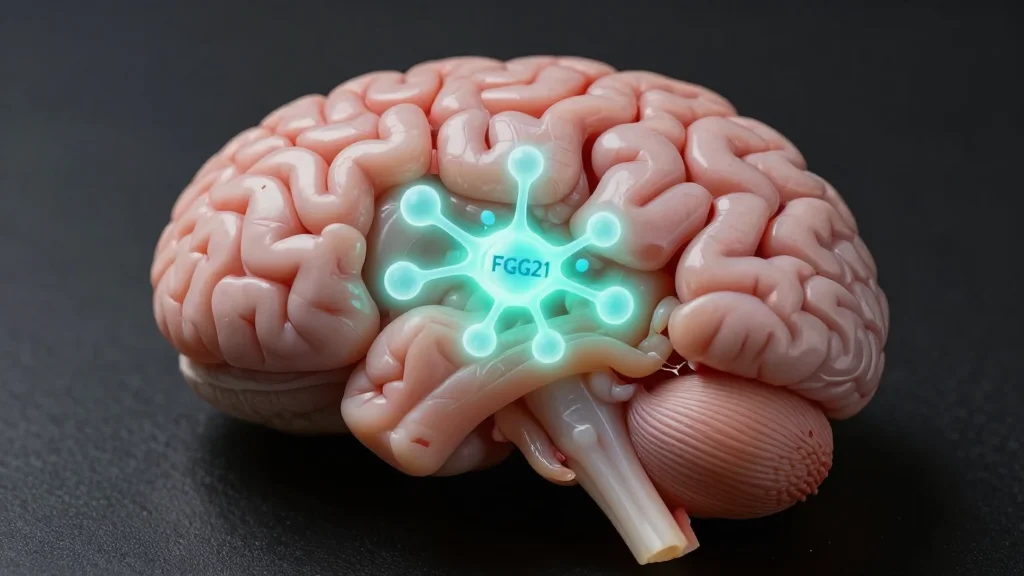
Hindbrain Neurons Directly Sense FGF21, Regulating Appetite
Researchers identified a specific group of neurons in the hindbrain that respond directly to FGF21, acting as a key pathway through which the hormone influences eating behavior and energy balance. https://t.co/ISa30OdrM5

Harvard Scientists Win Breakthrough Prize for Gene Therapy Triumphs
Five Harvard-affiliated scientists received the 2026 Breakthrough Prize in Life Sciences for pioneering discoveries in gene therapy, sickle cell disease, ALS, dementia, and inherited blindness treatments. Their work helped advance groundbreaking therapies including the first FDA-approved treatment for a genetic disease,...

Accelerated Biological Aging Boosts Dementia Risk, APOE‑Linked
A large study found that accelerated biological aging measured through COMMON blood markers was strongly associated with increased dementia risk, especially vascular dementia, with the highest risk seen when combined with high-risk APOE genetics. https://t.co/xBbVl4yyhf