
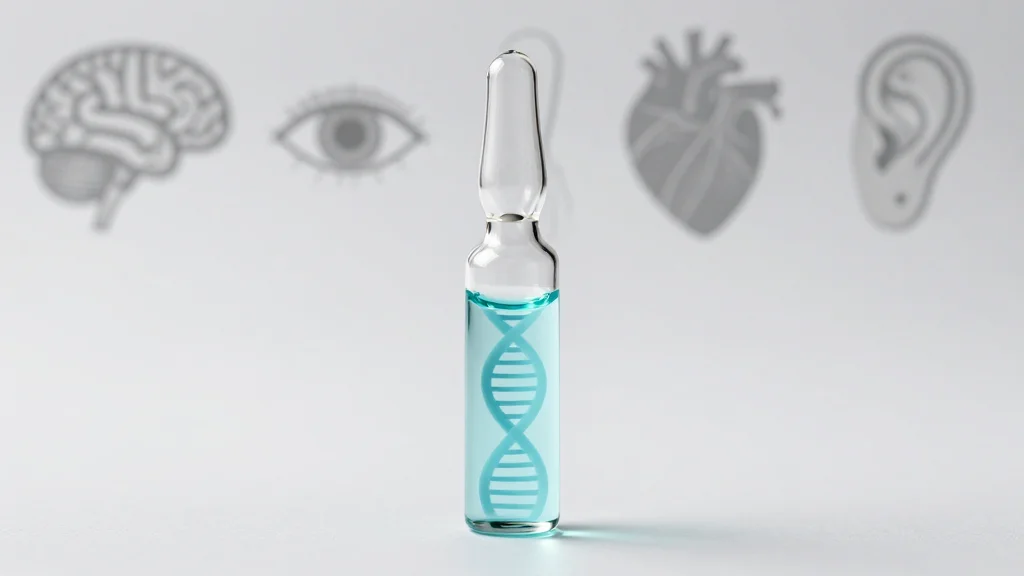
Gene Therapy Matures: New Approvals Across Multiple Diseases
The recent approval of new genetic medicines highlights the growing maturation of gene therapy across neurological, retinal, cardiac, hearing, and neuromuscular diseases, with increasingly targeted and potentially safer approaches advancing toward clinical adoption. https://t.co/s25KgpsKqN

Gut “Species” Are Actually Multiple Strains Tied to Disease
Researchers found that many gut bacteria thought to be single species actually contain distinct populations that have evolved to thrive under different conditions in the human gut. Some of these bacterial groups are linked to aging, inflammatory bowel disease, colorectal...

Gene Therapy Restores Six-Year-Old's Sight Like Magic
The mother of a six-year-old girl who had life-changing eye gene therapy says it is "like someone waved a magic wand and restored her sight https://t.co/IU3YRMtJSG
ART Reverses HIV‑Induced Aging, Cutting Years Off Biological Clock
Great news for HIV positive patients. A study presented at ESCMID Global 2026 found that untreated HIV can accelerate biological aging by up to a decade, but antiretroviral therapy can reverse this effect by nearly four years within about 18...
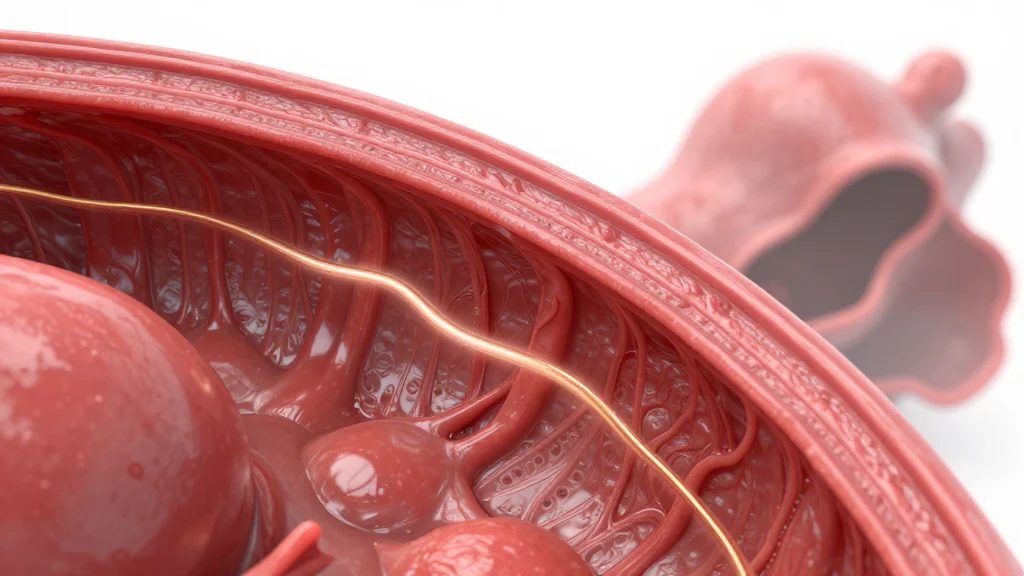
SIRT6 Shields Aorta by Cutting Inflammation and Aging
SIRT6 appears protective in aortic disease, as higher levels reduce vascular inflammation and smooth muscle cell aging, thereby helping prevent both aortic aneurysm and dissection progression. https://t.co/eXuKrR7oNF
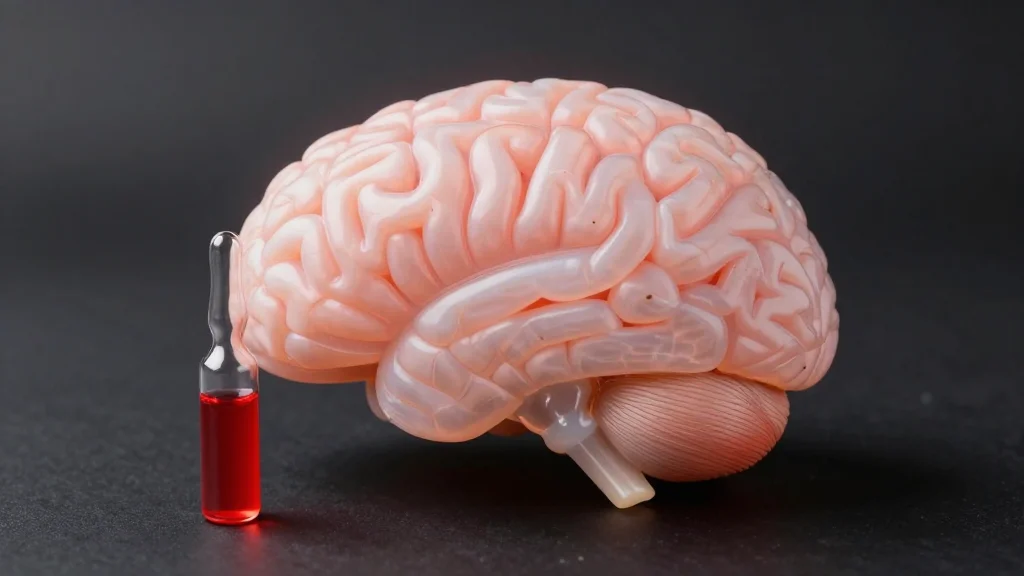
Anemia Raises Alzheimer Biomarkers and Dementia Risk in Seniors
In a large study of older adults, anemia was linked to higher levels of blood biomarkers associated with Alzheimer’s disease, neurodegeneration, and brain inflammation, as well as a significantly increased risk of developing dementia over time. https://t.co/cnUbvkidIO

Gene Therapy Targets Childhood Blindness by Fixing Retinal Gene
Jean Bennett and Albert Maguire developed a gene therapy approach to correct a gene in the retina to treat childhood blindness. https://t.co/WJ99qvcUT1
Blood Factors Drive Aging or Rejuvenation; Therapies Emerging
Aging is increasingly understood as a system-wide process shaped by factors in the blood, which can actively drive either decline or rejuvenation rather than just reflect it. Emerging therapies that modify the circulatory environment show promise in reversing aspects of...

Start Strength Training in Your 30s to Preserve Muscle Quality
Muscle loss can begin as early as your 30s, with measurable declines in muscle mass and function occurring well before old age. The study also found that women may lose strength and fitness faster than muscle mass itself, highlighting the...
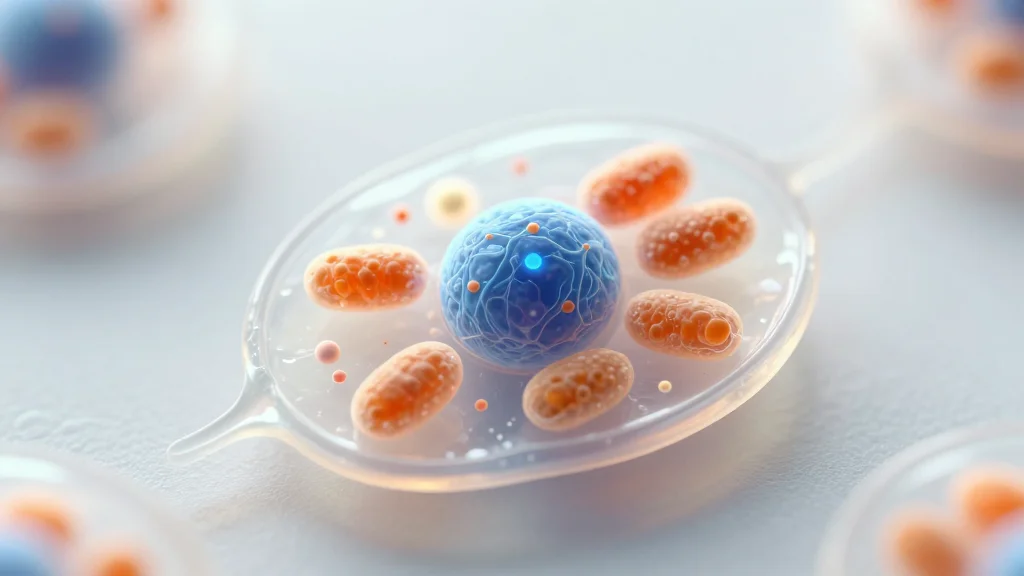
Organelles Drive Aging: Metabolic Engines and Signaling Hubs
Cellular organelles play a central role in aging by acting as both metabolic engines and signaling hubs that coordinate processes within and between cells. Their dynamic interactions influence lifespan, health, and even inheritance, making them key targets for interventions aimed...
Small Stem Cell Edit Generates Persistent Antibody Protection
Researchers showed that editing a small number of blood stem cells can reprogram the immune system to continuously produce therapeutic proteins, including powerful antibodies that are normally hard to generate. In mice, this approach created long-lasting, boostable protection against infections...
Low Post‑Surgery Klotho Predicts Inflammation and Cognitive Decline
Lower levels of the anti-aging protein Klotho after surgery were strongly linked to higher inflammation and worse cognitive function in patients with postoperative cognitive dysfunction (POCD). This suggests Klotho could be a useful early biomarker—and possibly a treatment target—for predicting...

FGF21 Shows Dual Action: Reduces Drinking, Shields Liver
The study validated FGF21-a liver-derived hormone currently in clinical trials for fatty liver disease “as a dual-action therapeutic that both curbs harmful drinking behaviors and protects against alcohol-related liver injury https://t.co/VdPZvQQ9qp

25% Beta‑Cell Loss and Aging Drive Type 2 Diabetes
Researchers analyzed ~250,000 pancreatic islet cells and found that in type 2 diabetes, about 25% of insulin-producing beta cells are lost and many of the remaining ones become aged and dysfunctional. They identified dozens of genes—along with pathways like vitamin...
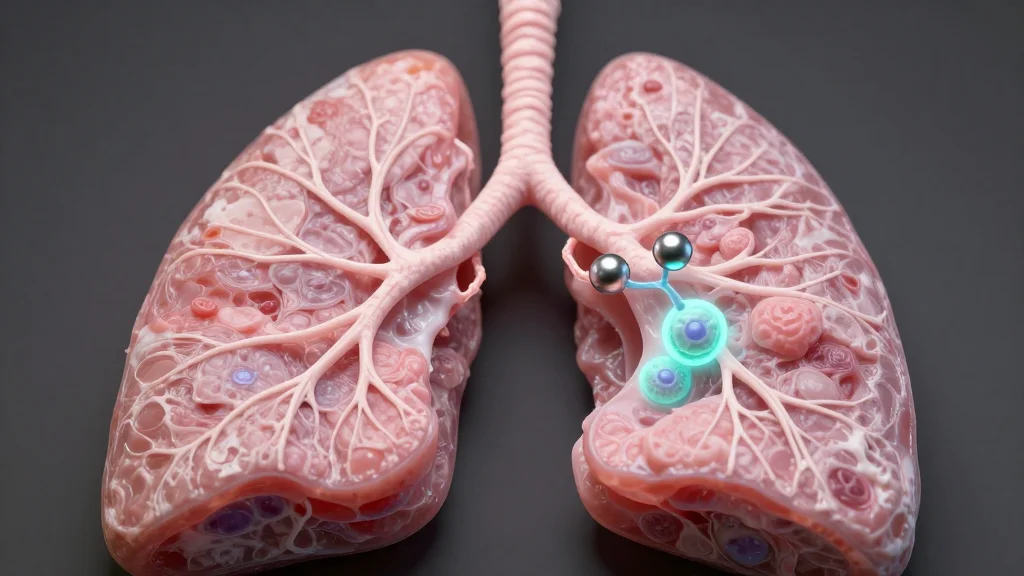
Blocking PGAM‑Chk1 Kills Senescent Cells, Eases Lung Fibrosis
Researchers found that senescent cells depend on a PGAM–Chk1 interaction to boost glycolysis and survive, and blocking this interaction selectively kills these cells and reduces disease effects like lung fibrosis. https://t.co/VTsHTkBcad

FDA Approves Breakthrough Therapy for Critically Ill Children
FDA says ‘yes’ to transformative therapy for sick children — and more media coverage of UCLA https://t.co/N6AJsRwCyX
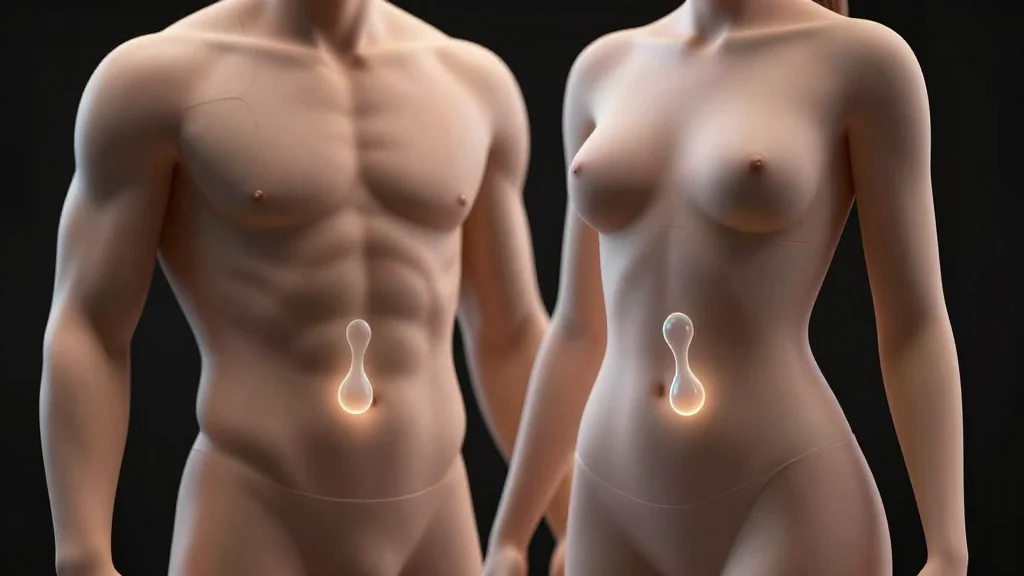
Sex Differences Crucial for Glucagon Obesity Drug Efficacy
Male and female bodies respond differently to glucagon-based obesity drugs, and FGF21 plays an important role—especially in females. This means future treatments need to account for sex differences to be effective and safe. https://t.co/Z9gllk02Dj
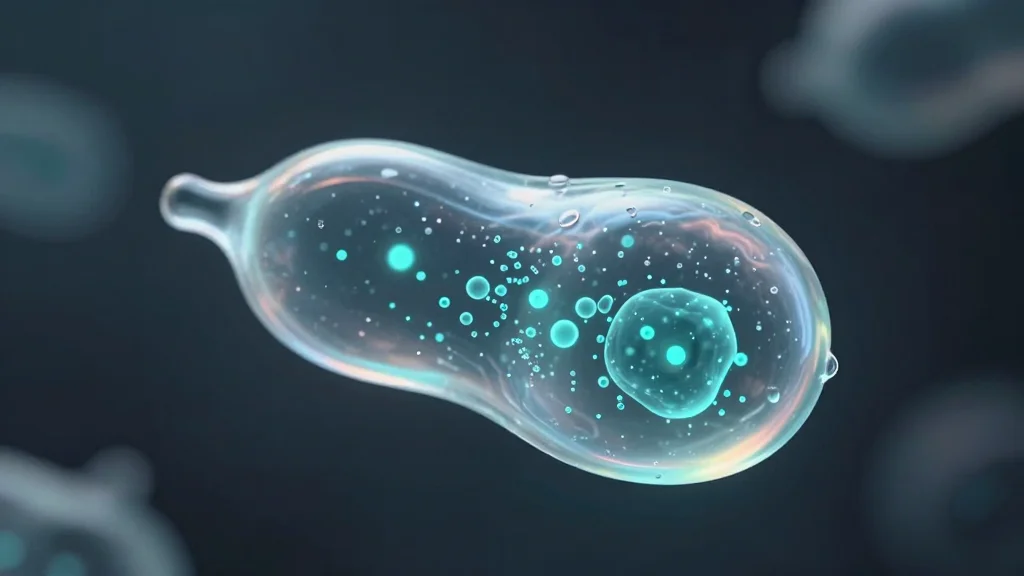
Stress‑induced Mitochondrial Condensate Fusion Drives Aging
It works by phase separation, where mitochondrial DNA and proteins cluster into droplet-like biomolecular condensates that organize gene activity, but under stress these droplets fuse and grow abnormally, disrupting function and contributing to aging. https://t.co/dRzhFVzxQQ

Four Candidates Target Ultra‑Rare Polish PUS3 Syndrome
“We have four drug candidates for patients with an ultra-rare disease with Polish origins, the PUS3 syndrome; one of these candidates will be used in practice,” Lisowski said. https://t.co/GTJbPQSdXQ
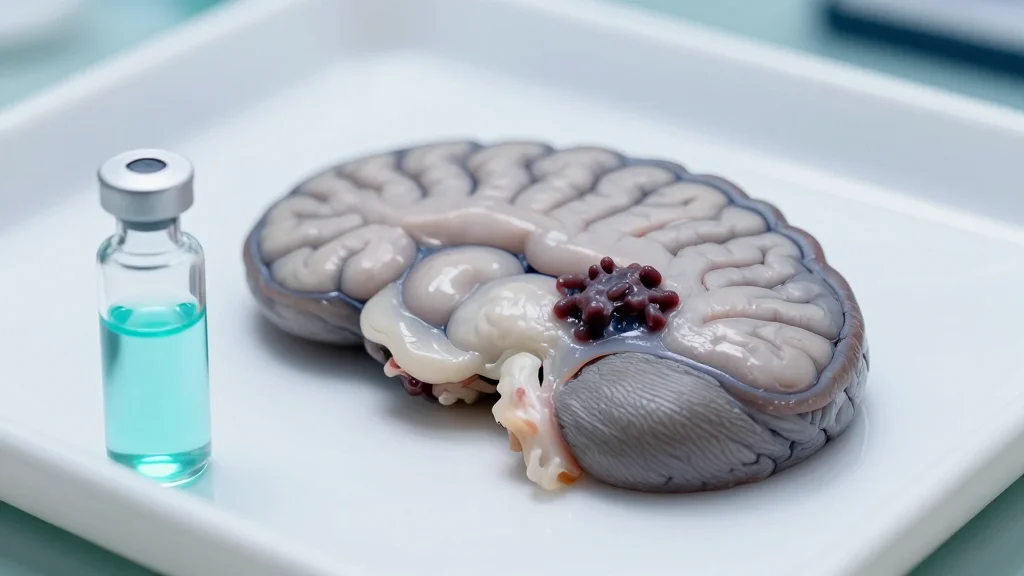
Glioblastoma's Immune Microenvironment Blocks Checkpoint Therapy
The glioblastoma tumor immune microenvironment (TIME) is an immunosuppressive barrier to therapy that encumbers glioblastoma responses to immune checkpoint inhibition (ICI). https://t.co/rgIKZ8N0Q4
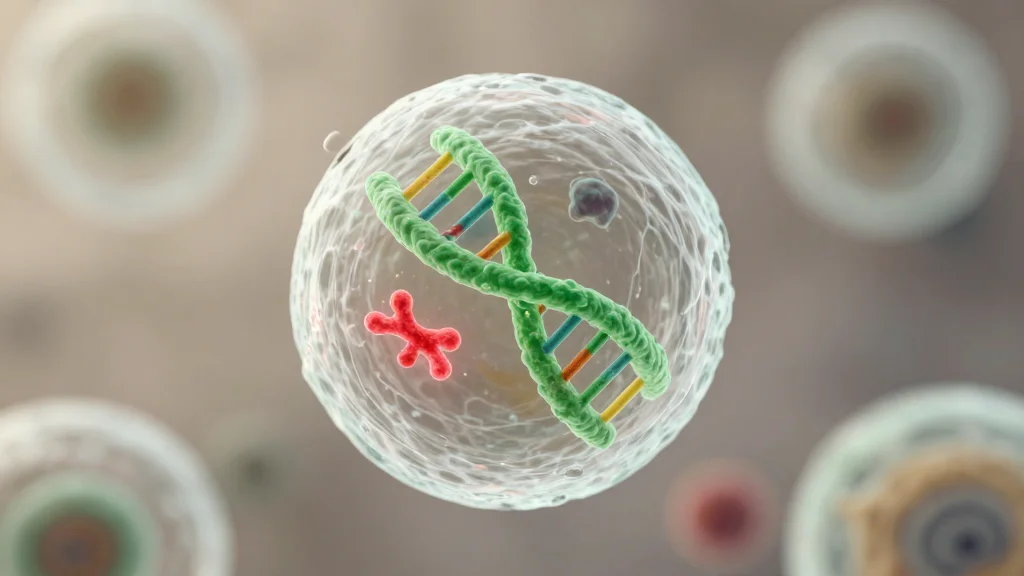
Mutated TP53 Turns Tumor Suppressor Into Cancer Promoter
The TP53 gene makes the p53 protein, which normally helps prevent cancer by controlling cell growth and triggering damaged cells to die, but when it’s mutated it not only loses this protective role but can also help tumors grow. https://t.co/wPedodwV2U
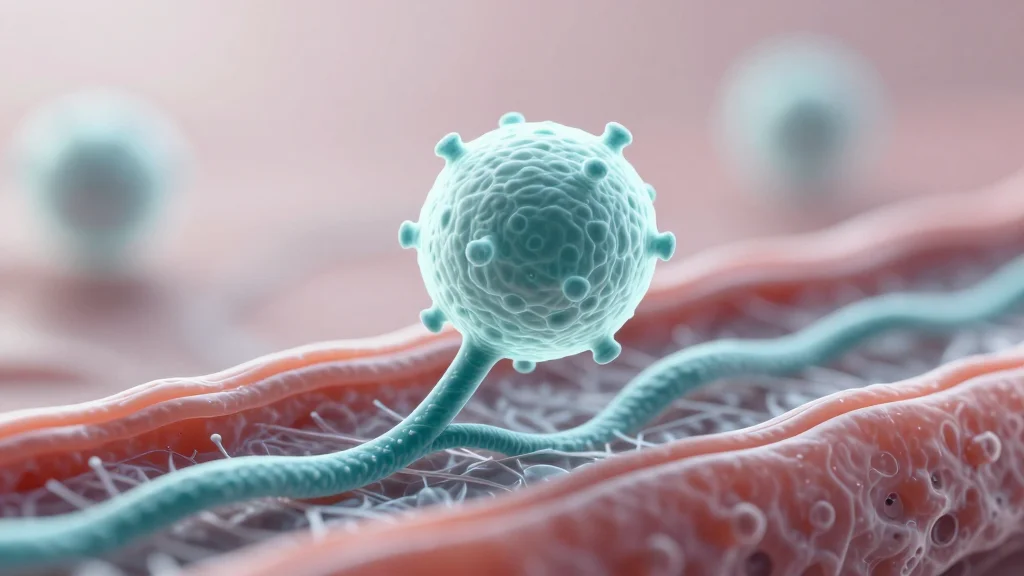
One Injection Restores Hearing via OTOF Gene Therapy
A single injection uses an engineered AAV virus to deliver a healthy OTOF gene into cochlear cells, enabling them to produce otoferlin and restore the ear’s ability to convert sound vibrations into signals the brain can interpret. https://t.co/Lk34jpnRBe
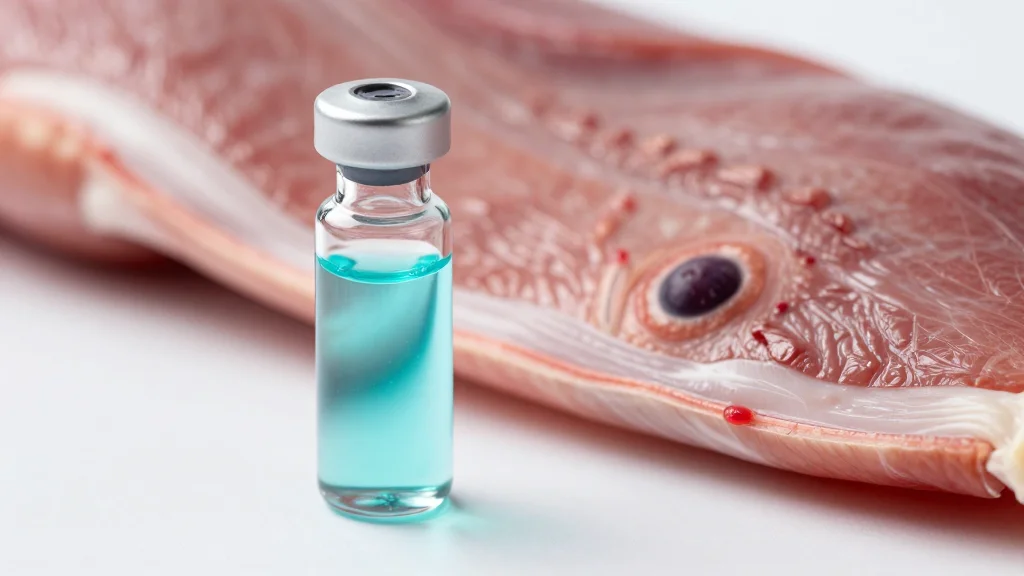
Targeted mRNA Nanoparticles Halt Lung Tumors and Cachexia
Follistatin mRNA delivered via targeted lipid nanoparticles enables a dual therapeutic effect by simultaneously suppressing lung tumor growth and preventing cancer-associated muscle wasting (cachexia). https://t.co/56fCFZU0vk
Aging Opens Chromatin, Altering Cell Behavior
The researchers then looked into the changes in the old cells that might explain such pronounced differences in behavior compared with the young cells. Liao Says "It seems as though chromatin opens up with age, so to speak." https://t.co/1kdRDunTea
FDA Approves First Gene Therapy for LAD‑I Children
FDA approves first gene therapy, Kresladi, offering a breakthrough treatment for children with the rare immune disorder LAD-I https://t.co/ezWPPEgtd0
Follistatin: Dual Weapon Against Cancer and Muscle Loss
Follistatin protein, which plays a key role both in inhibiting tumors and promoting muscle tissue growth. https://t.co/OebCo6FSI7
KLF5 Drives Pancreatic Cancer Spread via Gene Rewiring
A gene called KLF5 may be a key force behind the spread of pancreatic cancer—but not in the way scientists expected. Rather than mutating DNA, it rewires how genes are turned on and off, helping tumors grow and invade new...
Bacteria Harness Modified CRISPR to Activate Genes via RNA
Scientists discovered that some bacteria use a modified CRISPR system to turn genes on with RNA—confirming a decades-old idea and revealing a new, flexible way to control gene activity. https://t.co/fxLl5ph1ry
IVNS1ABP Mutation Triggers Premature Aging and Neurodegeneration
A mutation in the IVNS1ABP gene causes a new disease combining premature aging and severe neurological decline by disrupting cell scaffolding, leading to DNA damage and “zombie-like” senescent cells. https://t.co/xtDrjy72h4
Stroke Triggers Youthful Rewiring in Healthy Brain Regions
Study finds stroke can make undamaged parts of the brain appear younger as it rewires to aid recovery https://t.co/r39ZMz5AGU
Gut Microbes May Shape Age‑Related Memory Loss
Memory loss with age varies widely and may be influenced not just by the brain but by gut microbes and body–brain signaling pathways that scientists are still working to understand and potentially treat. https://t.co/ybi9Kp1E90
Aging Silences Brown Fat's Heat Genes via Epigenetics
Brown fat loses its heat-producing function with age due to epigenetic changes that reduce activity of key genes like PGC1A, with specific enhancers playing a critical role in maintaining this function. https://t.co/Dnnawd5r41
SREBP‑2 Links Stress to Cell Death via IRAK1
Researchers found that the cholesterol-related protein SREBP-2 can trigger apoptosis under stress by interacting with IRAK1, revealing a new mechanism for how cells self-destruct. This suggests that beyond telomeres, which signal aging through gradual shortening, cells can also initiate death...
Regeneration, Not Just Slowing, Could Reverse Aging
New Paper - Evidence suggests regeneration may be a natural and achievable biological process worth prioritizing over merely slowing aging—ideally beginning in midlife (around 40–60) to postpone decline, with the potential to reverse aging later in older individuals. Insights from...

Fish Behavior Predicts Lifespan and Aging, Study Shows
A study from Stanford University found that daily behavior patterns—like activity and sleep—can help predict lifespan and track aging in fish. 🧠🐟 Not humans... https://t.co/J89e7AcD7e
Short Telomeres Reveal Accelerated Kidney Aging, Predict CKD
Researchers found that shorter telomeres and DNA changes in kidney cells may signal faster biological aging of the kidneys and help predict risk for Chronic Kidney Disease earlier than current methods. 🧬 https://t.co/JKRM7xhOnh
FGF21 Activates SLCO4C1 to Curb Liver Fat
FGF21 turns on SLCO4C1, which boosts cAMP signaling and helps prevent fat buildup and inflammation in the liver. https://t.co/fi6RffZKVq
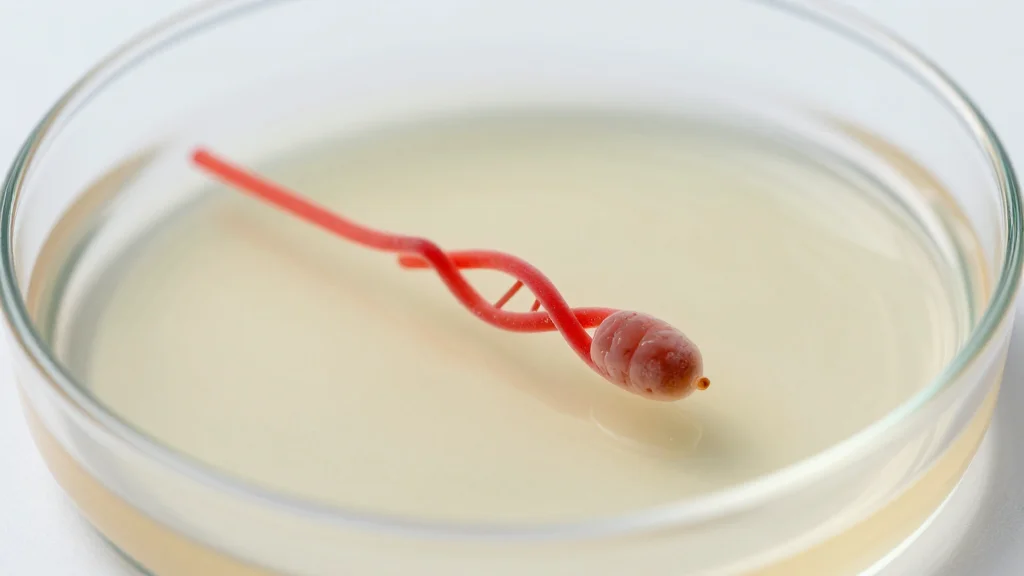
One Short Telomere Triggers Senescence and Instability
Researchers using Saccharomyces cerevisiae showed that replicative senescence is triggered when a single shortest telomere falls below a critical length, which both initiates senescence and promotes genomic instability that can transiently enable cells to escape it. 🧬 https://t.co/TOUeXB4L3v
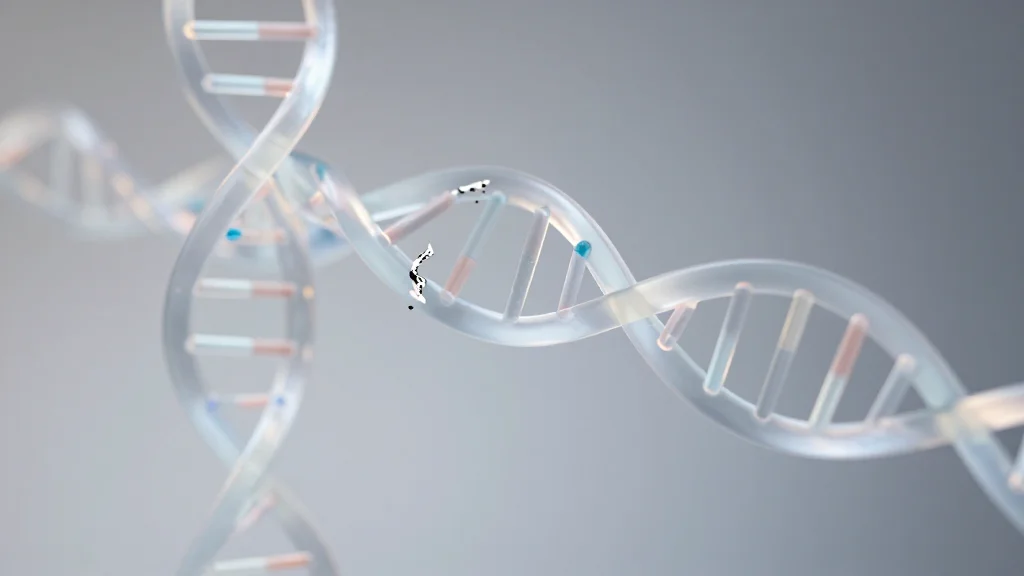
Broken Chromosomes Repaired with Fragments Spark Cancer‑driving Mutations
Researchers at Cardiff University found that severe DNA mutations called chromoanasynthesis happen when broken chromosomes are repaired using small DNA fragments, causing chaotic duplications that can drive cancer and genetic diseases. 🧬https://t.co/Q9j2hRezTs
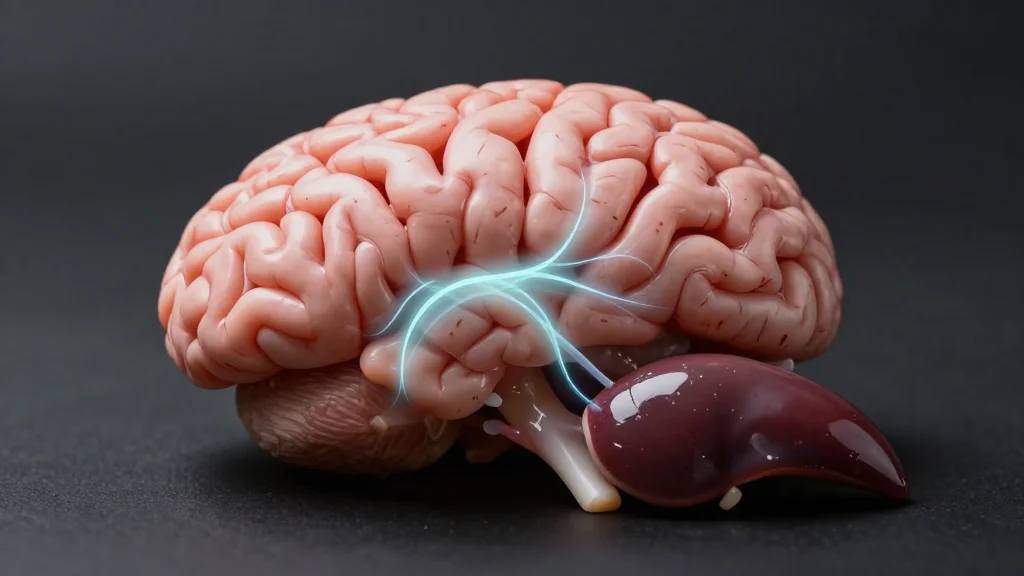
Methionine Restriction Cuts Alzheimer Pathology via FGF21 Signaling
A study in Alzheimer's & Dementia found that late-life methionine restriction reduces Alzheimer’s pathology and neuroinflammation in mice by activating the liver–brain FGF21–FGFR1 signaling pathway, independent of metabolic improvements. 🧠 https://t.co/A9kEqNv8pO