
AI, Cancer & Programmable Biology
The video explores how artificial intelligence and programmable biology are converging to create bespoke molecular tools that can deliver mRNA, CRISPR components, vaccines or immunotherapies directly to diseased cells. By leveraging single‑cell RNA sequencing, researchers can map the expression levels of roughly 22,000 genes in a tumor biopsy, pinpointing healthy proteins that are dramatically up‑regulated in cancer cells compared with normal tissue. Those proteins, displayed on the cell surface, become “locks” that a designer sequence can unlock with a matching “key.” Paul Cunningham’s case illustrates the approach: after spending about $3,000 to sequence his dog’s genome, a follow‑up biopsy revealed a protein produced 600‑fold more in the tumor and present on the cell surface. The speaker notes that mammals carry roughly 3,000 such surface proteins, providing a rich repertoire of potential targets. If scaled to human oncology, this strategy could lower the cost of precision oncology, enable rapid development of targeted therapeutics, and expand the pool of actionable targets beyond classic neo‑antigens, reshaping how biotech firms design cancer drugs.
AI Isn’t Just Changing Software. It’s Changing Medicine.
The video illustrates how artificial intelligence is reshaping medicine through a real‑world case study. GitLab’s founder, diagnosed with bone cancer and denied trial access, leveraged AI to dissect his own tumor’s molecular profile and then released the data publicly for...
One Enzyme Might Control Tissue Aging
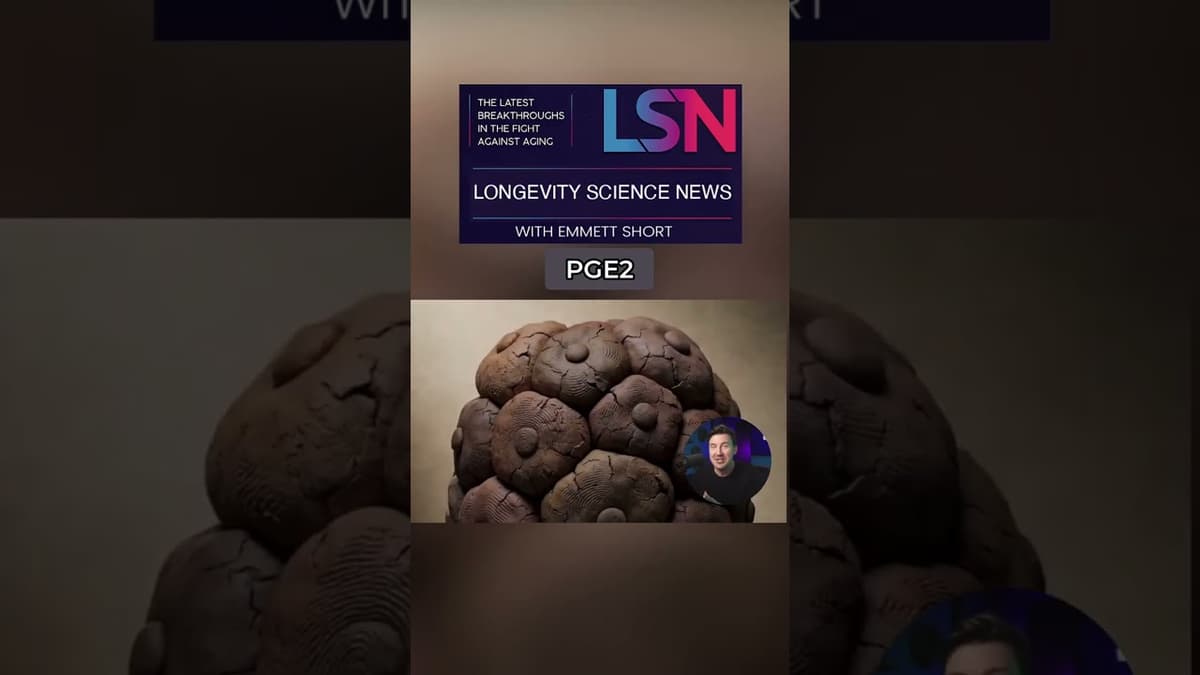
Blouse Lab has coined the term “gerro enzyme” for proteins that accumulate with age and drive tissue decline. Their current focus is 15‑hydroxyprostaglandin dehydrogenase (15‑PGDH), an enzyme that degrades prostaglandin E2 (PGE2), a molecule essential for tissue repair. The hypothesis is straightforward:...
Cells Didn’t Regrow… They Just Acted Younger
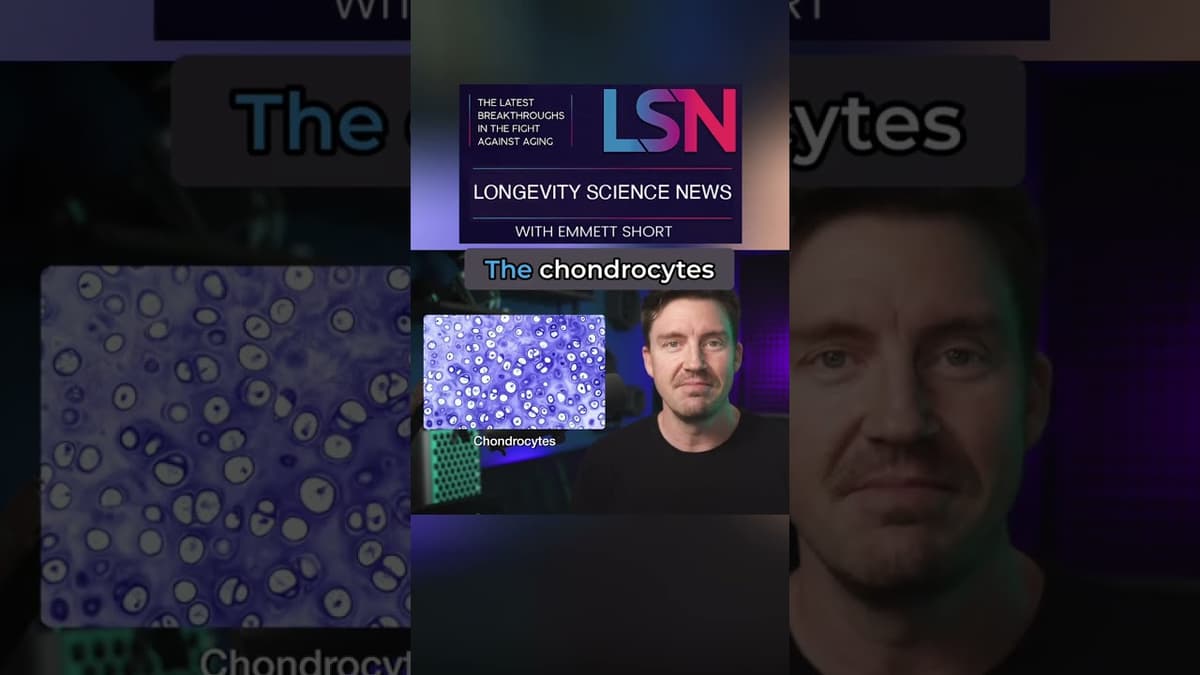
Researchers unveiled a novel regenerative strategy that reprograms existing joint cells rather than creating new ones, offering a promising avenue for treating age‑related or injury‑induced arthritis. By altering gene expression patterns, the therapy empowers resident chondrocytes to function more like...
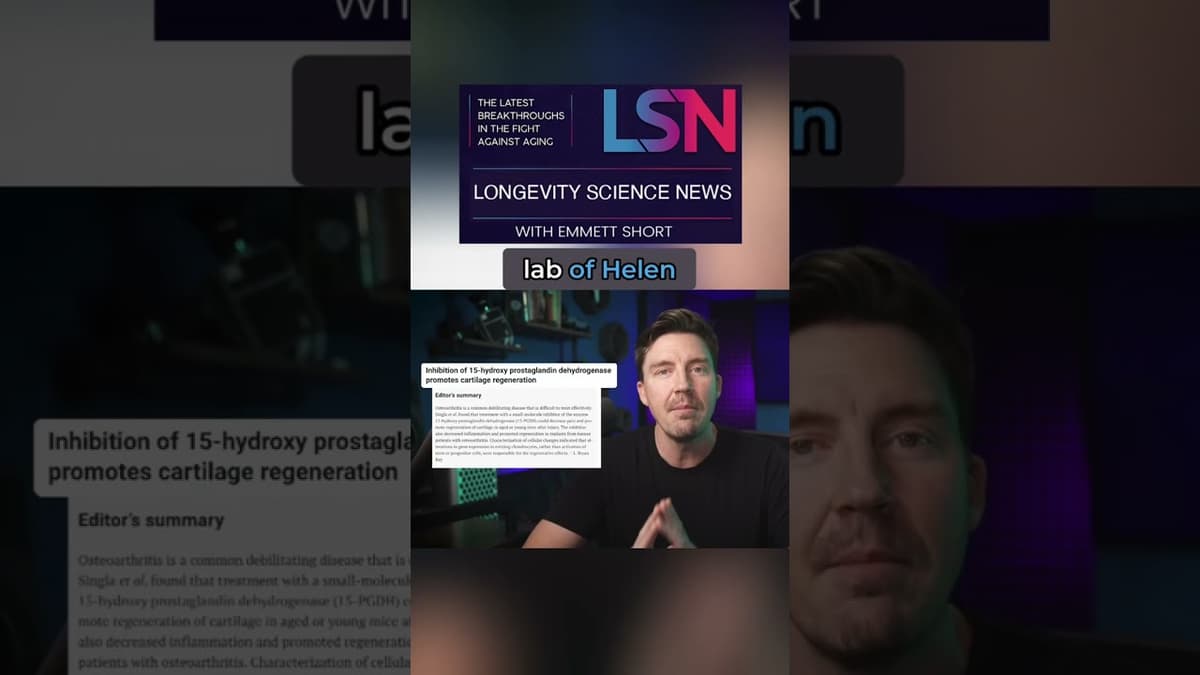
What If Cartilage Can Regenerate Without Stem Cells?
The video highlights a breakthrough study from Stanford University that challenges the long‑standing belief that articular cartilage cannot repair itself because it lacks resident stem cells. Osteoarthritis, the most prevalent joint disease, has remained incurable as existing therapies only manage...
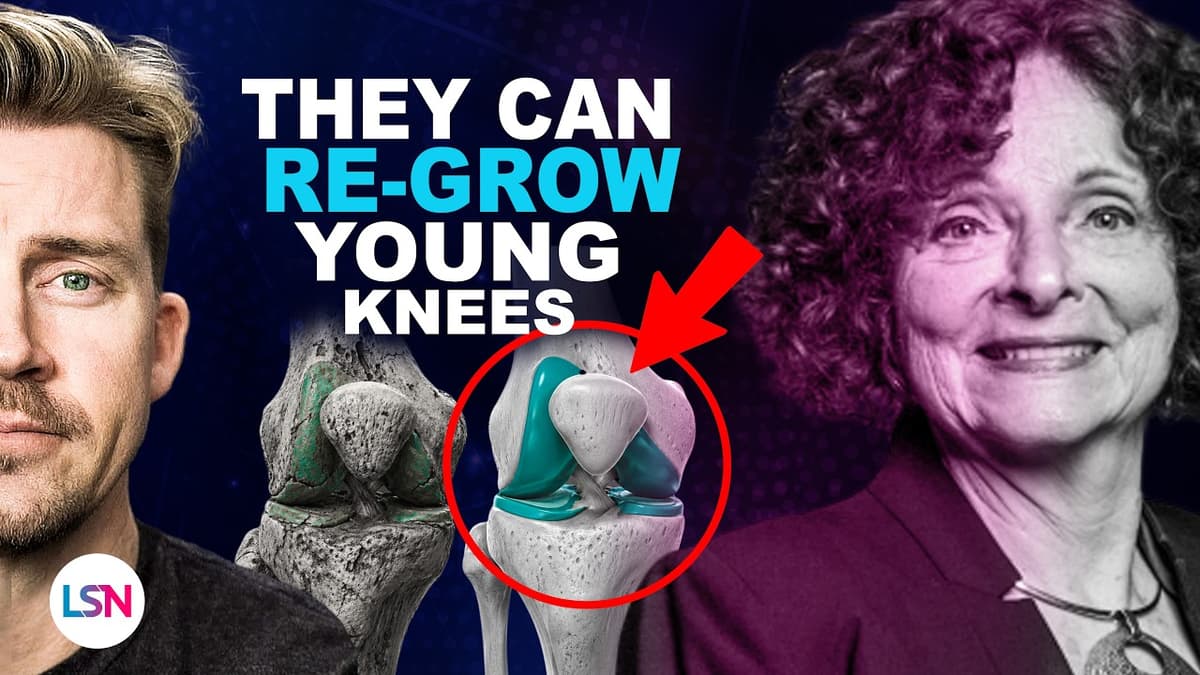
Arthritis Cure BREAKTHROUGH: Regrow Young Cartilage
The video highlights a Stanford breakthrough where inhibiting the enzyme 15‑PGDH triggers regeneration of articular cartilage, a condition affecting over 50 million Americans with osteoarthritis and lacking disease‑modifying treatments. In aged mice, twice‑weekly injections of a small‑molecule 15‑PGDH inhibitor thickened joint surfaces...
The Future of Medicine Isn’t Treatment- It’s Prevention
The video argues that medicine’s next frontier is not treating illness but preventing it through gene‑editing technologies that turn patients’ own cells into lifelong drug factories. A landmark hemophilia B study shows children who received a one‑time gene infusion still produce...

What if We Could Regenerate Our Bodies?
Andre Watson, founder and CEO of Ligandal, unveiled LiganForge – an artificial‑intelligence engine that generates peptide designs up to one hundred‑thousand times faster than existing methods. The announcement, posted on X on March 17, quickly amassed half a million views and...

This AI Designs Drugs in Minutes
On March 17, 2026, Andre Watson, a biomeaterials scientist and founder of Ligendal, released a preprint describing a new AI system that designs peptide drugs in minutes. The system, called Ligan Forge, uses a discrete diffusion model that learns the physics...

Aging Can Be Slowed Down
The video discusses a July 2025 study from Korea University of Medicine that pinpointed the protein HMGB1 as a key circulating factor that accelerates aging when transferred via blood. Building on classic parabiosis experiments—young mice rejuvenated by old blood and vice‑versa—the...

BREAKTHROUGH CURES By The Thousands: LigandForge Is Here.
The video spotlights three AI‑driven breakthroughs reshaping biomedicine: a tech‑entrepreneur in Australia used publicly available AI tools to design a custom mRNA cancer vaccine that reduced his dog Rosie’s tumor by 75%, researchers identified the circulating protein HMGB1 as a...