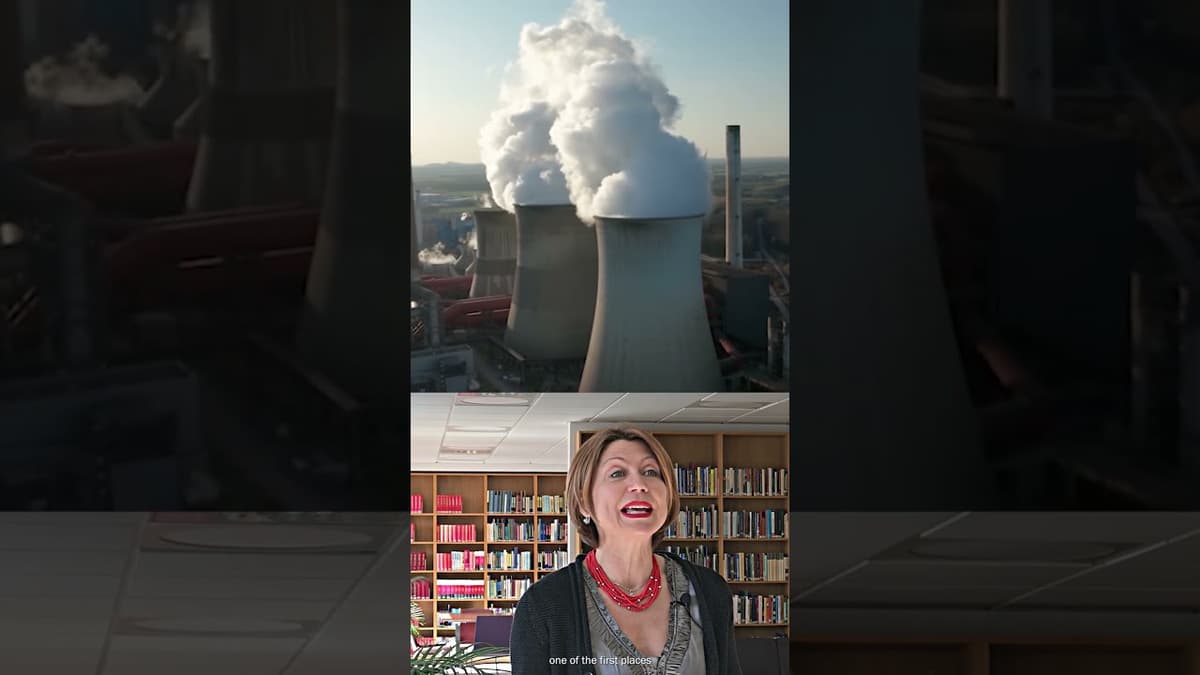
Spotlight: Dr Mariana Budjeryn—Senior Researcher at MIT’s Center for Nuclear Security Policy
Dr. Mariana Budjeryn, senior researcher at MIT’s Center for Nuclear Security Policy, examines how the 1986 Chernobyl disaster reshaped the global nuclear safety regime and why its lessons remain vital amid today’s geopolitical tensions. She emphasizes that the concept of “nuclear safety culture” – a collective commitment by every employee to prioritize safety over production – emerged directly from Chernobyl’s failures. The speaker notes that this mindset drives design, technology, and training standards worldwide. Budjeryn points to the Russian invasion of Ukraine as a stark test, describing how Russian forces first occupied the Chernobyl site and then, on March 3, 2022, opened fire on the operating Zaporizhzhia plant – the first armed assault on an active nuclear reactor in history. The episode underscores the urgent need to harden nuclear facilities against military threats, prompting policymakers to revisit security protocols, invest in resilient infrastructure, and reinforce international norms protecting nuclear assets.
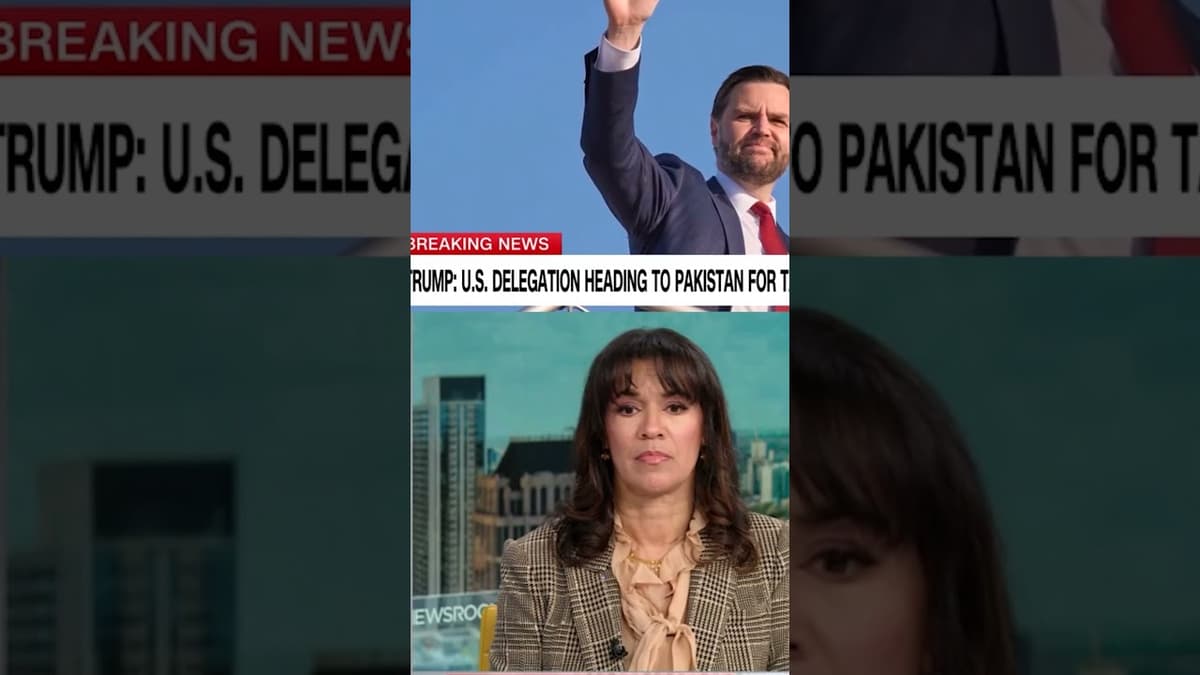
Delegation Heading to Pakistan for New Iran Peace Talks
A U.S. delegation is traveling to Pakistan this week to lay groundwork for fresh peace talks with Iran, aiming to revive a stalled nuclear agreement. President Trump has made clear that any deal must include the removal of Iran’s 60 percent‑enriched uranium,...
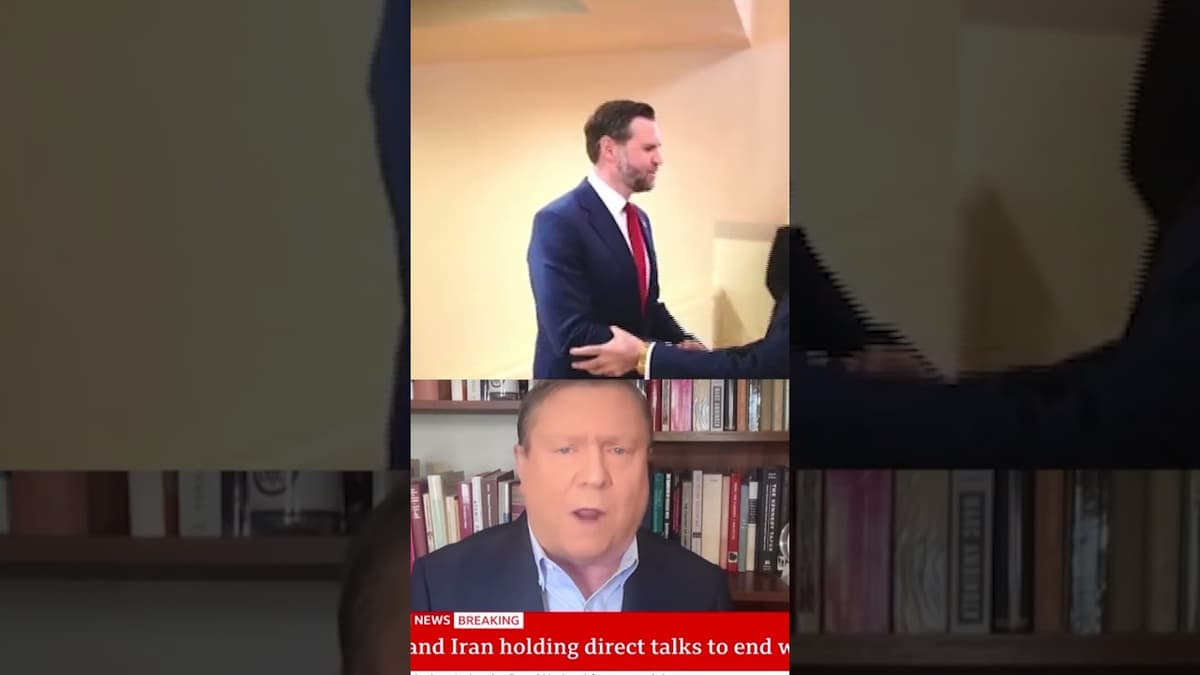
US and Iran Holding Direct Talks to End War - BBC Excerpt
The BBC excerpt focuses on the emerging direct talks between the United States and Iran aimed at ending the ongoing conflict. Host Jim Walsh, a veteran MIT scholar on Iran, frames the dialogue as a high‑stakes negotiation where Tehran’s primary...
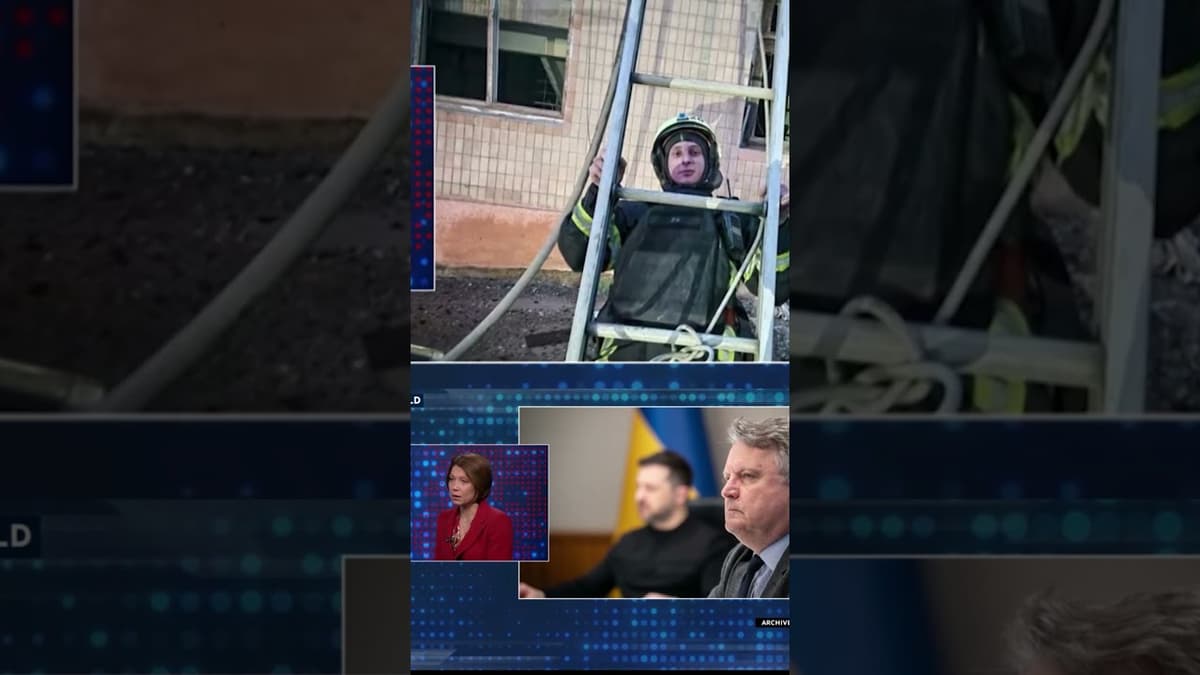
What if Ukraine Had Nuclear Weapons? | Mariana Budjeryn #internationalsecurity
The video, featuring analyst Mariana Budjeryn, examines Ukraine’s security outlook, questioning whether nuclear weapons could alter the calculus but focusing on the current diplomatic deadlock and NATO prospects. Budjeryn argues Russia has virtually no incentive to pursue a cease‑fire, noting Moscow...

What Are the Risks of Turning Energy Sites Into Battlefields? #internationalsecurity
The video examines how Iran is turning energy infrastructure into a battlefield, using oil price spikes as a form of economic warfare that could reverberate across global markets. With crude trading around $116 per barrel and analysts warning of a climb...

Analysts Say Potential US Operation to Seize Iran's Kharg Island Would Be Risky
Analysts warn that a U.S. operation to seize Iran’s Kharg Island would be fraught with risk. The island, located less than 20 miles from Iran’s heavily defended coastline, has already been targeted for its military installations, but Washington has...

Trump's Grounds for Concern: Will the US Risk Lives to Take Iran's Uranium? #internationalsecurity
The video questions whether the United States should risk American lives to seize Iran’s uranium, arguing that recent U.S.-Israeli airstrikes were driven by regime‑change motives rather than genuine counter‑proliferation goals. It frames the strikes as a political maneuver, not a...

The Third Nuclear Age: Will Our Luck Finally Run Out?
The video features Alexander Bell, president and CEO of the Bulletin of the Atomic Scientists, outlining what she calls the "third nuclear age" as the world marks eight decades since the first atomic bomb and the Doomsday Clock ticks down...

Invisible Frontlines: Security and Competition in the Space Domain
The video outlines practical tips for rapid language acquisition through immersion techniques that can be applied without relocating abroad. It recommends creating a home immersion environment by switching your phone’s language and consuming media—like movies—in the target language. These everyday...
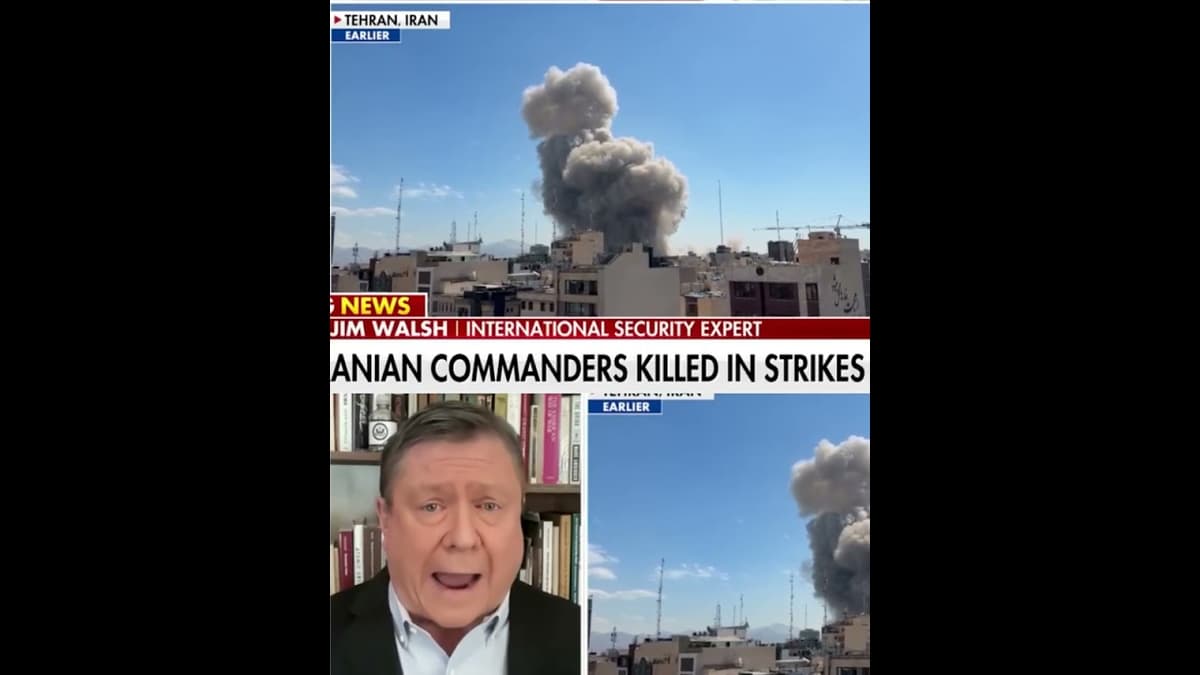
Expert Breaks Down Challenges of Regime Change in Iran, Calls It a ‘Tough Nut to Crack’ - FOX
A Fox interviewee argued that while President Trump offered Iran free civilian nuclear fuel and Tehran declined—raising suspicions about its enrichment intentions—U.S. intelligence sees no clear evidence Iran has restarted a weapons program. The analyst said Iran is weaker than...
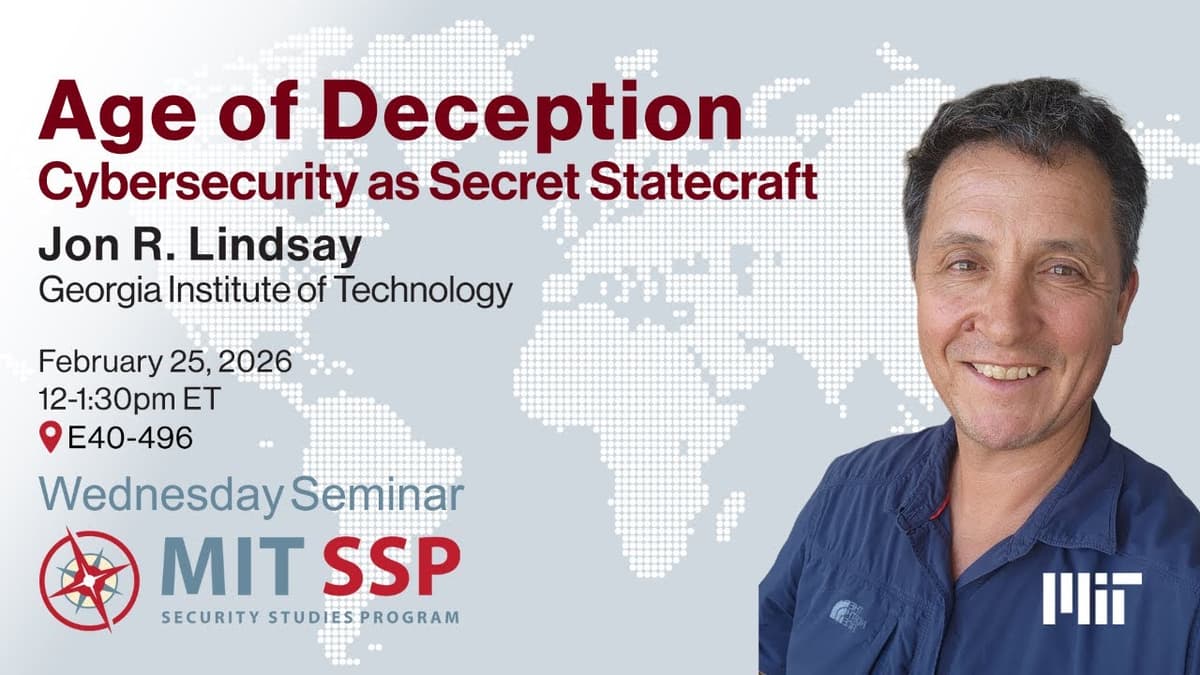
Age of Deception: Cybersecurity as Secret Statecraft
Jon R. Lindsay will present his new book, Age of Deception: Cybersecurity as Secret Statecraft, at a Wednesday seminar. The work frames contemporary cyber threats within the long‑standing practices of intelligence and statecraft. Lindsay argues that modern cybersecurity is an...
Retrench, Defend, Compete: Securing America’s Future Against a Rising China #internationalsecurity
The video debates whether the United States should abandon its long‑standing policy of strategic ambiguity toward Taiwan, proposing instead a clear, conditional defense commitment. The speaker argues that while ambiguity has so far balanced Beijing’s calculations, explicit guarantees could enhance...
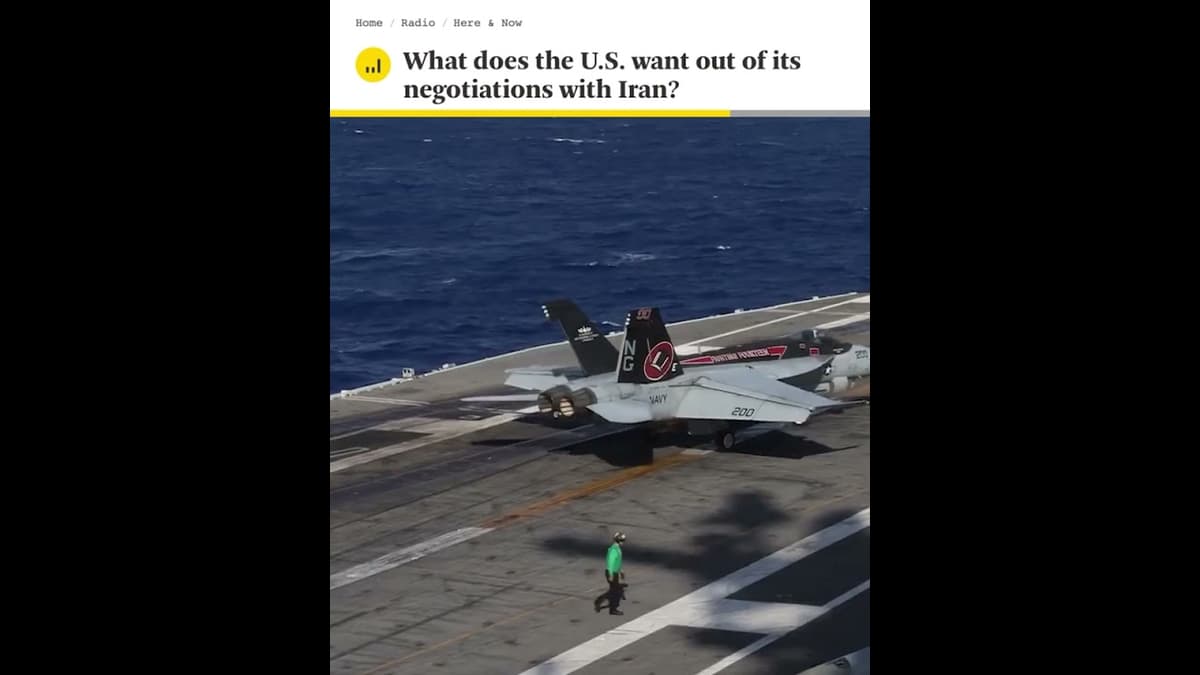
What Does the U.S. Want Out of Its Negotiations with Iran? - WBUR #internationalsecurity
The WBUR interview centers on what the United States hopes to achieve in its stalled negotiations with Iran, as analysts warn the talks have settled into a precarious holding pattern that could tip into open conflict. Jim Walsh argues that while...

Tensions Grow as More US-Iran Talks Are Expected #internationalsecurity
The video discusses the growing tension surrounding upcoming U.S.–Iran negotiations, emphasizing that while Iran’s ballistic missile arsenal is likely off‑limits, there may be room to negotiate on its nuclear enrichment program. The speaker argues that Iran views missiles as its sole...
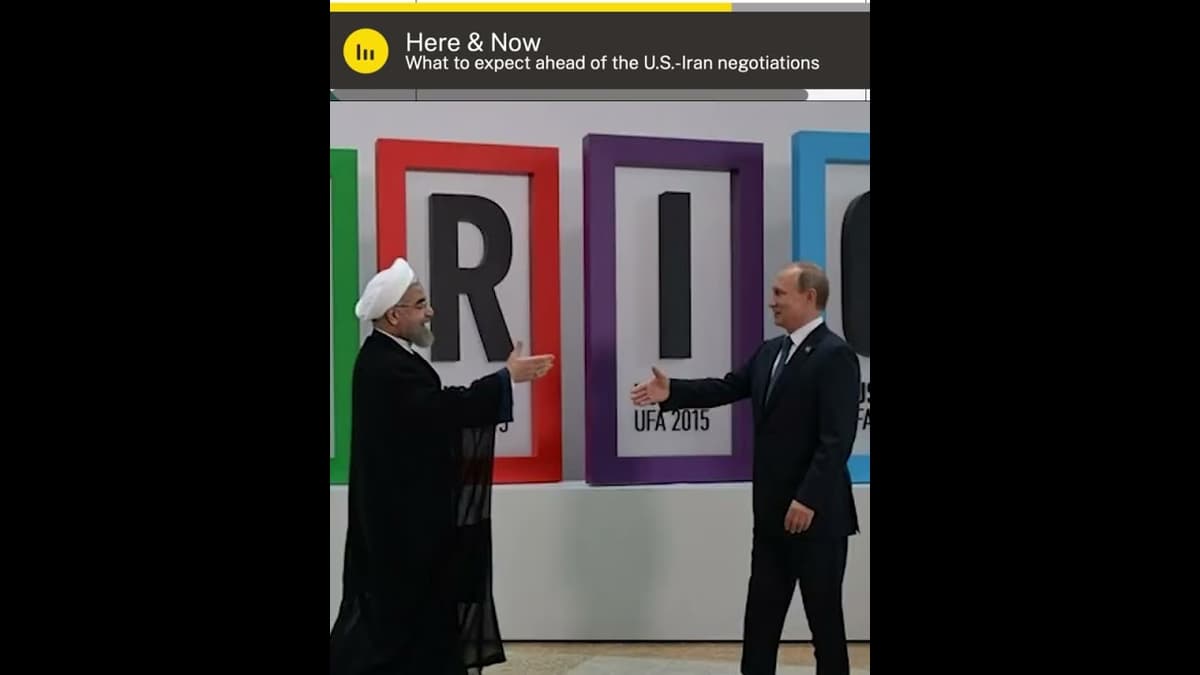
What to Expect Ahead of the U.S.-Iran Negotiations -WBUR #internationalsecurity
The WBUR interview spotlights the imminent U.S.–Iran talks aimed at resolving Tehran’s nuclear program after Washington’s summer strike on a nuclear facility, a flashpoint in the broader Israel‑Iran rivalry. According to host Scott Tong and analyst Jim Walsh, the Trump administration...