
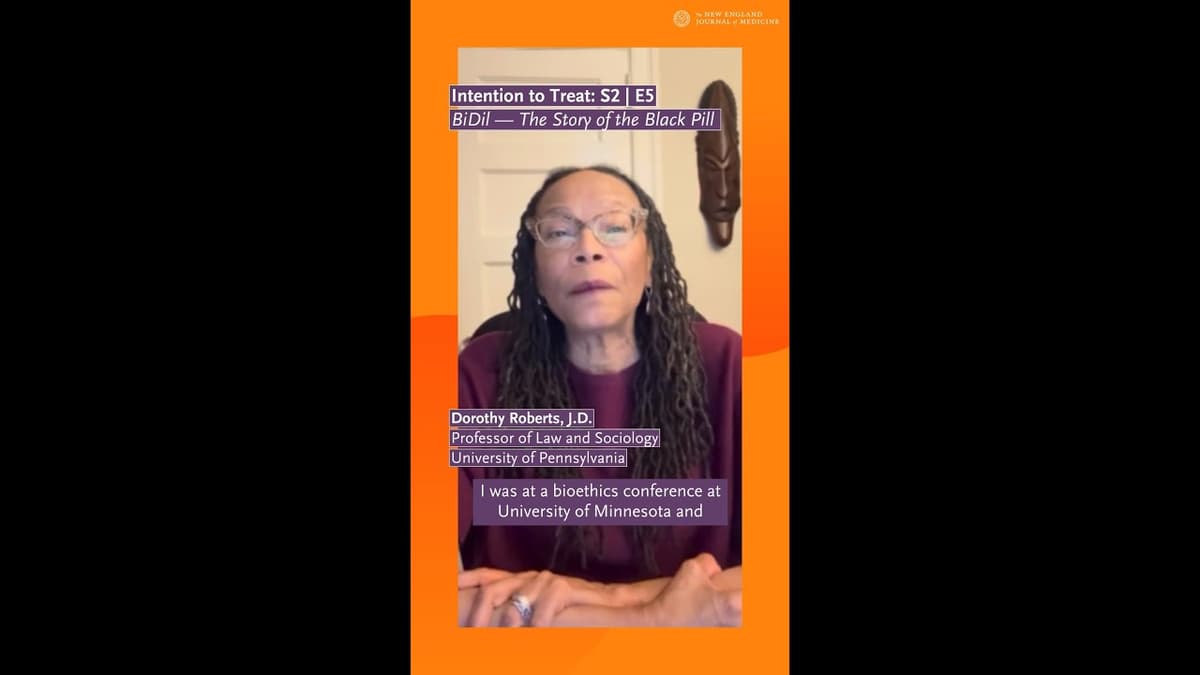
Dorothy Roberts, JD, on a Heart Therapy Approved and Marketed for Black People Only
Dorothy Roberts, a bioethicist, recounts learning that the FDA approved BiDil, a heart‑failure therapy, solely for Black patients, sparking outrage over race‑based drug labeling. She argues the approval rests on the discredited premise that humans fall into distinct biological races, noting that the drug’s market segmentation was driven more by NitroMed’s profit motives than any proven genetic advantage. Roberts cites the FDA advisory committee chair’s claim that “self‑identified race is a surrogate for genomic‑based medicine,” highlighting how such rhetoric diverts attention from the social and environmental factors that underlie the disproportionate burden of heart disease in Black communities. The episode underscores the danger of race‑specific approvals: they can misguide research, reinforce stereotypes, and impede efforts to address structural inequities that truly drive health disparities.

Is Change Possible?
The video examines how race has been embedded in medical diagnostics and treatment, arguing that it is a social construct rather than a biological reality. Rachel Gotbaum interviews Dr. Michelle Morse of NYC Health Dept and Dr. Joseph Wright of...
OpenAI’s Karan Singal on HealthBench and the Future of Medical AI
The podcast features Karan Singal, head of health AI at OpenAI, discussing the origins of the HealthBench benchmark and the broader evolution of medical artificial intelligence. He recounts the "brain moonshot" launched in 2020, when large language models were just...
Review Article: Antidotes for Anticoagulation Reversal (Key Points)
Drs. Bianca Rocca and Hugo ten Cate dissect the latest strategies for reversing anticoagulation during major bleeding or urgent surgery. They outline approved antidotes such as idarucizumab for dabigatran and andexanet alfa for factor Xa inhibitors, while highlighting gaps in evidence and...
The Myth of Race and Genetics
The video debunks the myth that race corresponds to distinct genetic categories, emphasizing that the Human Genome Project showed over 99.9% similarity among all people. Experts explain that the biological criteria for subspecies—significant between‑group genetic divergence and unique evolutionary lineages—are...
Dr. Glaucomflecken Explains: Transdermal Estradiol in Prostate Cancer
The video discusses a New England Journal of Medicine trial that compared transdermal estradiol patches with luteinizing hormone‑releasing hormone (LHRH) agonists in men with locally advanced prostate cancer. The study enrolled men who could not tolerate conventional androgen‑deprivation therapy and...

NEJM Clinician: Are PPIs Linked to COPD Flares?
The NEJM Clinician video examines whether proton‑pump inhibitors (PPIs) contribute to increased COPD flare‑ups. It highlights a recent claims‑based analysis of more than 900,000 patients with obstructive airway disease, comparing those prescribed PPIs to those who were not, while controlling...
Dr. Noha Aboelata on the Pulse Oximeter Problem
Dr. Noha Aboelata recounts treating a Black patient whose pulse oximeter falsely showed acceptable oxygen levels, forcing a painful blood test to prove he needed home oxygen. She notes a New England Journal of Medicine study during the pandemic confirming...
Intention to Treat: When Race Matters (Promo)
The video highlights that pulse oximeters, once hailed as a breakthrough, systematically mismeasure oxygen saturation in patients with darker skin tones. Research cited shows the devices overestimate SpO2 by up to 3‑4 percentage points for Black and Brown patients, a bias...
When Race Matters
The video “When Race Matters” examines how a ubiquitous medical device – the pulse oximeter – failed to deliver accurate oxygen‑saturation readings for patients with darker skin during the COVID‑19 pandemic, turning a life‑saving tool into a source of deadly...

Dr. Glaucomflecken Explains: Intensive LDL Cholesterol Targeting in Atherosclerotic CVD (Ez-PAVE)
The video features Dr. Glaucomflecken breaking down a New England Journal of Medicine trial that compared intensive LDL‑cholesterol lowering (target <55 mg/dL) with conventional management (target <70 mg/dL) in patients with established atherosclerotic cardiovascular disease. Over 3,000 adults were randomized and followed for three years....
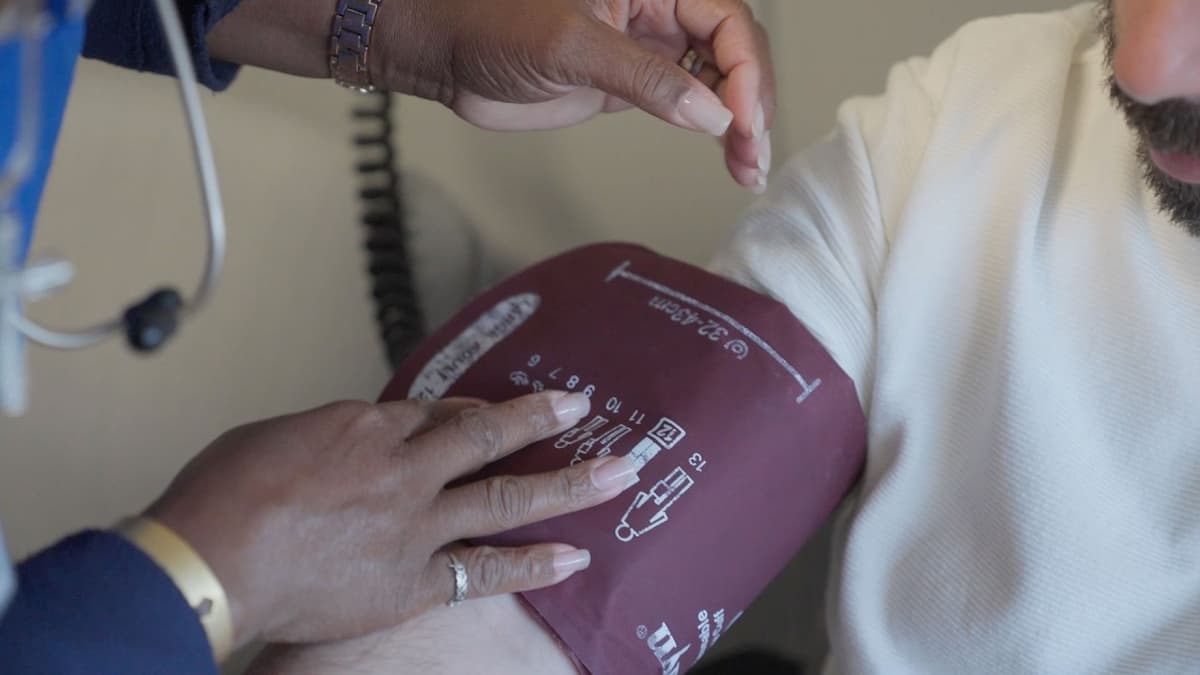
Cardiovascular Risk Factors — Hypertension | NEJM
The video highlights a recent New England Journal of Medicine study examining how traditional risk factors—hypertension, smoking, dyslipidemia, overweight, and diabetes—drive cardiovascular disease (CVD) worldwide. Using data from more than two million participants, the authors translate risk into a lifetime‑risk...

The OpenEvidence Episode: Dr. Travis Zack on the Future of Clinical Evidence
In this episode of AI Grand Rounds, host Rajan Ry and co‑host Andy Beam sit down with Dr. Travis Zack, Chief Medical Officer of OpenEvidence, to unpack the company’s AI‑driven approach to clinical evidence retrieval. The conversation traces OpenEvidence’s mission...
Endovascular Treatment of Medium-Vessel-Occlusion Strokes (ORIENTAL-MeVO)
The ORIENTAL-MeVO study examined the safety and efficacy of endovascular thrombectomy in patients suffering medium‑vessel occlusion (MeVO) strokes, a cohort traditionally managed with medical therapy alone. Conducted across twelve high‑volume stroke centers, the trial enrolled 150 participants presenting with occlusions...
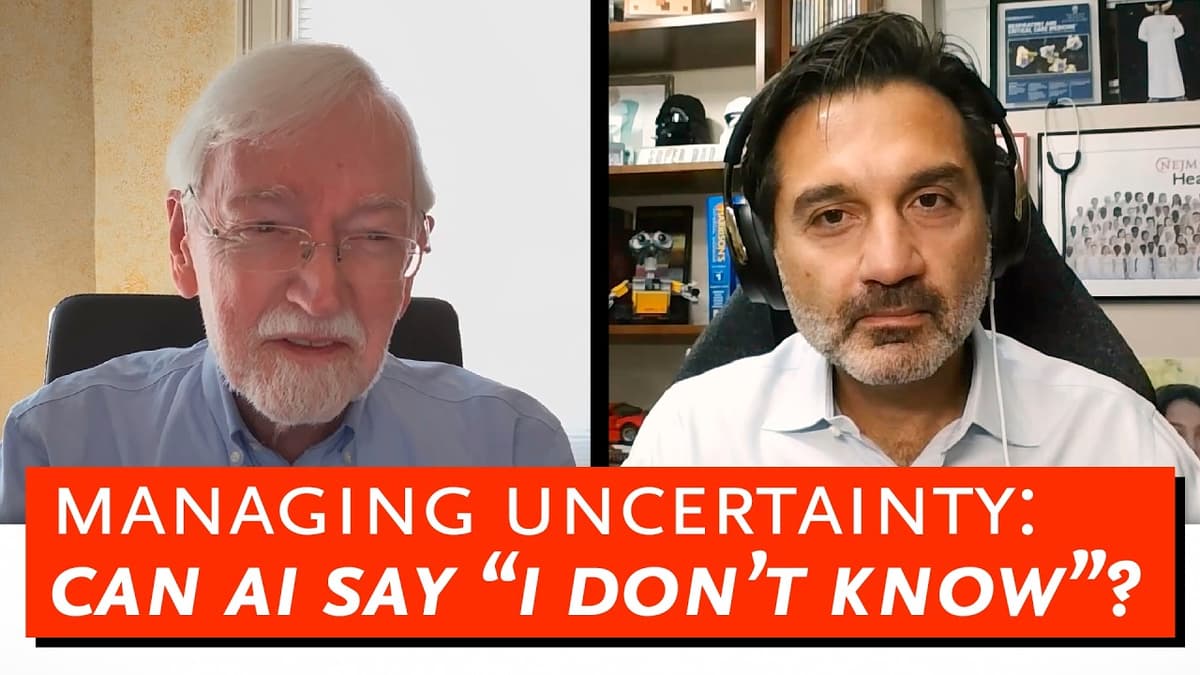
Perspective Video Interview: Managing Uncertainty
In a NEJM perspective interview, Steven Morsy and Dr. Raja Ali Abdul Nure discuss how uncertainty permeates modern medicine and why clinicians and AI systems must learn to vocalize it. The conversation frames uncertainty as both factual—diagnostic probabilities—and environmental—team dynamics...