
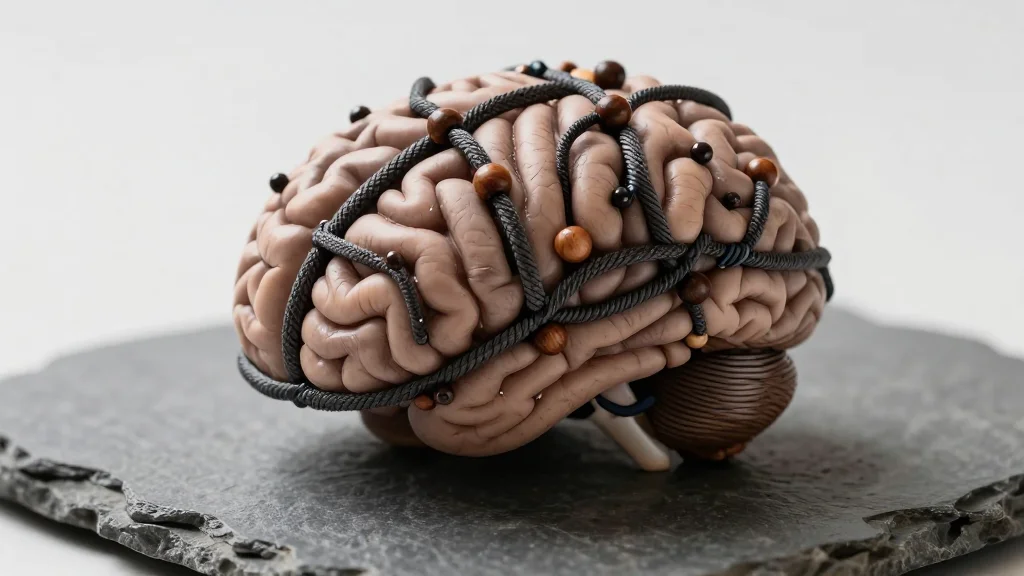
Focus Crushed by Hidden Habits, Not Your Phone
7 habits quietly killing your focus. None of them are your phone. We like to blame the device. It's the easiest target — flat, glowing, always within reach. But after years of studying why people lose hours they meant to spend on something else, I keep coming back to the same finding: distraction starts from within. The phone is the cope. The habit underneath is the cause. Here are the seven I see most: 1. Opening apps before you've decided what you want from them. If you didn't plan the visit, the app planned it for you. 2. Treating your to-do list as your schedule. A to-do list is a wish. A calendar is a commitment. You can't say you got distracted unless you know what you got distracted from. 3. Using "quick checks" to escape discomfort. Boredom, anxiety, loneliness, fatigue — the urge to check is almost always a flinch away from a feeling. 4. Saying yes to meetings that should have been a decision. Every unguarded hour gets colonized by someone else's priorities. 5. Keeping notifications on by default. Default settings are someone else's preferences for your attention. 6. Confusing being busy with making traction. Traction and distraction share the same Latin root — trahere, to pull. One pulls you toward what you said mattered. The other pulls you away. 7. Believing willpower runs out. The Carol Dweck work on this is clear: people who think willpower is limited show "depletion." People who don't, don't. Notice that none of these are technological. They're all decisions — most of them made by not deciding. The fix isn't a detox. It's a calendar block, a script for the urge ("not yet"), and the honesty to look at what you're trying to escape. Time management is pain management.
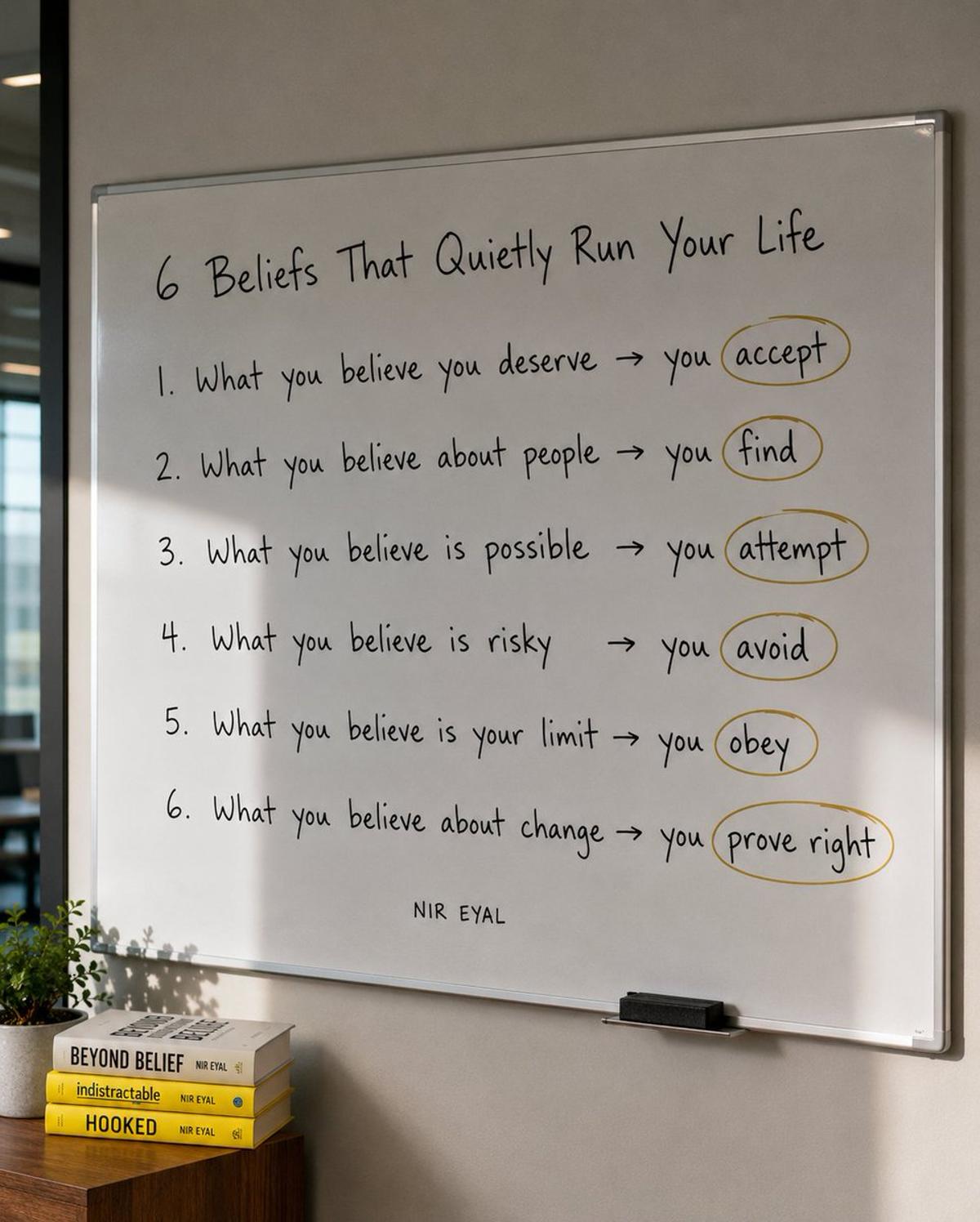
Your Beliefs Are Tools, Not Fixed Facts
Six beliefs quietly run most of your life. You didn't choose them. You inherited them — from parents, teachers, the culture you grew up in, the algorithms you scroll past at midnight. Most people treat their beliefs the way they treat...
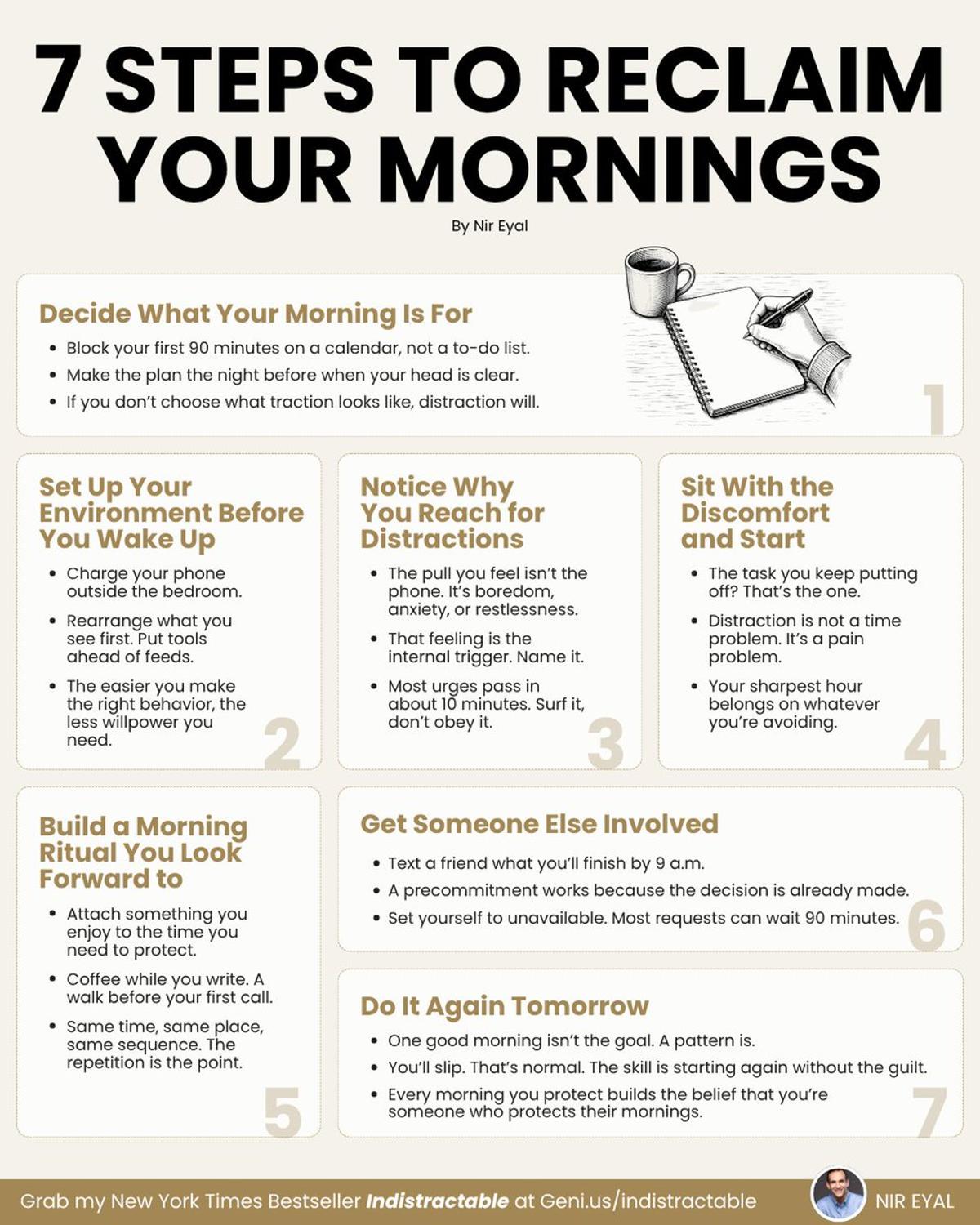
Stop Phone Distractions: Reclaim Your Morning with Simple Steps
Most mornings don't get lost to big crises. They get lost to small surrenders — checking the phone before your feet hit the floor, opening email before you've decided what today is for. Here are 7 steps to reclaim your mornings: 1....
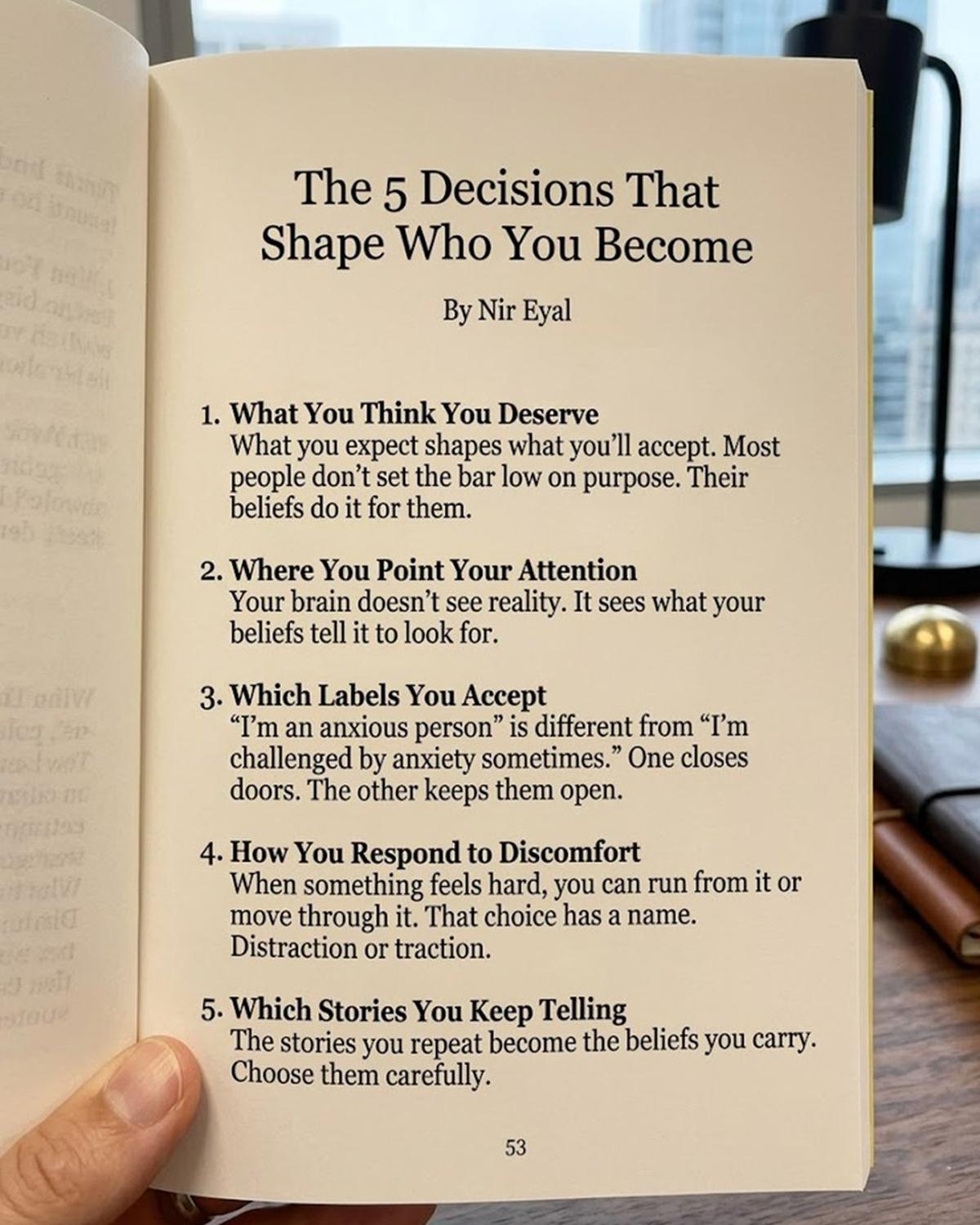
Character Forms From Five Unnoticed Daily Decisions
Most people think character is something you're born with. It isn't. It's the residue of five decisions you keep making — usually without noticing. 1. What you pay attention to. Attention is the raw material of experience. William James said it a...
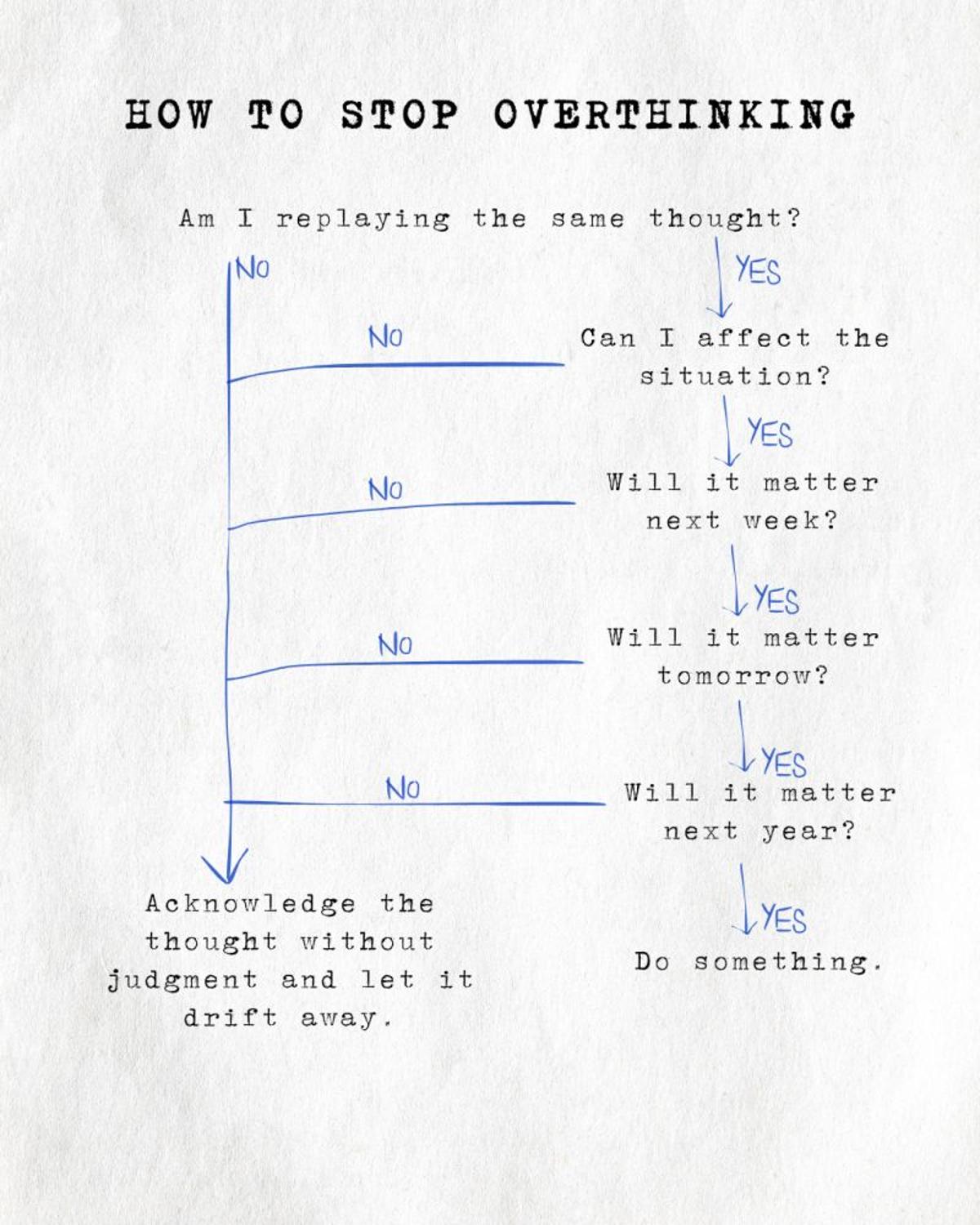
Overthinking Masks Discomfort, Not a Thinking Issue
Overthinking isn't a thinking problem. It's a discomfort problem. When I catch myself replaying a conversation for the fifth time, or rehearsing an email I haven't sent, I used to think I was being thorough. Careful. Responsible. I wasn't. I was avoiding...
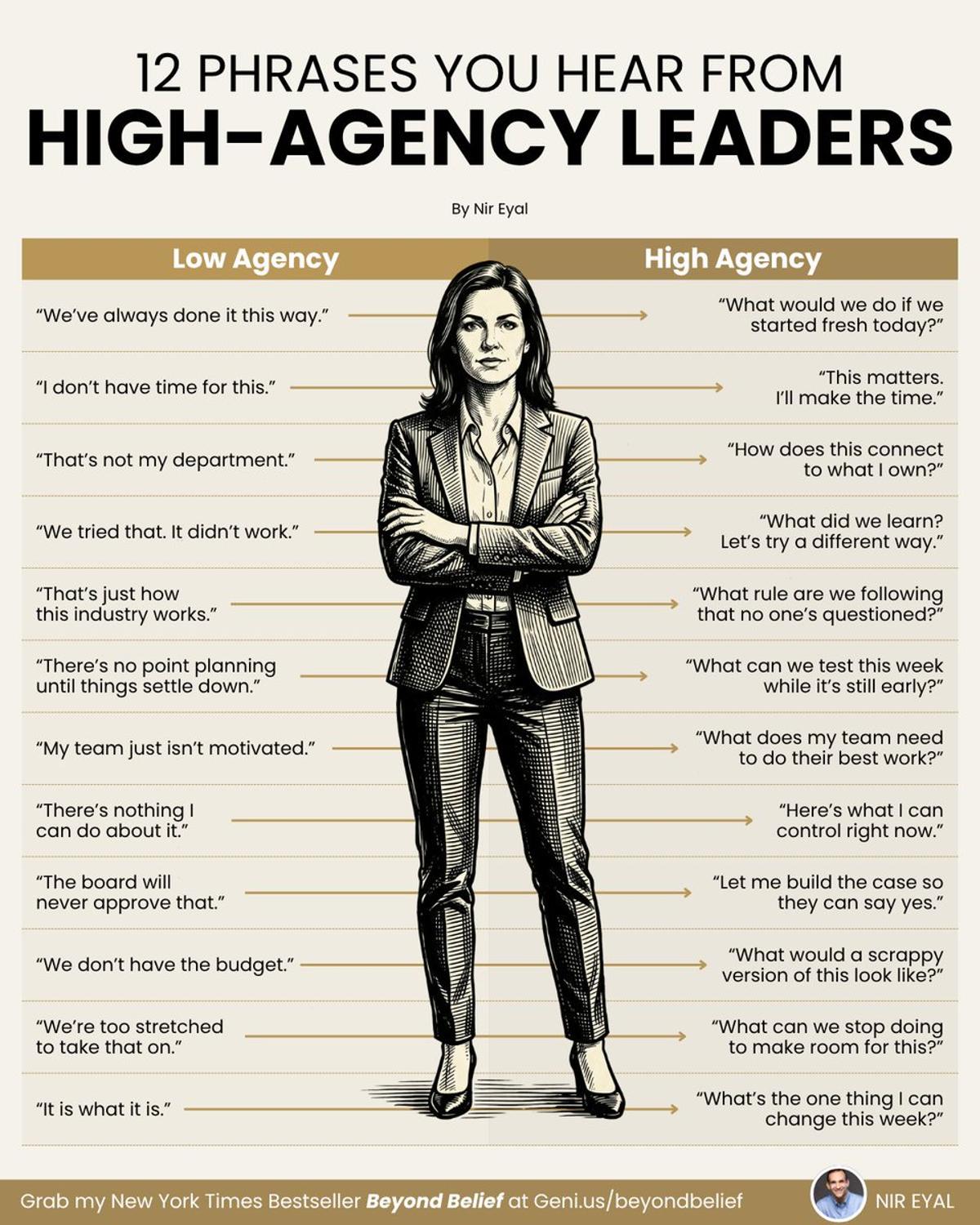
High‑agency Leaders Speak in Ownership, Not Excuses
High-agency people talk differently. Listen to anyone who consistently gets things done — at work, in their family, in their own life — and you'll notice the language is structurally different from the people stuck waiting on permission, conditions, or someone...
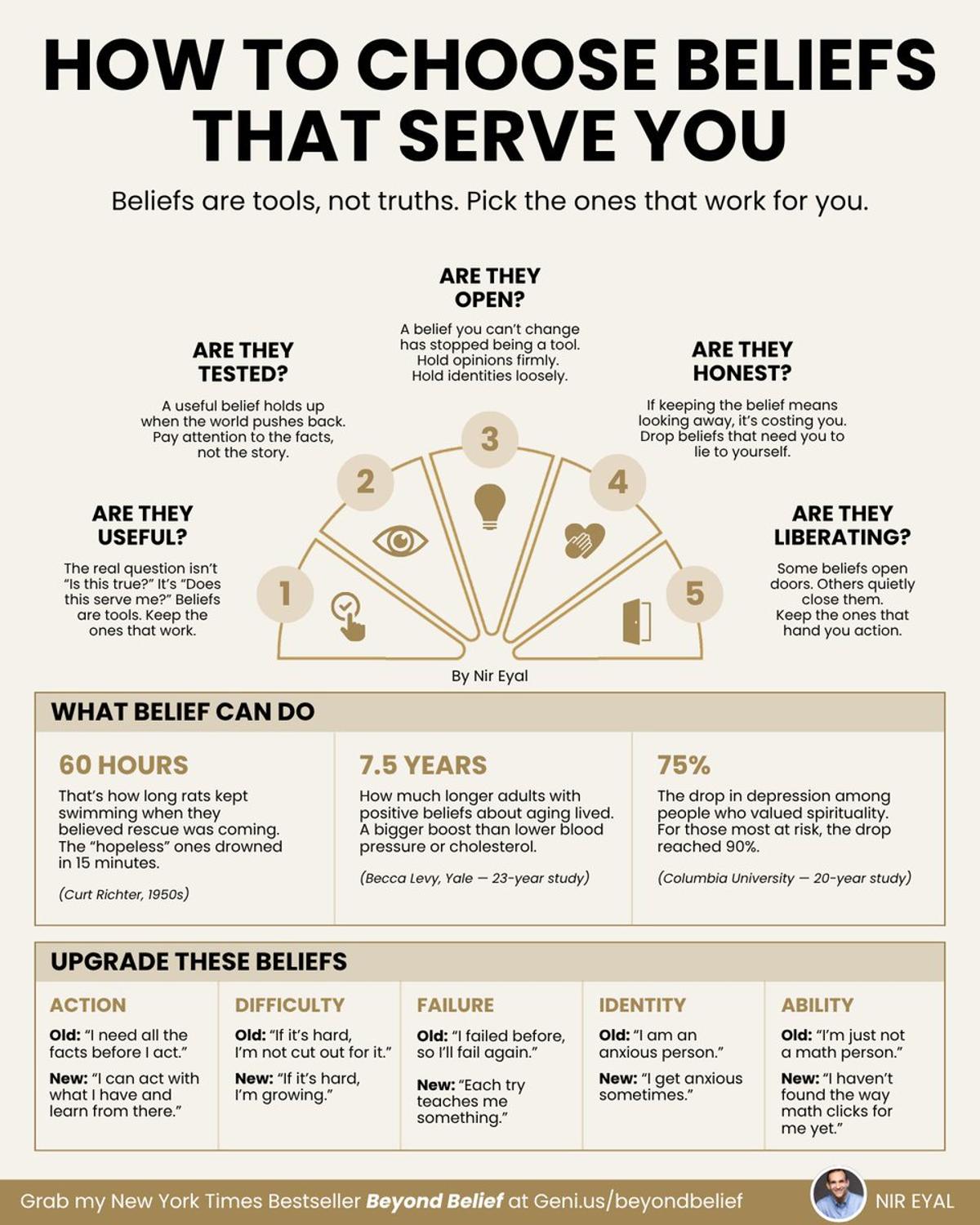
Beliefs Are Tools, Not Facts—Choose Useful Frames
Beliefs aren't facts. They're tools. Most of us treat our beliefs about ourselves like weather reports — accurate descriptions of conditions we can't change. "I'm not a morning person." "I have no willpower." "I'm bad at math." But a belief isn't a...
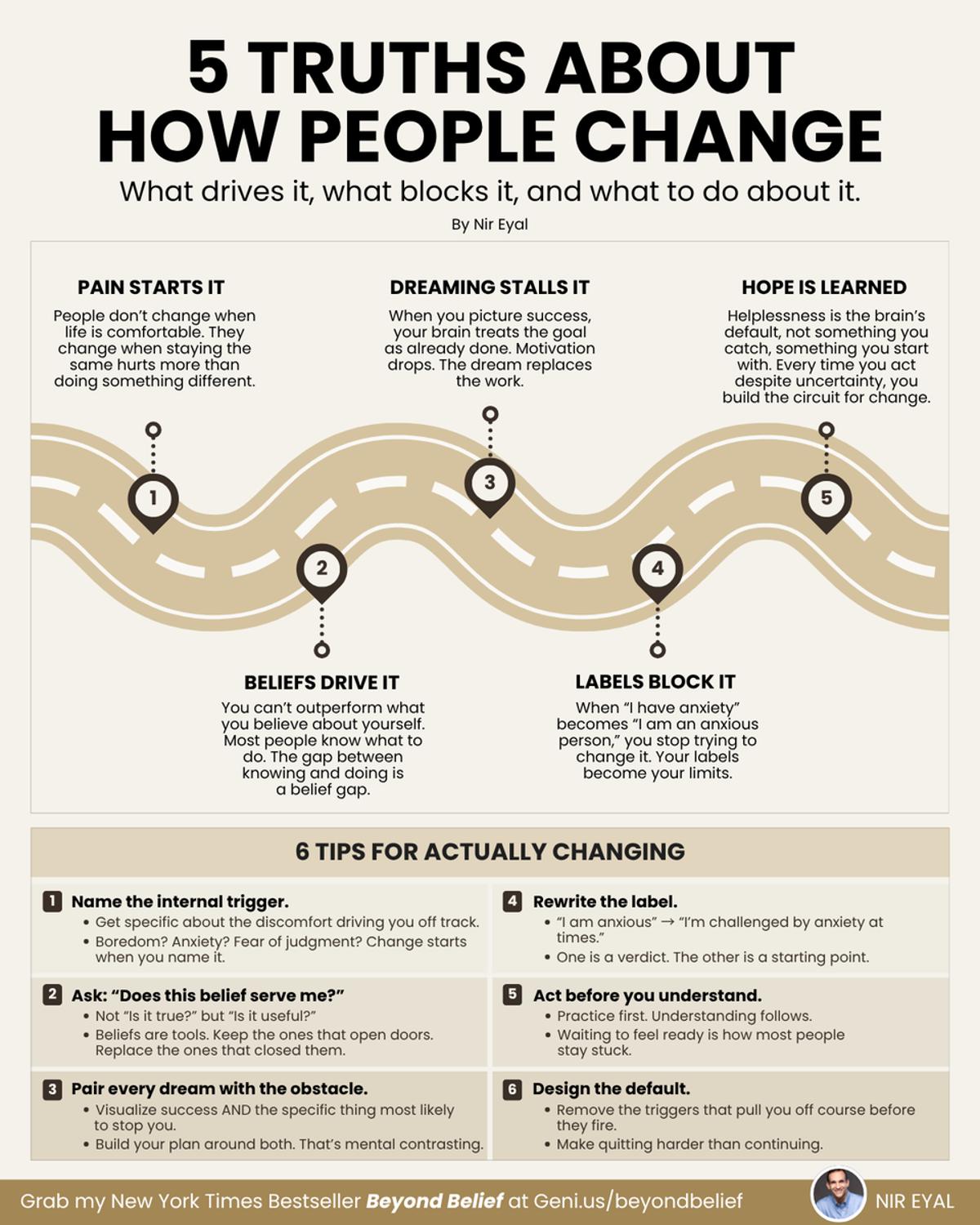
Change Happens When Cost Shifts, Not Willpower
5 truths about how people change. Most behavior-change advice is built on a fantasy: that if you just want it badly enough, you'll do the thing. The research says otherwise. After two decades reading the literature and writing three books on...
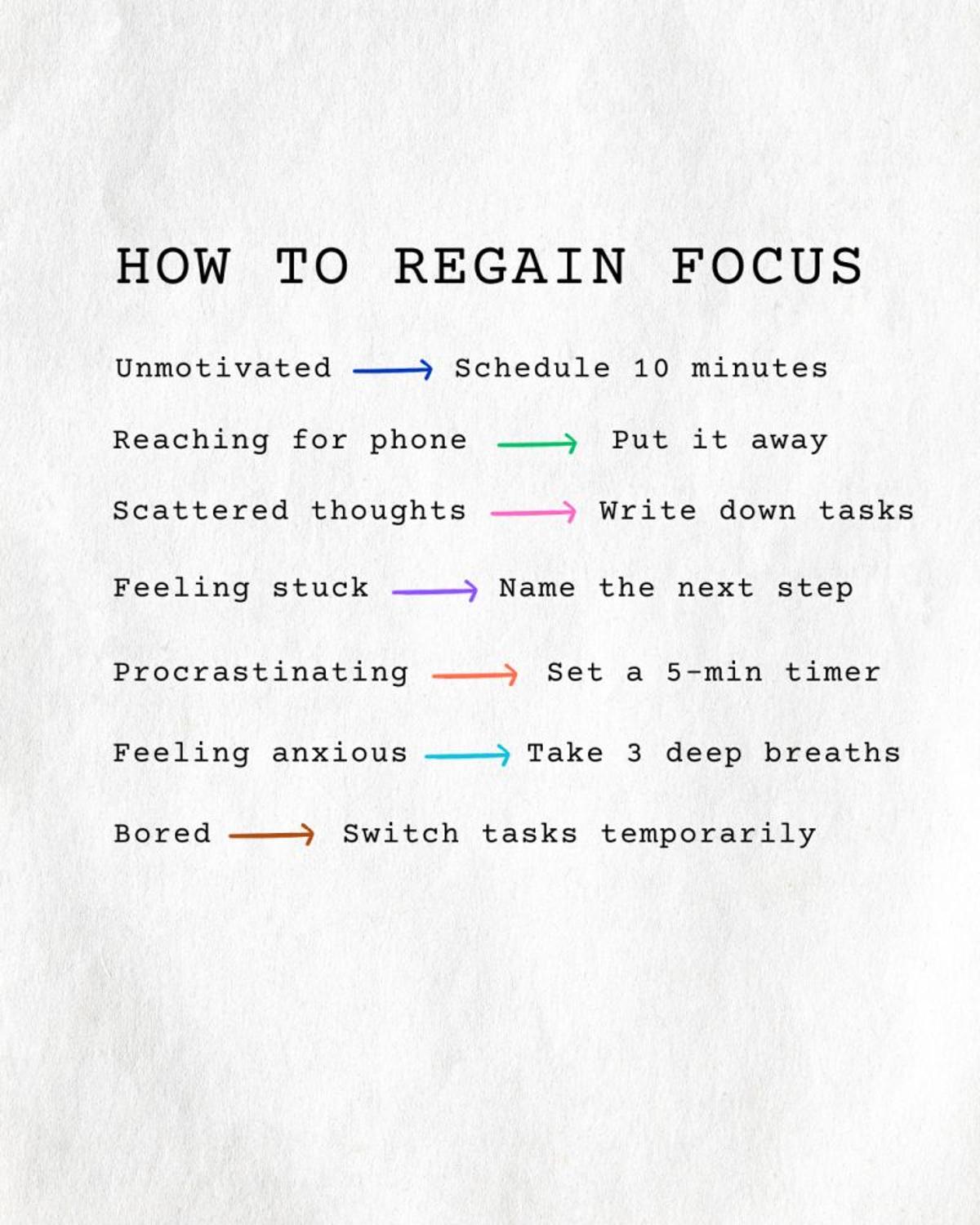
Focus Fails When You Avoid Uncomfortable Feelings
Most people think they have a focus problem. They don't. They have a discomfort problem. When you reach for your phone mid-task, you're not failing at willpower. You're escaping a feeling — boredom, anxiety, uncertainty about whether the next sentence is...
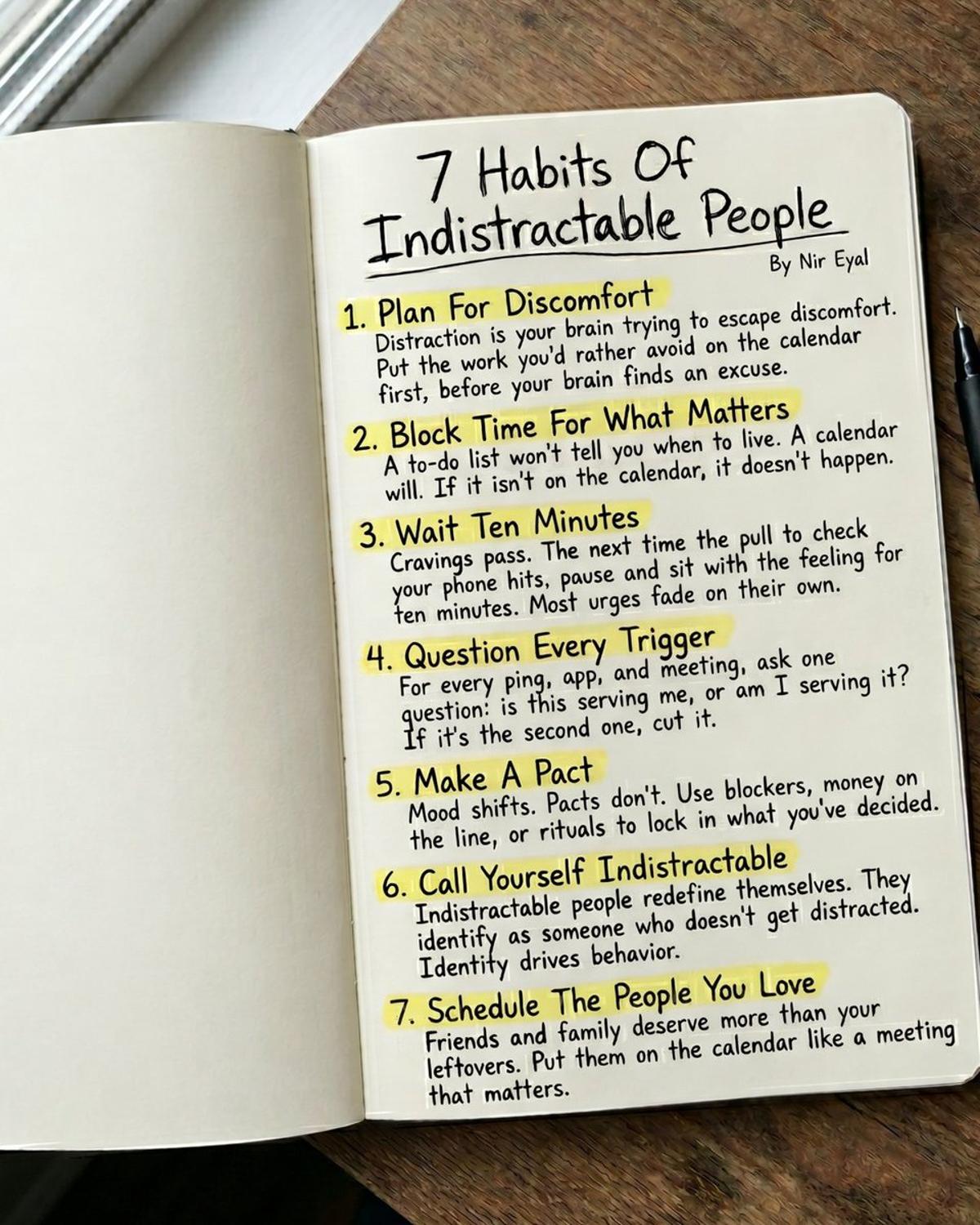
Indistractable People Master Triggers, Not Apps
7 habits of indistractable people. None of them involve an app blocker. I spent years thinking my distraction problem was a technology problem. Delete the apps, install the blocker, buy the dumbphone. It never worked for long, because the phone was never...
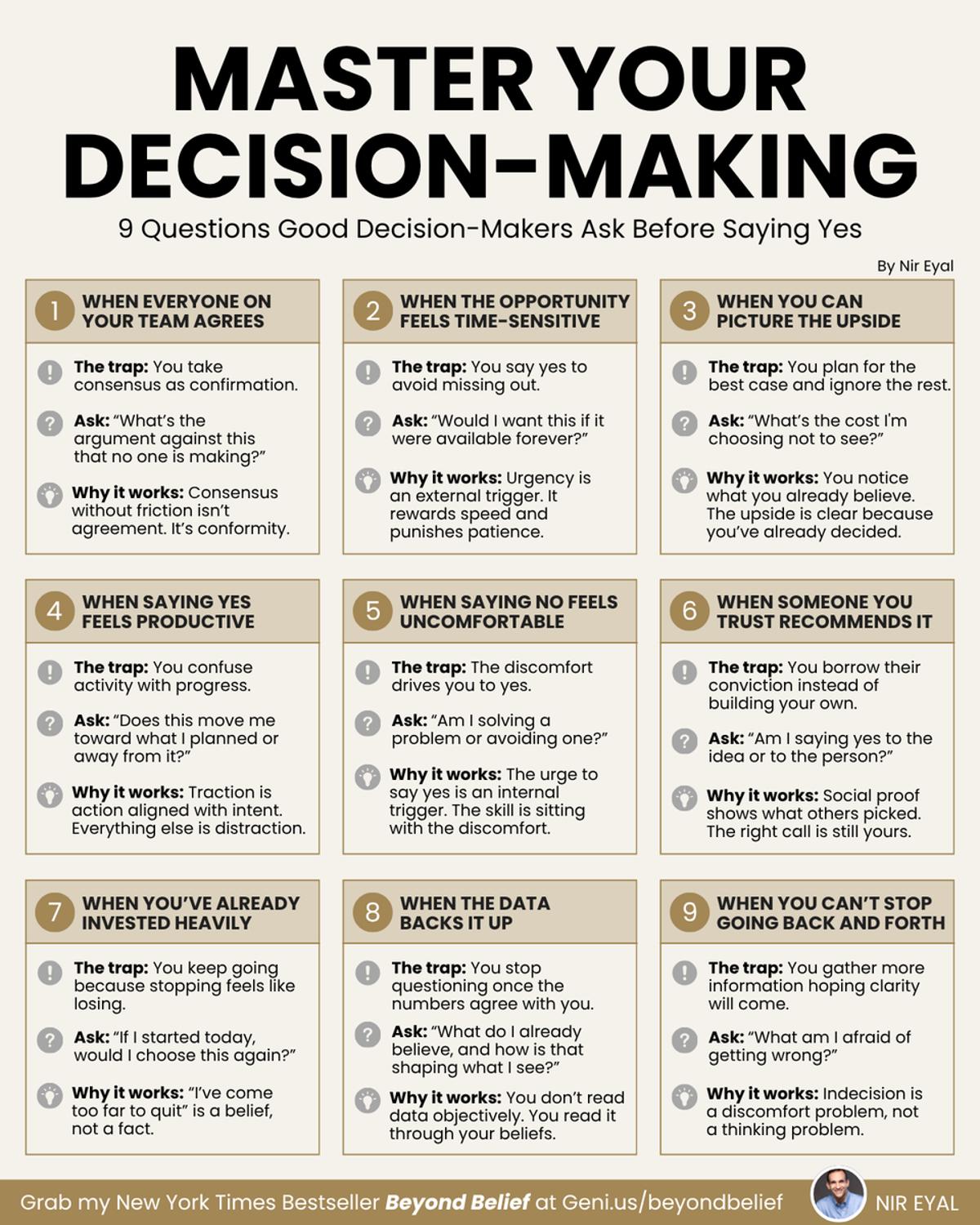
Better Defaults, Not More Info, Drive Smarter Decisions
Most people think better decisions come from more information. They don't. They come from better defaults. Every day you make thousands of choices. What to eat. When to check your phone. Whether to open the tab you said you wouldn't. If each...
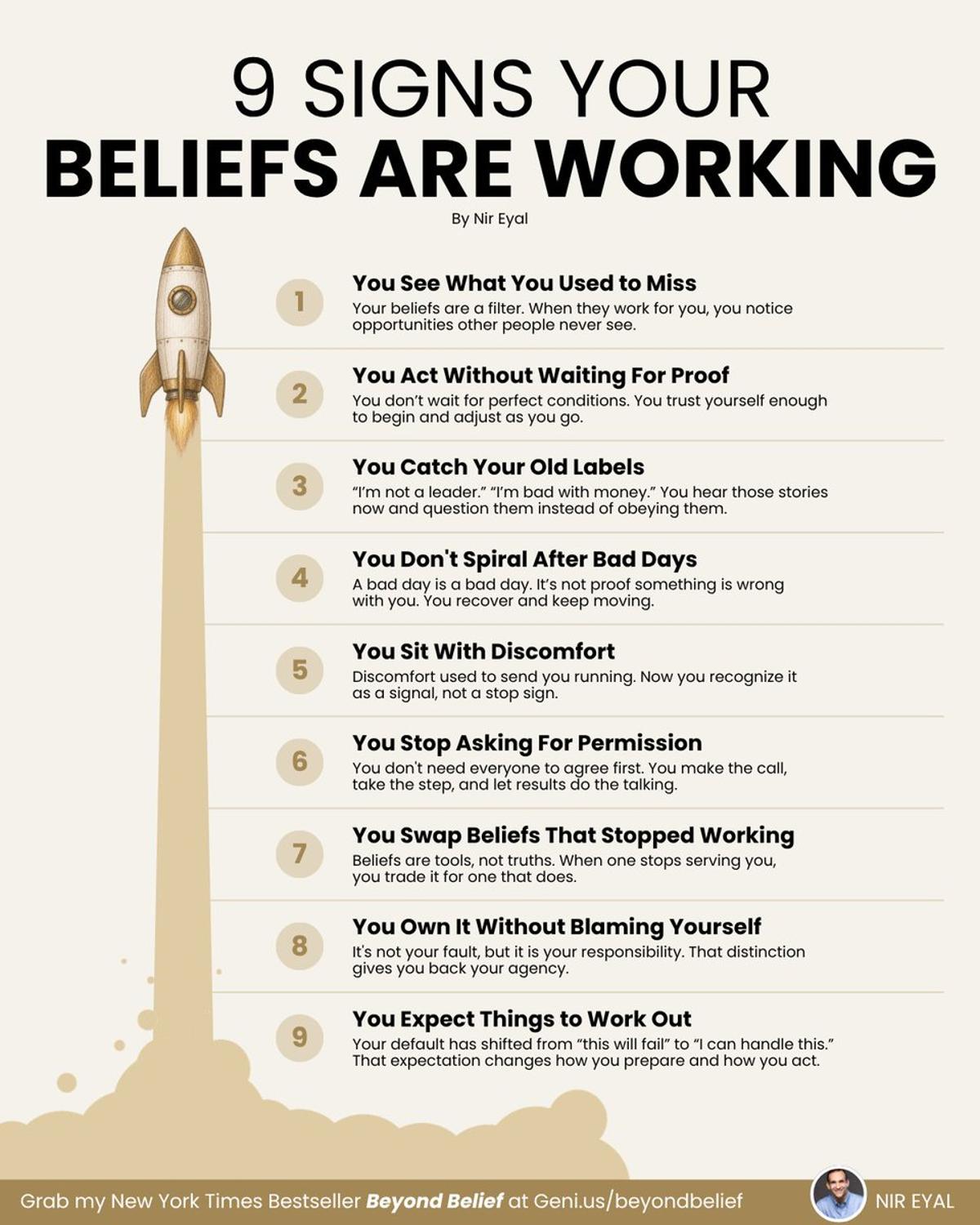
Test Beliefs by Their Results, Not Their Truth
Beliefs aren't facts. They're tools. The question isn't whether a belief is true. It's whether it's working. Here are 9 signs the beliefs you're holding are doing their job: 1. You take action even when you don't feel ready. 2. Setbacks feel like data,...
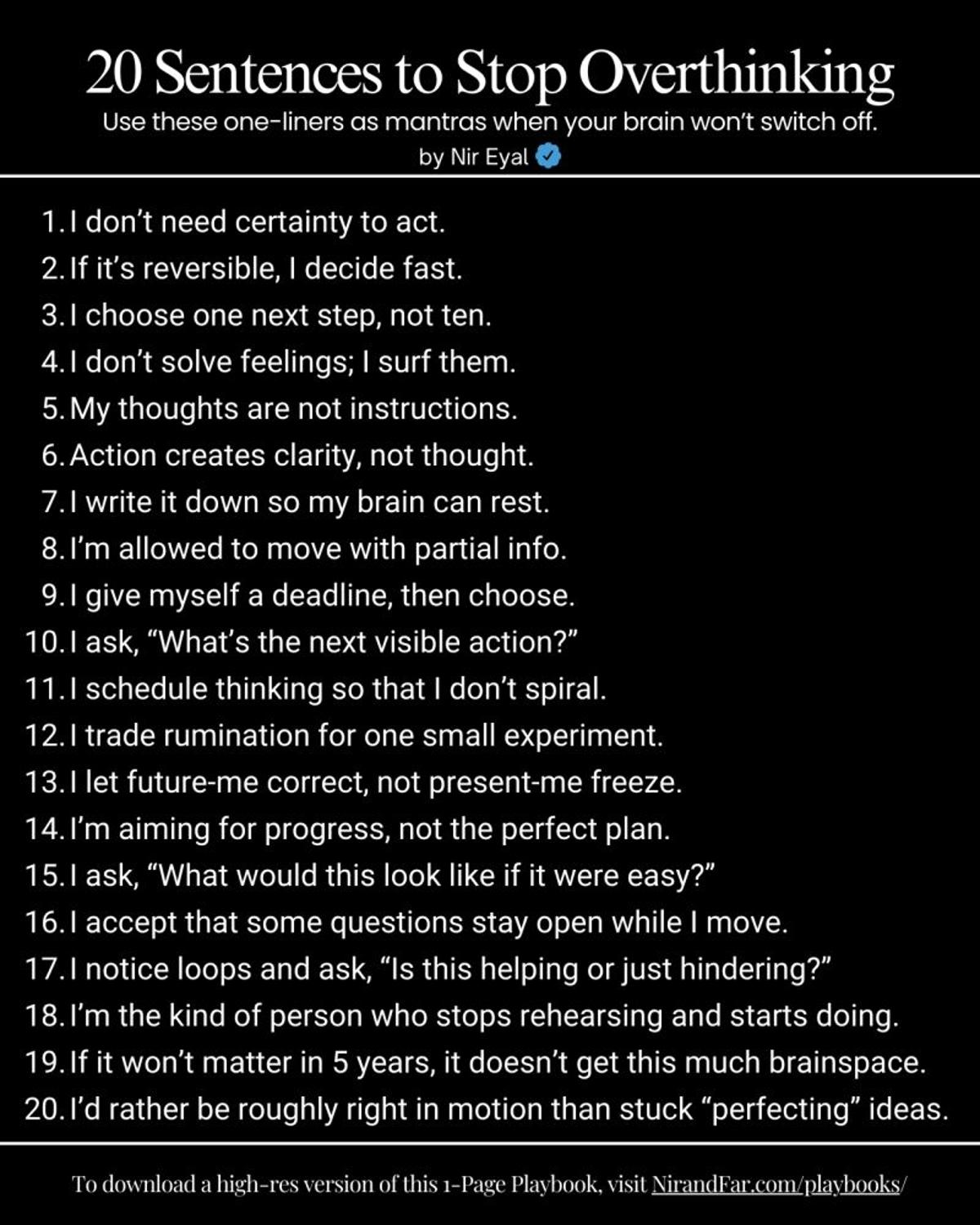
Stop Overthinking: Action Beats Rumination with Simple Playbook
If you can't stop replaying things in your head, read this: Overthinking feels productive. It feels like you're working on the problem. But most of the time, you're not solving anything. You're just burning mental energy in a loop: "What if I choose...
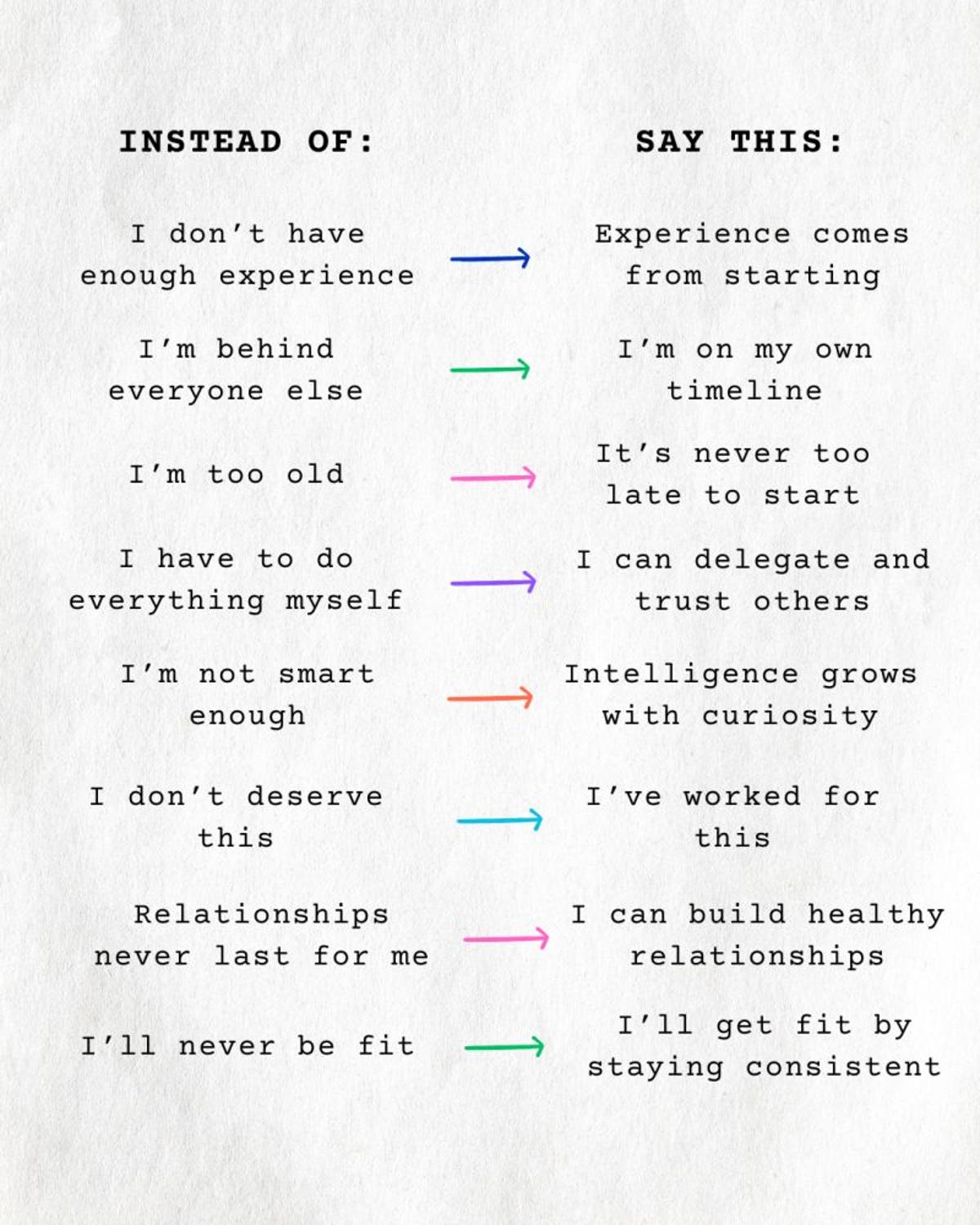
Breakthroughs Begin When You Challenge Limiting Beliefs
Most people don't fail from lack of talent. They fail because of limiting beliefs. Limiting beliefs feel like facts. But often they're just lies your brain repeats to keep you "safe." The result? You play small. You procrastinate. Or you quit too...
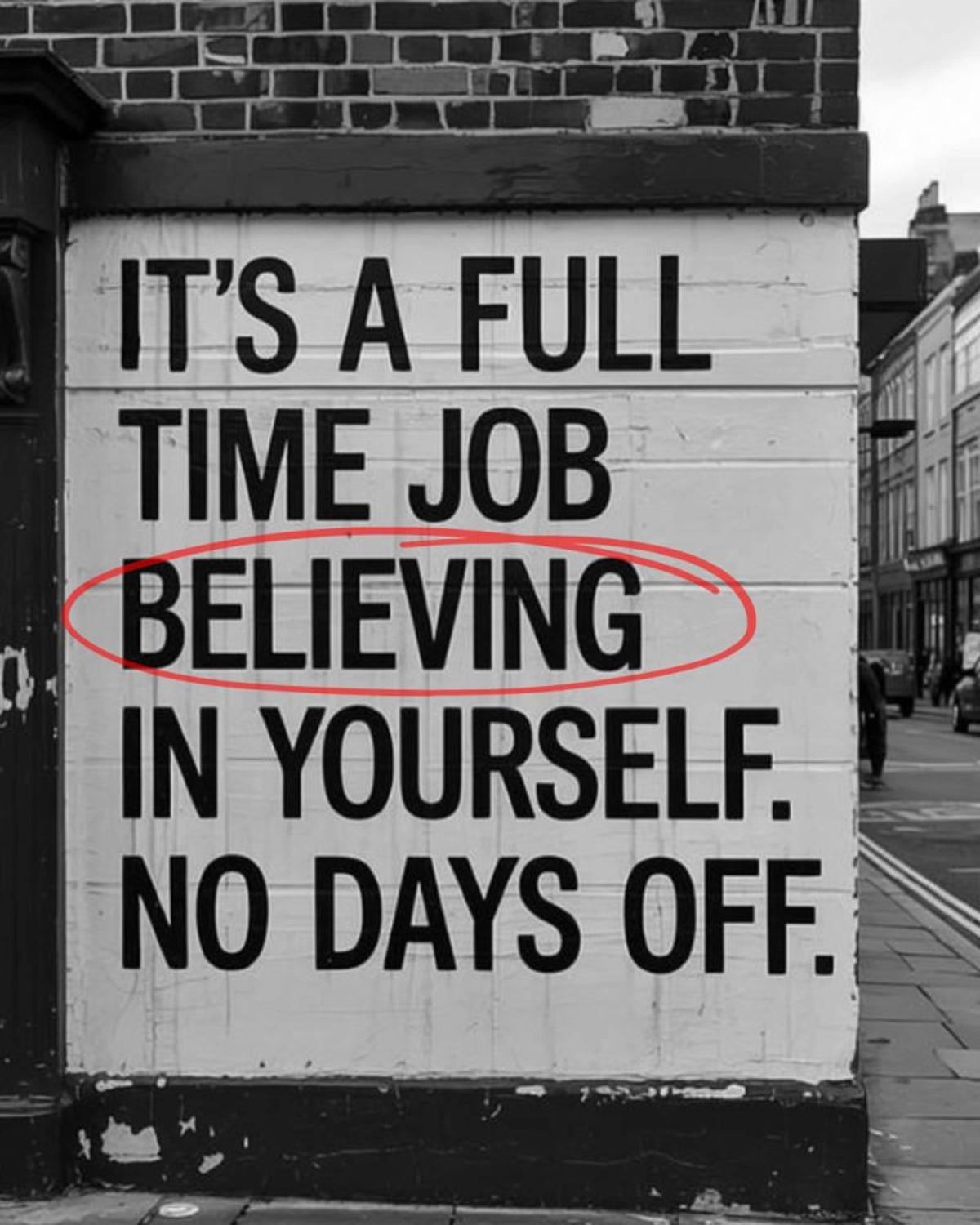
Self‑belief Is a Daily Practice, Not a Trait
You can build skills in months. But self-belief? That's daily work. Most people treat self-belief like a personality trait. Something you either have or you don't. Belief doesn't work that way. Over the 5+ years writing my upcoming book, BEYOND BELIEF, I learned that...