

Side‑lying Nursing Adds an Hour of Precious Sleep
One thing I did not master until my third baby is side-lying breastfeeding. With my second I would get up and sit in bed every time the baby needed to feed at night. That is a lot of fully waking up, sitting upright, feeding, putting them back down, and then trying to fall asleep again multiple times a night. With my third I did the same thing for the first 6 to 8 weeks while we were both learning and getting into our flow. But after that I started side-lying out of pure desperation to get more sleep. And it completely changed my nights. You never fully wake up. Your body stays in a resting position, the baby feeds, and you both drift in and out of sleep together. That might not sound like much but you can squeeze in an extra 30 to 60 minutes of sleep that way. When you are a mother, every minute of sleep counts. I wish I had figured this out sooner.

Universal Lullabies: Rhythm and Repetition Soothe Newborns
One of the ways I get my babies to sleep is by saying "jho jho, jho jho" over and over while patting their back rhythmically. I picked it up from watching my aunts and other Indian moms with their babies. I...

Pregnancy Makes Your Heart Grow 30‑50% Larger
Your heart physically grows during pregnancy. It increases in mass by 30-50% to keep up with the extra blood your body is making. By the third trimester, your heart is pumping about 1.5 liters more blood per MINUTE than before...

Mothers Instantly Recognize Their Baby's Unique Cry Signature
It is wild how different each of my babies' cries are from each other. And how easily I can tell my baby's cry apart from any other baby. If I am out somewhere and a baby starts crying, I know...

Early Breastfeeding Pain Is Normal, Not Latch Failure
This is so true and nobody talks about it honestly. Breastfeeding hurts in the first two weeks for most women, even with a perfect latch. Your nipples are not used to that level of friction and suction and they need...

Quality Baby Carrier: Parenting's Most Valuable Investment
The best money I have ever spent as a parent is on high quality baby carriers. I have used my carriers thousands of times across three kids. It gets me through daily chores, walks outdoors, airports, witching hour and pretty much...
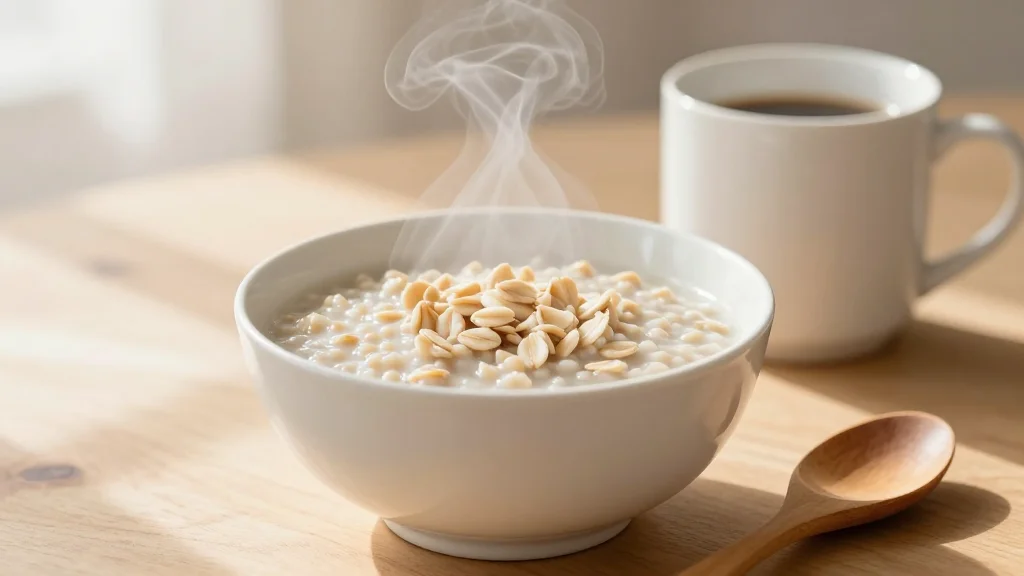
Warm Broths and Porridge Heal Postpartum Bodies
I am almost 4 months postpartum and it is getting warm outside but I am still craving warm brothy foods every day. I have some kind of porridge almost daily, whether it is ragi, oatmeal, or rice, and I sip...

Teach Babies Backward Stair Descent for Safer Independence
One of the first things I do once my babies are crawling confidently is teach them how to go down stairs backwards. I know a lot of parents have anxiety about babies and stairs, and I get it. But instead...

Teaching Kids Too Well Leads to Literal Sun‑soaking
This morning my son asked why a man across the street was walking shirtless. I explained that the sun is good for you and he wants to soak in as much sun on his skin as possible. He was quiet. After his...
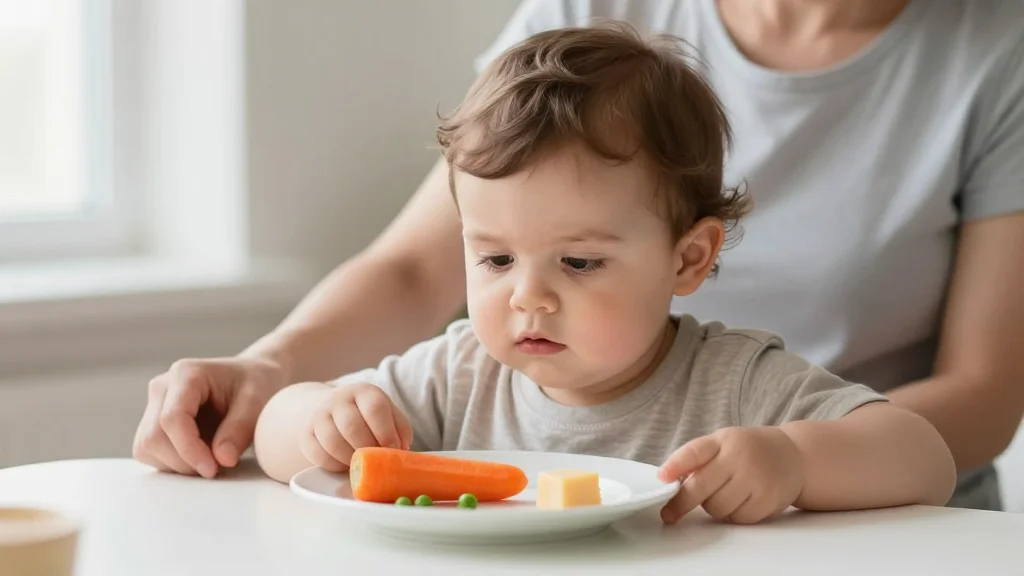
Let Go of Pressure; Kids Eat when They're Hungry
I remember when my son entered his picky eating phase around age 2 and how much it threw me off. This was a kid who ate everything. People at restaurants would stare and compliment how well he ate. He was...

Breastmilk Antibodies Teach Infant Gut Tolerance, Curb Allergies
Breast milk has antibodies that bind to bacteria in the baby's gut in the first days of life. In mice, maternal IgG in milk trained the infant immune system to tolerate harmless bacteria and food proteins instead of reacting to...
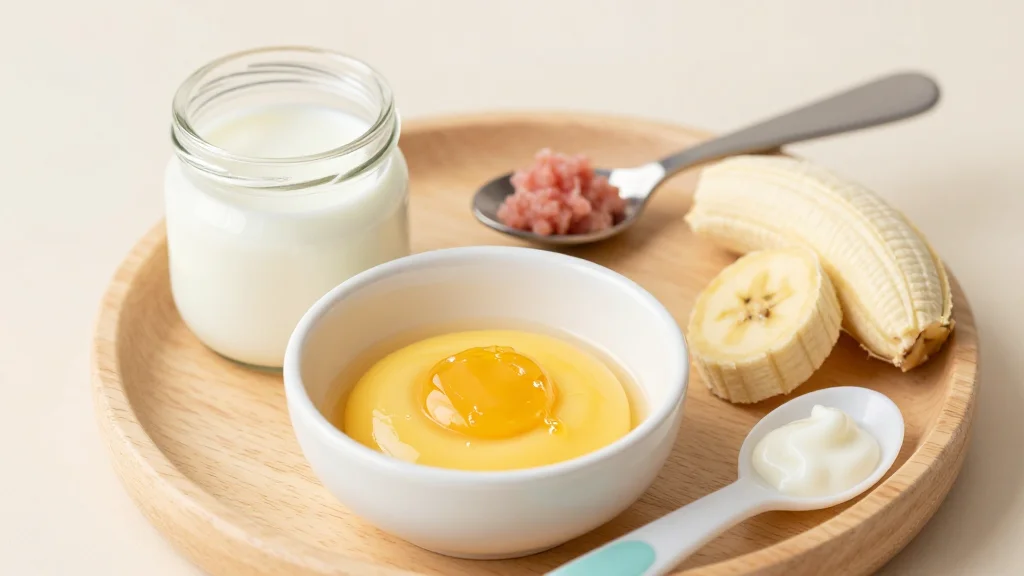
Start Babies on Nutrient‑rich Animal Foods, Skip Rice Cereal
First solid foods I introduce to my babies usually around 4-5 months: - Egg yolk with ghee - Kefir and yogurt - Meat puree off the bone - Ripe banana - Tiny tastings of whatever I am eating No rice cereal. No purees from a pouch....
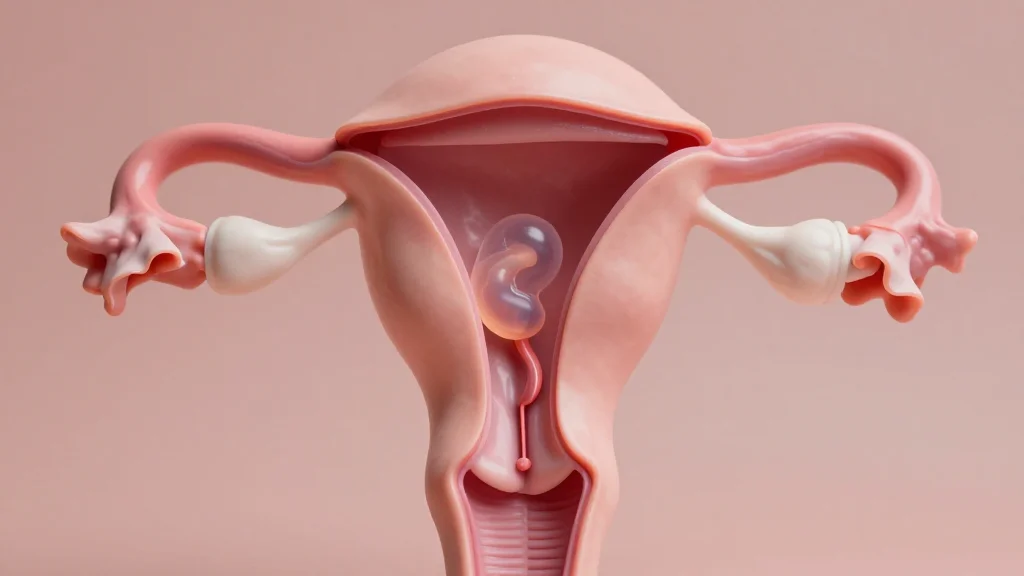
Early Embryo Invades Uterus Like Regulated Tumor
By the time a pregnancy test shows positive, your body has already done something extraordinary without you knowing. A single cell divided into over 100 cells while traveling down your fallopian tube for 5 days. It formed a hollow ball, hatched...

Kids Naturally Learn Risk Management Through Play
Yesterday I took my kids to play in my mom's backyard. There is a large open space with a ledge about 5 feet tall with rain water running underneath. My kids were immediately fascinated. They spent 10 minutes throwing acorns,...

Breast Milk’s Living Stem Cells May Reach Infant Brain
Breast milk contains living stem cells. In animal studies, these cells survived digestion in newborns, entered the bloodstream, and were found in multiple tissues including the brain. Whether this happens in humans is still being studied, but the animal data...

Kids Sync Emotions: Parents' Mood Sets Whole Family
There is a phenomenon I experience almost daily with my three kids that I cannot fully explain but I know every parent of multiple children had noticed. Some mornings they are all needy at the same time. All three want...

Never Stop Learning: Stay Young, Grow Older Wisely
One of the biggest mistakes adults make is they stop learning. As a child, learning is constant. You are picking up new skills every single day and nobody questions it. But somewhere after school ends, most people decide they are...

Gut Microbes' Tryptophan Metabolites Crucial for Fetal Survival
Your gut bacteria plays a bigger role in whether a pregnancy survives than anyone realized. A study published in Cell found that maternal gut microbiota produce tryptophan metabolites that help maintain immune tolerance at the placenta. Without them, the immune...

Dad's Genes Make Mom Insulin‑resistant to Feed Baby
Your baby uses genes inherited from its father to manipulate your metabolism during pregnancy. The paternal copy of a gene called Igf2 is active in the placenta while the maternal copy is silenced. This gene is one of the signals...

Fertility Thrives when You Slow Down, Not Hustle
One of the hardest conversations we have at Ferta is asking someone to slow down. Most women who come to us are in a rush. They want a protocol, a supplement stack, and a timeline. They want to fix their fertility...

Silent Toddler Means Trouble: Act Immediately
When my toddler goes completely silent in another room, it is a sign that I must get up immediately. Silence with a toddler almost always means they have found something they should not have. A marker, a toilet, an open...

Give Your Body What It Needs, Period Returns Naturally
Things I did to get my period back after 16 years: - Gained 25 pounds on purpose - Stopped running - Ate 2,500+ calories a day - Added carbs back - 7-8 hours of sleep - Reduced my exercise intensity (temporarily) - Stopped fasting - Worked on...
Hidden Nutrient Depletion Threatens Women Trying to Conceive
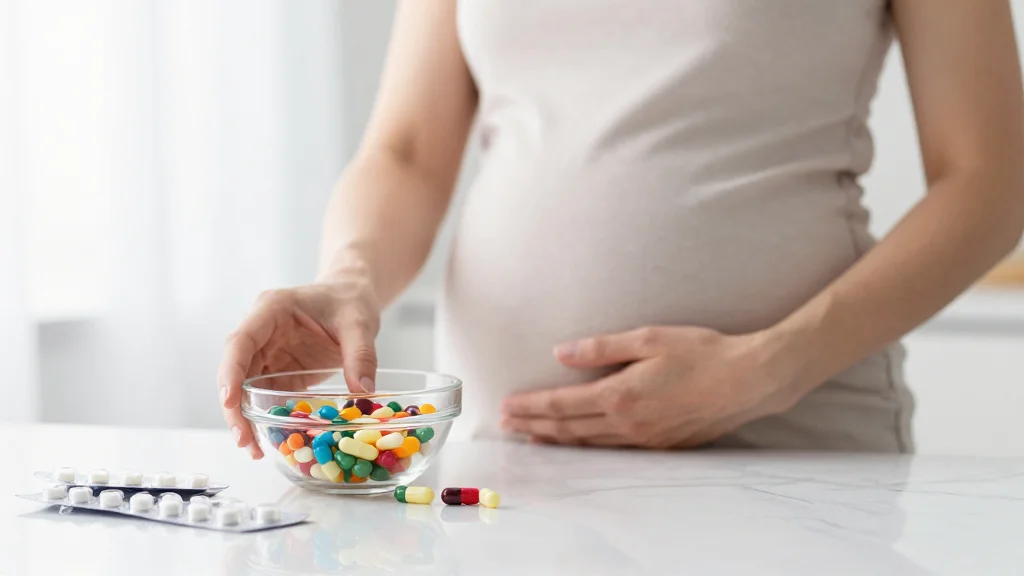
Things that deplete your nutrient stores that nobody warns you about: - Birth control (zinc, magnesium, B2, B6, B12, folate, vitamin C, vitamin E) - PPIs for reflux (B12, magnesium, iron, zinc) - Metformin for PCOS (B12) - Undereating for years - Pregnancy - Breastfeeding - High...

Outdoor Walks Instantly Calm Fussy Babies
One of the best remedies for a fussy baby is stepping outside. I have done this hundreds of times and it works almost every single time. They go from screaming to quiet and looking around within seconds. The sudden change in...
Eat Early, Sleep Better: Front‑Load Your Calories
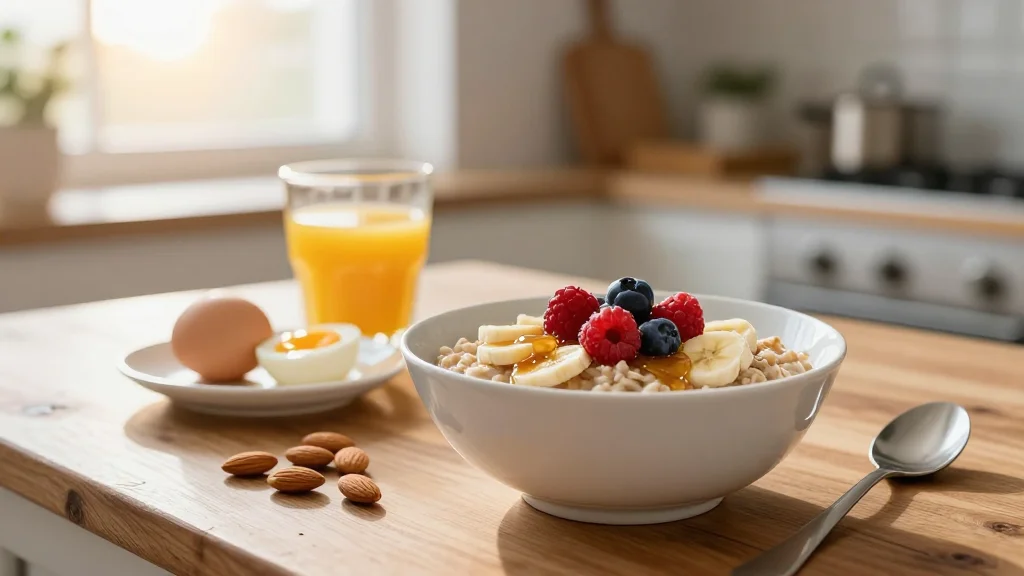
Front loading your calories is a game changer. Every time I visit family and have a late night meal or go out to eat and eat a big dinner, I feel off the next morning. I wake up not quite hungry...
Metformin Can Deplete B12—Test Before Trying to Conceive
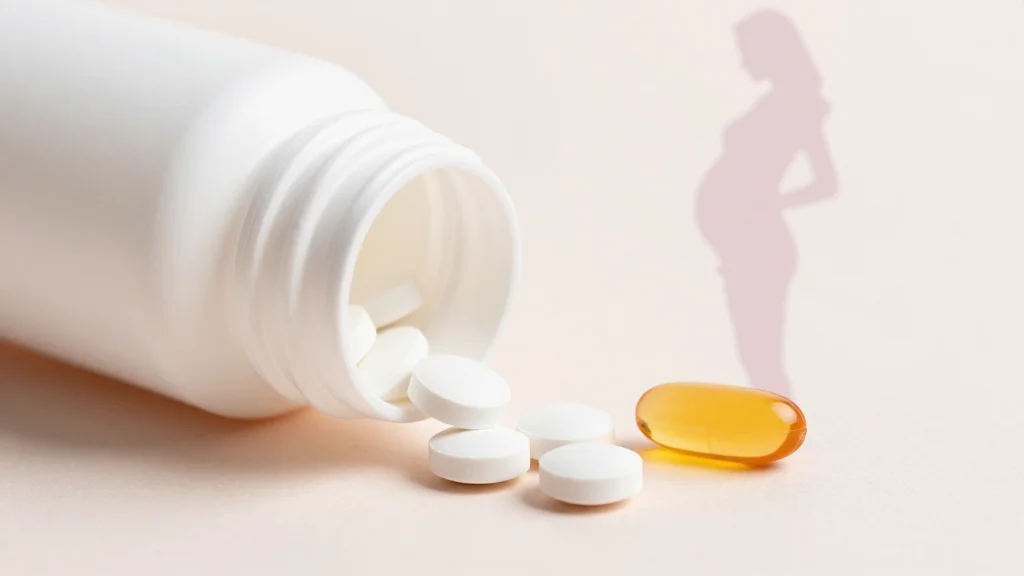
Metformin is one of the most commonly prescribed drugs for PCOS. It helps with insulin resistance and can restore ovulation. But there is a side effect that almost nobody talks about. Metformin reduces B12 absorption and up to 30% of long...
Daily Antihistamines May Hinder Fertility and Implantation
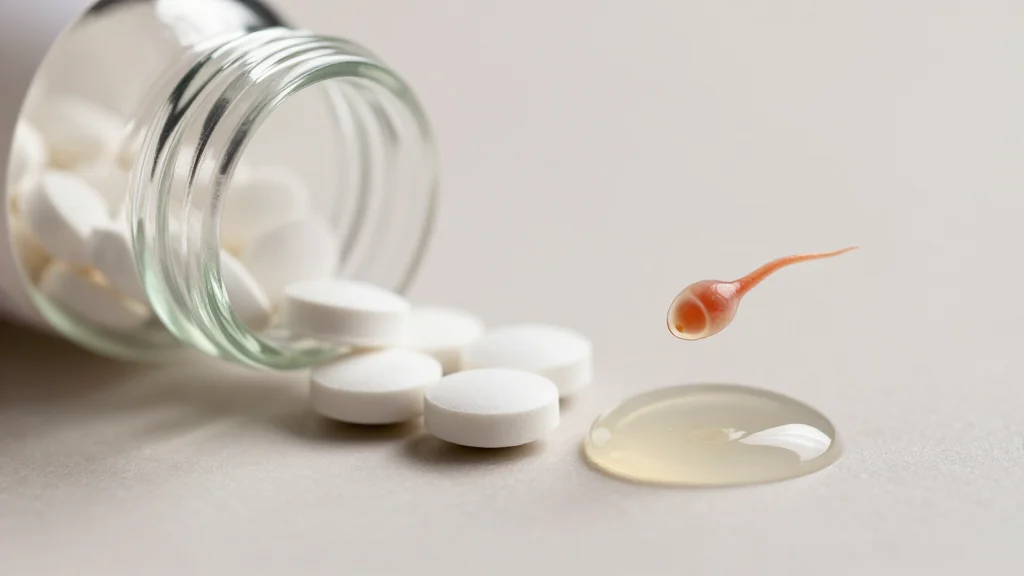
If you are trying to conceive and taking antihistamines daily, you should know they dry up more than just your sinuses. Cervical mucus is what helps sperm survive and reach the egg, and antihistamines reduce it. That alone can make...
PPIs May Deplete Fertility‑Critical Nutrients—Get Tested
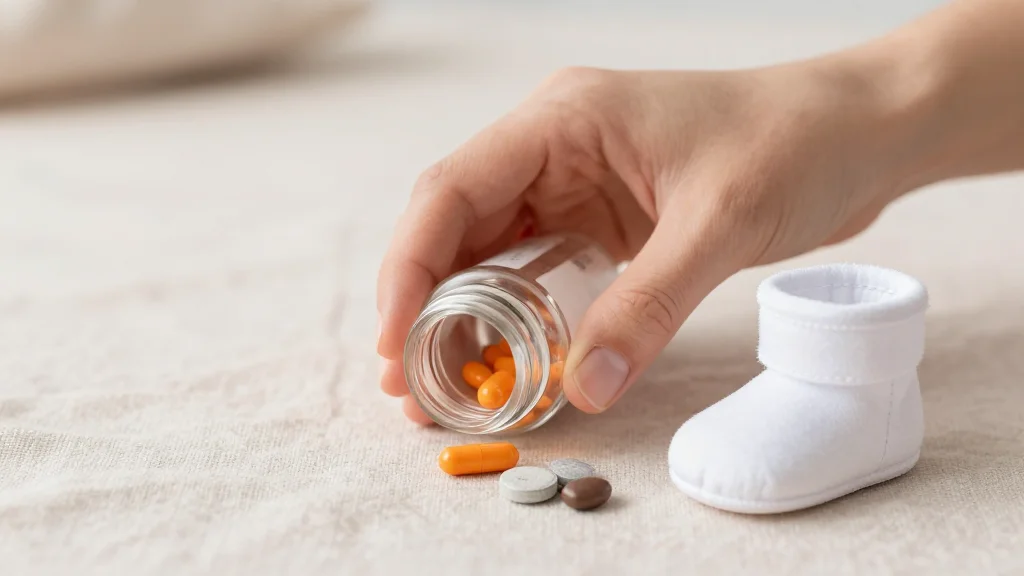
If you have been on a proton pump inhibitor for reflux or heartburn for more than a few months, it is worth noting that it can deplete you of certain nutrients. PPIs suppress stomach acid, which your body needs to...

Babies Learn Language From Rhythm, Even Before Understanding
With my first child, I did not read to him much as an infant. I did not see the point. He could not understand the words so it felt like I was reading to myself. With my second, she was being...

Best Parenting Advice Comes From Parents With Three Kids
Every parent should be required to have at least two kids, ideally three, before giving parenting advice 😊 You need the reps. Your first kid teaches you the basics. Your second kid humbles you because nothing that worked on the first...

Let Kids Be Bored: It Sparks True Creativity
Every time I notice my son or daughter acting bored, I feel guilty and tempted to save them from it. If I am not busy, I will nudge them towards something. But when I am busy and just ignore it, they...

Hourly Walks Boost Uterine Blood Flow for Conception
We know that blood flow to the uterus directly affects endometrial thickness and implantation. We also know prolonged sitting reduces blood flow to your lower body. So if you are sitting at a desk for 8 hours a day without...

Calm Parent, Calm Baby: Manage Your Nervous System
If I am ever stressed or anxious, my baby picks up on it. They fuss more, they are harder to settle, and they sleep worse. When I take a few minutes to regulate myself, the difference is noticeable. Babies co-regulate with...

Kids Turn Women Into Ultra‑Efficient Time Managers
Young women worry how they will get anything done if they have kids. The truth is that having kids makes you more efficient, not less. When your time is limited, you stop wasting it. You make decisions faster. You cut meetings...

Talk to Kids: Their Vocabulary Grows Faster Than Apps
Between ages 1 and 3, your child is picking up several new words per day. By age 6, your child understands well over 10,000 words. Every conversation you have with them, every question you answer, and every time you narrate what...

30 Minutes Outdoors Boosts Kids' Focus, Mood, Sleep
We go outside every single day regardless of weather, even if it is just for 20 minutes. My kids behave differently, focus better, and sleep better on days when they get real time outdoors. Sunlight sets your circadian rhythm through the...
Eggs Pack Hundreds of Thousands of Mitochondria, Powering Life
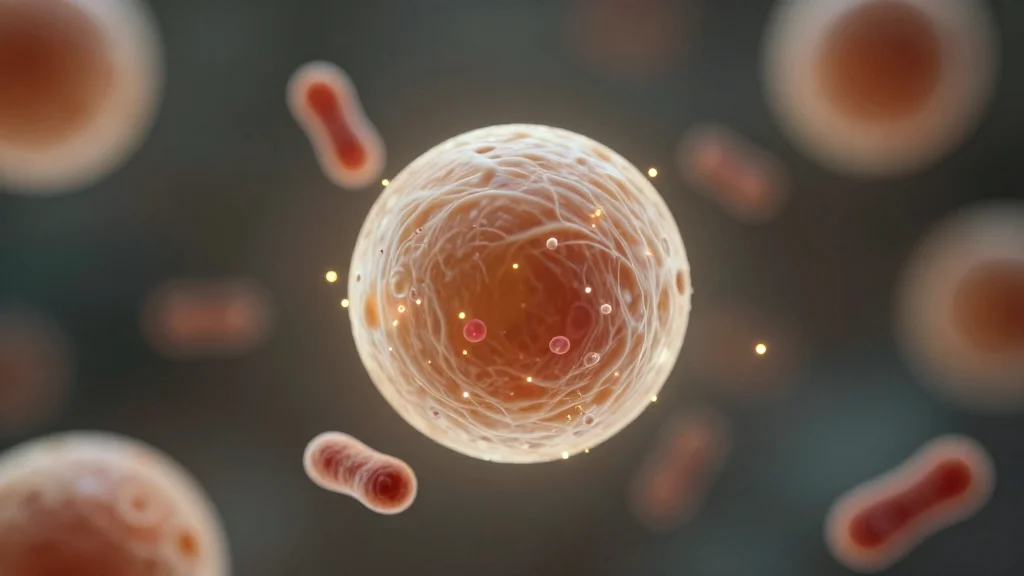
Your heart cells have about 5,000 to 8,000 mitochondria each. Your muscle cells have about 1,000 to 2,000. Your eggs have over 100,000. Some estimates go as high as 600,000. Nothing else in your body comes close. That should tell you something about...

Sunlight Stops Kids' Eyes From Becoming Myopic
One reason outdoor time matters so much for young children is what it does for their eyes. Bright sunlight releases dopamine in the retina, which prevents the eyeball from becoming elongated. When the eyeball elongates, light focuses in front of the...
Eat Breakfast Early to Boost Fertility and Ovulation
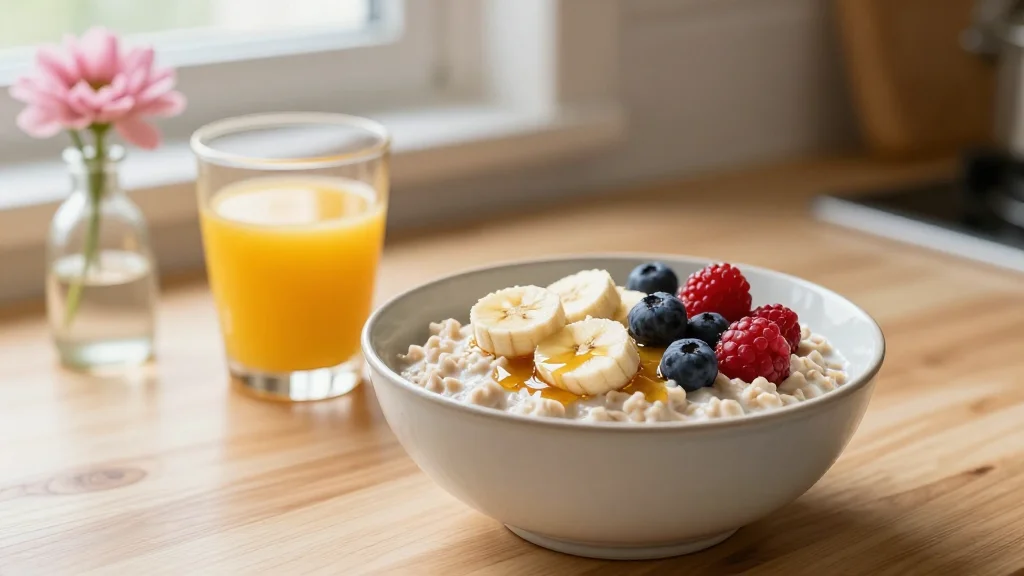
"I skip breakfast and fast until noon because I heard fasting is good for you." It's not if you want to be fertile. Cortisol is highest in the morning. When you skip breakfast, your body has to lean on cortisol and adrenaline...

Misdiagnosed PCOS Can Worsen Hypothalamic Amenorrhea
Eight doctors told me I had PCOS. I had hypothalamic amenorrhea. The symptoms overlap but the treatment is opposite. PCOS is often treated with carb restriction and blood sugar regulation (often metformin). HA is treated by eating more and...
Postpartum Nutrition Demands Exceed Pregnancy; Prioritize Recovery
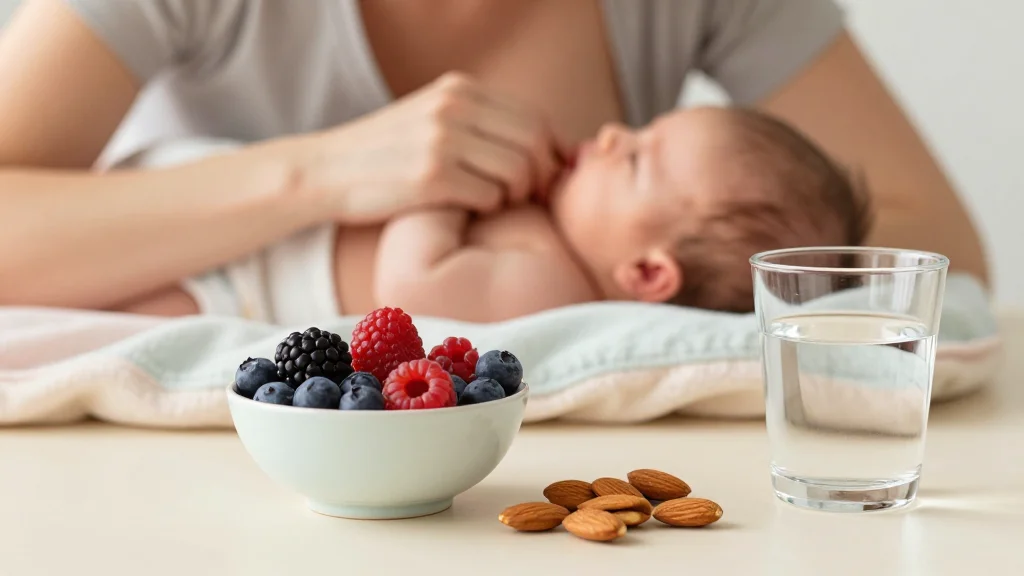
Pregnancy gets all the attention for nutrition, but nobody talks about postpartum. You lose blood during delivery. Your body is repairing tissue. You are producing milk around the clock. Your nutrient stores are depleted. And this is when most women...

Scale Numbers Mislead; Prioritize Body Composition Over Weight
I used to weigh myself every morning. For years. If the number went up I would eat less. If it went down I felt accomplished. I built my entire sense of health around a number on a scale. When I was...
Infertility Diagnosis Needs Whole-Body, Not Just Basic Labs
Every time a woman tells me she was diagnosed with unexplained infertility, I ask what labs were run. The answer is almost always the same. AMH, FSH, TSH, an ultrasound, and if you're lucky, a basic metabolic panel. That is like...
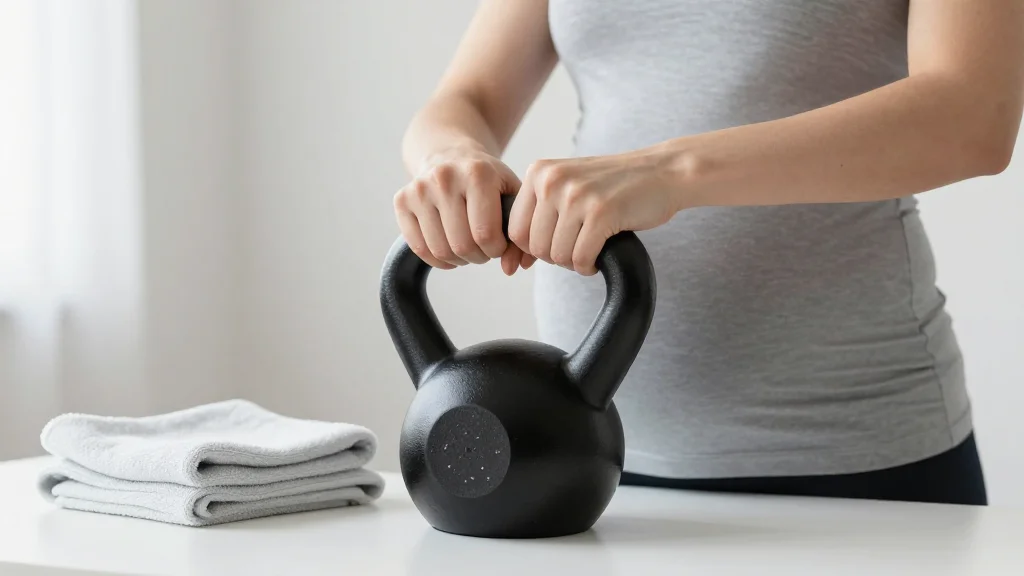
Strength Training in Pregnancy Boosts Delivery, Recovery, Energy
I strength trained through all three of my pregnancies and I honestly think it made the biggest difference in how I delivered, how I recovered, and how much energy I had postpartum. When your joints get looser during pregnancy, your...

Teen Amenorrhea Needs Energy Assessment, Not Immediate Birth Control
When I lost my period at 14, the first thing my doctor did was put me on birth control. No questions about what I was eating. No questions about how much I was exercising. No investigation into why a 14-year-old...

Nature Nurtures Deep Focus, Toys Spark Fleeting Dopamine
Yesterday I worked out in our home garage gym and brought my almost 4 year old and almost 2 year old with me. There was a big box of old toys I had stored in the garage and they asked...

Prenatal Vitamins Aren’t a Food Substitute—Eat Real Nutrition
Most women think taking a prenatal vitamin covers their nutritional needs during pregnancy. It does not even come close. Food always comes first. Nutrients from food come in a bioavailable form with the right cofactors and ratios. Your body evolved to...
Unexplained Infertility Often Means Under‑investigated; Get Expanded Testing
Unexplained infertility means the standard tests came back normal. It does not mean nothing is wrong. It means the tests they ran did not find anything. Most standard fertility workups check AMH, FSH, an ultrasound, and maybe TSH. They do not...

Enough Calories, Not Cleanliness, Drive Healthy Ovulation
Women are cutting out dairy, gluten, sugar, carbs, and sometimes entire food groups in the name of health. The result is often severe caloric restriction disguised as discipline. Your body does not care if your 1,200 calories came from organic kale...

Women Trying to Conceive Need Adequate Carbs
The war on carbs needs to end. All this low carb, keto, and carnivore stuff is hurting women's fertility. Women come to Ferta eating 60 grams of carbs a day and wonder why their thyroid is sluggish, their hair is falling...