
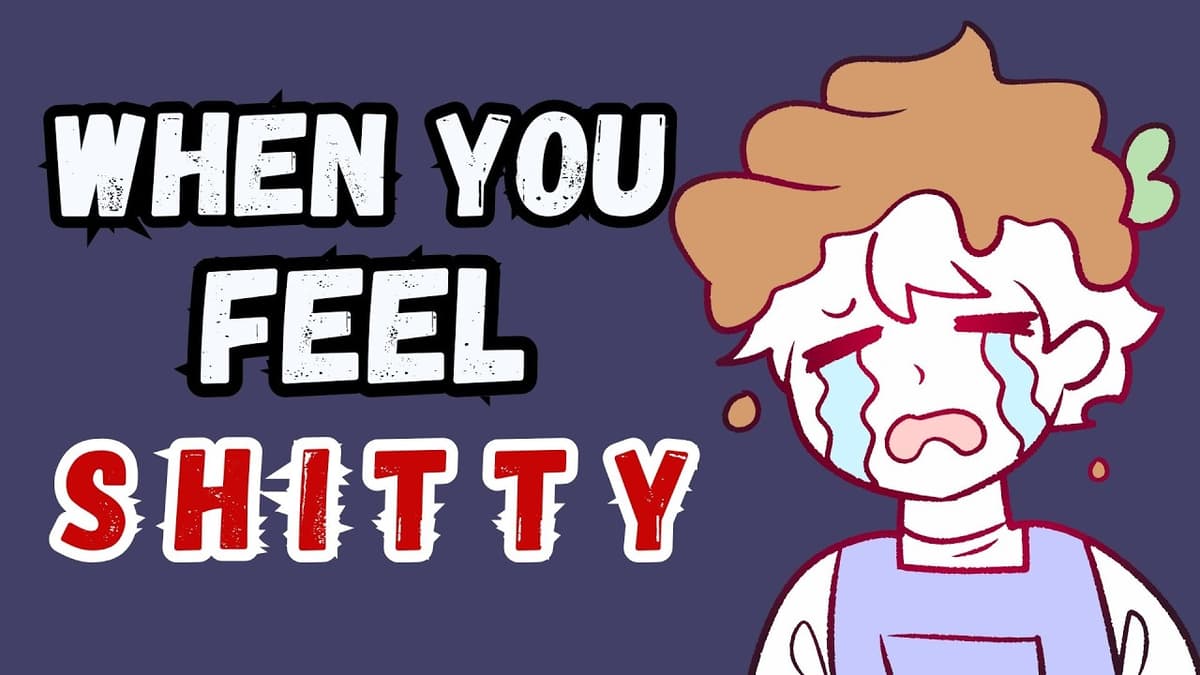
If You Feel Like a Bad Person, Watch This
The video tackles the pervasive feeling of being a ‘bad person’ when repeated self‑defeating cycles breed shame and emotional exhaustion. It argues that the modern obsession with relentless productivity often masks deeper mental fatigue. The narrator explains how chronic failure rewires the brain to link effort with pain, turning even well‑intentioned attempts into sources of dread. By citing the anime character Zenitsu, the talk illustrates how self‑perceived weakness fuels a relentless inner critic. Practical examples replace grandiose goals: getting out of bed, eating a meal, replying to a message, or simply watching a favorite show are framed as legitimate victories. The creator also offers a dedicated, ad‑free playlist of calming videos for moments when thoughts become overwhelming. The broader message urges viewers to replace punitive self‑judgment with compassionate small steps, redefining growth as exploration rather than a performance metric. This reframing has implications for workplace culture and personal well‑being, encouraging sustainable productivity and mental‑health resilience.
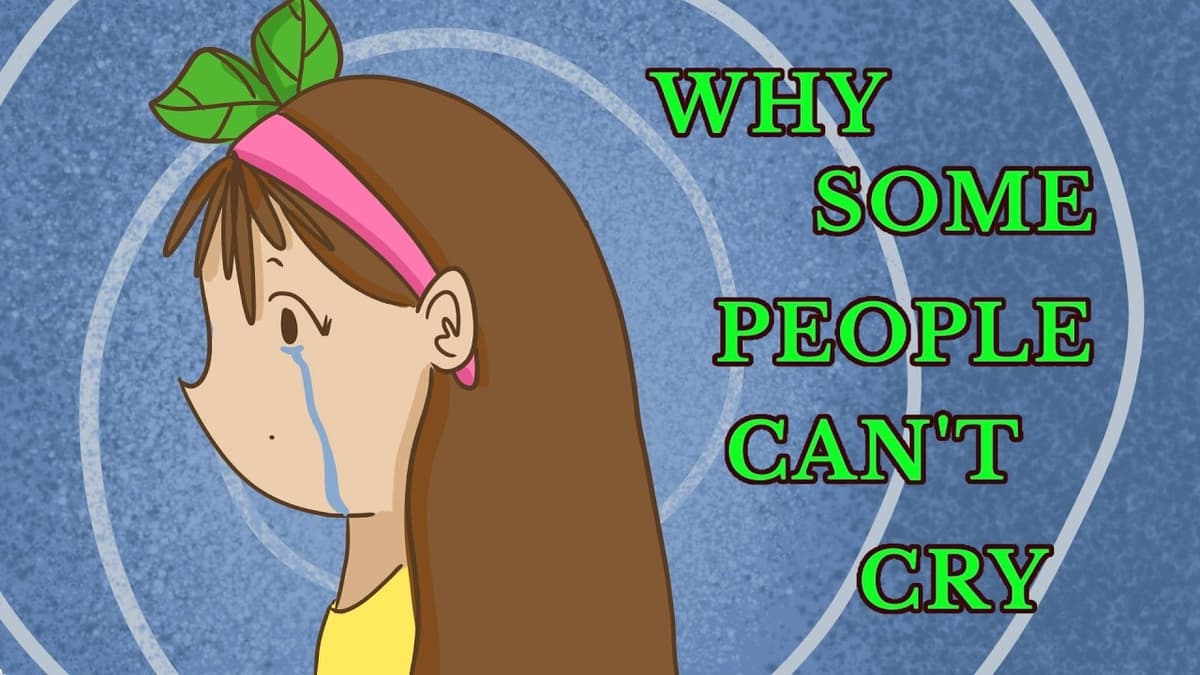
Why Crying Feels Impossible For Some People
The video explores why some people cannot produce tears even in clearly sad situations, framing crying as a physiological pressure‑release mechanism rather than a moral test. It identifies four primary causes: learned conditioning that equates tears with weakness, especially among men;...

The Lifelong Effect of Not Being Loved as a Child Growing Up
The video examines how emotional neglect in childhood—subtle, not overt abuse—deprives children of a core psychological need, likening love to food, water, and air, and argues that the absence of a secure emotional anchor leaves a lasting imprint on adult...
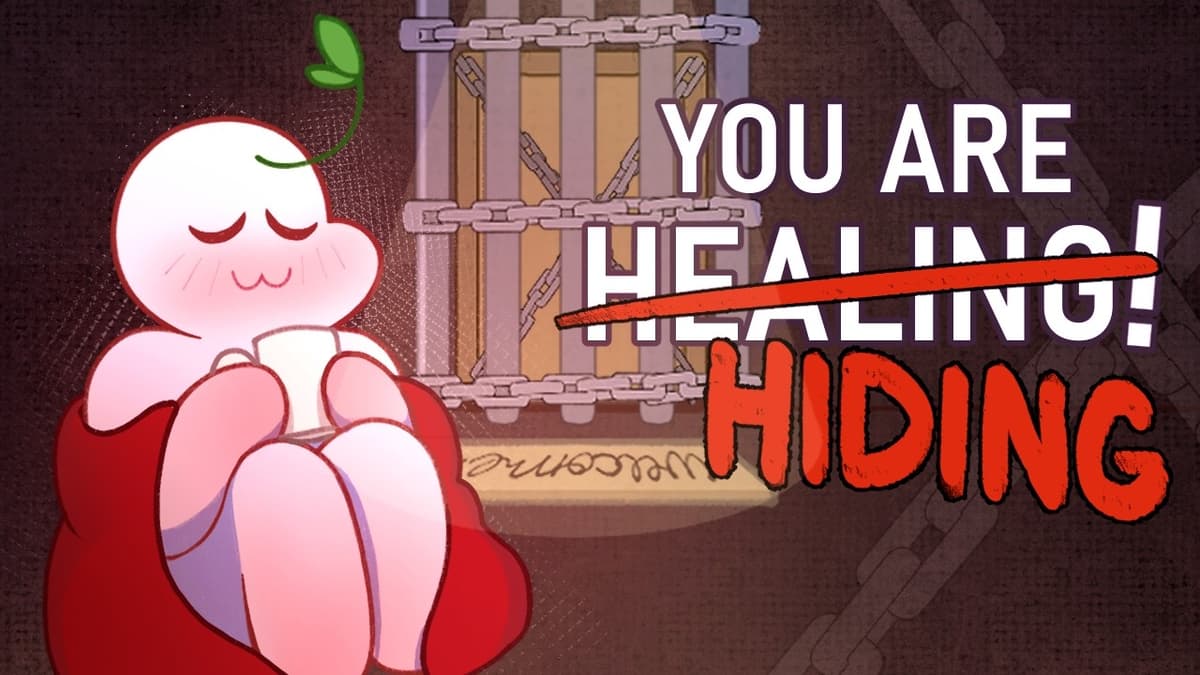
8 Daily Habits That Help Heal Trauma Responses
The video outlines eight science‑backed daily habits designed to retrain the nervous system and mitigate trauma‑related symptoms without relying solely on therapy or medication. It explains how grounding exercises (5‑4‑3‑2‑1), intentional breathing, gentle somatic movement, and predictable routines engage the parasympathetic...
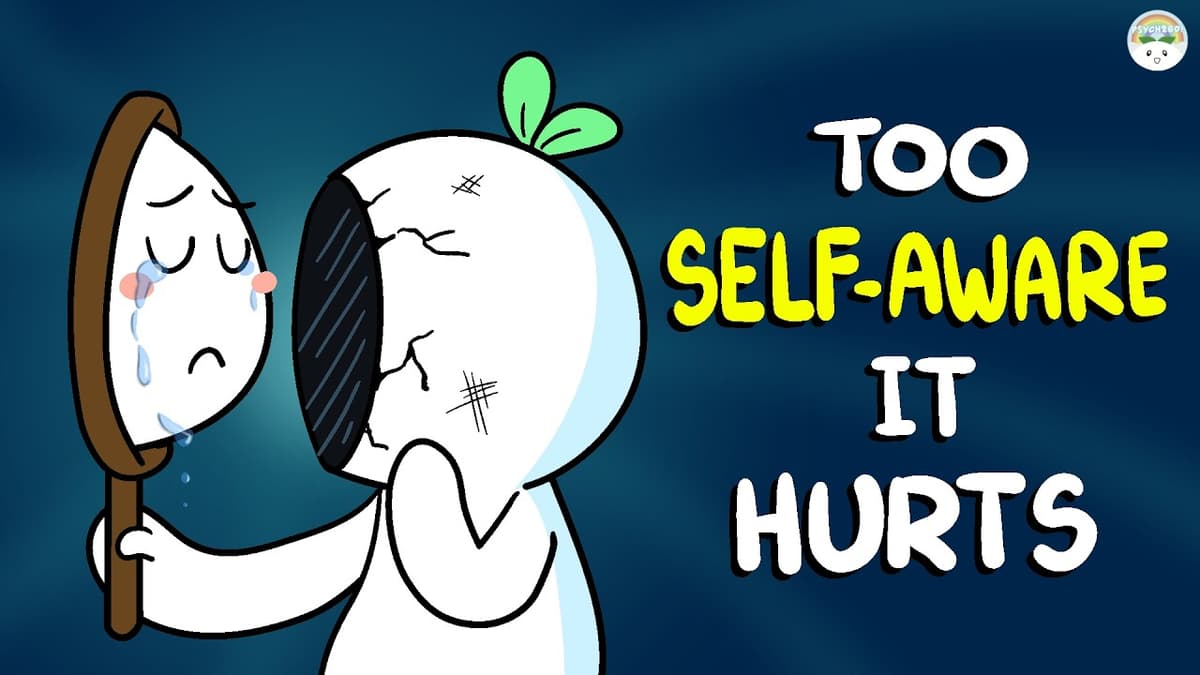
You’re TOO Self-Aware… and It’s Hurting You
The video challenges the popular mantra that “more self‑awareness is always better,” arguing that an over‑active inner observer can become a prison. It distinguishes between healthy metacognition—a curious, growth‑oriented mindset—and hypervigilant self‑awareness, a trauma‑driven survival tactic that keeps the mind...
The Psychology of People Who Are Always Calm (Beautifully Animated)
The video dissects why some people appear perpetually unflappable, separating genuine Zen‑like composure from a performative “swan” façade. It argues that true calm is cultivated through mindfulness, stoic philosophy and a high frustration tolerance, while the swan style is a survival...
Weird Habits That Actually Reveal High Intelligence (Part 2)
The video, a sequel to “Weird Habits That Actually Reveal High Intelligence,” explores how certain idiosyncratic mental habits are not flaws but markers of deep cognitive processing. It outlines six behaviors: replaying past conversations to fine‑tune communication; mentally rehearsing future dialogues;...
Why You Can’t Enjoy Normal Life Anymore
The video titled “Why You Can’t Enjoy Normal Life Anymore” argues that relentless digital stimulation has rewired the brain’s dopamine system, making ordinary activities feel dull and fostering a hidden addiction to constant reward. It outlines five subtle signs: reduced tolerance...
How to Protect Your Peace Without Cutting People Off
The video tackles a common self‑care mantra – cutting people off – and reframes it as a nuanced skill rather than a blanket rule. It argues that protecting one’s peace is less about exile and more about managing emotional bandwidth,...
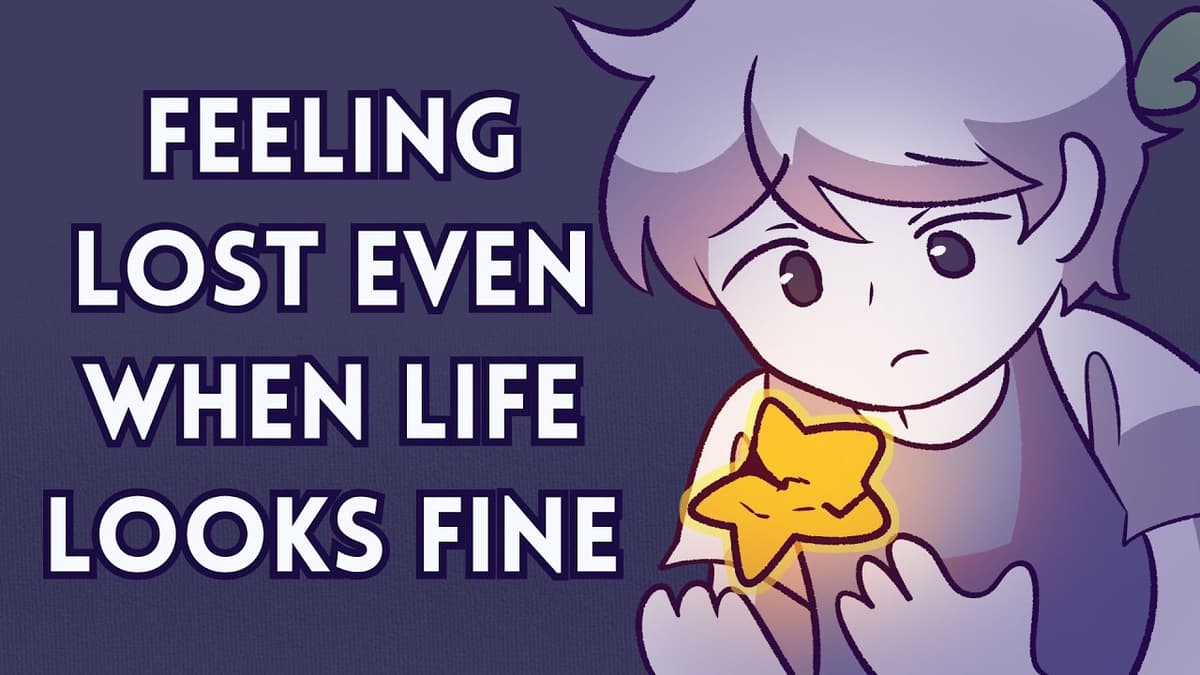
That “What Am I Doing With My Life ” Feeling Explained
The video explores the common 3 a.m. “existential crisis”—a sudden, quiet moment when individuals question the meaning of their work, future, and existence. It frames this feeling through existential philosophy’s four core anxieties—death, freedom, isolation, and meaninglessness—and shows how modern therapies such...
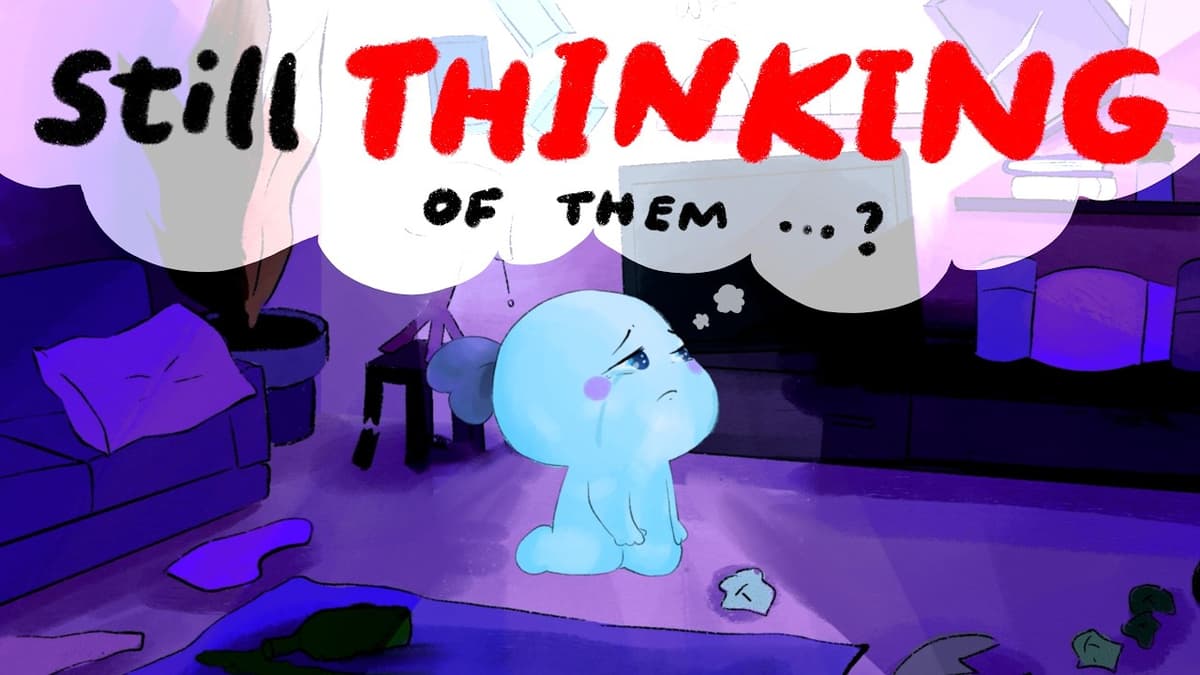
Why You Keep Thinking About Them (Even When You Don’t Want To)
The video explores why ex‑partners linger in our thoughts long after a breakup, arguing that the brain treats emotional memories as critical survival information. This misfiring prioritization forces the mind to replay past interactions, making it feel as though the...
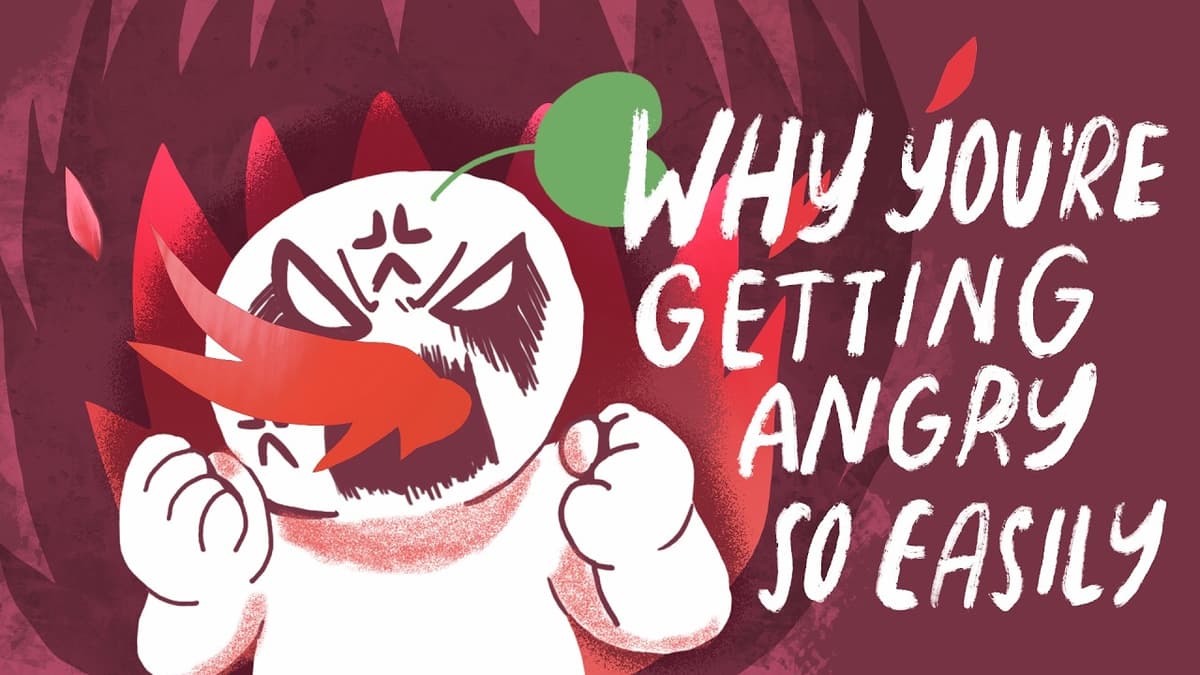
Why You’re Getting Angry So Easily (It’s Not What You Think)
The video tackles why people suddenly feel angry despite no obvious trigger, explaining that irritation is rarely spontaneous and usually stems from deeper physiological and emotional signals. It outlines three hidden drivers: suppressed emotions that surface later, nervous‑system overload from poor...

How To Keep Living When You’d Rather Not
The video confronts the crushing hopelessness many feel and offers compassionate, practical steps to keep living. It reframes pain as a crack, not a flaw, invoking the Japanese art of Kintsugi to illustrate that our wounds can be part of...

Why You Feel Unloved (Even When People Care About You)
The video tackles a common but unsettling question—why many people feel unloved even when friends or family show care. Drawing on psychology, it frames the feeling as a mismatch between expected emotional signals and the ways love is actually expressed. It...
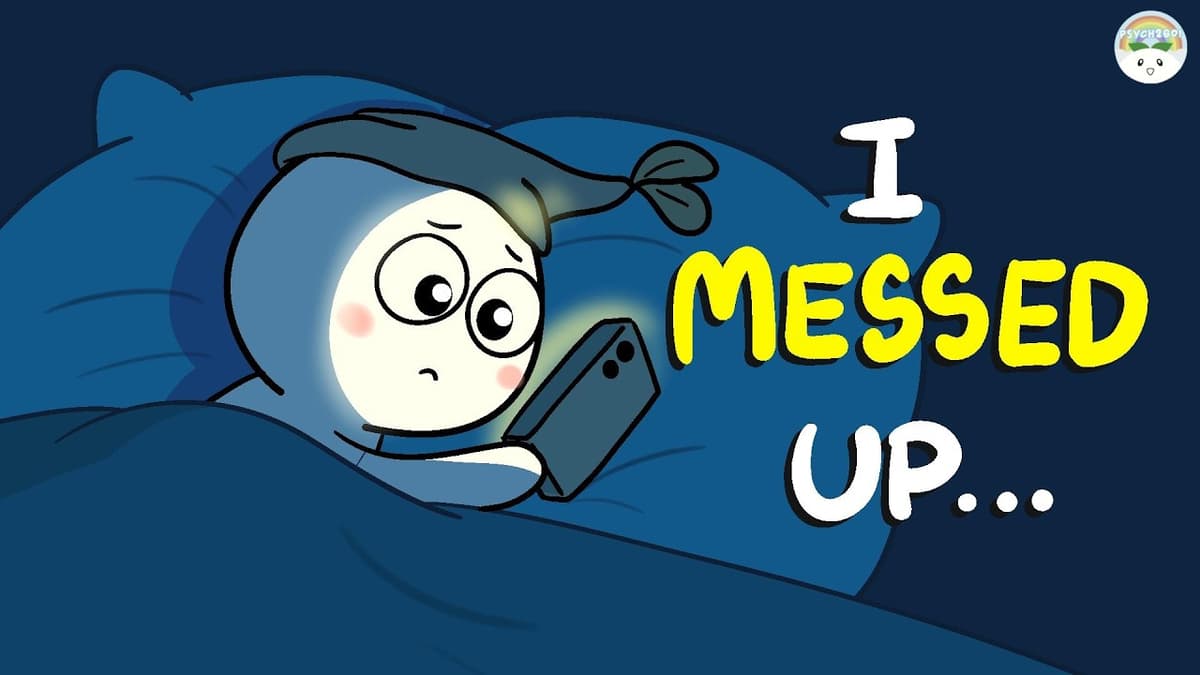
Why You Can’t Stop Replaying Conversations (Even Years Later)
The video explains why people compulsively replay past conversations, tracing the habit to an ancient survival mechanism that once guarded against social exile. Modern brains still run the same program, swapping predators for embarrassment. Researchers note that the brain seeks closure;...