

Why Modern Women Feel Empty
The video explores why many modern women feel an internal emptiness despite outward success, linking it to a deep‑seated belief that love is contingent on being useful. It outlines how women internalize contradictory rules—be supportive yet not demanding, adaptable yet not high‑maintenance—leading them to over‑function, erase personal preferences, and substitute self‑care with endless productivity. The narrator notes, “If I stop being useful, will I still be loved?” and contrasts women’s need‑based identity loss with men’s achievement‑based emptiness, emphasizing that superficial self‑care cannot heal a vanished sense of self. The takeaway urges women to practice honest “no,” identify true desires, and cultivate activities that exist independent of external validation, suggesting that reclaiming identity can improve mental health and relational dynamics.
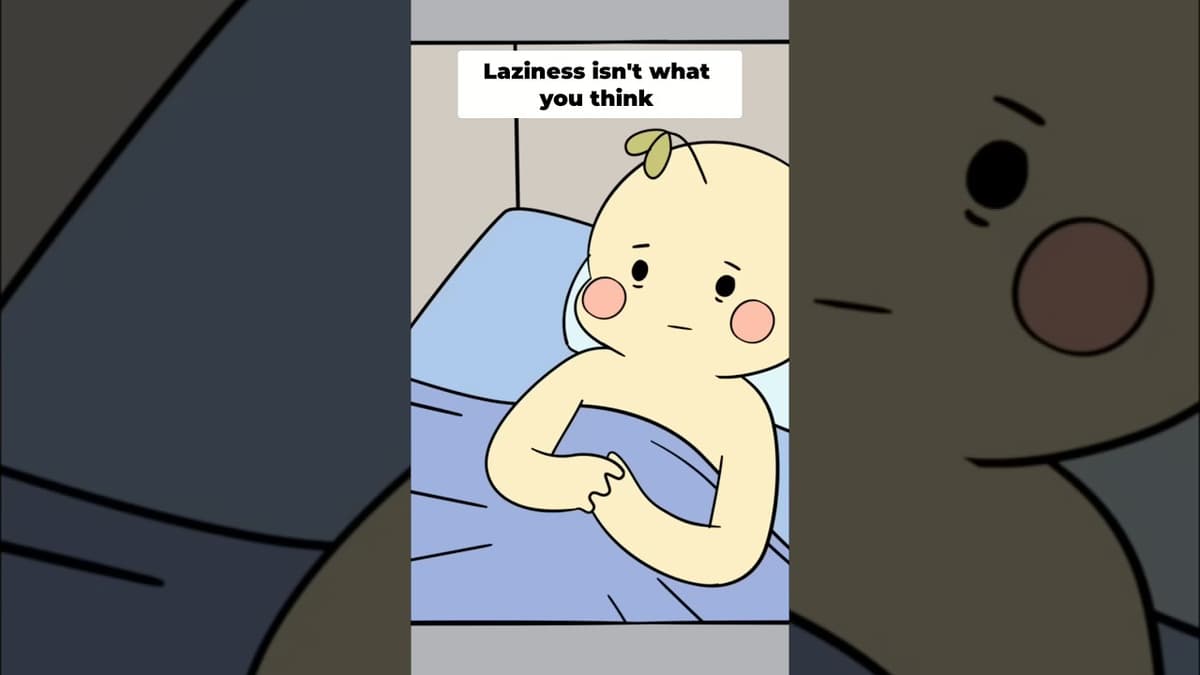
You're Not Lazy, It's Something DARKER
The video challenges the conventional label of “laziness,” arguing it often masks deeper psychological or situational factors such as depression, anxiety, ADHD, trauma, or systemic constraints. It proposes a shift in self‑questioning—from “What should I be doing?” to “What am I...
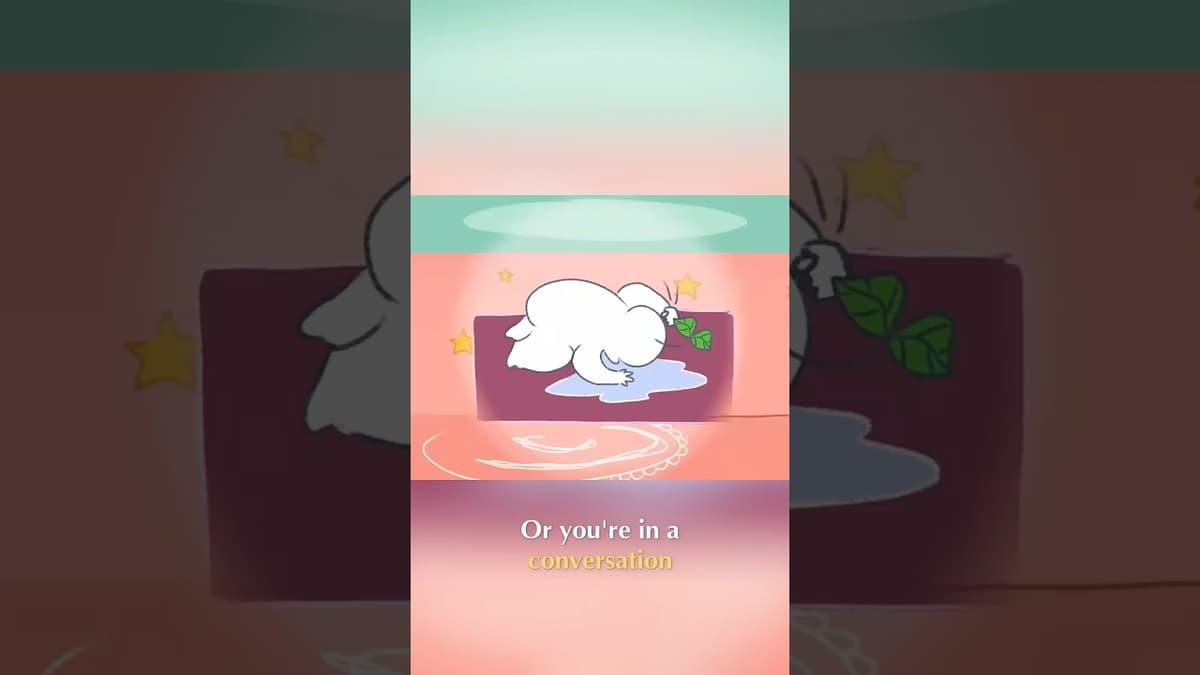
Crying Easily Isn't Weakness; It Means You've Been Strong for Too LONG
The video reframes crying as a sign of resilience rather than a flaw, arguing that frequent tears indicate a life lived with fewer emotional barriers. It contends that society’s stigma around visible emotion mistakenly equates vulnerability with weakness, despite the...
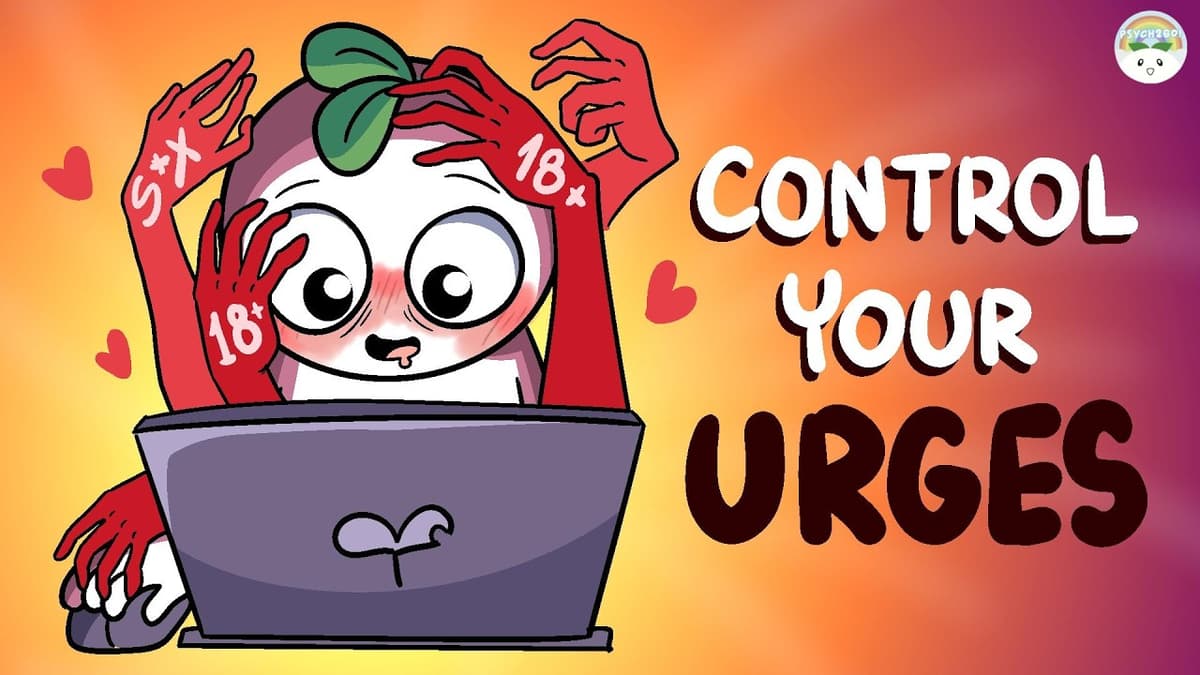
How to Quiet Sexual Thoughts Gently
The video tackles a common yet uncomfortable issue: persistent sexual thoughts that hijack attention. It frames the problem in psychological terms, explaining how the brain’s reward system functions like a recommendation algorithm, reinforcing sexual cues when they’re repeatedly consumed. Key insights...

Please Watch This (It Means A Lot To Us)
The video is a heartfelt thank‑you from Psych2Go, a YouTube channel that began in 2017 as a small grassroots effort by a psychology student seeking to make mental‑health information more accessible. The creator explains that the channel’s mission—to give voice to...
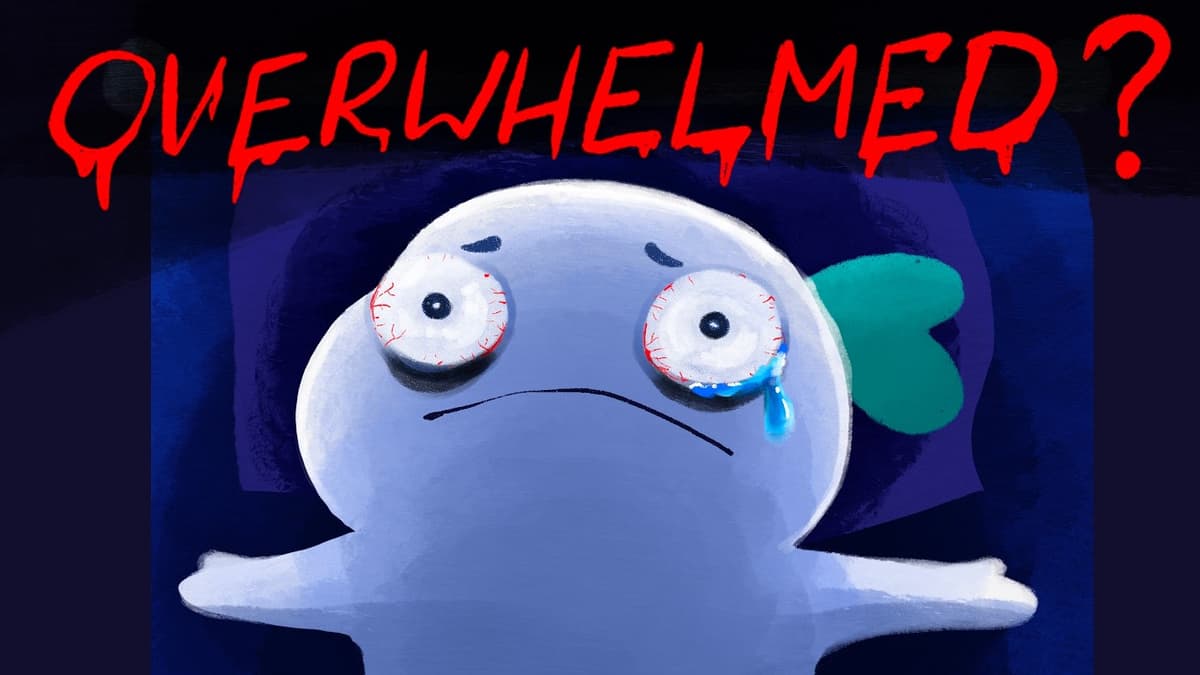
You’re Overwhelmed… and This Found You
The video tackles the challenge of sudden, intense emotions that push the nervous system into survival mode, making rational thought ineffective. It frames emotional intensity on a spectrum—from mild stress to full overwhelm—and argues that calming the body must precede...
LIVE: How to Stop an Anxiety Spiral the Moment It Starts (with Psych2Go's Monica Taing)
The live session hosted by Psych2Go’s Monica Tang focuses on halting an anxiety spiral the moment it starts, blending personal experience with scientific explanation. Tang outlines three goals: explain the body‑mind mechanisms of anxiety, teach a practical skill to regain...
If You See This Video… It’s a Sign You’re Not Okay
The video explores why many people answer “I’m fine” while feeling exhausted, numb, or overwhelmed, and why that façade persists. It frames the habit as a psychological coping mechanism rather than a simple lie, rooted in early experiences of having...
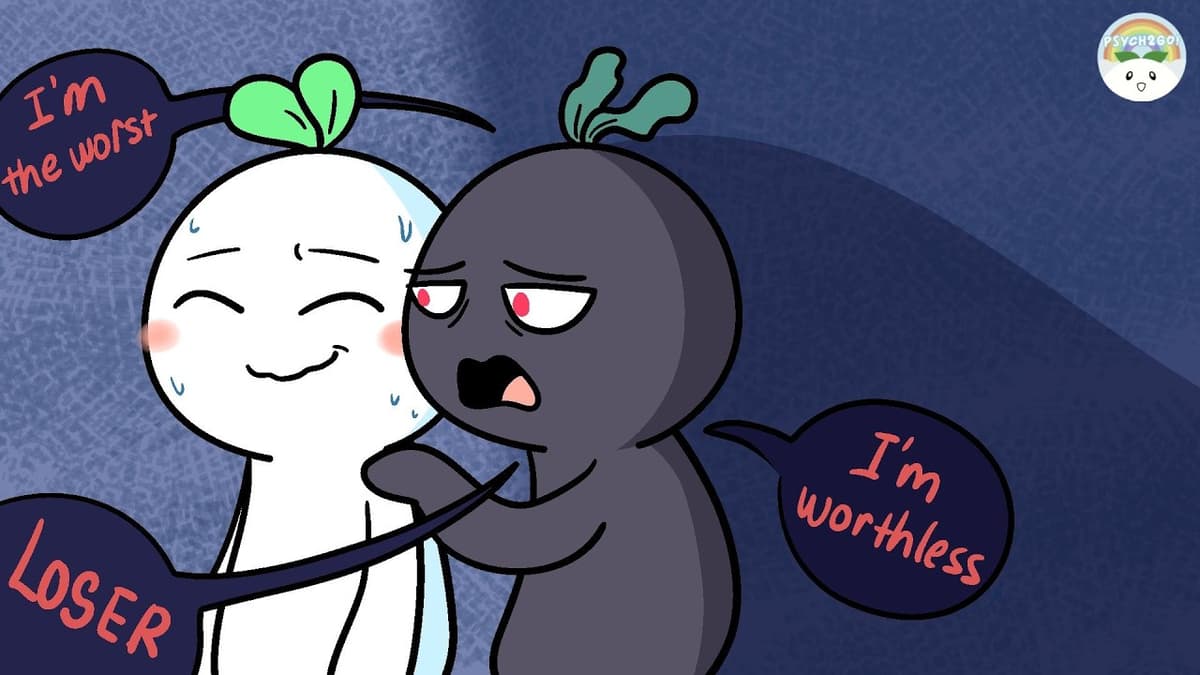
Please Watch This Video When You Have Time
The video from Psychico outlines how trauma can surface in everyday habits rather than dramatic flashbacks, highlighting seven subtle but pervasive reactions that many people mistake for personality quirks. It explains that constant apologizing reflects a “fawn” response learned in unsafe...
You Recharge By Disappearing
The video titled “You Recharge By Disappearing” warns that the casual habit of dodging social invitations can evolve into a neuro‑chemical addiction to isolation. It frames the pleasure of rescheduling as a dopamine hit that gradually rewires the brain to...

Why You Feel Overwhelmed in Public (Even If You’re “Fine”)
The video explores why many people feel physically and emotionally drained in crowded settings, emphasizing that the reaction often stems from sensory processing sensitivity rather than classic social anxiety. It clarifies that discomfort in public spaces is not a moral...
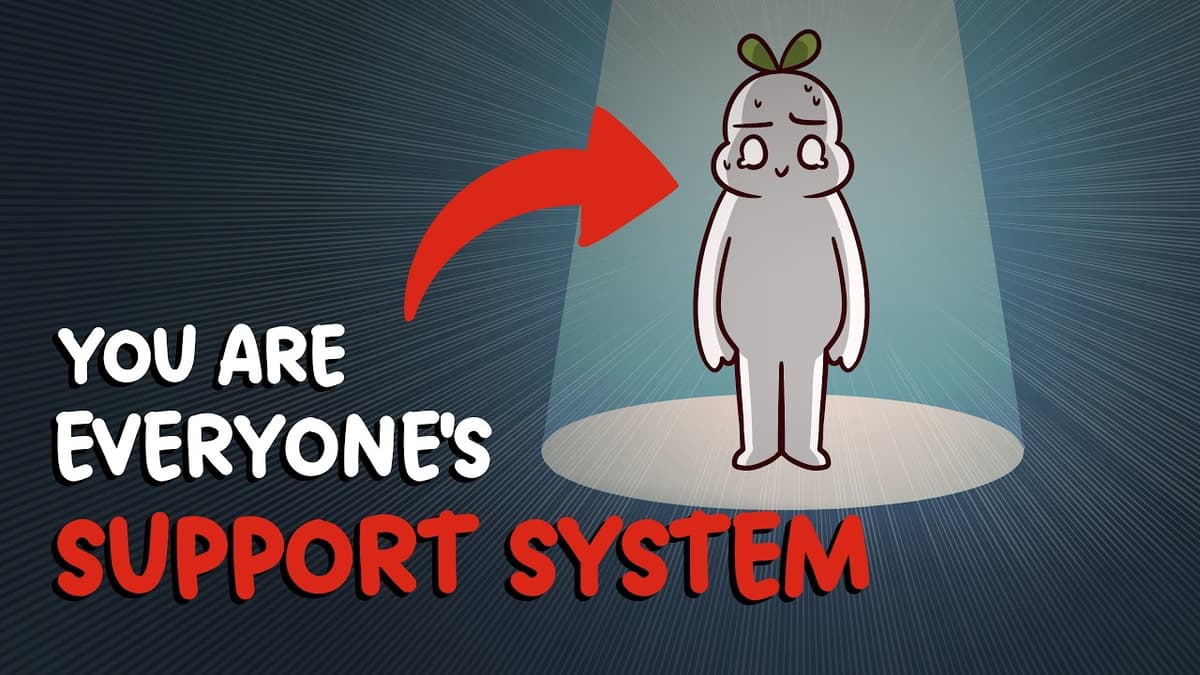
You Help Everyone… But No One Helps You
The video explores the hidden toll of being the go‑to person for friends, family, and colleagues, describing how perpetual emotional support becomes a form of chronic exhaustion rather than a simple act of kindness. It explains that constantly co‑regulating others’...
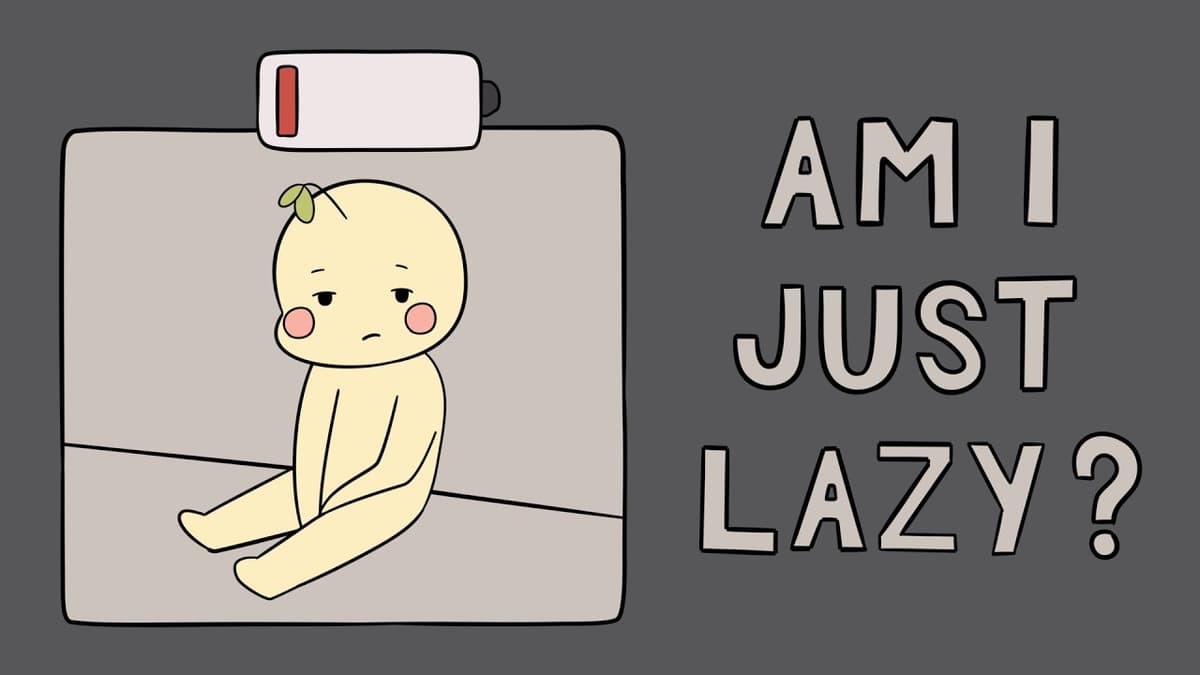
Why You Can’t Do Anything (It’s Not Laziness)
The video challenges the cultural myth that laziness is a moral failing, arguing instead that it is a neuro‑psychological symptom triggered by depleted mental resources, burnout, depression, anxiety, or systemic constraints. It reframes the conversation from self‑blame to understanding the...
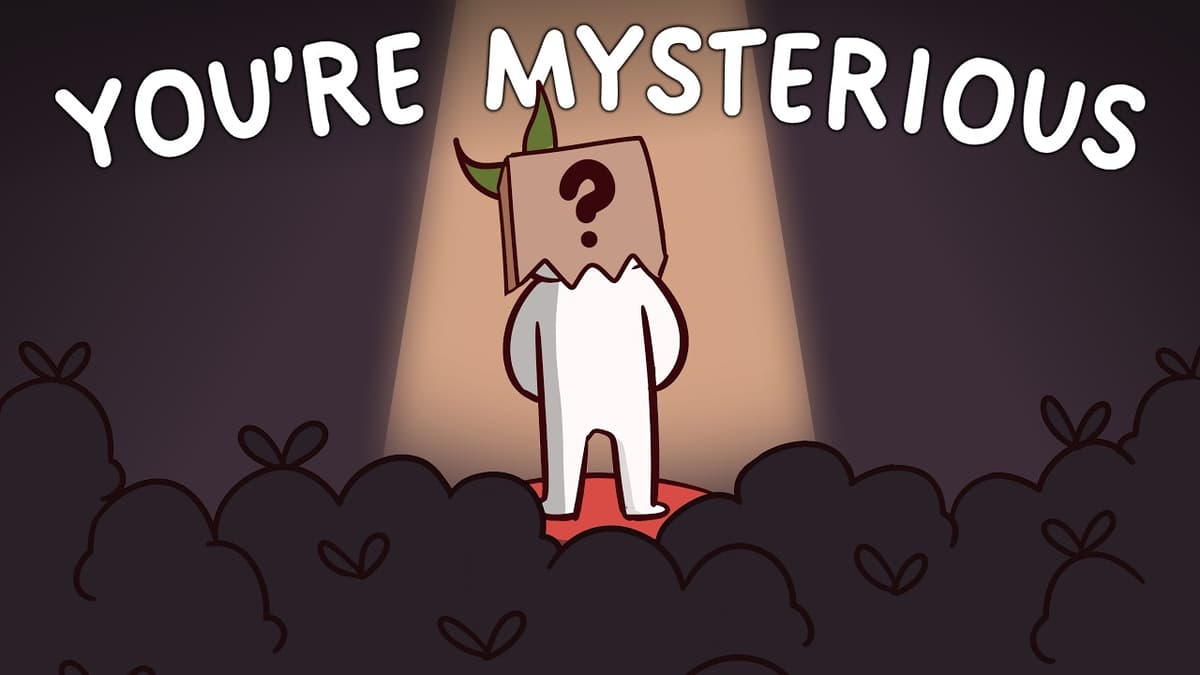
When Someone Has Suffered Too Much, They Start Doing This
The video explores why some people appear “closed off” by deliberately limiting personal disclosure, arguing that this behavior is a protective strategy rather than a social flaw. It outlines five psychological mechanisms: the brain’s trust standards that favor selective self‑disclosure; the...
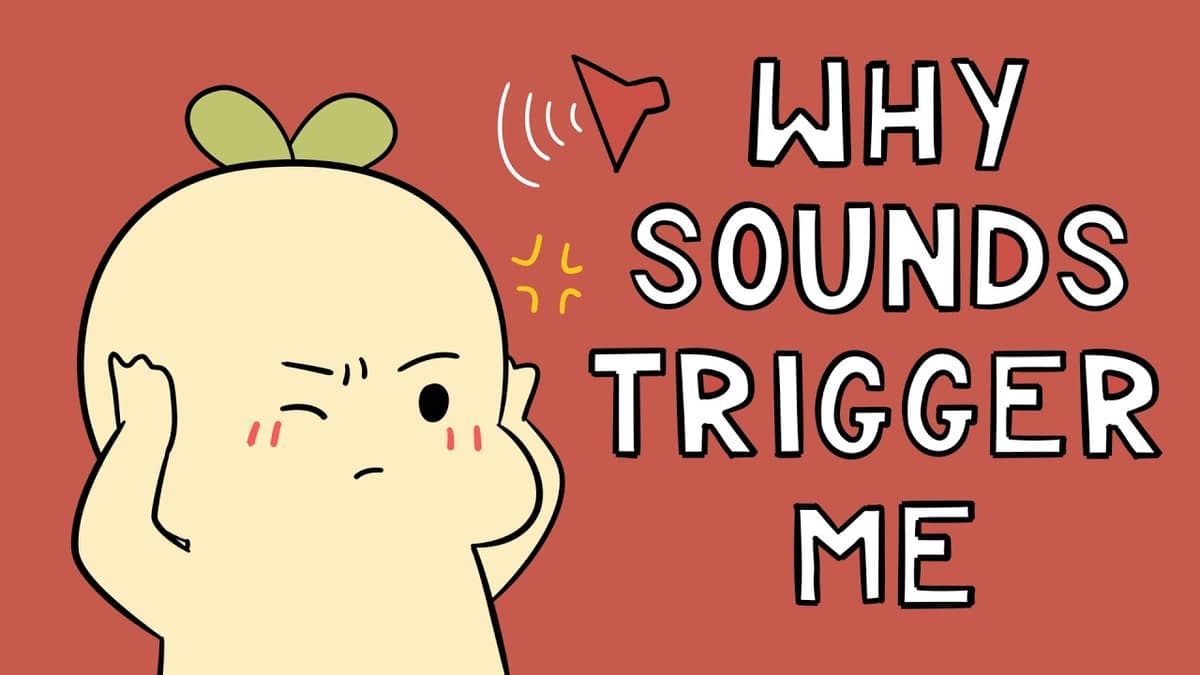
When You Suffer From Sounds, It Might Mean This
The video introduces misophonia—a condition where certain everyday sounds provoke an immediate, involuntary fight‑or‑flight reaction. Unlike general annoyance, the response is physiological, with heart‑racing, muscle tension, and a surge of anger or disgust triggered by specific noises such as chewing,...
7 Habits That Unintentionally Kills Attraction
The video outlines seven subtle habits that silently erode romantic and interpersonal attraction. It argues that attraction is not solely based on looks or charisma, but on how consistently a person makes the other feel seen, respected, and emotionally safe....
When Someone Has Suffered Too Much, They Start Doing This
The video explores why many people habitually answer “I’m fine” even when they are emotionally exhausted, framing the behavior as a survival‑driven coping strategy rather than simple dishonesty. It highlights how repeated expectations to be the strong one can turn...