
rebuiltpt
Running coach/PT posting practical plans (10–12 week chunks), easy vs. hard days, and endurance-building systems.

Half Marathon 1:50–1:54 Targets Sub‑4 Marathon
“How fast should my half marathon be to run sub-4 for the marathon?” The short answer is between 1:49:30 and 1:54. The long answer comes from numbers I’ve been pulling for a while, and here’s what I’ve been seeing: Recreational runners in the 4hr range slow down 7.4% on average from the half to the marathon, but most fall between 4 and 9.5%. If someone runs 1:49:30 in the half, they can slow down 9% and break 4. If they run 1:54, they can only slow down 5% to be sub-4.

Speed and Heart Rate Improve Through Consistent Long‑Term Training
2 running questions I get a lot: - How do I get faster? I want to improve X amount in my marathon. - How do I improve my easy pace, and decrease my heart rate? Usually they’re hoping for a...

Tempo Runs: Redefining Effort From Marathon to Half‑marathon Pace
“Tempo” run means different things to different groups. I’ve seen it get used in wildly different ways over the years. I’ve seen some long workouts with “tempo” sections of marathon pace + 45-60” per mile. But we also used to...

Short, Hard Runs Undermine Sustainable Aerobic Training
“I did a shorter/harder run because I didn’t have time for my longer/easier run” is not a sustainable training strategy. It significantly increases mechanical stress while decreasing aerobic volume, which is the opposite of what runners need for the majority...

Add 2‑3% to Half‑marathon VDOT for Realistic Marathon Time
If you recently raced a half marathon and plug your time into an online calculators, the marathon prediction you get usually represents the top end of your potential, assuming you’re well trained for the marathon. Actually getting well-trained for a marathon...

Plan Hard, Then Trim: Build Buffer for Life
When writing a training plan, write out the hardest plan you think you could manage if everything goes well. Then scrap it and make it 10-15% shorter/easier, or give yourself 25% longer to complete it. Things will not go perfectly....

Marathon Training Builds Capacity for Tougher Workouts
A large portion of marathon training isn’t directly preparing you for the marathon. It’s preparing you for future longer/harder workouts, which will prepare you for the marathon. You’re training to handle harder training so you can handle the race.
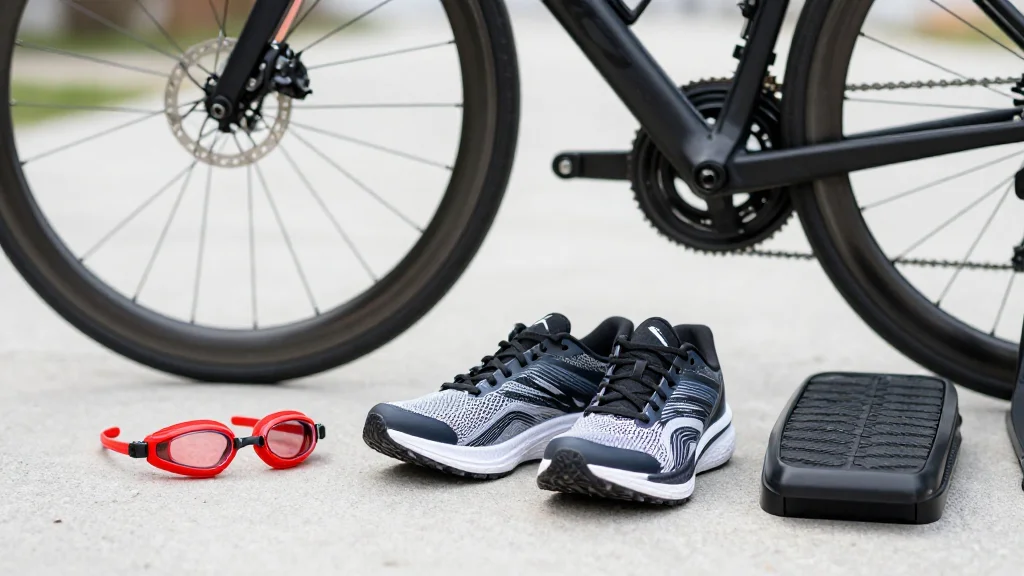
Cross‑train to Boost Aerobic Volume and Ease Run Soreness
A great way to get some more aerobic volume during running training is to ride a bike. Or swim. Or elliptical. A lot of runners don’t like running multiple days on a row due to soreness in running-specific areas like...

First Half Marathon Too Close to Marathon Goal
I’ve been thinking about this for a while, and I think it’s my real take now: The BoA 13.1 and the Chicago marathon are too close together. They are 18 weeks apart. If truly racing both, you have 17wks to train...

Runners Lose Too Much Pace in Longer Races
I don’t meet many runners who struggle with shorter distances relative to the longer races unless they’re seasoned in ultras or marathons. The majority of runners I meet show a deterioration in their pace more than expected in longer...

Train Year‑Round, Tailor Workouts, Eliminate Race Pitfalls
I think there are a lot of things recreational marathoners can do to race faster if they want to: 1. Start training for more of the year. If you’ve been starting in April/May, start in January. 2. Introduce some specificity...

Ease Into Sprints to Boost Distance Running Safely
Sprints can be very beneficial for distance runners. But you still need to ease into this type of training. Muscle and tendon forces are REALLY high during sprinting. If you haven’t attempted it in years, you run the risk of...

Progressive Overload, Not Rush, Heals Injured Tendons
Most injured runners I meet do a pretty good job at the initial phase of calming down their tendon injury. They do things like relative rest, avoiding irritating activities and letting the tendon settle down. What they usually mess up...

Positive Splits only Work on Downhill, Wind‑assisted, Short Races
When race planning, I can’t think of a reason why I’d recommend attempting positive splits instead of even or negative splits outside of a few scenarios: 1. Course profile is downhill in first half, uphill in 2nd half. 2. Heavy...

Stop Running When Pain Persists Beyond 48 Hours
“How much pain is too much pain to keep running?” If you’re asking this question, a short break of a few days might be needed. But here are the criteria I use. If these signs are present I recommend a break...