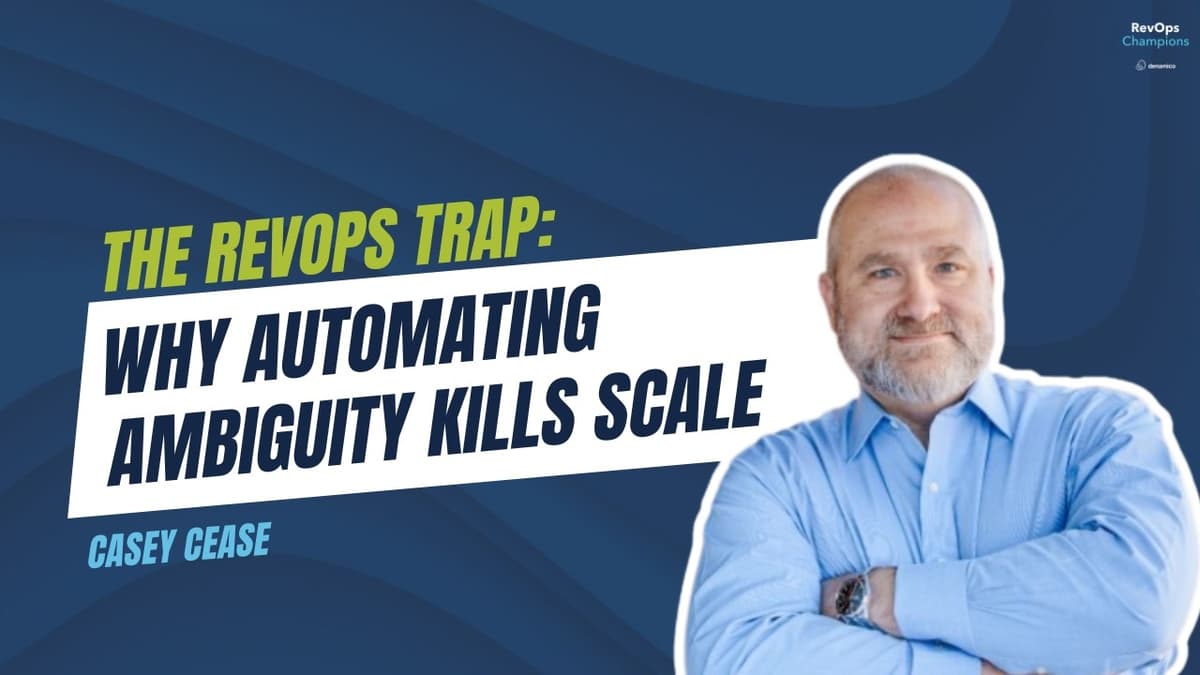
120 | The RevOps AI Trap: Why Automating Ambiguity Kills Scale | Casey Cease
The podcast episode explores the "RevOps AI trap" – the danger of automating ambiguous processes without solid foundations. Casey Cease argues that many leaders either shun AI out of privacy fears or rush to adopt tools without clear workflows, leading to chaos and wasted investment. Key insights include the need to identify repetitive friction points before deploying AI, understanding that AI agents consist of three components (data source, prompting model, and desired output), and recognizing that automation is merely an evolution of existing tools like Zapier, now amplified by inference capabilities. Cease stresses auditing existing tool subscriptions and building trust through low‑risk pilots. He illustrates his points with vivid examples: comparing AI adoption to getting a tattoo – start small, see the value, then expand; deploying a bilingual AI receptionist to qualify leads without replacing staff; and offering a free SOP‑building course to help businesses codify processes before automation. These anecdotes underscore the importance of people‑first design. The broader implication is clear: scaling with AI demands robust, documented systems and a culture that values both employees and customers. Leaders must incrementally integrate AI, continuously audit tool usage, and align technology with measurable outcomes to avoid amplifying ambiguity and jeopardizing growth.
$35 Million From One Article He Wrote in 45 Minutes
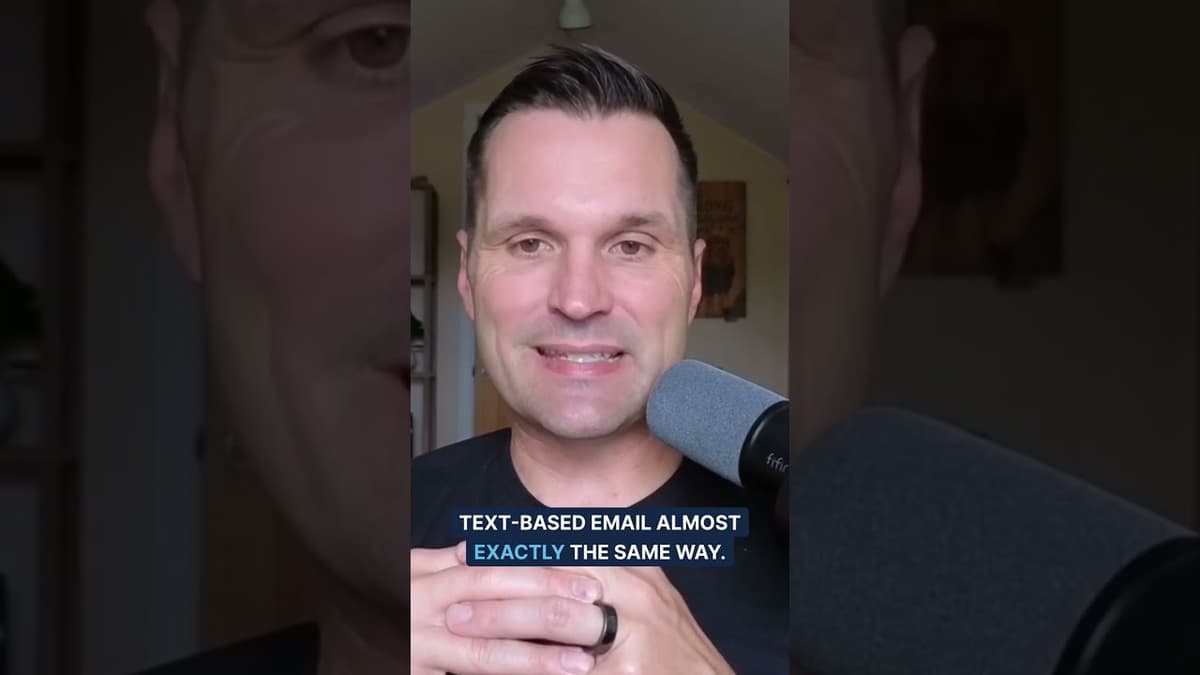
The speaker argues that salespeople should replace cold, text‑based emails with one‑to‑one video introductions before any sales call. By showing their face and voice, reps can create a personal connection that traditional email cannot deliver. Data points underscore the gap: fewer...

Stop Fixing Problems. Start Predicting Them 💡
The video argues that organizations should move from a reactive, problem‑fixing mindset to a predictive, data‑driven approach. By treating standard operating procedures (SOPs) as living processes rather than static checklists, companies can anticipate disruptions before they materialize. The speaker emphasizes continuous...
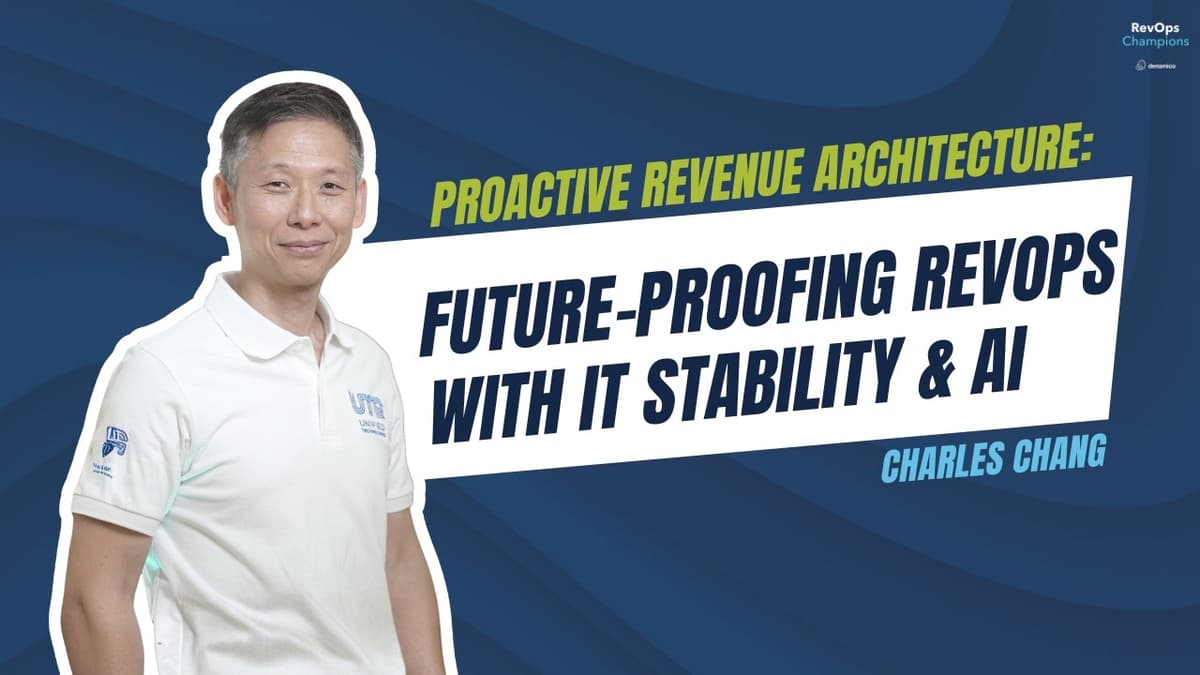
117 | Proactive Revenue Architecture: Future-Proofing RevOps with IT Stability & AI | Charles Chang
The RevOps Champions podcast episode spotlights Charles Chang’s "Proactive Revenue Architecture" philosophy, emphasizing that AI, security, and IT stability are foundational to scaling revenue operations. Chang argues that early AI adopters should target genuine productivity gains—saving 30‑60 minutes per week—rather...

The Sales Filter That Stops Your Team From Chasing the Wrong Deals
The video frames AI as a sales‑filtering tool, drawing parallels to the translation industry’s evolution where AI assists rather than replaces humans. It argues that, like translators now post‑edit AI output, salespeople can let AI screen prospects, allowing teams to...

Why #Franchisees Fail Before They Open 🚩
The video examines why many would‑be franchisees collapse before opening, attributing the problem primarily to inadequate due diligence. Prospective owners often sign agreements without fully understanding the financial outlay, time commitment, and operational demands, despite abundant books, consultants, and broker support. The...
From 3 to 50: Scaling Your Franchisee Onboarding Process
The video addresses how franchisors must evolve their onboarding systems when moving from a handful of new franchisees each quarter to dozens. It stresses that informal, ad‑hoc methods work only at low volume; scaling requires documented standard operating procedures and...

Why Perfect Multi‑Touch Attribution Is a Pipe Dream
The video argues that striving for perfect multi‑touch attribution is unrealistic; many customer‑journey interactions are inherently untrackable. The speaker recommends building a minimum viable attribution framework that matches the organization’s data‑engineering capacity and team bandwidth, emphasizing resource‑driven design over theoretical completeness. He...

How Golf #Franchise Hits 160+ Units Without Staff
The video explains how a golf‑simulator franchise grew to over 160 locations by stripping out traditional staffing and relying on technology. By treating rent as the primary fixed cost and eliminating hourly wages, the business can operate profitably with minimal...
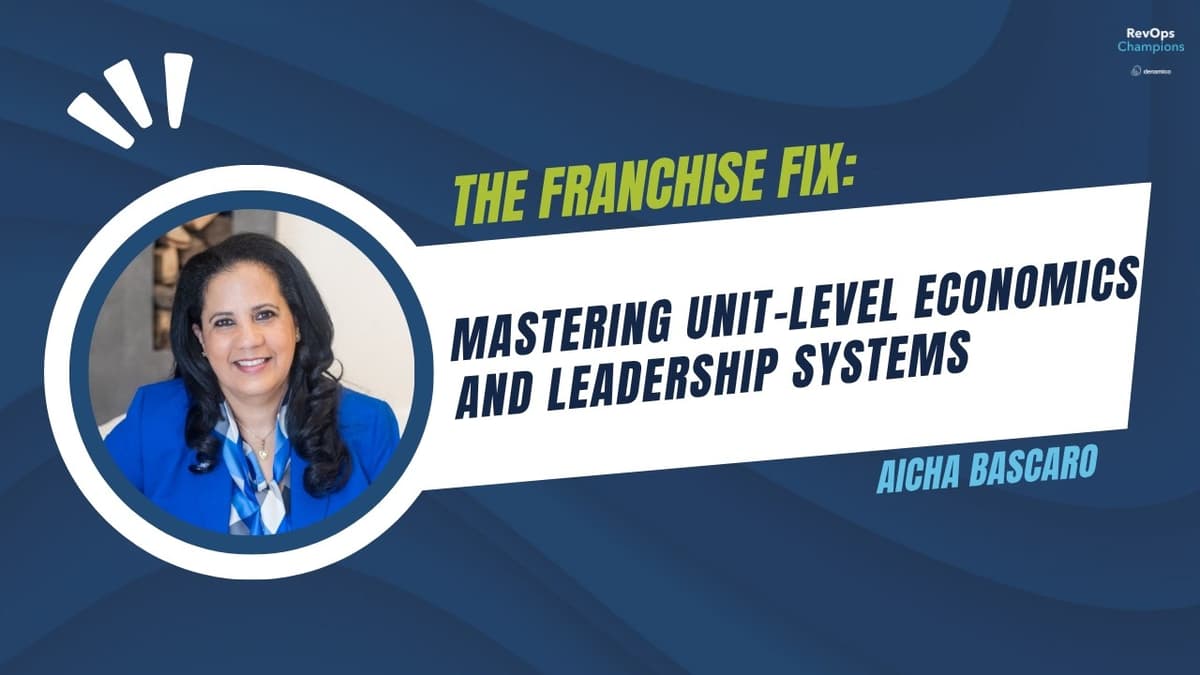
114 | The Franchise Fix: Mastering Unit-Level Economics and Leadership Systems | Aicha Bascaro
In this episode of RevOps Champions, Aisha Bascaro, founder of the American Franchise Academy (AFA), explains how mastering unit‑level economics and leadership systems can transform franchise operations into predictable, scalable profit engines. Drawing on 35 years of experience with brands...
Using AI in #Franchising Without Losing Focus
The speaker warns franchise companies not to become technology companies, urging them to keep franchising objectives front‑and‑center while adopting AI. He stresses two core questions: first, demand a measurable return on AI spend; second, decide how to redeploy the time and...

Building a Go-To-Market Positioning Strategy That Works
The video outlines a structured go‑to‑market positioning framework that resembles an upside‑down triangle or funnel. It starts with a wide‑angle view of the business identity, asking fundamental questions about who the customer is, their current journey, and the unique value...

Choosing Revenue Over MQLs: A Marketer's Tough Call
The video recounts a marketer's decision to prioritize revenue over meeting MQL targets, shifting campaigns toward larger, up‑market accounts. By targeting bigger deals, average deal size jumped eightfold, propelling revenue far beyond forecasts, yet the MQL count fell dramatically, missing the...

When Growth Exposes Misalignment 🚩
The speaker highlights how rapid growth can act as a diagnostic tool, revealing misalignments that remain invisible during slower, steadier periods. In a services‑based organization, where sales, marketing, operations, customer success, and solutions teams must work in concert, these hidden...

Why Scaling Companies Control Less
The video stresses that a leader’s primary mental asset is an unshakable belief in the company’s mission. It argues that this conviction must be evident to employees, because any hint of uncertainty can undermine authority. The speaker outlines three practical principles:...