
Who Wants To Own Big Law?
The episode of Semaphore’s “Compound Interest” dives into litigation finance, featuring Burford Capital CEO Chris Bogard, who explains how the nascent industry turns lawsuits into investable assets. Bogard describes litigation as an invisible balance‑sheet item that drains operating cash when corporations fund their own disputes. By providing non‑recourse capital, Burford lets companies keep cash for growth while law firms receive the cash they need without hourly billing constraints. “I was a cost center,” Bogard recalls from his time as Time Warner’s general counsel, noting that a $10 million legal spend can shave $200 million off market value. He adds that successful investments require three pillars: legal merit, quantifiable damages, and collectibility. The model, catalyzed by the 2008 financial crisis, has grown into a multi‑billion‑dollar market, attracting private‑equity‑style underwriting and prompting law firms to consider alternative financing structures, reshaping the economics of big‑law and corporate risk management.
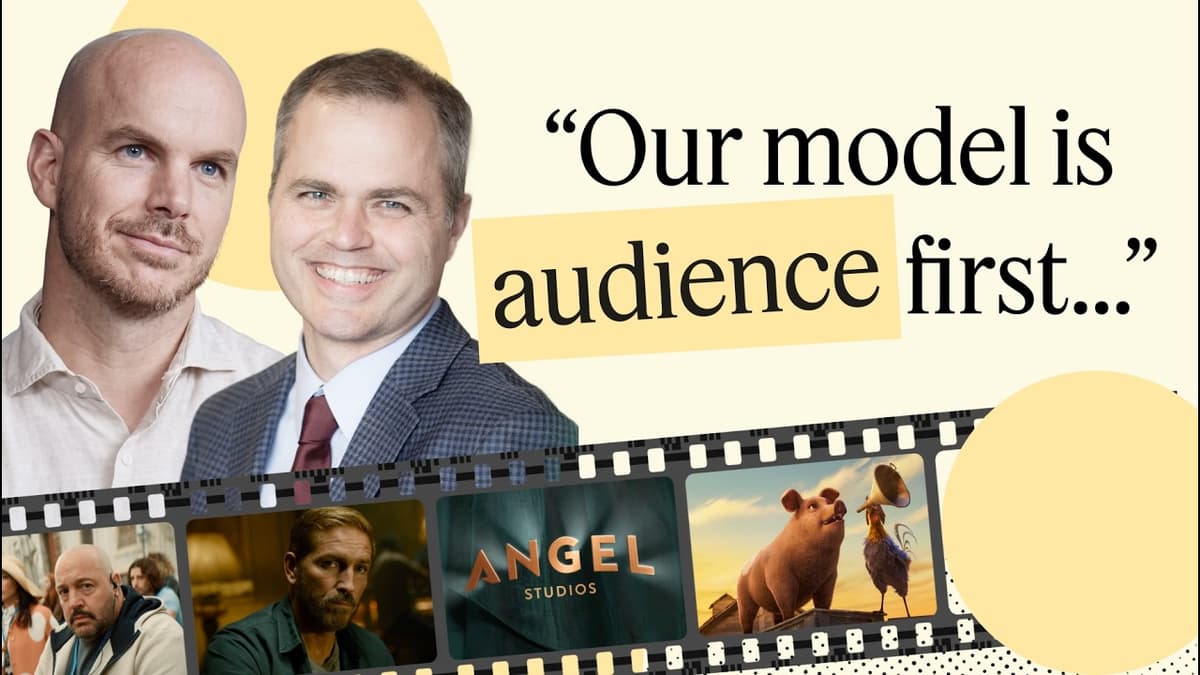
Angel Studios Is Crowdsourcing A “Values-Based” Alternative To Hollywood
The Mixed Signals podcast spotlights Angel Studios, a values‑based, crowdsourced film studio built as an alternative to mainstream Hollywood. Founders Neil and Jeff Harmon explain that a two‑million‑strong Angel Guild votes on every project, and only films scoring at least...
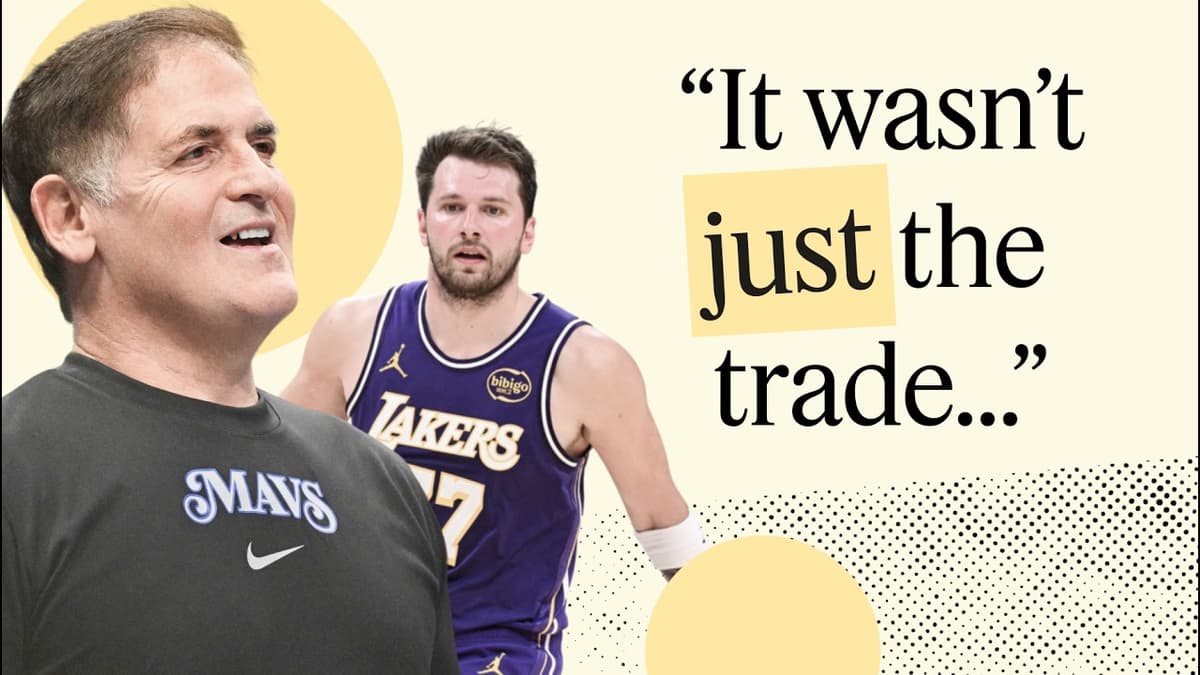
Mark Cuban's Dallas Mavericks Sale Regrets
The interview centers on Mark Cuban’s reflections about selling the Dallas Mavericks and the evolving economics of sports ownership. Cuban explains that franchise discussions moved from fan experience to pure valuation, prompting his exit as teams head toward multi‑billion‑dollar institutional deals....
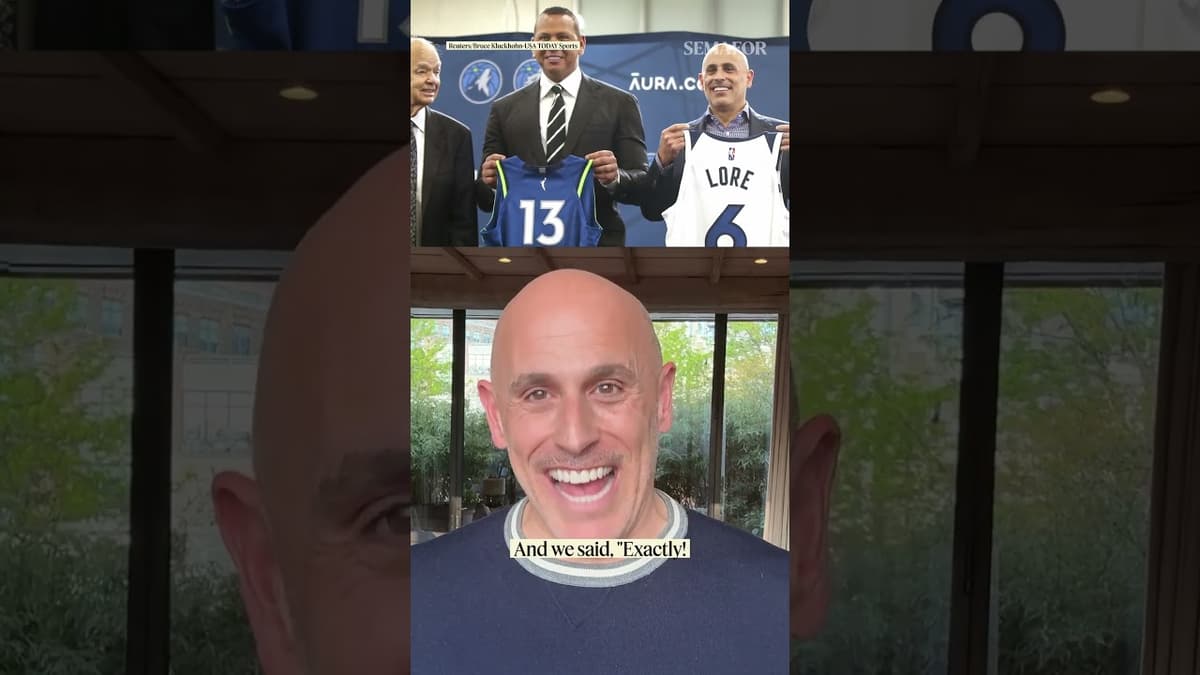
Are NBA Teams Still Undervalued?
The video explores whether NBA franchises remain undervalued, using the speaker’s recent $1.5 billion purchase as a case study. He recounts meeting with the seller, Glenn Taylor, and deciding to accept the asking price without any negotiation, driven by the belief...
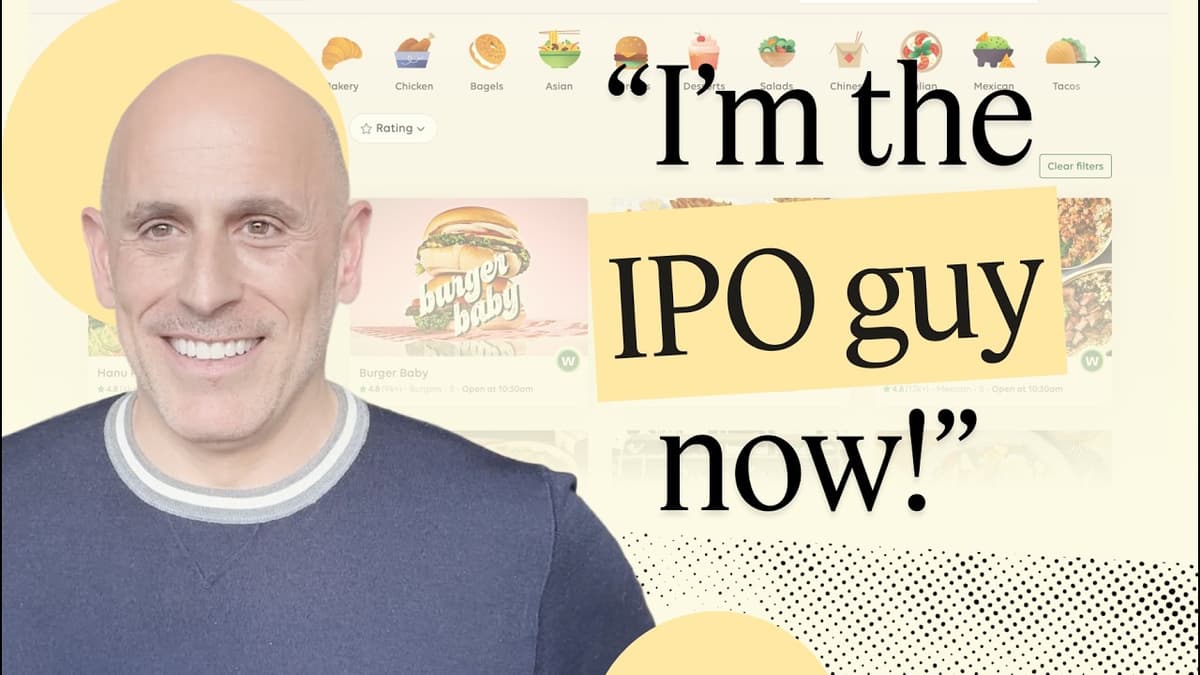
Wonder’s Marc Lore On Vibe-Coding Restaurants, Drone Delivery, & Becoming "The IPO Guy"
Marc Lore, the former head of Walmart’s e‑commerce unit, unveiled Wonder – a digitally‑driven food‑hall that consolidates cooking, branding and delivery under one roof. In a 2,500‑square‑foot kitchen the company currently operates 25 distinct restaurant concepts, with a long‑term vision...
Mark Cuban Wants To Disrupt Health Insurance
Mark Cuban, billionaire investor, announced a blueprint to upend the U.S. health‑insurance industry by replacing premiums with a dedicated health‑care bank account. Under the plan, a family would deposit the amount they would normally pay for an ACA silver plan into...
Does Mark Cuban Regret Selling The Dallas Mavericks?
Mark Cuban opened up about lingering regrets surrounding his 2021 sale of the Dallas Mavericks, revealing that the transaction’s fallout stemmed from mis‑aligned expectations rather than the on‑court product. He explained that he entered the deal assuming he would retain...
Why Corporate Media Can't Replicate Johnny Harris...
The video argues that large news corporations such as CNN and CBS struggle to reproduce the success of independent creator Johnny Harris in high‑quality, long‑form video journalism. Harris attributes the gap to a missing ingredient: genuine excitement, curiosity, and personal passion...
Dan Schulman, Verizon CEO, on AI, Layoffs & Punching Back | The CEO Signal
Dan Schulman, former PayPal chief, stepped out of retirement to become Verizon’s CEO, tasked with reversing a five‑year decline in market share, rising churn, and a slipping market‑cap. He framed the mission as a “play‑to‑win” attitude, borrowing metaphors from...
IBM CEO Arvind Krishna: Quantum Is Closer than You Think
IBM CEO Arvind Krishna says quantum computing is likely three to five years away, positioning it as a complementary technology rather than a replacement for AI. He emphasizes that while AI excels at analyzing historical data to forecast, quantum computers...
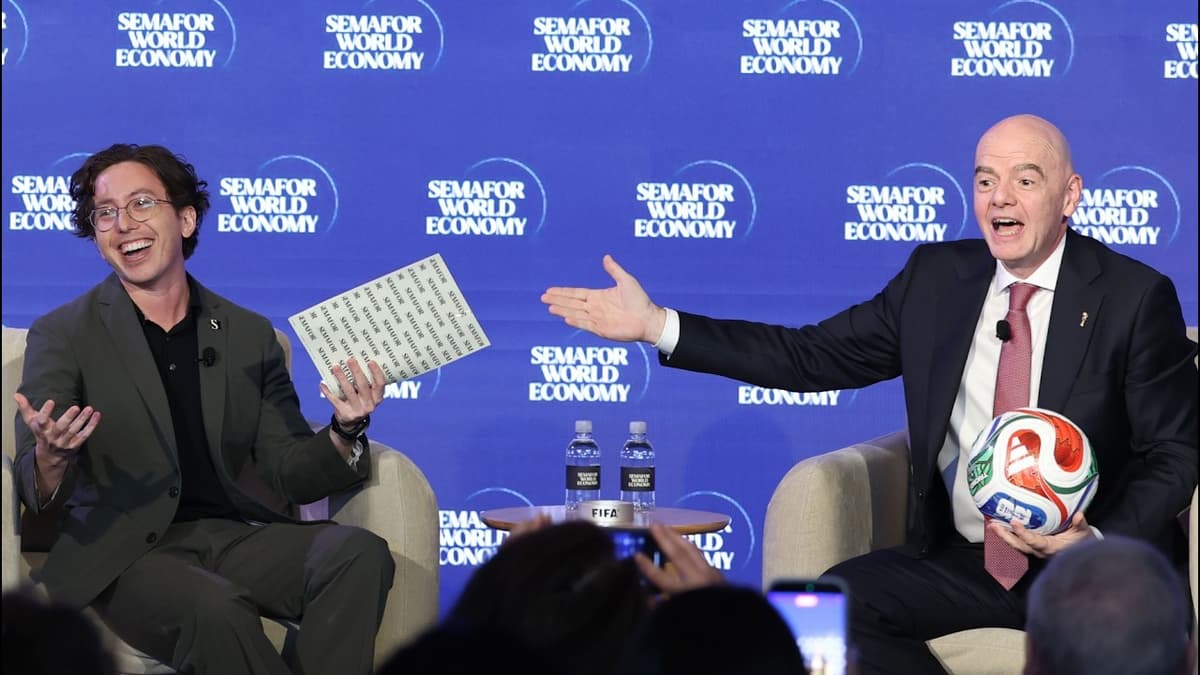
FIFA President Gianni Infantino on World Cup Ticket Prices, A Halftime Show, & Trump’s Peace Prize
Gianni Infantino appeared at the Semaphore World Economy forum to promote the 2026 FIFA World Cup, highlighting unprecedented ticket demand and the tournament’s broader economic significance. He noted that 500 million ticket requests poured in during the first sales phase, a...
Maverick Carter on LeBron's Future, The NBA's Attention Economy, & Reinventing Sports Media
The Mixed Signals podcast featured Maverick Carter, co‑founder of SpringHill and co‑CEO of Full Well Entertainment, discussing LeBron James’ post‑playing future, the NBA’s attention economy, and the next wave of sports media. Carter explained that LeBron’s next phase will be built...
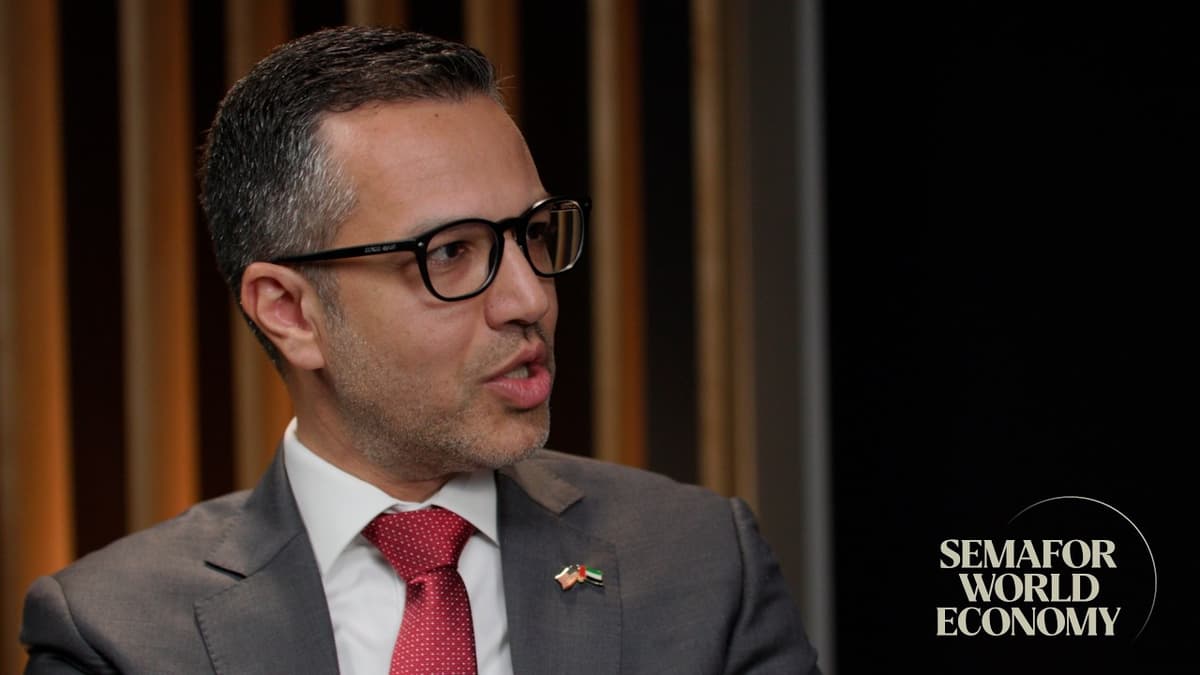
How Dubai’s Hadi Badri Builds Confidence During A Crisis
The video features Hadi Badri, head of Dubai Economic Development Corporation, outlining how Dubai responded to the sudden geopolitical shock on February 28 when the US and Israel struck Iran. He details the immediate activation of the emirate’s air‑defence network, which...
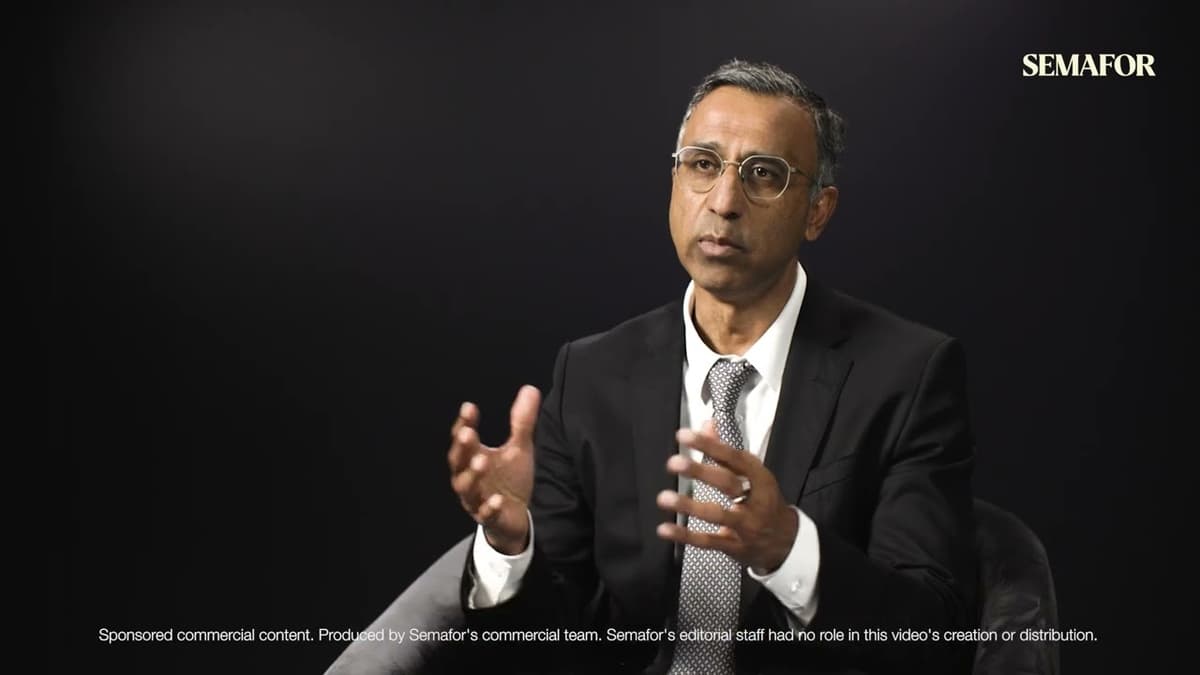
NTT DATA, Inc. President & CEO Abhijit Dubey From Semafor World Economy
In a recent Semafor World Economy interview, NTT DATA President and CEO Abhijit Dubey outlined a four‑step framework—dubbed the “rule of 1‑2‑3‑4”—that companies must consider when extracting economic value from enterprise AI. Dubey broke down the total cost of ownership into...
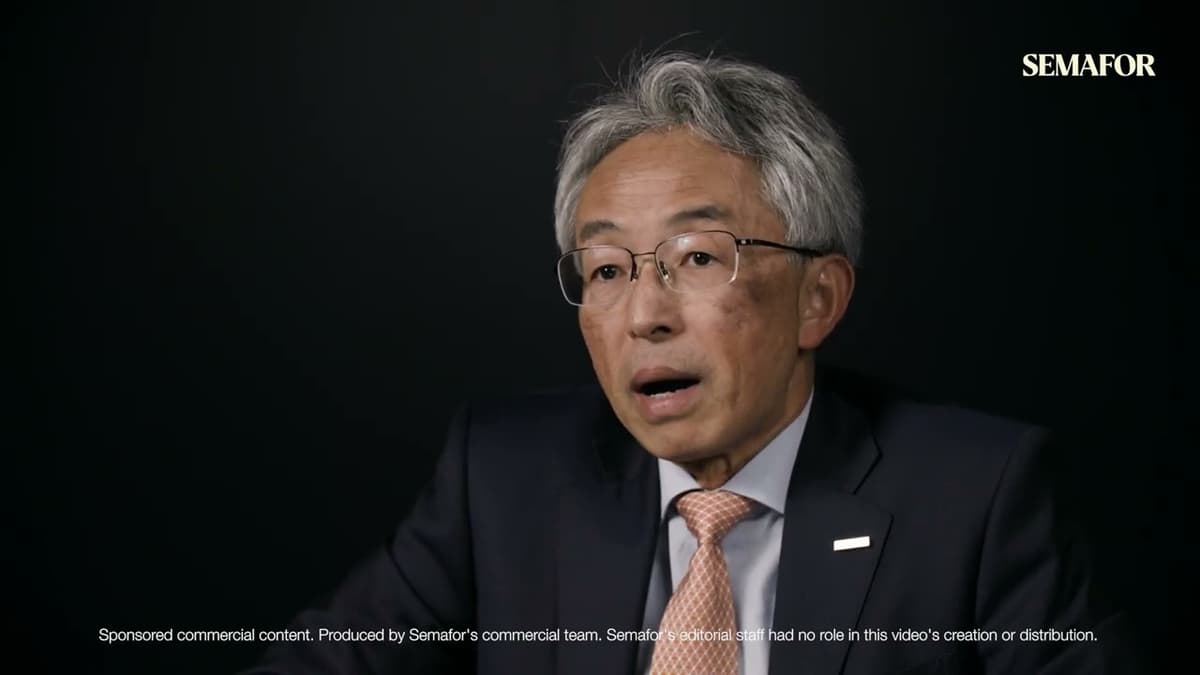
NTT Data Group President and CEO Yuktaka Sasaki From Semafor World Economy
In a recent Semafor World Economy interview, NTT Data Group President and CEO Yuktaka Sasaki outlined a three‑stage roadmap for AI adoption. He described the "new game of AI days" as beginning with large‑language models that excel at software programming,...
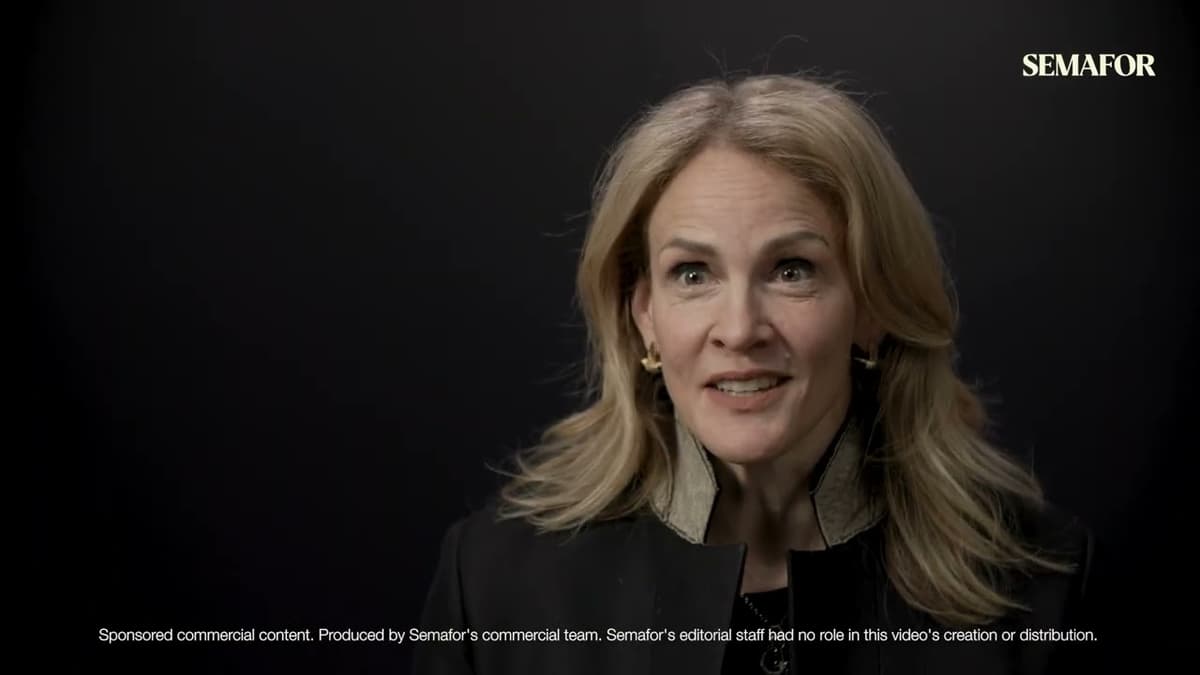
Parallels, Inc. CEO Christa Quarles From Semafor World Economy
Parallels Inc. CEO Christa Quarles addressed a Semafor World Economy audience, warning that executives are increasingly preoccupied with the prospect that artificial intelligence could erase future employment opportunities for the next generation. She framed the conversation around a recurring boardroom...
Cisco EVP & Chief Customer Experience Officer Liz Centoni From Semafor World Economy
Liz Centoni, Cisco’s EVP and Chief Customer Experience Officer, framed the AI debate as a choice between "AI tourists" and "AI residents." She argued that the future isn’t about merely attaching artificial intelligence to existing tasks, but about rethinking whether...
Lippincott CEO Michael D’Esopo From Semafor World Economy
Michael D'Esopo, CEO of Lippincott, argued that trust is evolving from a mere economic signal into a community‑building asset that underpins brand value. He warned that AI is flattening traditional competitive moats, making differentiation harder, and posited that brand‑driven trust...
PMI Group CEO Jacek Olczak From Semafor World Economy
Jacek Olczak, CEO of PMI Group, warned that today’s job candidates arrive with a clear expectation: they want to know whether they can leverage artificial‑intelligence tools in their daily work. He framed this shift as a symptom of broader...
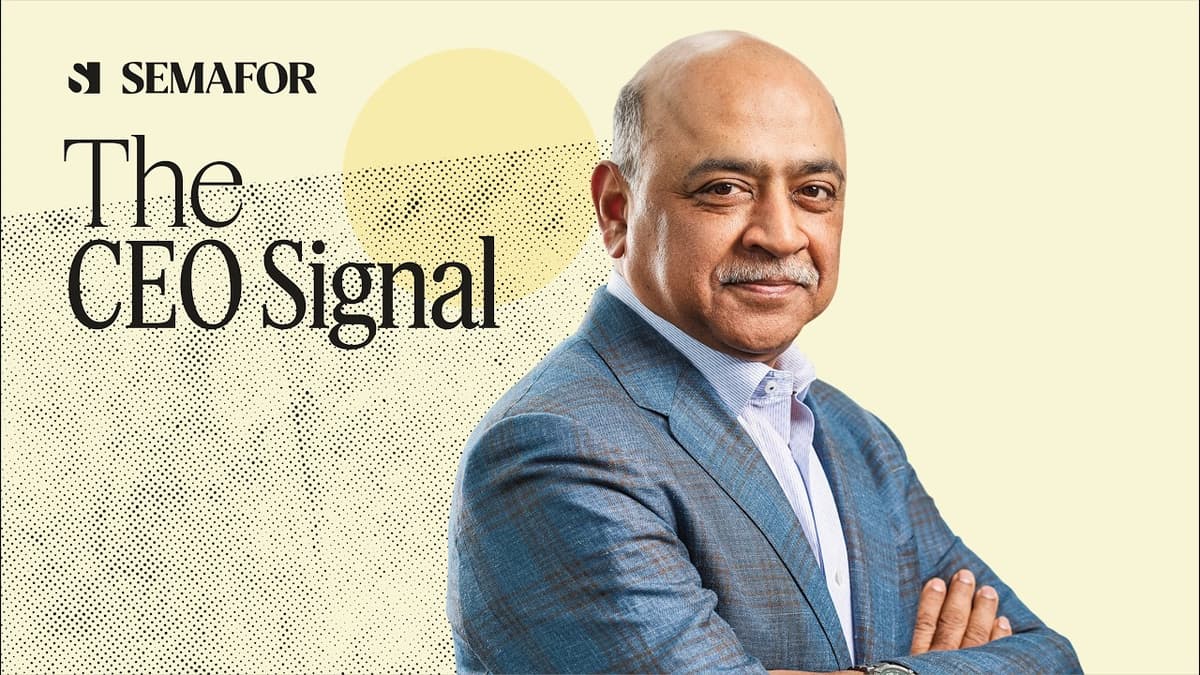
Arvind Krishna, IBM CEO, on Big Bets, AI, and Quantum | The CEO Signal
The CEO Signal interview with Arvind Krishna, IBM’s chairman and chief executive, centers on the company’s bold $34 billion Red Hat acquisition, its pivot to hybrid cloud, and the strategic emphasis on AI and quantum computing. Krishna explains how the deal, once...
Fortifying Resilient Global Systems | Semafor World Economy
At Semafor’s World Economy conference, speakers framed resilience as redesigning global systems—from power grids to financial safety nets—to absorb and emerge stronger from shocks. Runway’s CEO described how generative AI is already reshaping Hollywood workflows across scripting, pre‑production, VFX and...

The Next Era of Global Growth | Semafor World Economy 2026
At Semafor’s World Economy summit, IEA chief Fatih Birol warned that the historic 400 million-barrel coordinated strategic release was a short-term “painkiller” and that further releases could be enacted quickly if supply disruptions continue. He flagged six weeks of interrupted...

Oura CEO Tom Hale on AI's Future and How the Smart Phone Still Plays an Integral Part
Oura CEO Tom Hale explores what the next AI‑centric device might look like, questioning whether it will replace the smartphone or simply evolve from it. He frames the discussion around the need for a platform that can handle constant connectivity,...

Bluesky COO Rose Wang On Building a Better Social Network
The Mixed Signals podcast featured Rose Wang, COO of Blue Sky, to explain the company’s ambition to reinvent social networking through an open protocol rather than a single, closed platform. Originating from Jack Dorsey’s 2019 tweet and Mike Masnick’s protocol‑vs‑platform...
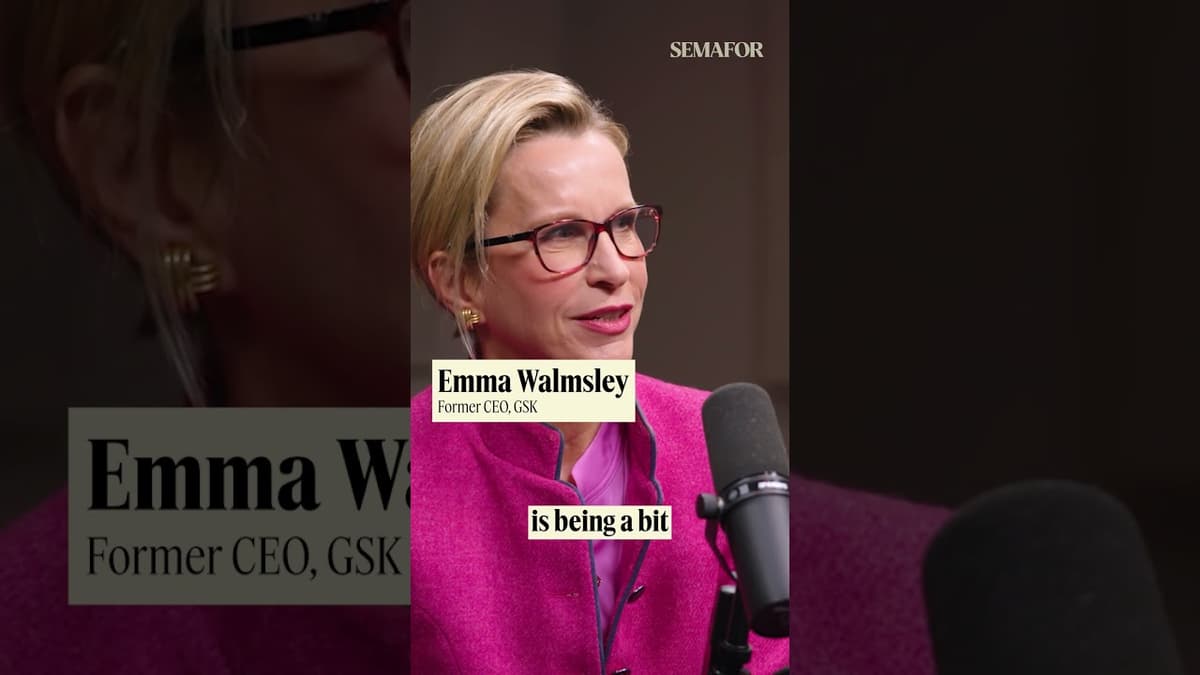
Emma Walmsley on Handling Activist Pressure as CEO
Emma Walmsley, chief executive of a major pharmaceutical firm, spoke about the intense scrutiny she faced when activist investor Elliott Management challenged her leadership and strategic direction. She highlighted the short‑term focus of capital markets and described the episode as a...

Where Did Snapchat Go Wrong?
The video features the board chair of Snap discussing the company’s steep valuation drop from its IPO highs to a single‑digit stock price, framing the conversation around broader industry dynamics rather than a single strategic misstep. He contrasts Snap’s trajectory...

Emma Walmsley on Leading and Leaving GSK | The CEO Signal
Emma Walmsley, departing CEO of GlaxoSmithKline, sat down for a candid CEO Signal interview to reflect on the full arc of her nine‑year tenure. She described taking the helm in 2017 with a mandate to overhaul a sprawling, underperforming organization,...

'Lobbyists Weren't Created in 2025,' Says DOJ Antitrust Chief
Acting Assistant Attorney General Omeed Assefi told FTC Chair Andrew Ferguson that the notion of a new wave of MAGA‑aligned lobbyists hijacking antitrust reviews is exaggerated. He stressed that antitrust enforcement remains rooted in established law rather than political slogans...

Future of Mobility | Semafor World Economy 2026
At Semafor’s World Economy 2026 session on the Future of Mobility, Michelin North America executive Matthew Cabe stressed the company’s long-standing strategy to manufacture locally—operating dozens of plants across the U.S. and Canada—which has insulated the business from recent tariff...

The Geoeconomics of AI | Semafor World Economy 2026
At Semafor’s World Economy 2026 session on the geoeconomics of AI, utilities leaders argued that rapid electrification—driven in part by demand from AI data centers and electrified transport—is becoming a core national security and economic priority. Panelists said electrification offers...

Starbucks CEO Brian Niccol on Testing Strategy Before Scaling
In a candid interview, Starbucks CEO Brian Niccol outlined the company’s disciplined approach to rolling out new initiatives, emphasizing that no major change is launched across all locations without first proving its viability in test markets. He described a tiered...

Can Tiny Homes — And Tiny-Home Mortgages — Solve The Housing Crisis?
The podcast explores whether prefabricated tiny homes—specifically accessory dwelling units (ADUs)—and dedicated tiny‑home mortgages could help ease America’s chronic housing shortage. Host Liz Hoffman interviews Samara CEO Mike McNamera, who argues that backyard ADUs offer a scalable, high‑quality alternative to...

Is the Panic in Private Markets a Contagion or a Kingmaker?
The video debates whether panic in private markets is a contagious phenomenon or a catalyst that elevates elite managers. It frames the discussion around retail investors’ tendency to sell at market lows and asks whether this behavior can ever be...

The Man Behind Project Maven On The Promise & Peril Of AI In Warfare | Semafor Tech
The video features a former Marine intelligence officer who helped launch Project Maven, the Pentagon’s first large‑scale AI program to automate target analysis. He recounts his early career in the 1990s, the frustration with paper maps and PowerPoint, and the...

Michael Lynton on the Infamous Sony Hack and Learning From His Mistakes
The Mixed Signals podcast features former Sony Entertainment CEO Michael Lynton discussing the infamous 2014 hack that exposed internal Sony emails after the studio green‑lit the comedy "The Interview." Lynton explains that a casual table read with Seth Rogen and...

Starbucks CEO Brian Niccol on Competition and Brand Identity
In a recent interview, Starbucks chief executive Brian Niccol addressed how the coffee chain plans to navigate an increasingly crowded specialty‑beverage market while preserving its brand DNA. Niccol emphasized that competition fuels innovation, but Starbucks’ real edge lies in its massive...

The Next 3 Billion on Tour Series: Nairobi Edition | Semafor Events
The Semafor "Next 3 Billion" Nairobi edition convened policymakers, investors and fintech leaders to spotlight Kenya’s evolving financial‑inclusion ecosystem and its broader investment appeal. Hosted alongside the Kenya International Investment Conference, the event underscored the country’s recent accolades – topping...

California’s Tech Agitator Scott Wiener Finally Gets BASED | Semafor Tech
California Senator Scott Wiener is championing the BAS Act, a bipartisan bill designed to curb anti‑competitive conduct by the world’s largest tech platforms. The legislation seeks to prevent companies like Apple, Amazon, Google, Meta and emerging AI firms from leveraging...

Tech CEOs Need to Leave Their ‘God Complex’ Behind, Says A16z Partner David Ulevitch
In a candid interview, a16z partner David Ulevitch warned tech CEOs against adopting a “god complex” when dealing with government customers, using the Pentagon’s recent stance on Anthropic as a case study. Ulevitch explained that while the Pentagon may publicly criticize...
The State of Happiness in 2026 | Semafor Events
The Semafor event marked the launch of the 2026 World Happiness Report, produced with Gallup, and centered on a pressing question: how does social media shape global well‑being. Andrew Freriedman introduced the partnership, highlighted Semafor’s growth to over a...

Starbucks CEO Brian Niccol: On "Back to Starbucks" Plan
Starbucks CEO Brian Niccol outlined a "Back to Starbucks" plan aimed at refocusing the brand on its fundamental coffee‑house identity, stressing that the company had drifted from the constants that define the Starbucks experience. Niccol highlighted that the strategy hinges on...

Gavin Newsom on 'Sick' FCC Threats, David Ellison, & Getting Trump's Personal Cell Phone Number
Governor Gavin Newsom sat down to address a cascade of media‑related anxieties, from an alarming FCC warning to the looming Warner‑Bros‑Discovery‑Paramount merger. The conversation opened with Newsom’s reaction to FCC Chairman Brendan Carr’s suggestion that news outlets could lose their...

The Investor Behind A16z’s America First Push On Dealing With the Pentagon ‘Where Bits Meet Atoms’
The interview on Compound Interest introduces Andreessen Horowitz’s American Dynamism Fund, a venture‑capital vehicle created to channel private capital into sectors the firm deems essential to the United States’ national and economic security. Partner David Ulovich explains that the fund...
Why Is Everything A Membership Now?
The video argues that membership‑based business models are rapidly supplanting traditional, one‑off transactions across sectors, from hospitality to housing. Proponents cite convenience, access, and perceived value as core benefits, while critics warn that the model hinges on extensive data collection, blurring...

Jeffrey Goldberg on 'Signalgate,' Trump's Charm Offensive, And Why The Atlantic Is Winning
The Mixed Signals podcast episode features Atlantic editor‑in‑chief Jeffrey Goldberg discussing the one‑year anniversary of “SignalGate,” the accidental inclusion of a journalist in a secret Pentagon Signal group that revealed plans for strikes on Yemen. Goldberg reflects on how the...

Blackrock Infrastructure Summit: Future Builders | Semafor Media Partner
The BlackRock Infrastructure Summit introduced the Future Builders initiative, a $100 million philanthropic program aimed at closing America’s skilled‑trade gap as the nation embarks on a massive infrastructure renewal. Panelists cited Bureau of Labor Statistics forecasts that hundreds of thousands of new...

Is China Using Streamers for Propaganda?
Recent speculation suggests China may be leveraging online streamers to disseminate propaganda to global audiences. During Semafor’s Mixed Signals podcast, streamer Hasan Piker described feeling a pervasive surveillance environment while in Beijing, yet he asserted that no coordinated effort by...

Bilt’s Ankur Jain On Solving The ‘Four-Banana Problem’ And Gamifying How, And Where, We Live
Bilt Rewards, founded in 2019, pioneered rent‑payment points after noticing credit‑card rewards for drinks but not housing. A brief, troubled partnership with Wells Fargo ended, prompting the firm to double down on its platform vision. CEO Ankur Jain now targets control...

Trump’s Iran Options Include Special Operations Raid on Nuclear Sites
The Trump administration is weighing a limited military option against Iran that would deploy Special Operations forces to seize and destroy key nuclear facilities. This approach is presented as an alternative to a full‑scale ground invasion, aiming to cripple Tehran's...

FCC Chairman Brendan Carr on Paramount, Warner Bros., And What He Really Thinks of Bari Weiss
FCC Chair Brendan Carr lauded CBS under CEO David Ellison and journalist Bari Weiss, noting the network’s willingness to experiment with new formats. Ellison, who assumed leadership of Paramount after its merger with Skydance, has pursued conservative‑friendly moves, including acquiring...