
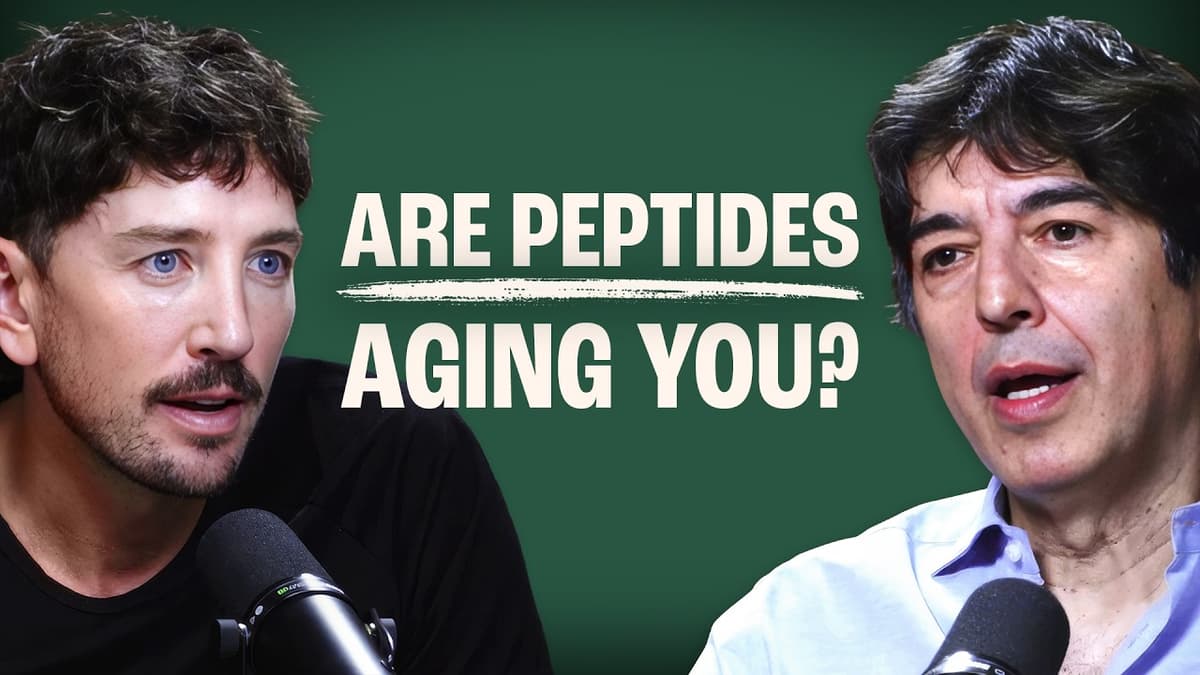
USC Longevity Scientist Dr. Valter Longo: Why Growth Hormone Peptides Age You Faster
The interview with longevity researcher Dr. Valter Longo examines the surge in growth‑hormone‑stimulating peptides and GLP‑1 agonists, warning that these shortcuts may undermine long‑term health and lifespan. Longo cites a three‑year study showing 92% of GLP‑1 users quit, with rapid fat loss accompanied by loss of lean body mass and fast weight regain once treatment stops. He stresses that peptides boosting GH/IGF‑1 accelerate aging pathways, counteracting the goal of reaching age 110 in good health. He points to fasting‑mimicking diets (FMD) as a lifestyle alternative that preserves muscle while shedding fat, and criticizes DIY injections sourced from unregulated markets. Longo argues that trained health professionals—dietitians, longevity clinicians—are essential to guide safe, sustainable interventions. The implication is clear: reliance on short‑term pharmacology without expert oversight can erode muscle, bone and overall healthspan. Sustainable weight management should prioritize evidence‑based lifestyle changes, intermittent fasting, and professional guidance, reshaping obesity treatment and longevity strategies.
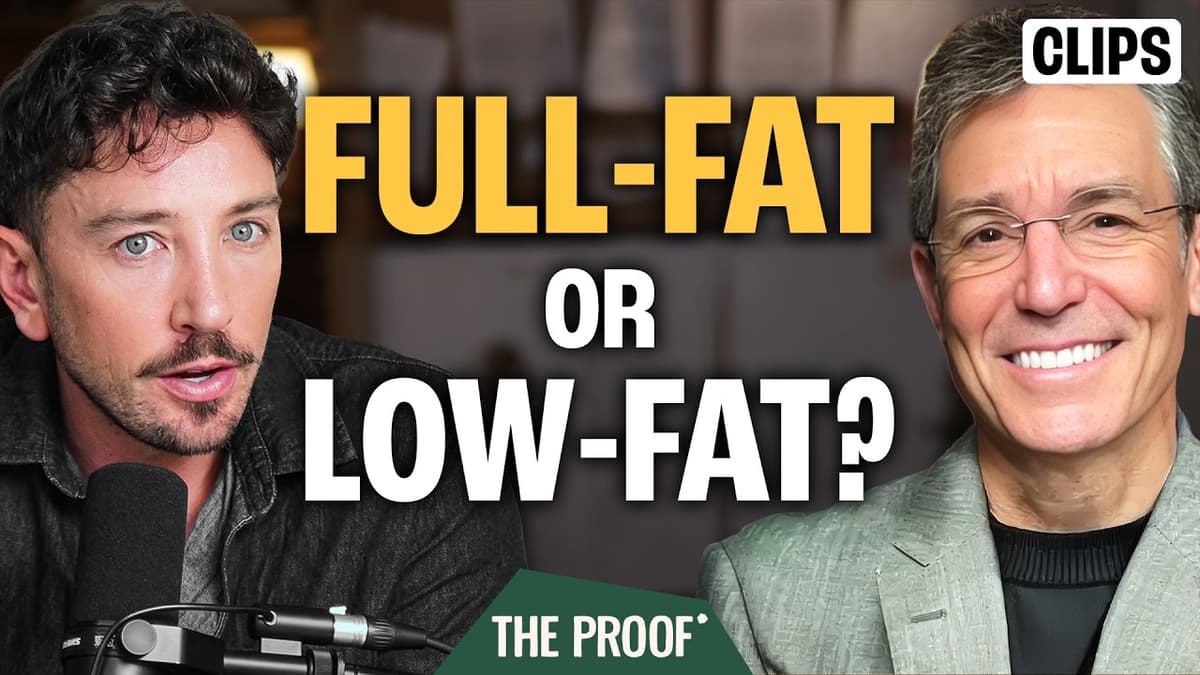
Is Full-Fat Dairy Actually Better? What the Science Shows | David Katz | EP#405
The video examines whether full‑fat dairy is healthier than low‑fat alternatives, weighing evolutionary history, nutritional science, and dietary guidelines. Katz notes that adult lactose intolerance is the default; lactase persistence arose in select populations like Scandinavian settlers. Removing fat from dairy...
Harvard Scientist: The Diet That Lowers Cholesterol Like Statins (Without Drugs) EP#416
The video features a Harvard scientist outlining a dietary pattern that combines higher plant protein and whole‑grain intake, claiming it can lower LDL cholesterol to levels rivaling prescription statins. The discussion references recent epidemiological data and contrasts it with popular...
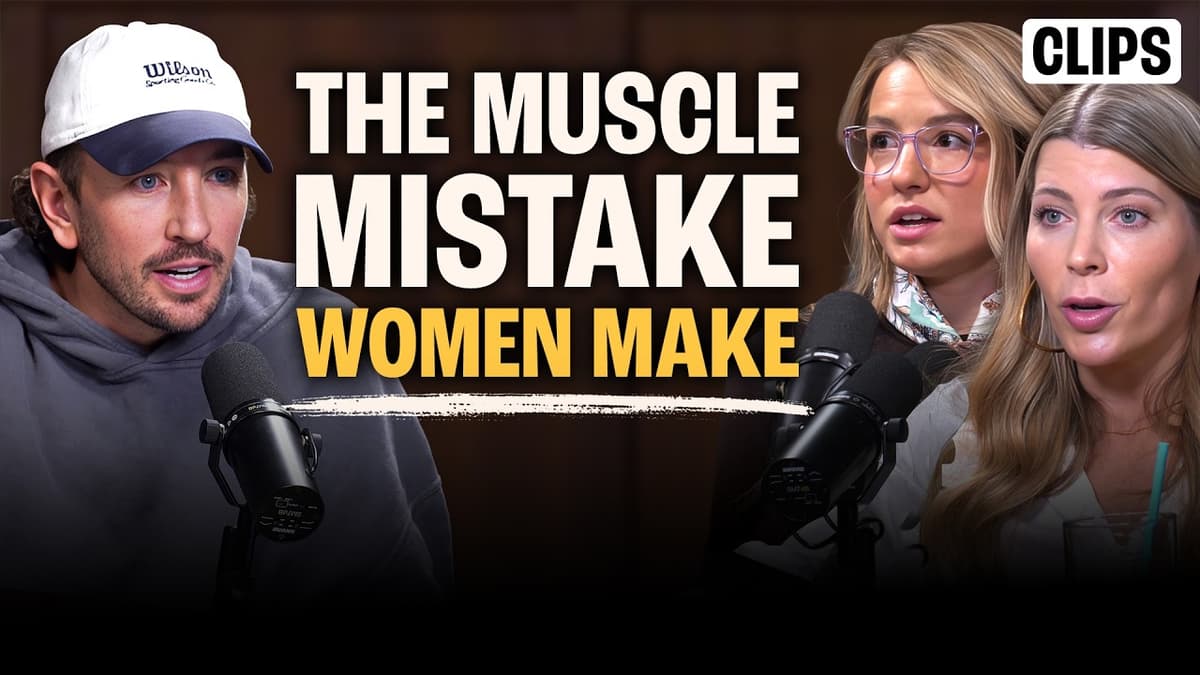
Why Women Over 40 Should Stop Cutting Calories to Build Muscle | EP#407
The episode argues that women over 40 should abandon calorie‑restriction diets and instead focus on building muscle through consistent strength training and short‑term tracking. Hosts stress that brief periods of logging workouts and nutrition teach portion sizes and load selection, while...

Is Your Gut Test Actually Accurate? The Problem Most Companies Hide | Dr. Tim Spector
The video explains why most commercial gut‑microbiome tests are unreliable and what technology truly delivers accurate results. Dr. Tim Spector argues that only shotgun metagenomic sequencing—reading every gene from every microbe—meets the scientific standard, whereas older 16S rRNA or PCR...
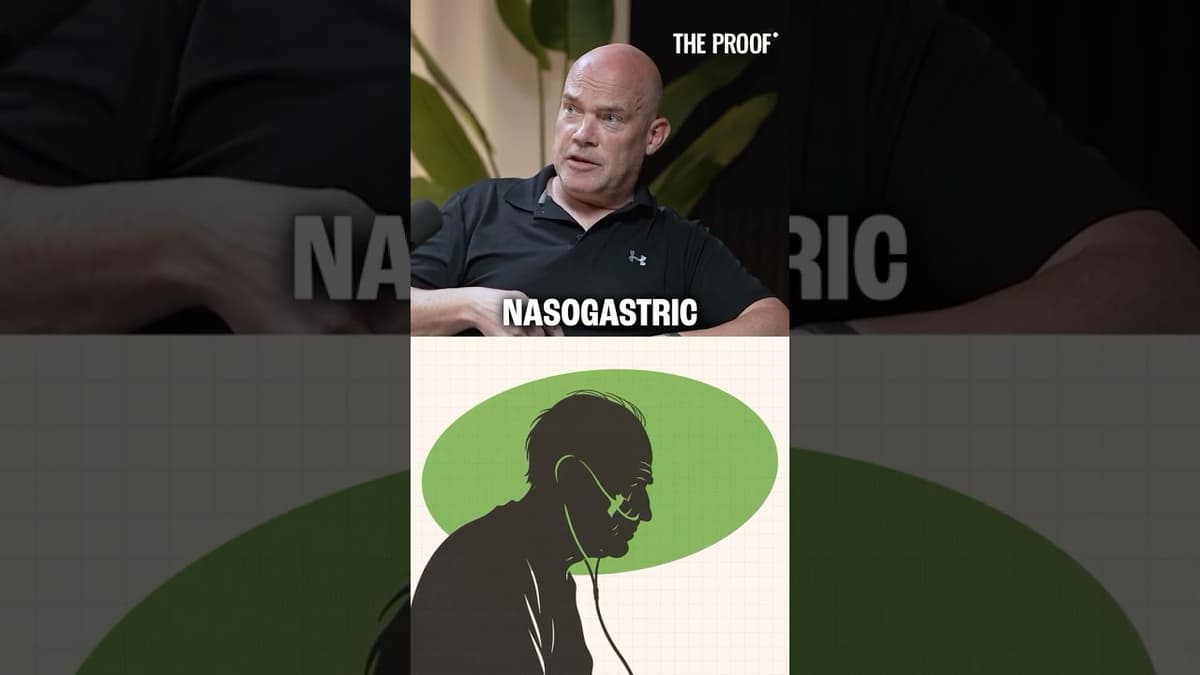
Eat Protein Before Bed to Build Muscle While You Sleep | Luc Van Loon | EP#399
The video discusses a controlled study that examined whether protein ingested during sleep can be digested and used for muscle building. Researchers admitted older volunteers to a hospital, inserted nasogastric tubes, delivered 40 g of intrinsically labeled protein at 2 a.m., and...
Why Ultra-Processed Foods Make You Overeat Without Trying | Dr. Kevin Hall
The video features Dr. Kevin Hall explaining a landmark randomized controlled trial that directly compared ultra‑processed and minimally processed diets. By giving the same participants identical calorie totals and matching macronutrients, the study isolated the food matrix itself, revealing that...

Does Ultra Processed Food Actually Raise Your Cancer Risk? | Rhiannon Lambert
Rhiannon Lambert discusses whether ultra‑processed foods increase cancer risk, emphasizing that the debate extends beyond epidemiology to everyday affordability and label accuracy. She notes that the UK Eat Well Plate is financially out of reach for many low‑income families, requiring...
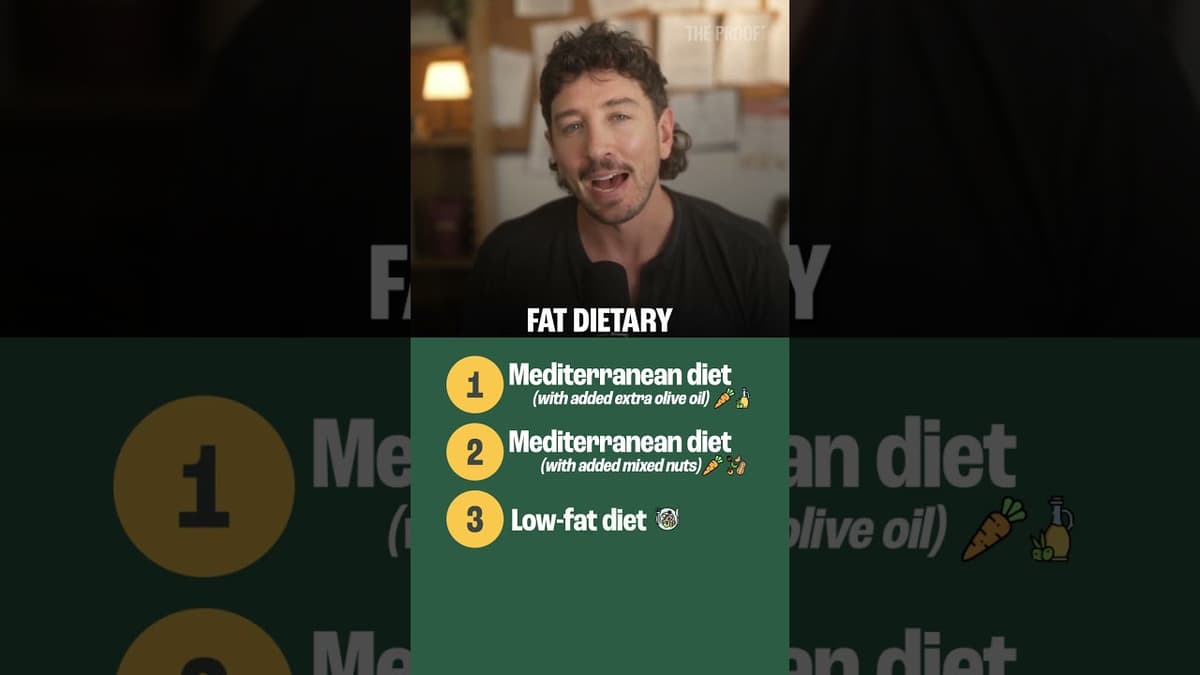
Which Diet Is Better for Heart Health: Mediterranean or Low Fat? | The Proof EP#404
The video reviews the landmark PREDIMED trial, which compared a Mediterranean eating pattern—supplemented either with extra‑virgin olive oil or mixed nuts—to a conventional low‑fat diet in over 7,000 older adults at cardiovascular risk. After a median follow‑up of 2.4 years, participants...
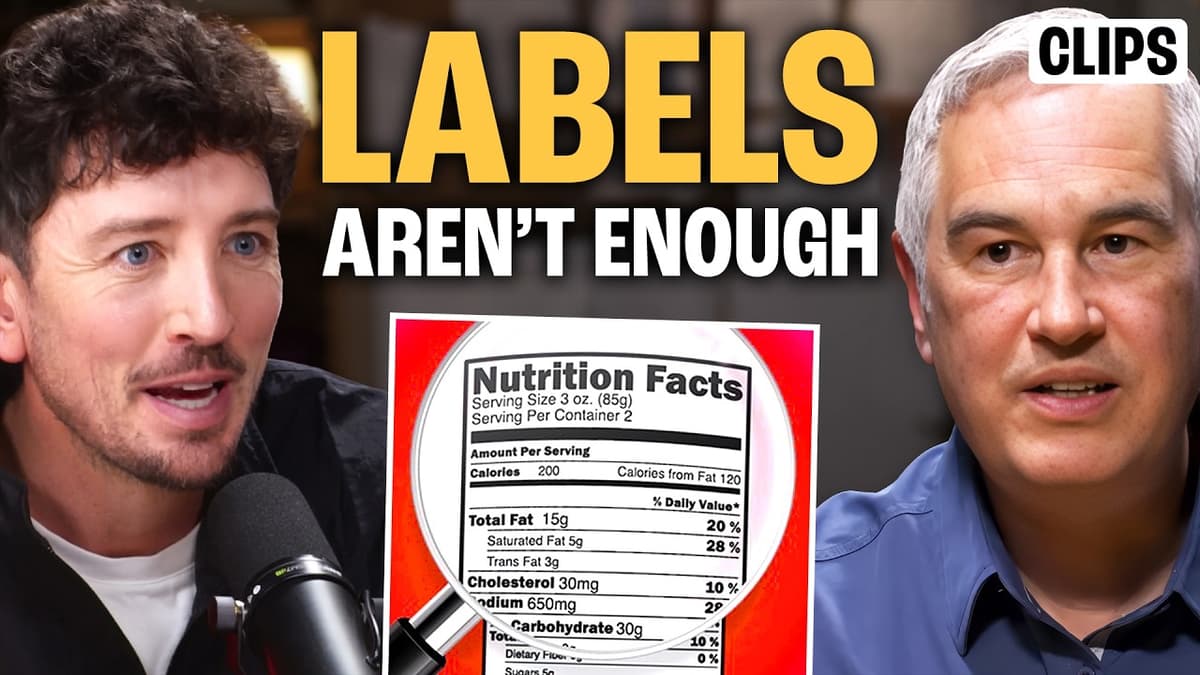
Why Ultra-Processed Food Labels Won’t Fix Our Diet (What Actually Will) | Kevin Hall | EP#411
Kevin Hall argues that merely labeling ultra‑processed foods will not curb consumption; effective change requires a mix of taxes, subsidies, and incentives. He compares food policy to tobacco control, noting that warning labels helped but taxation drove the biggest declines...
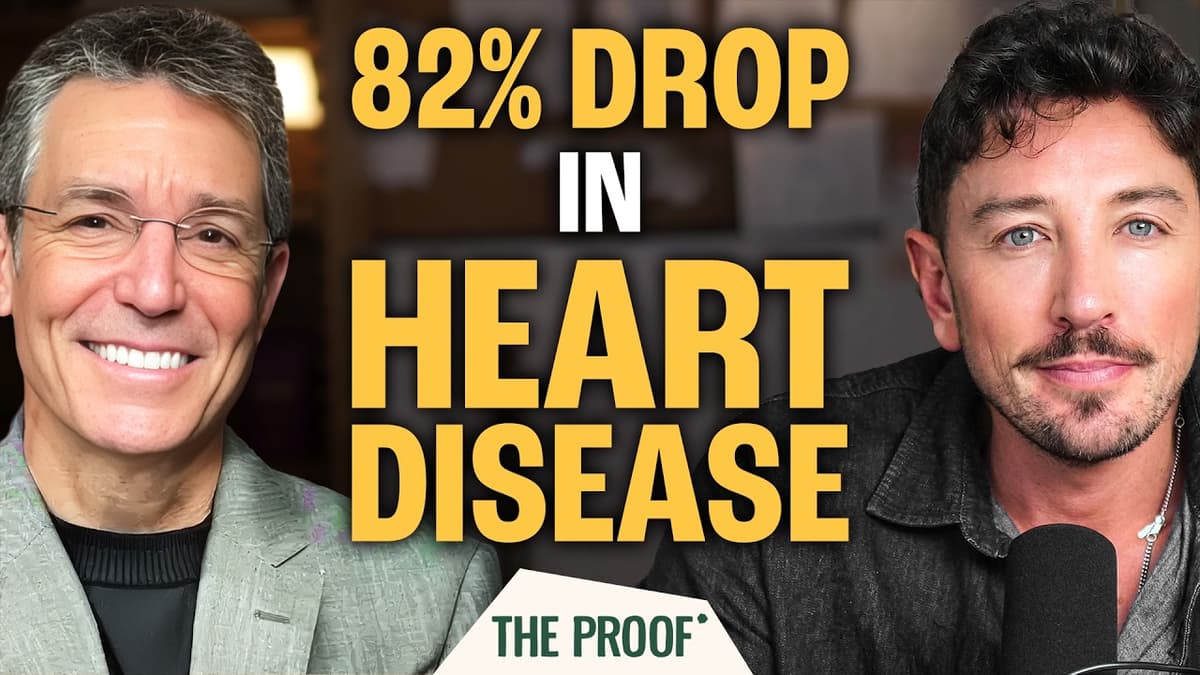
Saturated Fat vs Unsaturated Fat: What 82% Drop in Heart Deaths Actually Proves | David Katz
The video examines how different types of dietary fat influence long‑term cardiovascular health, arguing that the total amount of fat matters far less than its quality and source. Katz emphasizes a plant‑centric diet and points out that fats are energy‑dense,...
Can Blood Tests Detect Bone Loss Before a DEXA Scan? | Dr Belinda Beck
The video explores whether blood tests can serve as an early indicator of bone loss before a DEXA scan, with Dr. Belinda Beck explaining the limitations of using serum markers as a surrogate for bone mineral density. Beck outlines the bone...
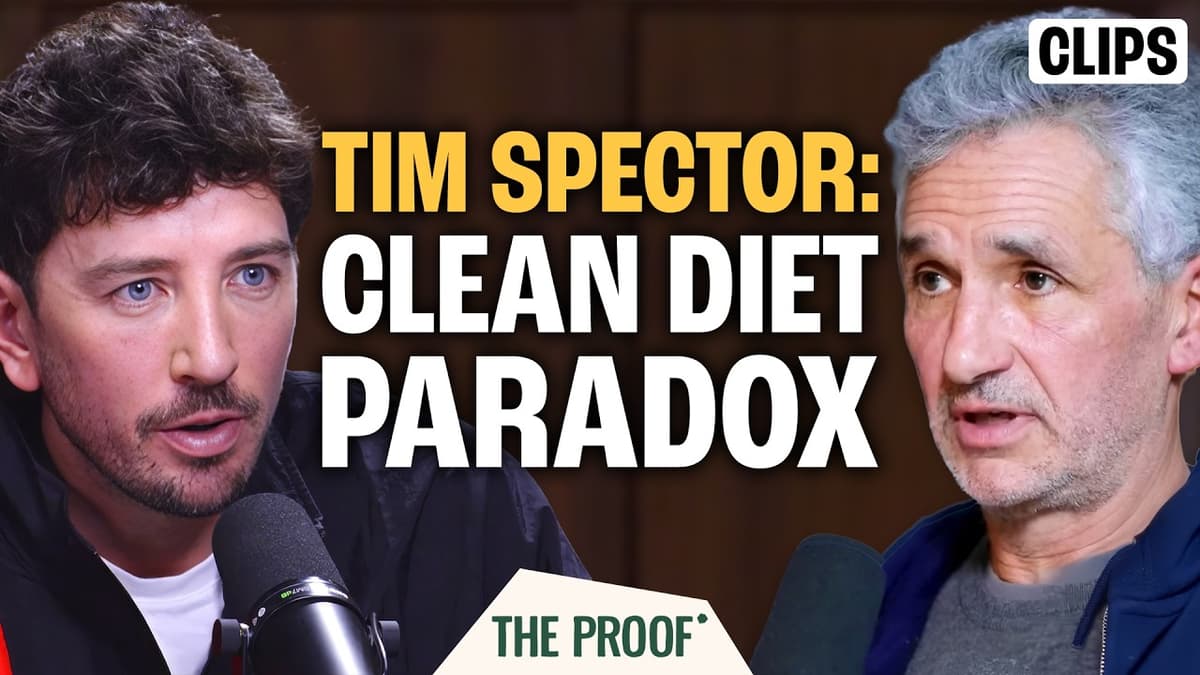
Dr. Tim Spector: Why Eating Clean Makes You More Sensitive to Sugar | EP#412
In the latest episode, epidemiologist Dr. Tim Spector argues that “clean‑eating” labels on natural sweeteners such as honey, maple syrup or agave do not alter the body’s metabolic response compared with refined sucrose. He explains that chemically these sugars are 99 %...

Osteoporosis Exercise Scientist: The Lifting Protocol That Reduces Fractures by 78% Dr Belinda Beck
The video features Dr. Belinda Beck, a bone‑densitometry expert, who challenges the long‑standing belief that osteoporosis patients cannot safely engage in heavy resistance exercise. She explains that mechanical loading, proven in animal studies, triggers a dose‑response in bone tissue, and...
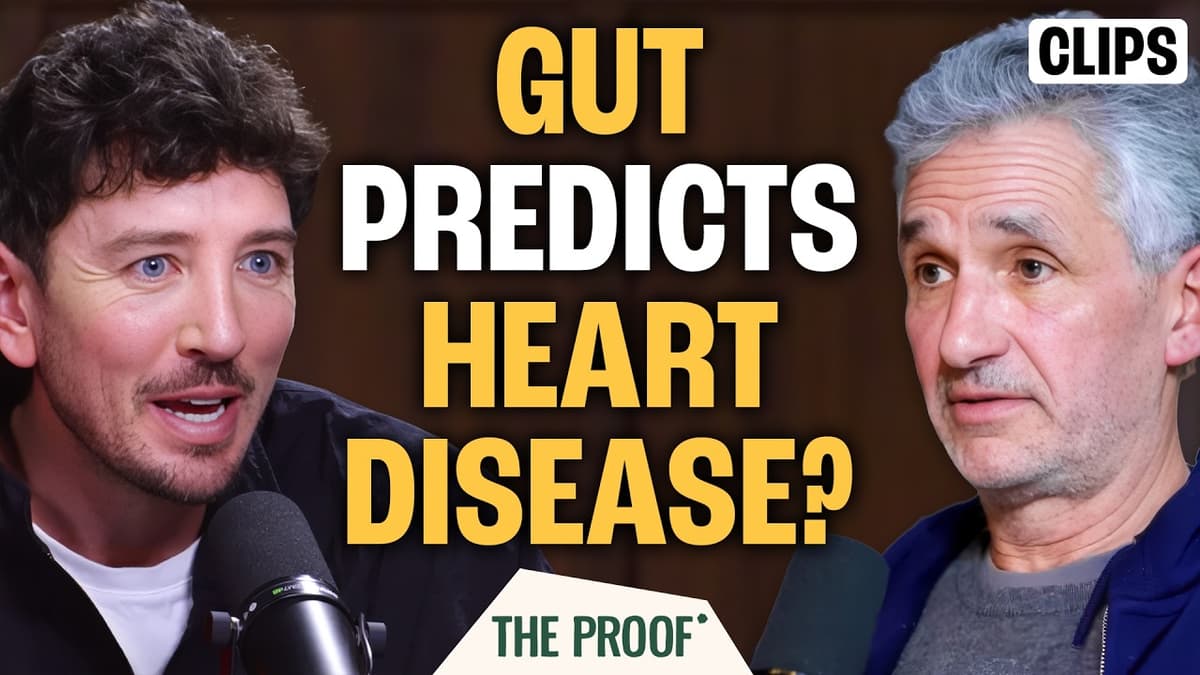
Can Your Gut Predict Heart Disease Before Your Blood Tests Can? | Tim Spector
The video explores how gut‑microbiome profiling could become a predictive tool for cardio‑metabolic disease, potentially outpacing conventional blood tests. Tim Spector discusses ZOE’s large‑scale study of roughly 300,000 participants, showing that microbial signatures alone can forecast post‑prandial glucose excursions with...
Why Ultra-Processed Food Labels May Be Misleading You | Ty Beal & Christopher Gardner | EP#409
The discussion centers on the American Heart Association’s scientific advisory process and its assessment of ultra‑processed foods. Committee members applied strict systematic‑review criteria—PICO, risk of bias, and generalizability—and discovered that randomized controlled trials were virtually absent, leaving only observational epidemiology...
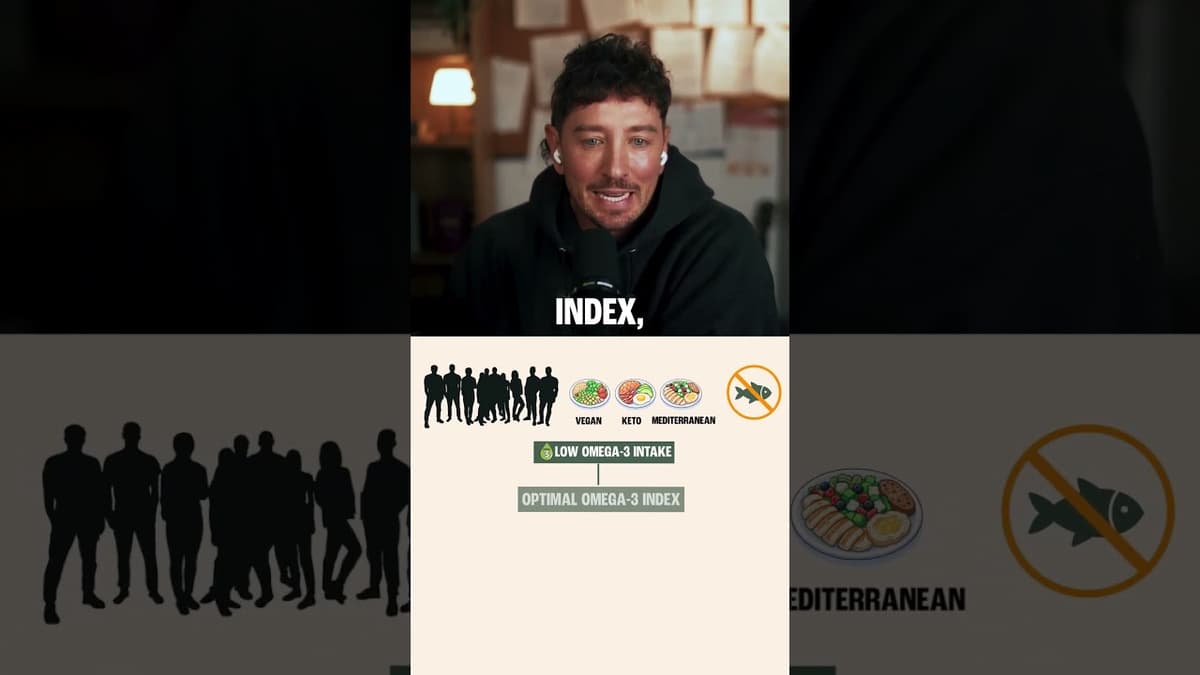
What Supplements Should You Actually Take Daily? | Hack Your Media
The video outlines a practical daily supplement regimen for active adults who train three to four times weekly and seek balanced health. It recommends creatine monohydrate dosed at 0.1 g per kilogram body weight, omega‑3 DHA/EPA to boost cardiovascular health, high‑quality...
King's College Scientist: What 35,000 Microbiomes Reveal About Your Gut Health | Tim Spector | EP412
Tim Spector, a leading microbiome researcher at King’s College, reviews data from 35,000 gut profiles to explain how diet shapes health outcomes. He argues that occasional red meat poses little threat when the overall plate is rich in plant diversity,...
Why Ultra-Processed Food Makes You Overeat: The Two Mechanisms Explained | Kevin Hall | EP#411
Kevin Hall discusses a series of controlled feeding studies that isolate why ultra‑processed foods lead to overeating. By analyzing meal‑by‑meal intake, the researchers identified non‑beverage energy density as the strongest predictor of excess calories, followed by the presence of hyper‑palatable...

GLP-1 Drugs Cut Appetite. Here's What Else They're Cutting. | Brad & Alan | EP#406
The episode examines the surge of GLP‑1 agonists—drugs that dramatically curb appetite—and warns that rapid weight loss can erode muscle if users neglect proper nutrition and resistance training. Host Brad and Alan discuss how over 30 million Americans are now on...

How Can Two People Eat the Same Food but Gain Weight Differently? | Dr Karen Corbin | EP#401
The video explains that the calories printed on food labels reflect only human metabolic pathways and ignore the role of gut microbes in extracting energy from undigested food. Dr. Karen Corbin highlights that when food reaches the colon, resident bacteria...

Does Apple Cider Vinegar Actually Lower Blood Sugar? | Hack Your Media
The video examines whether apple cider vinegar (ACV) can meaningfully lower blood sugar, positioning the discussion among popular “glucose hacks” such as metformin alternatives and dietary tricks. The host emphasizes that ACV does blunt post‑prandial glucose excursions, but its relevance...
![Protein Goals for Muscle & Heart Health [Science-Backed] | Chistopher Gardner and Ty Beal | EP#409](/cdn-cgi/image/width=1200,quality=75,format=auto,fit=cover/https://i.ytimg.com/vi/rup2d8sCMcw/maxresdefault.jpg)
Protein Goals for Muscle & Heart Health [Science-Backed] | Chistopher Gardner and Ty Beal | EP#409
The discussion centers on optimal protein consumption for preserving muscle mass and supporting cardiovascular, brain, and liver health as Americans age. Experts Christopher Gardner and Ty Beal cite Shu Phillips’ view that while calorie reduction is essential, maintaining adequate protein—around 1.2 grams...

World-Leading NIH Metabolic Scientist: Why You Eat 500 More Calories a Day Without Knowing It
In this interview, NIH physiologist Dr. Kevin Hall examines why Americans consume roughly 500 extra calories each day when exposed to an ultra‑processed food environment, contrasting it with minimally processed diets that promote weight loss. He frames the discussion around...

40% of Your Calories Are Ruining Your Diet | Chistopher Gardner and Ty Beal | EP#409
The video examines a 20‑year NHANES analysis that breaks down American calorie sources by macronutrient category. Data show saturated fat, monounsaturated fat, polyunsaturated fat, animal protein, plant protein, and high‑quality carbs each account for roughly 10 % of total calories, leaving about...

Why Skipping Breakfast Is the Worst Way to Fast | Dr Kristen Knutson | EP#408
In this episode, sleep‑circadian researcher Dr. Kristen Knutson explains why skipping breakfast is the most counterproductive form of intermittent fasting. She argues that the timing of food intake, independent of calories, aligns with our internal clocks and can dramatically affect...

Refined Grains vs Whole Grains: What the Dietary Guidelines Actually Recommend | Gardner and Beal
The conversation centers on the U.S. Dietary Guidelines’ push for whole‑grain consumption and the practical fallout for school nutrition programs. While the science favors eliminating refined grains, the federal food‑safety net—particularly school lunches—cannot afford the wholesale replacement of pizza crusts,...

25% Die After a Hip Fracture. Here's How to Prevent It. | Dr. Lora Giangregorio | The Proof EP 410
The video spotlights the alarming mortality associated with hip fractures—up to a quarter of affected seniors die—while presenting Dr. Laura Giangregorio’s expertise in bone health and exercise science as a roadmap for prevention. Giangregorio cites robust, high‑certainty evidence that structured fall‑prevention...

Osteoporosis Researcher: 3 Exercises That Actually Reduce Fracture Risk | Dr. Lora Giangregorio
The video features Dr. Lora Giangregorio, Canada’s Tier‑One research chair in bone health, explaining why osteoporosis and fragility fractures demand urgent attention. She highlights that hip fractures alone can kill a quarter of sufferers, while vertebral breaks often lead to...

Why Does Politics Decide What Americans Should Eat? | Chistopher Gardner and Ty Beal | EP#409
The video examines how political forces shape the United States’ dietary guidelines, featuring Stanford nutrition expert Dr. Christopher Gardner and Global Alliance for Improved Nutrition’s Ty Beal. Both guests recount their frustration with a process that lacked transparency, noting that...

The US Dietary Guidelines Debate: Science, Politics & Ultra-Processed Foods | Gardner & Beal
The podcast brings together Stanford nutritionist Dr. Christopher Gardner and Global Alliance for Improved Nutrition’s Dr. Tai Beal to dissect the latest U.S. Dietary Guidelines, exposing how scientific input is routinely sidelined by political actors. They highlight that the advisory...

Why Women Over 50 Who Jog and Play Pickleball Are Missing the Most Important Exercise | EP#407
The episode spotlights a common fitness blind spot for women in their 50s who regularly jog and play pickleball: they satisfy aerobic recommendations but often neglect resistance training, a critical component for aging bodies. The hosts break down the official...
Dr. Kristen Knutson: The Reason You Feel Tired No Matter How Much You Sleep
Dr. Kristen Knutson explains that chronotype—an individual’s internal timing preference—shapes when we feel most alert, when we should sleep, and even when we eat. She highlights the common distinction between “night owls” and “morning people,” noting that these preferences shift...
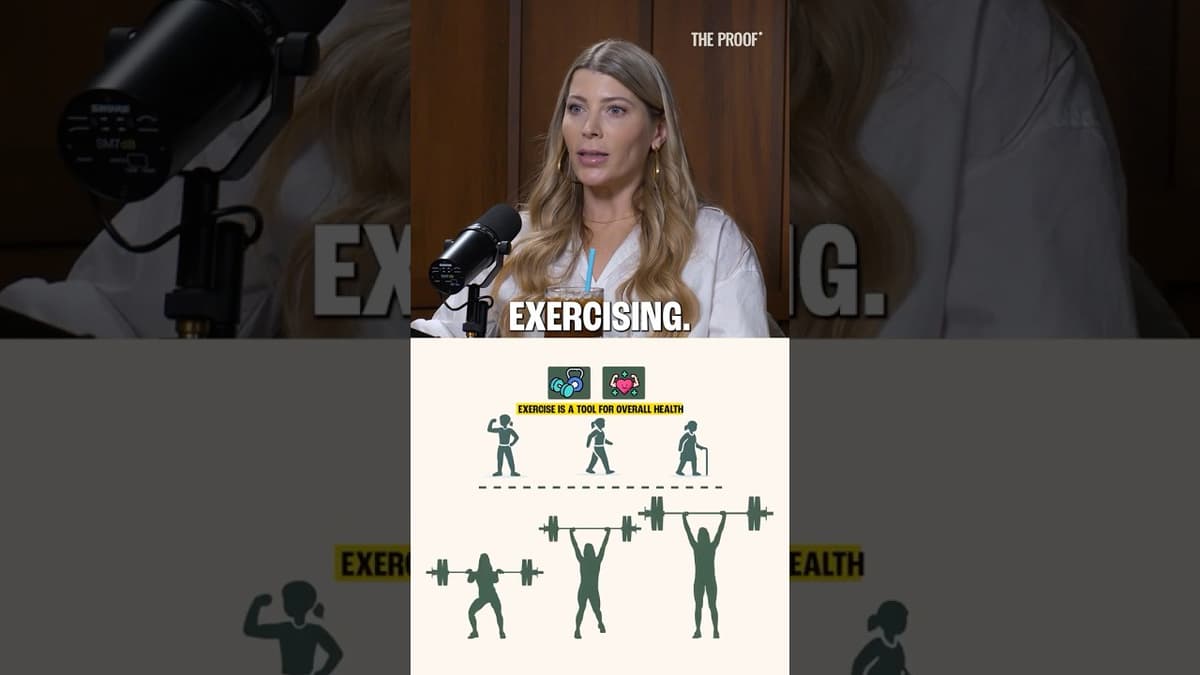
Why Lifting Weights Is the Best Exercise for Women | Lauren & Alyssa | EP#407
The episode centers on a compelling argument that weightlifting should be the cornerstone of women’s fitness routines, regardless of age. Host Lauren emphasizes that resistance training is not merely a trend but a sustainable health tool that supports muscle preservation,...

Sleep Scientist Dr. Kristen Knutson: The 4 Things That Actually Determine Your Sleep Health EP#408
Dr. Kristen Knutson, a leading sleep‑circadian researcher, explains that sleep health hinges on four key determinants: light exposure, timing regularity, alignment of central and peripheral clocks, and appropriate use of melatonin as circadian medicine. She frames the discussion around the...

Why Women Over 50 NEED to Lift Weights (And What No One Told You) | The Proof EP#407
The Proof episode 407 tackles the often‑overlooked question of why women in their 40s, 50s and beyond should incorporate weight training into their routine. Host Simon Hill and guests argue that the traditional focus on cardio and calorie‑burning is misaligned...
Stop Wasting Money on 40 Supplements | Here's What Actually Works | Hack Your Media
The video tackles the common habit of taking dozens of supplements, urging listeners to strip back to evidence‑based essentials and focus on lifestyle fundamentals before chasing marginal hacks. The host recommends a core stack: creatine monohydrate dosed at 0.1 g per kilogram...
90-Year-Olds Gained 150% Strength in 8 Weeks | Here's What That Means for You | Brad & Alan | EP#406
The video highlights a landmark study in which non‑agenarian participants added leg‑extension resistance training three times weekly for eight weeks, resulting in an average 150% increase in leg strength and a 50% boost in functional capacity. The hosts use this...
![Strength Training for Women Over 40 [It's Never Too Late] | Lauren & Alyssa | EP#407](/cdn-cgi/image/width=1200,quality=75,format=auto,fit=cover/https://i.ytimg.com/vi/1S0G5QClvO8/maxresdefault.jpg)
Strength Training for Women Over 40 [It's Never Too Late] | Lauren & Alyssa | EP#407
The video, hosted by exercise physiologists Dr. Lauren Coen Simple and Dr. Alyssa Olen, tackles the misconception that women over 40 cannot start strength training, emphasizing functional ability over scale weight. They argue that the primary metric should be the capacity...
Why Insulin Resistance Develops: Fat, Fatty Acids, and Metabolic Dysfunction | Robert Eckel | EP#403
The discussion centers on two distinct pathways to insulin resistance: the metabolic derangement that accompanies excess body fat and the physiological insulin resistance observed during very low‑carbohydrate, ketogenic eating patterns. Robert Eckel explains that a ketogenic diet suppresses insulin, drives...

Why Nutritional Epidemiology Gets Criticized and How Researchers Address It | EP#393
The video tackles the persistent criticism that nutritional epidemiology cannot separate food effects from broader healthy‑lifestyle patterns. It explains how researchers deliberately limit study samples—often to health‑professional cohorts—to narrow socioeconomic variation, then collect exhaustive data on smoking, activity, income, air...

How a Nutritionist Actually Eats: Daily Routine, Protein, and Sleep | Hack Your Media
Simon, a plant‑based nutritionist, outlines his everyday eating, training, and sleep routine, emphasizing simplicity and consistency. He consumes roughly 1.6 g protein per kilogram, delays his first meal by a few hours after waking, and avoids food within hours of bedtime...