
AI Sidebar Trailer
The Stanford Law School’s AI Initiative is debuting “AI Sidebar,” a bi‑weekly audio series that examines how artificial intelligence is reshaping law, business, and society. Hosted by executive director Irene Liu, the show convenes leading scholars, technologists, policymakers, and industry executives to cut through hype and pinpoint the most pressing developments—from algorithmic decision‑making to emerging regulatory frameworks. Liu frames the dialogue with probing questions: Who bears responsibility when AI systems make errors? What regulatory models can balance innovation with public safety? And what new competencies will lawyers need to advise clients in an AI‑driven world. For practitioners, firms, and regulators, the series offers actionable insights that can inform compliance strategies, talent development, and policy advocacy, positioning listeners at the forefront of a rapidly evolving legal landscape.
The War on Climate Change and the Assault on Federalism
In 2018 Canada passed the Greenhouse Gas Pollution Pricing Act (GHGPPA) to enforce a national carbon price and meet its Paris Agreement targets. The Supreme Court of Canada upheld the law in a 2021 decision, confirming its constitutionality under the...
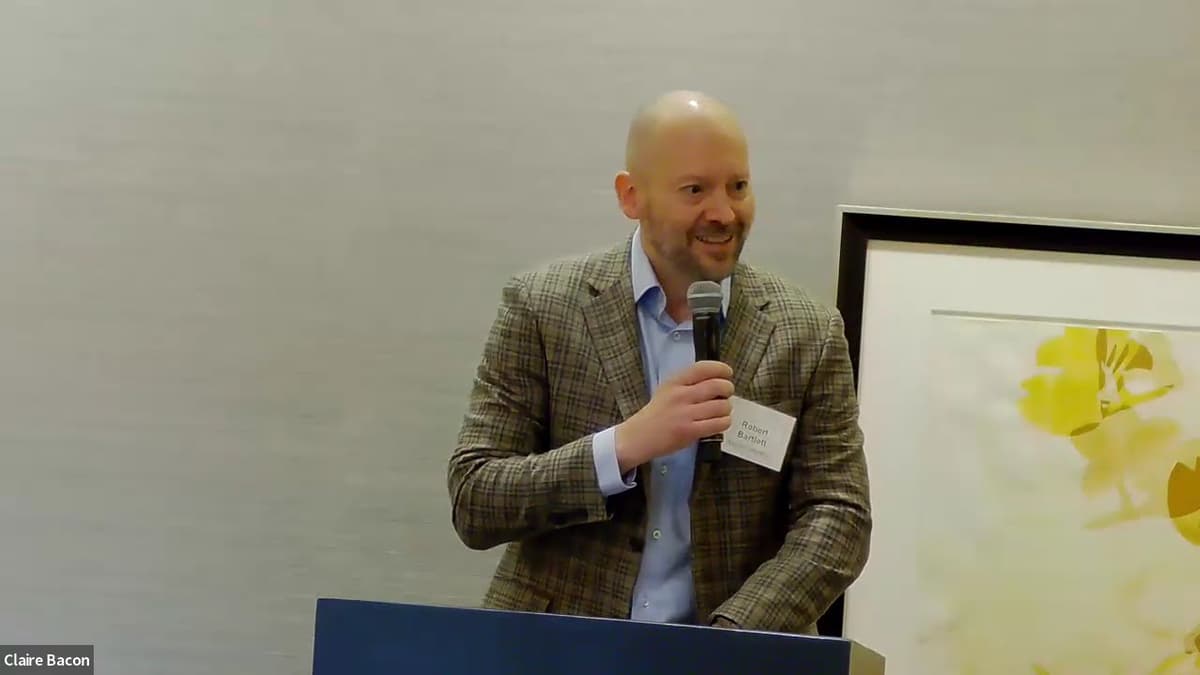
Stanford Rock Center Welcome SEC Chairman Atkins and Special Guests
SEC Chairman Paul Atkins addressed the Stanford Rock Center, unveiling a new private‑capital initiative and framing the discussion around the future of capital formation, innovation, and corporate governance. Atkins outlined the SEC’s first‑principles agenda to protect investors, ensure fair markets, and...
AI Initiative Speaker Series: Generative AI and Copyright Law
Mark Lemley, a leading law professor, opened the AI Initiative’s lunch workshop by dissecting the intersection of generative AI and copyright law. He outlined three core legal questions: whether training AI on existing works infringes copyright, whether AI‑generated outputs can...
Viacheslav (Slava) Rudenko and Julia Neusner - CodeX Group Meeting May 21, 2026
The CodeX group meeting featured Vyacheslav “Slava” Rudenko unveiling an open‑source AI application designed to automate the preparation of O‑1A immigration petitions. Drawing on his personal refugee experience, Rudenko built a workflow that couples Claude’s large‑language‑model capabilities with a curated...
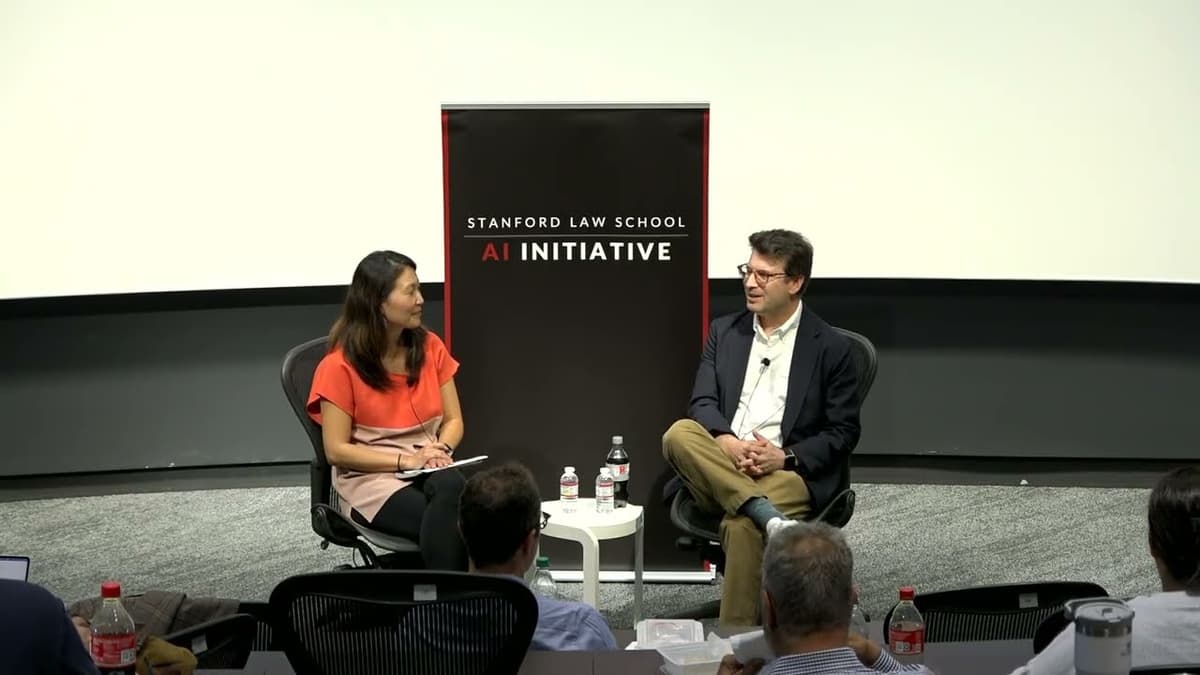
AI Initiative Speaker Series: From Counsel to Code: A Lawyer’s Year Building with AI with Mark Pike
The AI Initiative’s speaker series featured Mark Pike, Anthropic’s Associate General Counsel, unveiling Claude for Legal—a suite of AI‑driven plugins that embed directly into lawyers’ everyday tools. Launched on Tuesday, the offering leverages Claude Code and the Cowork platform to...
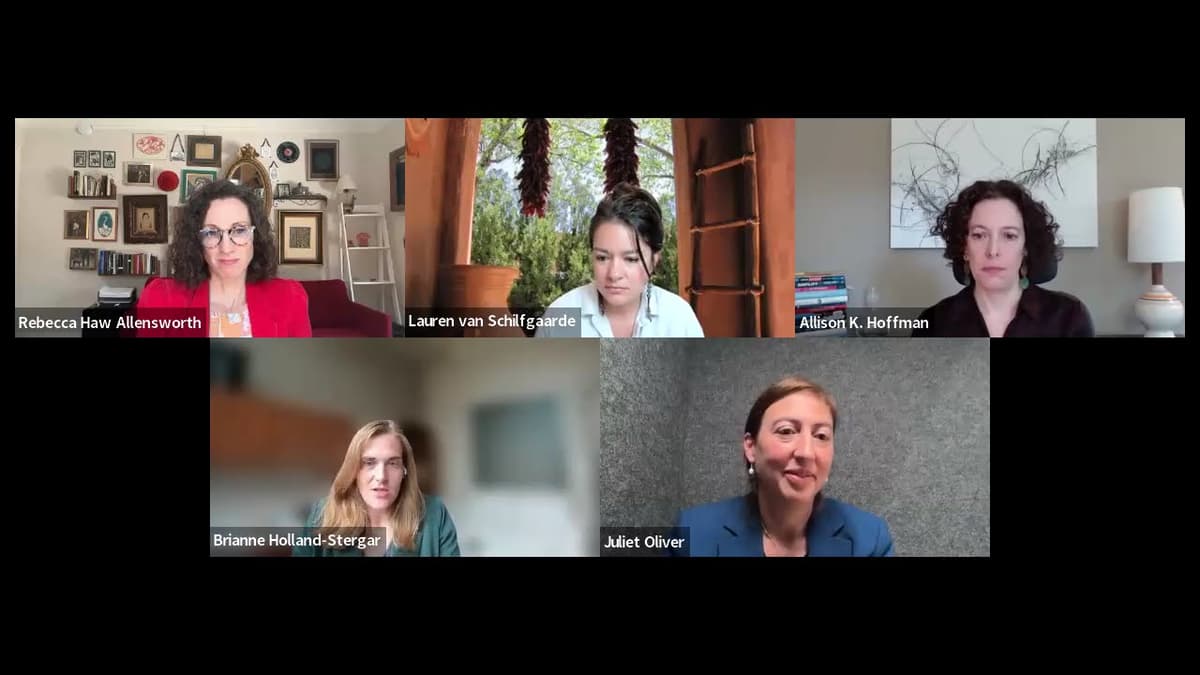
Lawyers’ Monopoly Webinar Series 3: The Comparative Lens
The third webinar in Stanford’s Lawyers’ Monopoly series examined how comparative perspectives can inform U.S. legal‑service regulation. Moderator Brianne Holland Stergar brought together scholars and practitioners to discuss tribal court innovations and the English‑and‑Welsh alternative business structures (ABS) reforms. Panelists highlighted...
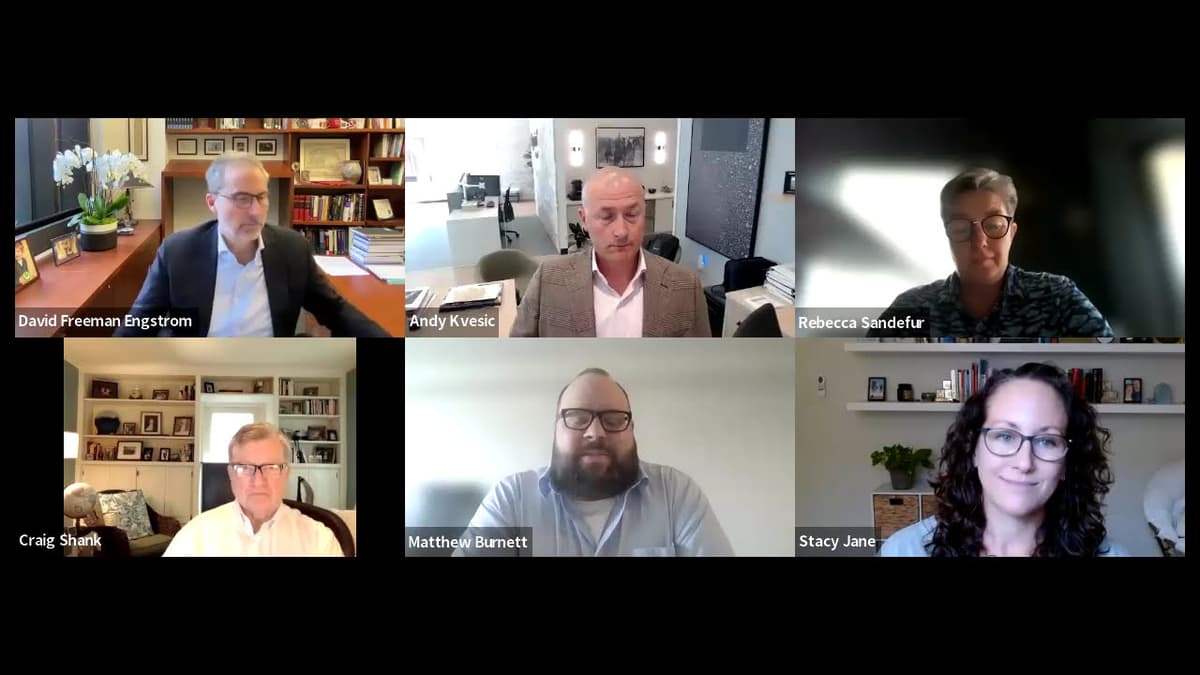
Lawyers’ Monopoly Webinar Series 2: Lessons From the Field
The second webinar in Stanford’s “Lawyers’ Monopoly” series examined on‑the‑ground experiments aimed at reshaping legal‑service regulation. Panelists from academia, foundations, and startups discussed how community‑justice‑worker (CJW) programs and other reform pathways are being tested across states. David Freeman Engstrom framed three...
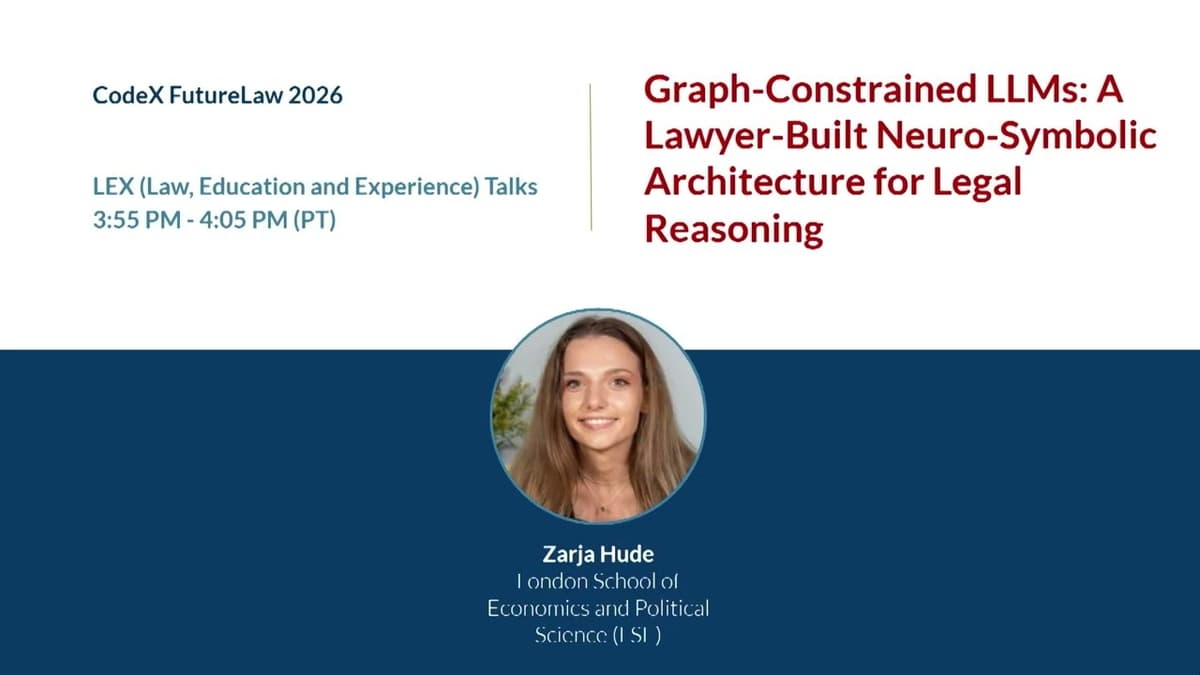
CodeX FutureLaw 2026: Graph-Constrained LLMs
The CodeX FutureLaw 2026 talk introduced graph‑constrained large language models (LLMs) that fuse neural language processing with symbolic knowledge graphs to emulate legal reasoning. Presented by LSE PhD candidate Zarja Hude, the research targets the opacity and unreliability of pure...
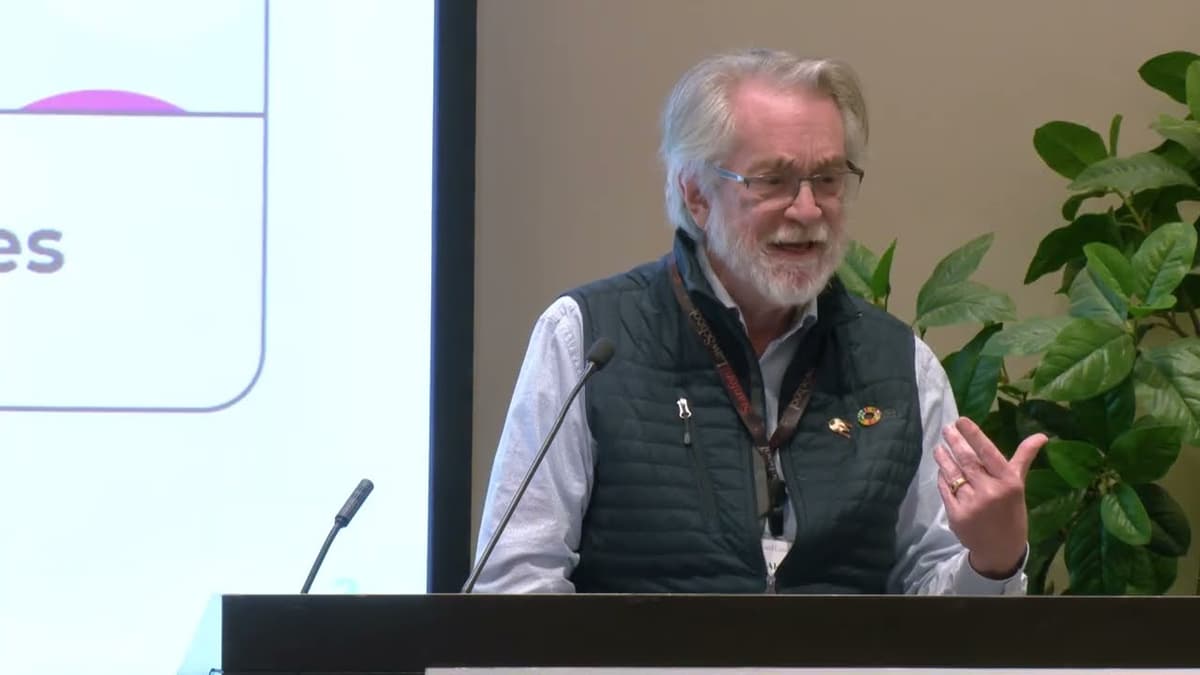
CodeX FutureLaw 2026: Dynamic Law for AI
The closing keynote by Stanford HAI fellow Sandy Pentland introduced the concept of "dynamic law" – a legal framework that can evolve as quickly as AI technologies reshape society. Pentland argued that traditional, slow‑moving statutes are ill‑suited for an environment...
Stanford Legal #Shorts: Who Gets to Vote?
The short video tackles the persistent claim that non‑citizens are voting in large numbers and argues that the real problem is low citizen participation. It emphasizes that empirical studies and court rulings have found no substantive evidence of illegal voting...
Who Gets to Vote?
The Stanford Legal podcast episode “Who Gets to Vote?” features ACLU voting‑rights director Sophia Lynn Leaken discussing the myth of non‑citizen voting and the broader challenges to ballot access in the United States. Leaken explains three categories of voting‑rights issues—participation, ballot...
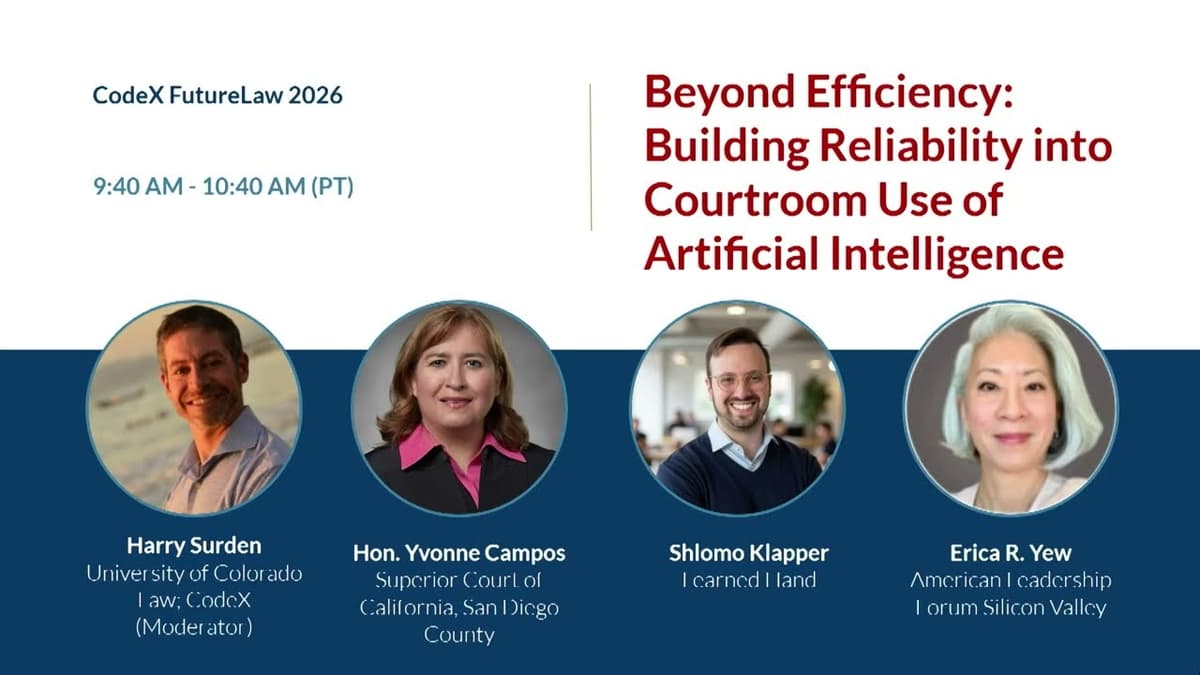
CodeX FutureLaw 2026: Beyond Efficiency
The CodeX FutureLaw 2026 panel examined how artificial intelligence is reshaping courtroom practice from the perspectives of judges, lawyers and litigants. Speakers highlighted AI’s promise—speedier docket management, richer legal research, and assistance for self‑represented parties—while warning of emerging dangers such...
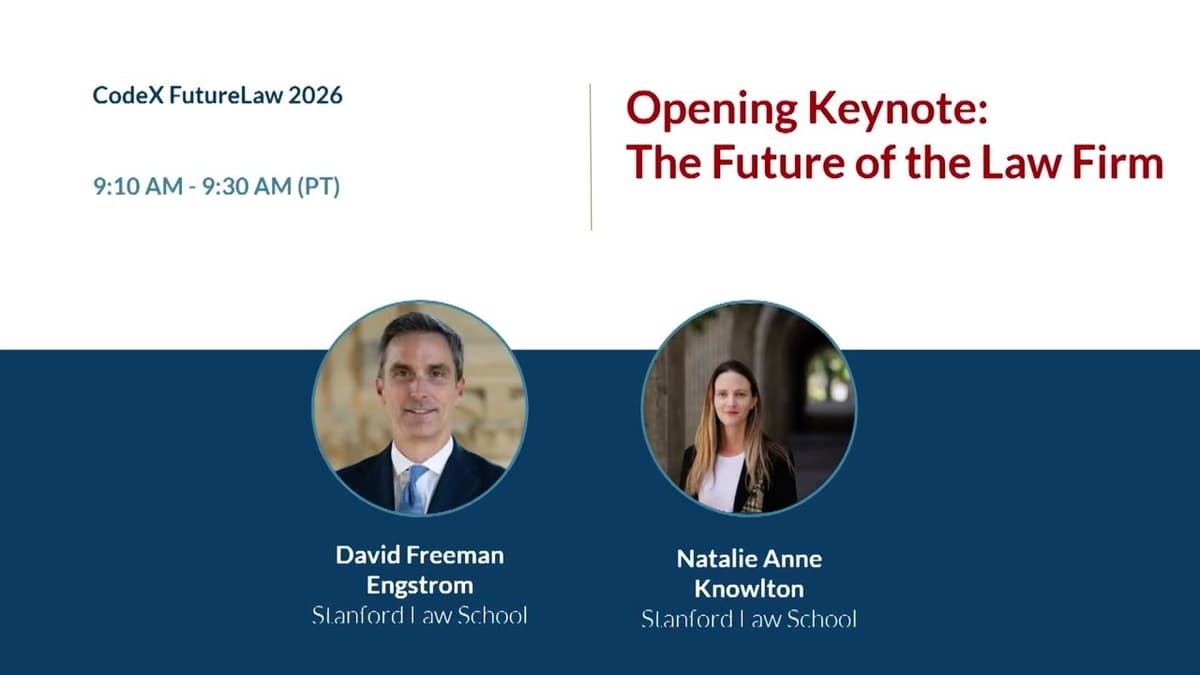
CodeX FutureLaw 2026: Opening Keynote - The Future of the Law Firm
In the opening keynote of CodeX FutureLaw 2026, Stanford Law professor David Freeman‑Engstrom announced a new, ambitious research project called “Future of the Law Firm.” The initiative, housed in the Deborah L. Rhode Center, CodeX, and the LiftLab, aims to...
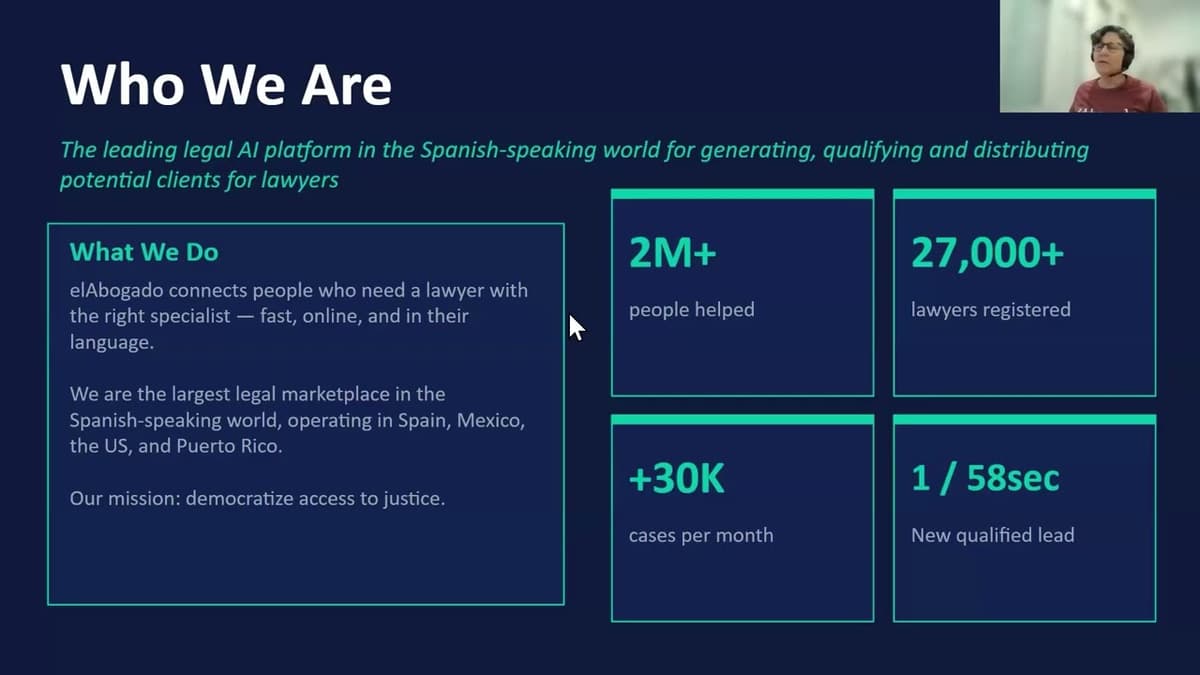
ElAbogado - CodeX Group Meeting - April 23, 2026
At the CodeX Group meeting on April 23, 2026, Martí Manent, founder of elAbogado, and data scientist Veronica presented the platform’s latest AI‑driven legal‑lead management system. The talk followed the FutureLaw conference and highlighted how the Spanish‑origin startup is scaling...