
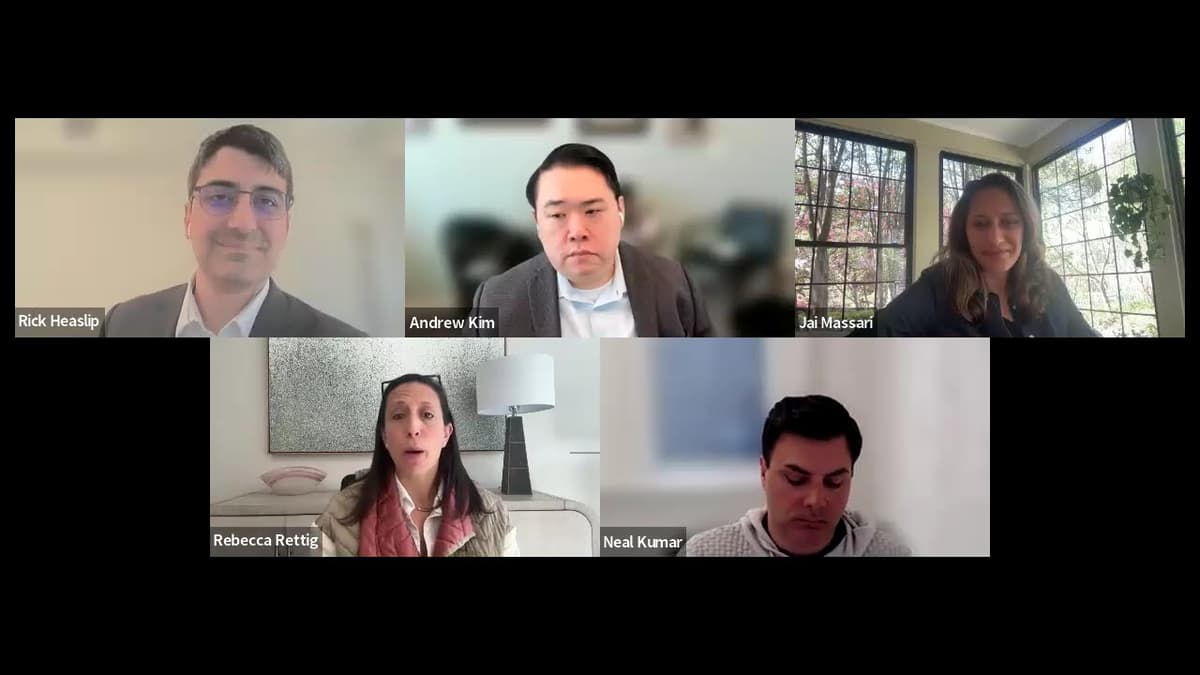
Unpacking Prediction Markets
The Stanford Rock Center webinar unpacked prediction markets, focusing on their legal and regulatory dimensions. Panelists from Kalshi, Goodwin, Polymarket, and Arktouros explained how electronic event contracts let participants trade on the probability of future outcomes, from elections to sports events. Key insights included the CFTC’s view that these contracts are swaps under the Commodity Exchange Act, prompting six congressional bills and over twenty lawsuits. Regulators grapple with distinguishing information‑driven markets from gambling, while the industry cites historical examples like the 1988 Iowa election market that outperformed traditional polls. Rebecca Rettig defined event contracts as binary payouts (typically $1 or zero) reflecting collective probability assessments. Neal Kumar highlighted Polymarket’s blockchain‑based, non‑custodial architecture and its need to geoblock U.S. users after a 2022 CFTC settlement. Rick Heaslip described Kalshi’s path to becoming a designated contract market, operating under a CFTC‑approved rulebook and adhering to rigorous disclosure, record‑keeping, and fair‑access requirements. The discussion underscores the urgent need for regulatory clarity as prediction markets expand. Companies must choose between centralized, regulated exchanges or decentralized platforms, each with distinct compliance burdens and liquidity implications, shaping the future of fintech innovation and risk management.

Inside the Trial: Lessons From Shanin Specter’s Landmark Cases
In a candid conversation hosted by the Plaintiff’s Law Association, veteran trial lawyer Shanin Specter shared the core principles that have guided his decades‑long career. He emphasized a hands‑on approach—reading every file, drafting opening and closing statements, and preparing witness...
Native Nations, Federal Indian Law, and the Birthright Citizenship Case
The podcast examines the Supreme Court’s review of President Trump’s executive order that narrows birthright citizenship to children of U.S. citizens or permanent residents. The discussion frames the case within the 14th Amendment’s language – “born…subject to the jurisdiction thereof”...

The Politics and Promise of a Billionaire Tax
The video examines California’s proposed billionaire tax, slated for the November 3, 2026 ballot. If qualified, the measure would impose a one‑time 5% levy on the net worth of individuals whose assets exceed $1 billion, collected over a five‑year period. Developed...

Lawyers Monopoly Webinar Series #1: Conceptualizing Legal Services Regulation
The first Lawyers Monopoly webinar, hosted by the Rhode Center at Stanford Law School, introduced a new Cambridge University Press volume that re‑examines legal‑services regulation. Executive Director Malka Herman convened a panel of scholars and practitioners—Nora Freeman Engstrom, Brad Wendel, and...

Email-Based AI Agents for Law Firms: Mixus CEO on Human-in-the-Loop Legal AI | Stanford CodeX
At Stanford CodeX, Mixus co‑founder and CEO Elliot Katz introduced an email‑centric AI platform designed to embed artificial intelligence into law‑firm workflows while preserving human oversight. The solution, dubbed Mixus agents, operates entirely through a firm‑level email address, allowing attorneys...

Trump's Immigration Raids and State Pushback
The episode examines President Trump’s renewed interior immigration enforcement, highlighting the deployment of heavily armed ICE and CBP agents to Democratic‑leaning cities such as Los Angeles, Portland and Minneapolis. After promising to deport “criminal aliens,” the administration has shifted its...

Horace King - Lextar AI - CodeX Group Meeting March 5, 2026
In a CodeX group meeting on March 5, 2026, Horace King, co‑founder and CEO of Lextar AI, introduced a governance‑grade legal reasoning platform designed for regulated environments. He framed the discussion around responsible AI, emphasizing that the product is built to meet...

Matthew Kerbis - Practi - CodeX Group Meeting - February 26, 2026
Matthew Kerbis, co-founder and CEO of Practi, presented a subscription-billing platform designed to help law firms pivot away from the billable hour as AI reduces time-based revenue. Practi lets firms sign up free, build subscription packages, and currently charges $20/month...
A Seismic Shift in Climate Law
The episode examines the Environmental Protection Agency’s abrupt reversal of the 2009 greenhouse‑gas endangerment finding and the associated vehicle emissions standards, a move the administration touts as the largest deregulatory action in U.S. history. The discussion traces the Clean Air...
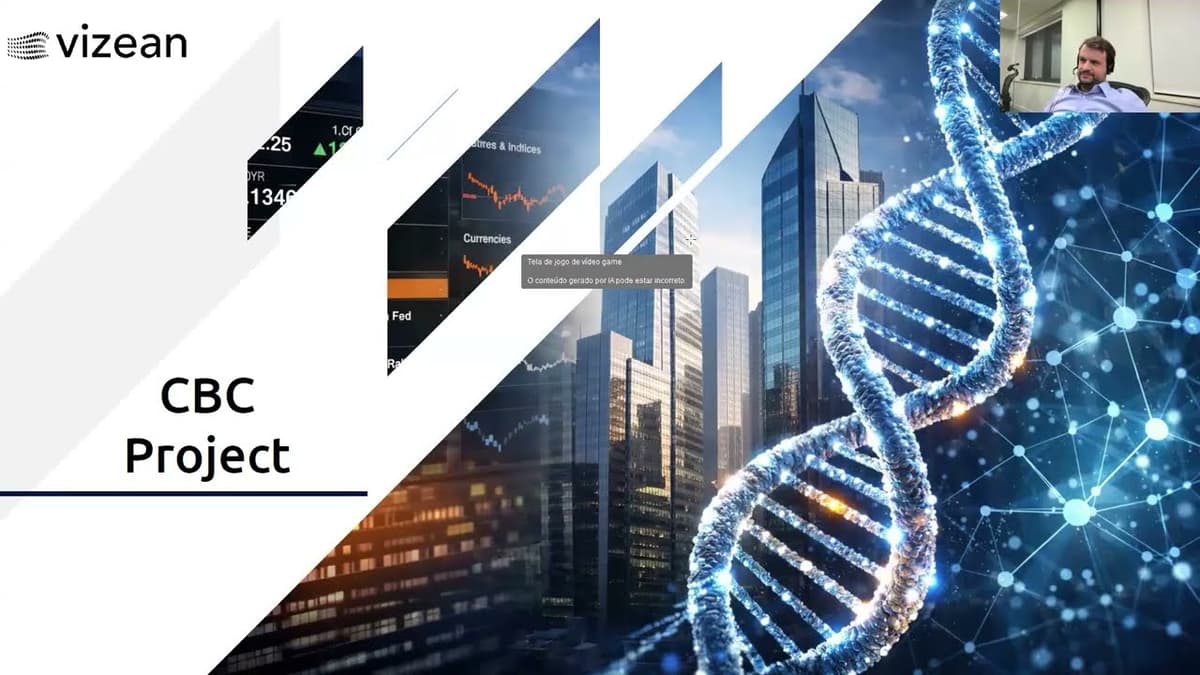
CBC Project – February 12, 2026 Codex Group Meeting
The CBC Project, presented by Alexandre, introduces a novel analytics framework that extracts human behavioral signals from corporate litigation, board compensation, and stakeholder feedback to classify companies by sector and jurisdiction. By mapping these behavioral cues, the team seeks to...
Rule of Law Speaker Series: Colorado Attorney General Phil Weiser
In a Rule of Law Speaker Series hosted by Stanford Law, Colorado Attorney General Phil Weiser outlined his office’s aggressive legal campaign against the federal government, describing a “Defend Colorado or Federal Accountability” initiative that has generated more than 50...
Inside the ACLU’s Docket: Anthony Romero on the Front Lines of Civil Rights
Anthony Romero, who has led the ACLU since the week before 9/11, tells Stanford Legal that the organization’s workload has surged under the Trump administration to roughly 239 legal actions, including more than 130 federal class actions spanning immigration, LGBTQ,...

SwiftLaw – February 12, 2026 Codex Group Meeting
At the Feb. 12 CodeX meeting, Saketh, CEO and founder of SwiftLaw, showcased a vertical AI platform that automates fund formation for emerging managers—generating term sheets, LPAs and subscription documents from a native DOCX editor and enabling client onboarding and...
Rule of Law Speaker Series: Hon. Mark Wolf
Retired U.S. District Judge Mark Wolf, speaking at Stanford’s Neukom Center, explained his recent resignation after four decades on the federal bench, saying he could no longer be constrained by limits on what judges may publicly say. In a widely...
The Venezuela Attack: Legality and Consequences
The Constitutional Law Center hosted a rapid‑response panel to dissect the Trump administration’s weekend operation to capture Venezuelan President Nicolás Maduro. Professor Jack Goldsmith framed the episode as an outright breach of Article 2(4) of the United Nations Charter, noting that...
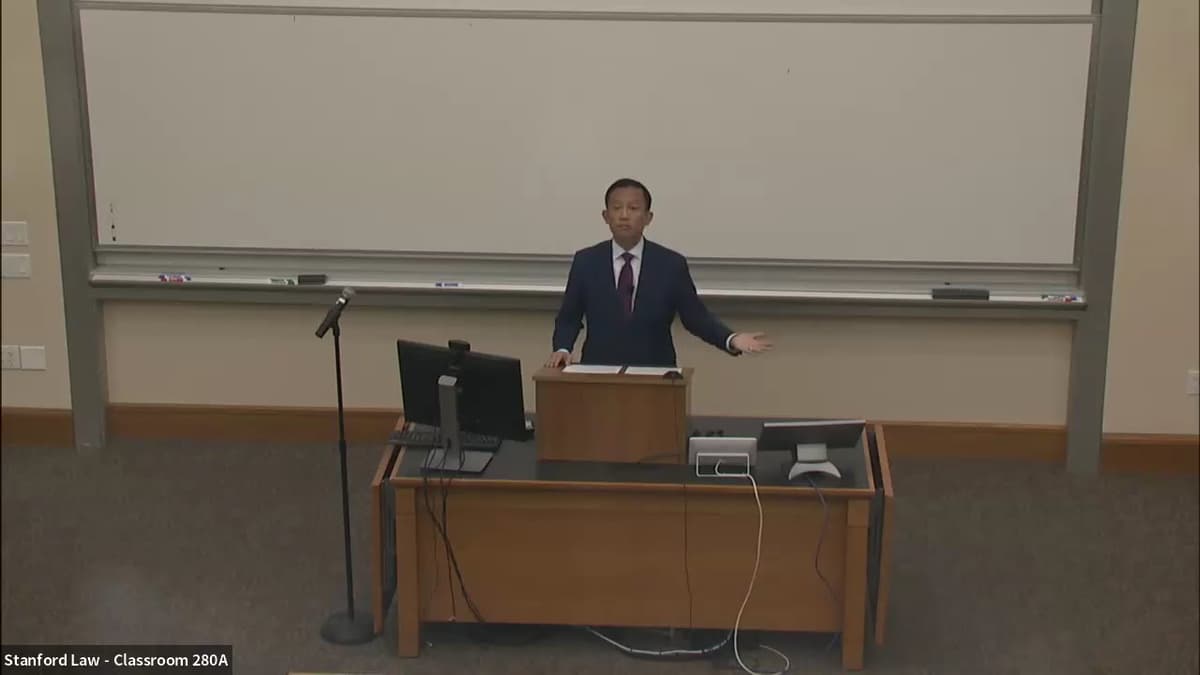
Rule of Law Speaker Series: San Francisco City Attorney David Chiu on Federalism and the Rule of Law
David Chiu, San Francisco City Attorney, used the Rule of Law Speaker Series to warn that the Trump administration has turned federalism into a battlefield, repeatedly challenging state and local authority through litigation and funding conditions. He recounted the Reproductive Fact...