
Stanford SHE Talks 2026
The Stanford SHE Talks 2026 opened with Dr. Amy Voedisch, an OB‑GYN and menopause specialist, framing the event as a response to the flood of health misinformation confronting working parents. She introduced a lineup of four experts who would dissect movement, gut health, and preventative strategies, emphasizing practical steps for lifelong wellness. Dr. Anne Friedlander, an exercise physiologist, underscored that physical activity—especially resistance training—acts as a powerful medical prescription. She cited a recent JAMA analysis showing muscle strength as the strongest predictor of all‑cause mortality in older women, even after adjusting for activity, steps, and inflammation. Nationally, only about 10% of middle‑aged women engage in regular resistance work, a gap the talk aimed to close. Friedlander also explained how exercise influences cellular hallmarks of aging, from telomere length to mitochondrial function. Memorable moments included the quote, “Exercise may be the single most potent medical intervention ever known,” and stories of centenarians sky‑diving, a 92‑year‑old marathoner, and an 80‑year‑old Ironman finisher. Friedlander highlighted myokines—muscle‑derived hormones released during activity—that act as anti‑inflammatory agents, communicating with the brain, immune system, liver, and fat tissue, effectively turning muscles into a natural pharmacy. The implications are clear: integrating regular resistance training can extend healthspan, improve metabolic flexibility, and lower chronic disease risk. For employers, insurers, and policymakers, promoting accessible strength‑building programs could translate into reduced healthcare costs and a more active, independent aging population.
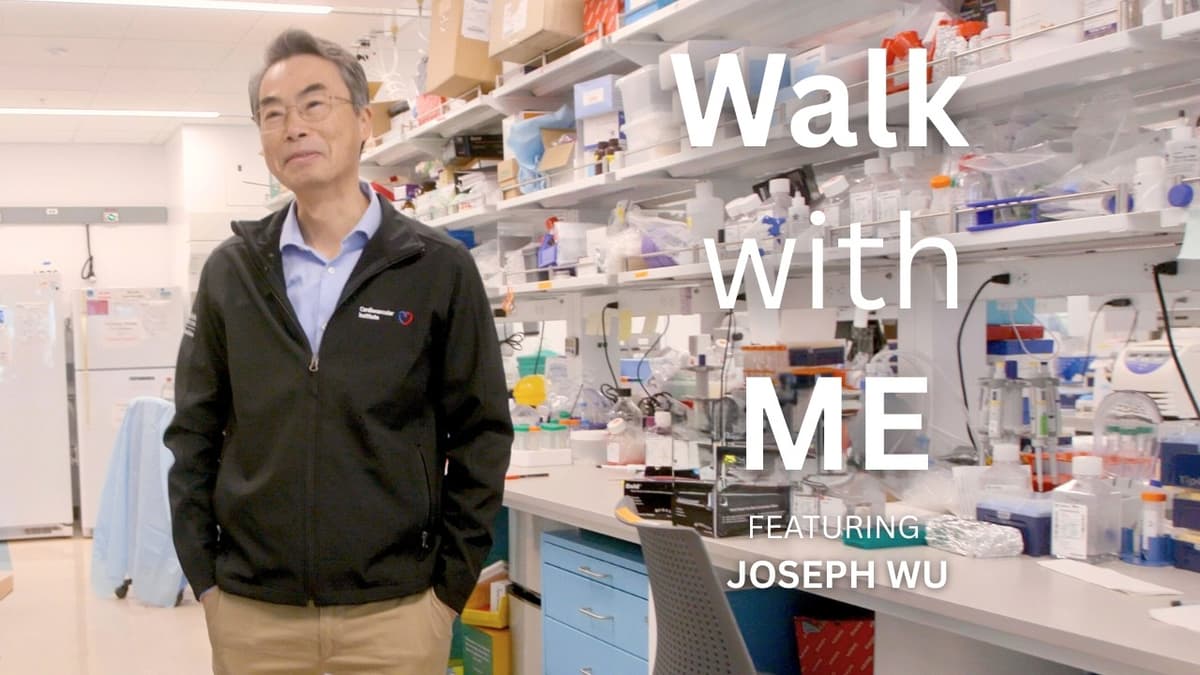
Walk With Me: Joseph Wu, Cardiologist Studying Stem Cells and Heart Disease
Joseph Wu, a Stanford professor of medicine and radiology, leads the Stanford Cardiovascular Institute in developing patient‑specific cardiac cells derived from a person’s own blood. By reprogramming blood cells into pluripotent stem cells and then coaxing them to become beating...
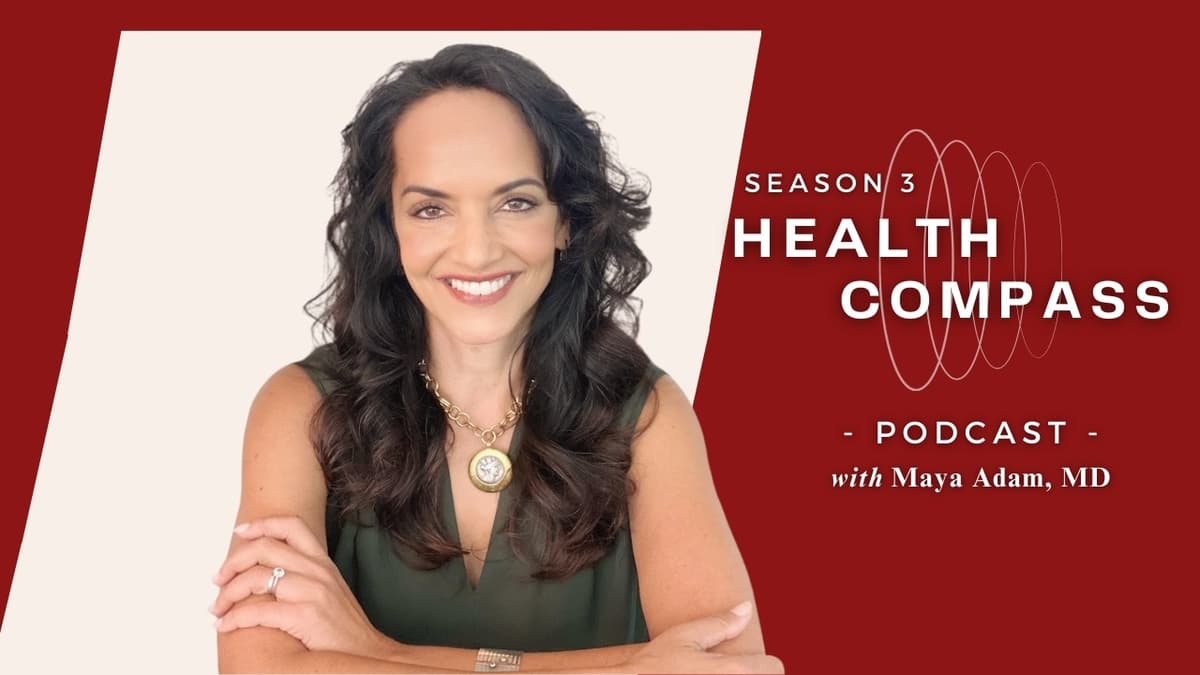
Health Compass | Season 3
Season 3 of Stanford Medicine’s Health Compass podcast, hosted by Dr. Maya Adam, examines how scientific discoveries move from the lab to patient care. Episodes pair engineers, data scientists, and clinicians to unpack translational hurdles in rare genetic diseases, stroke,...
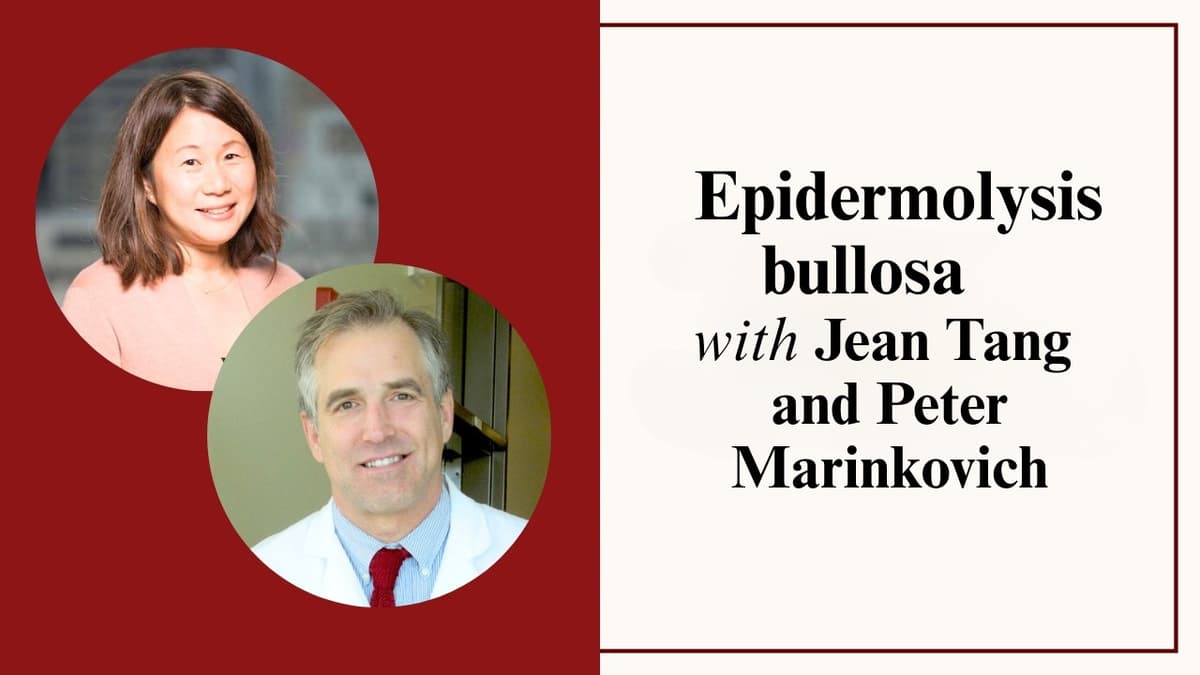
Butterfly Skin: Caring for Patients with Epidermolysis Bullosa | Ep.1: Health Compass Podcast
The Health Compass podcast’s first episode spotlights epidermolysis bullosa, a rare genetic skin disorder often called “butterfly skin,” that makes even light touch painful. Stanford clinicians Jean Tang, MD, PhD, and Peter Marinkovich, MD, discuss how decades of research are...
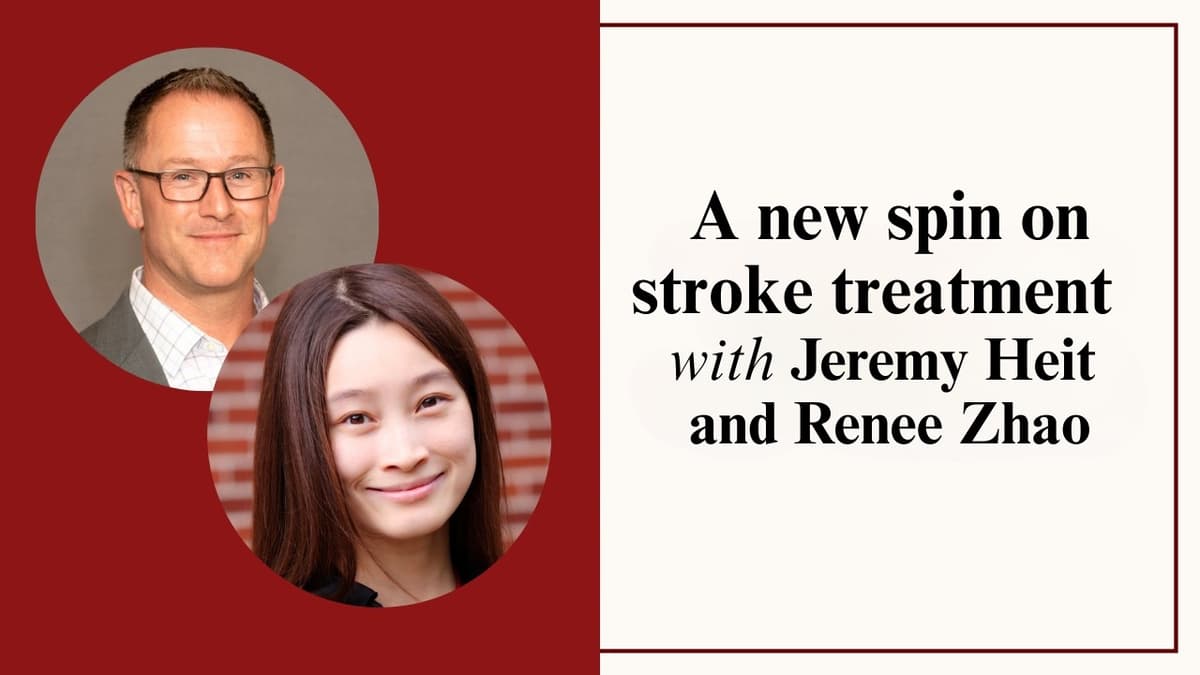
A New Spin on Stroke Treatment | Ep.3: Health Compass Podcast
A stroke caused by a blocked artery demands immediate, precise intervention, as minutes dictate outcomes. At Stanford, radiologist Jeremy Heit and mechanical engineer Renee Zhao have joined forces to redesign clot removal using image‑guided, minimally invasive technologies. Their work leverages...
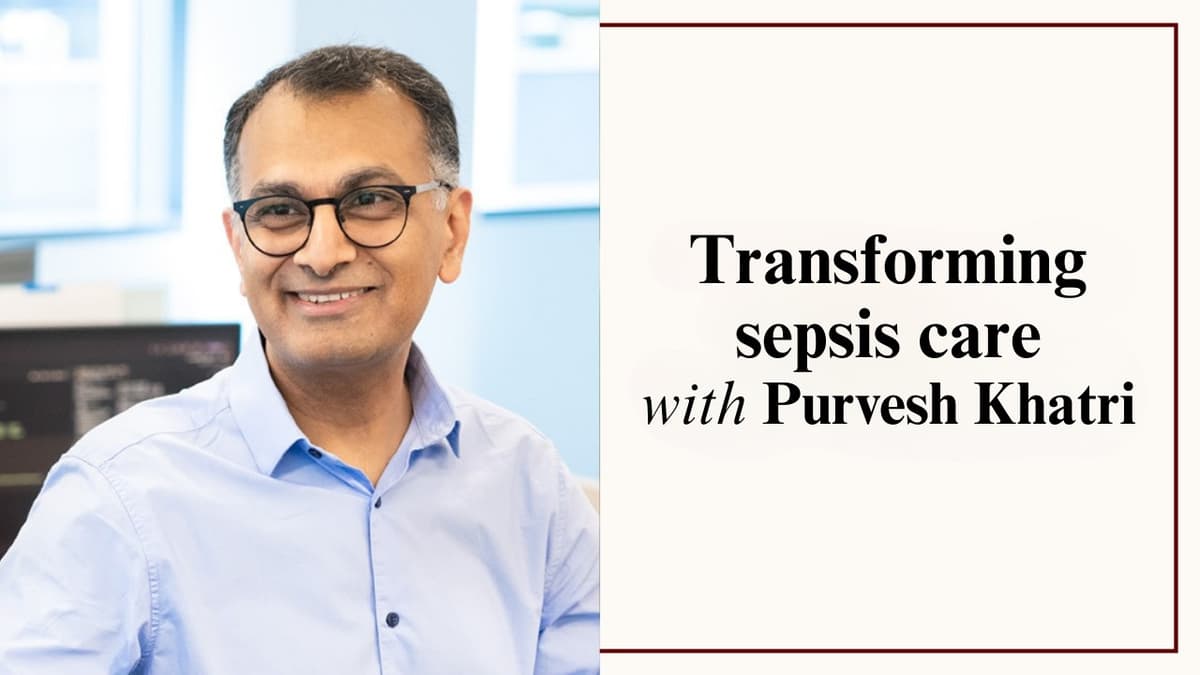
How a Winding Path Led to a Life-Saving Test | Ep.2: Health Compass Podcast
Purvesh Khatri, a Stanford professor with a background in electronics, software, and computational immunology, unveiled a rapid blood test that detects sepsis within minutes. The assay shortens diagnosis time dramatically, enabling clinicians to start targeted therapy far earlier than traditional...
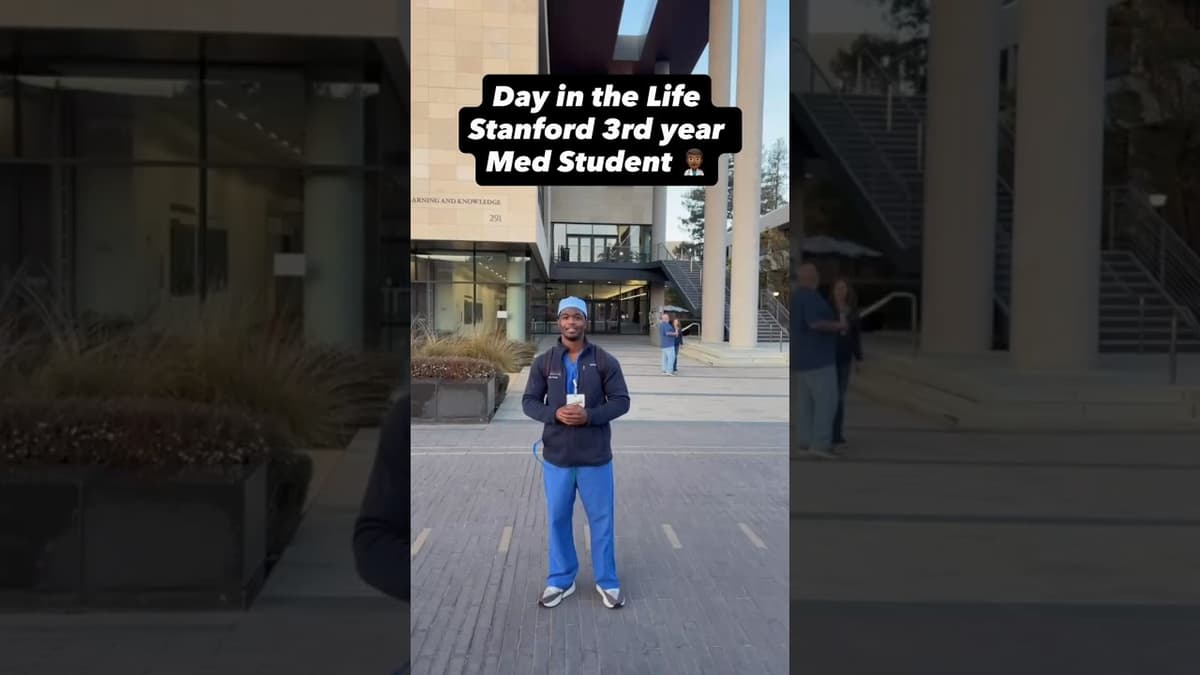
Day in the Life: Stanford Med | Johnny Powell
Johnny Powell, a third‑year Stanford medical student, walks viewers through a typical day on his surgery rotation, beginning at 4:30 a.m. with hospital rounds and patient note reviews. He highlights the campus’s appeal and the rigorous schedule that defines Stanford Medicine. During...