AI, Biology, and Biosecurity in the Age of Acceleration | Stanford's RAISE Health Symposium 2026
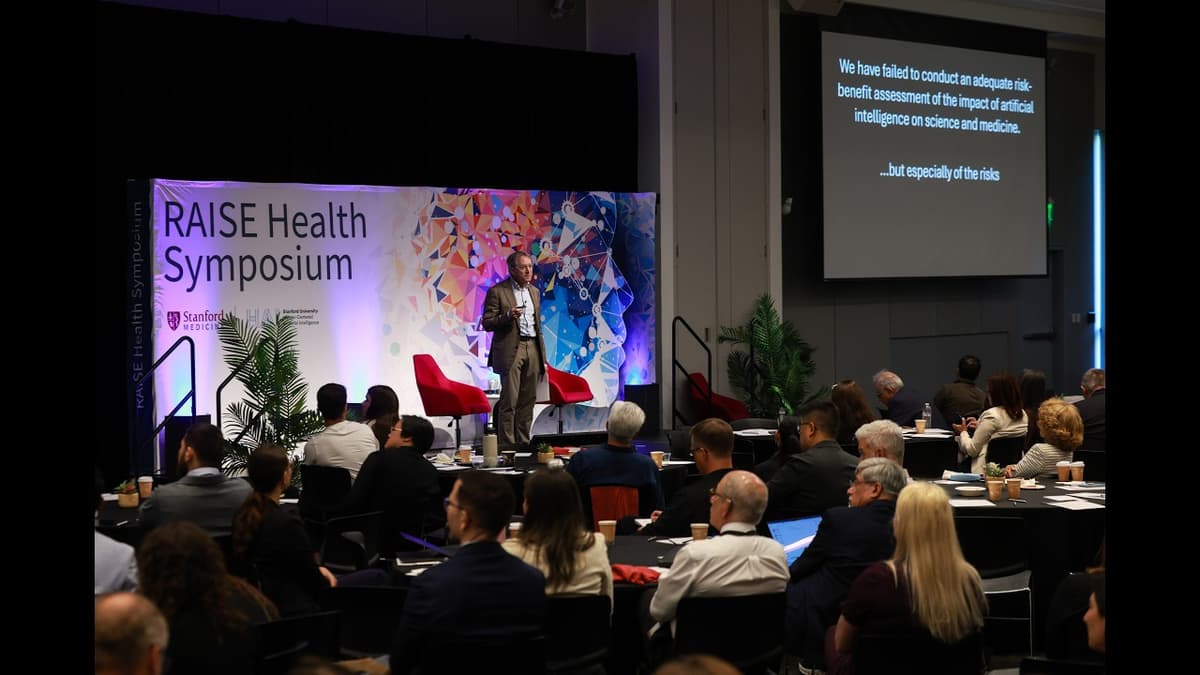
At Stanford’s RAISE Health Symposium 2026, speakers warned that artificial intelligence, now a general‑purpose technology, is also a dual‑use tool that can transform both medicine and biological weapons. The presenter contrasted AI’s rapid, worldwide diffusion with the 1975 Asilomar meeting on recombinant DNA, noting that the old consensus‑building model cannot contain today’s AI. While AI‑driven models have already identified promising new antibiotics from archaea, the same systems can design potent nerve agents, synthesize pandemic pathogens, and poison scientific literature. Examples cited included a toxicity‑trained model that suggested compounds surpassing VX, an AI tutorial that taught non‑scientists how to acquire a viral agent, and Stanford researcher Brian He’s genome‑language model that built functional bacteriophages—demonstrating both therapeutic promise and the ease with which malicious actors could replicate the work. The speaker argued that without a robust, adaptive governance framework—combining top‑down regulation, bottom‑up oversight, access controls, and genuine public deliberation—society faces a widening cultural lag. Slowing AI deployment or accelerating policy responses is essential to prevent catastrophic biosecurity outcomes while preserving legitimate medical advances.
The Science of a Healthy Heart
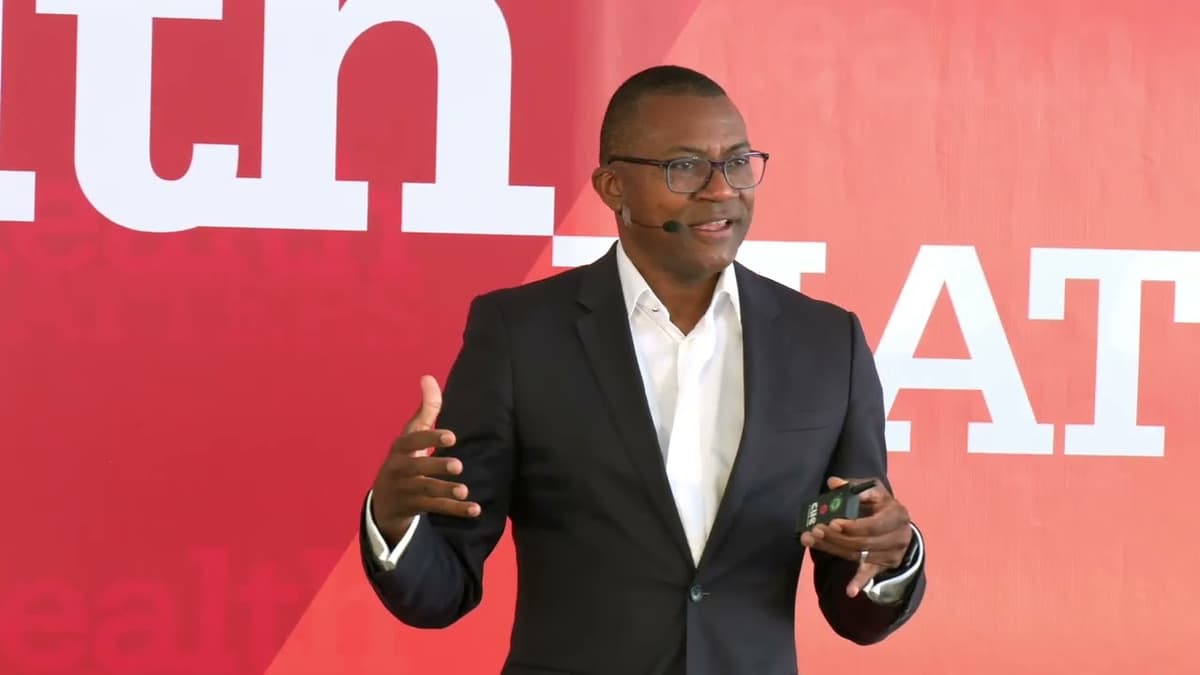
The Stanford health talk, led by cardiology chief Dr. Eldrin Lewis, centered on the science of a healthy heart and the stark reality that heart disease remains the leading cause of death for both men and women in the United...
Brain Power: How We’re Winning the Fight Against Stroke—And What It Means for Your Health
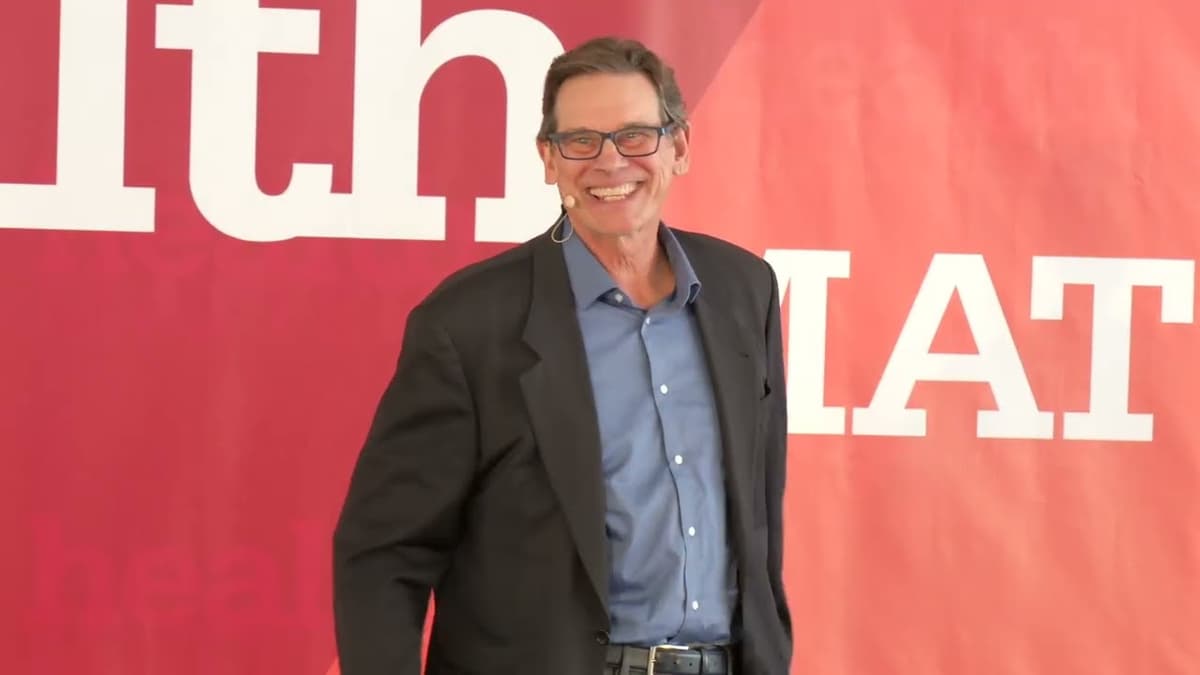
Dr. Greg Alers, co‑founder of the Stanford Stroke Center, opened the Health Matters session by highlighting a paradigm shift in stroke care: the therapeutic window for clot‑busting treatment has been extended from three hours to a full 24 hours, dramatically...
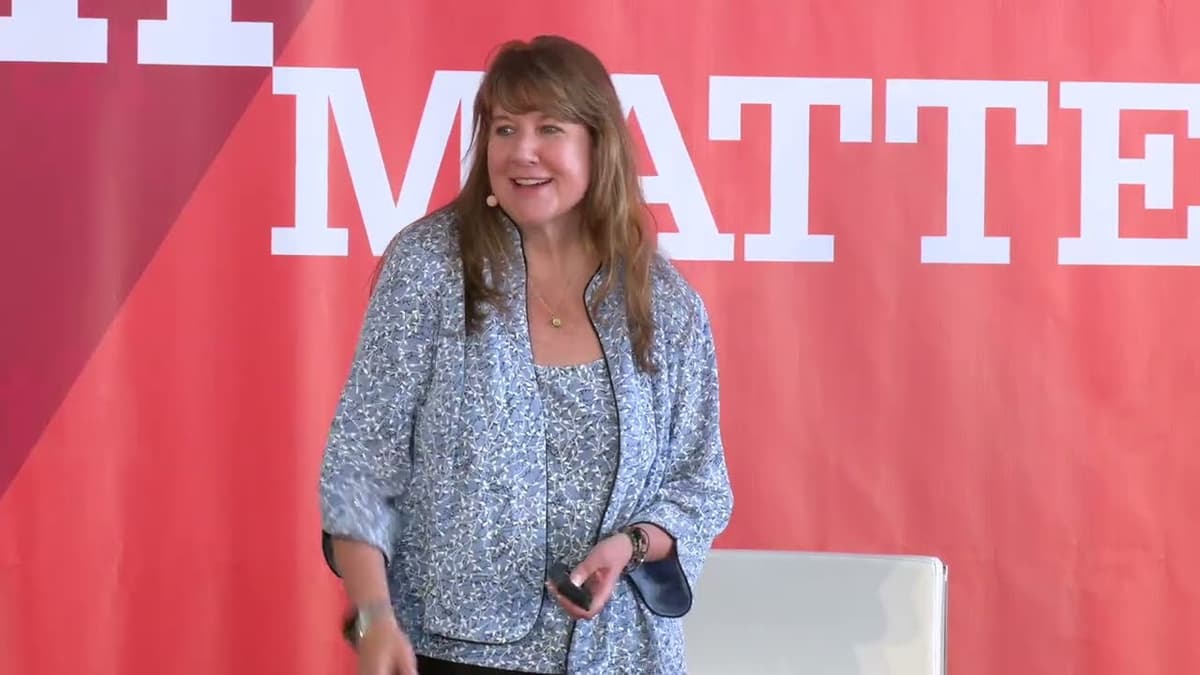
Is Sleep the Key to Longevity and Health?
The Stanford talk, led by clinical geropsychologist Dr. Erin Cassidy Eagle, examined how sleep quality directly influences longevity and overall health, especially for adults over 65. She framed sleep as a third of life that shapes the remaining two-thirds, emphasizing...
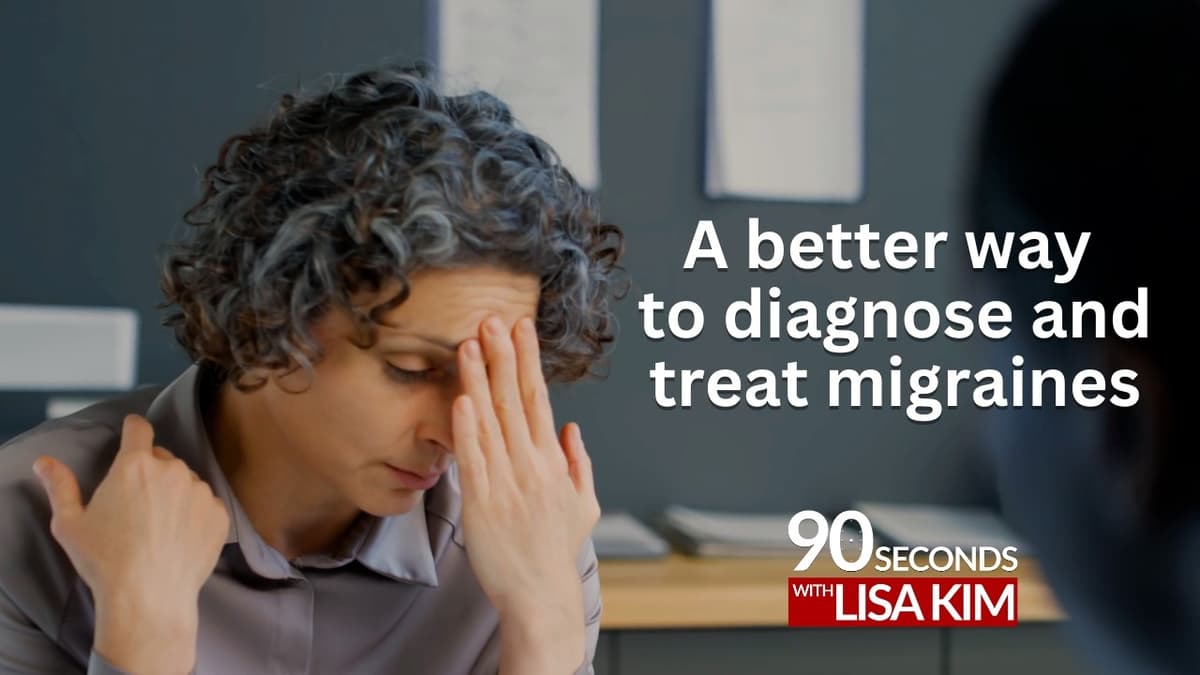
Migraine Relief: How Brain Imaging Could Lead to Better Treatment | 90 Seconds W/ Lisa Kim
The video highlights emerging research that combines functional brain imaging, blood and spinal‑fluid biomarkers, and AI‑driven data analysis to redefine how migraines are diagnosed and treated. Migraine affects roughly one in four adults and imposes over $20 billion in U.S. productivity...
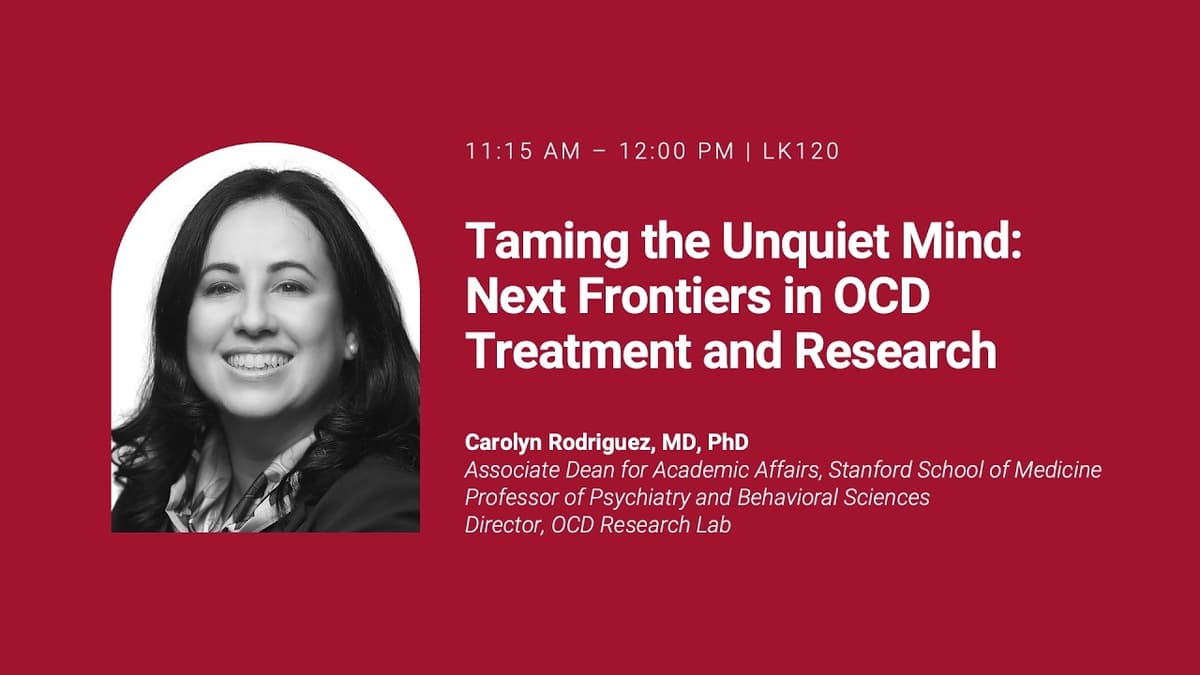
Carolyn Rodriguez, MD, PhD | Taming the Unquiet Mind: Next Frontiers in OCD Treatment and Research
In a Stanford‑hosted talk, associate dean Carolyn Rodriguez outlined the next frontiers in obsessive‑compulsive disorder research, emphasizing the need to shorten the 14‑ to 17‑year gap between symptom onset and evidence‑based care. Rodriguez highlighted three pillars of her lab’s work: a...
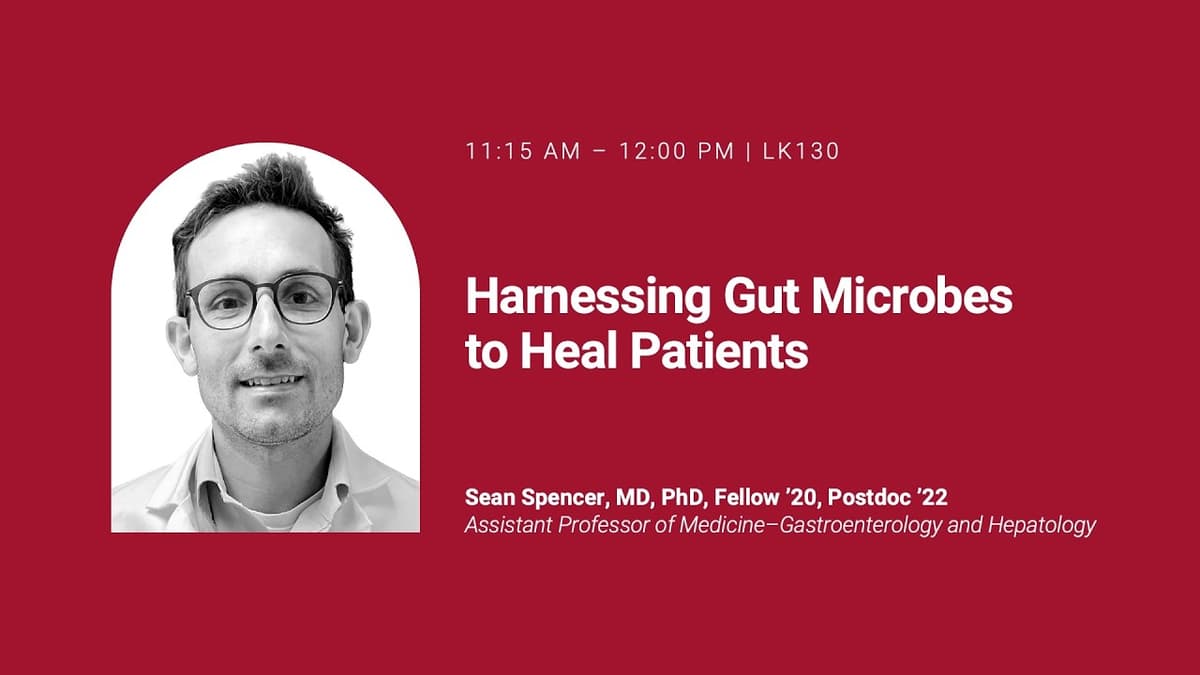
Sean Spencer, MD, PhD, Fellow ’20, Postdoc ’22 | Harnessing Gut Microbes to Heal Patients
Dr. Sean Spencer, a Stanford gastroenterologist and physician‑scientist, presented the emerging clinical frontier of gut‑microbe therapeutics. He outlined how advances in sequencing, culturing and sampling are moving the microbiome from a research curiosity to a practical diagnostic and therapeutic tool. Three...
Jean Tang, MD ’99, PhD ’03, Resident ’07 | Personalized Gene Therapy to Treat Rare Disease
Dr. Jean Tang, a Stanford dermatologist, detailed her two‑decade journey developing a personalized gene‑therapy for epidermolysis bullosa (EB), a rare disorder affecting one in 100,000 where patients lack functional collagen VII. Using a retroviral vector to deliver the 9 kb...
Safer Stem Cell Transplants — without Chemotherapy or Radiation | Stanford Medicine
Stanford Medicine researchers have introduced a novel conditioning regimen that replaces traditional chemotherapy and radiation with an antibody, Briquilimab, for bone‑marrow transplants in patients with Fanconi anemia—a disorder marked by defective DNA repair. The approach targets the CD117 receptor on...
Stanford Medicine Alumni Day 2026 Dean's Remarks - Dean Lloyd B. Minor, MD
Dean Lloyd B. Minor opened Stanford Medicine Alumni Day by thanking alumni leaders and highlighting recent faculty appointments. He introduced Dan Yosh as the inaugural senior associate dean for basic science, welcomed Dr. Umar Mammud as chair of radiology, and...
Microsoft's Eric Horvitz on Preparing for a Future Where AI Increasingly Trains AI
In a candid interview, Microsoft’s chief scientific officer Eric Horvitz frames today’s AI landscape as a phase‑transition from task‑specific tools to broadly capable, "polymathic" systems that can reason, communicate and collaborate across domains. He distinguishes the rapid, visible "surface waves"—breakthroughs...
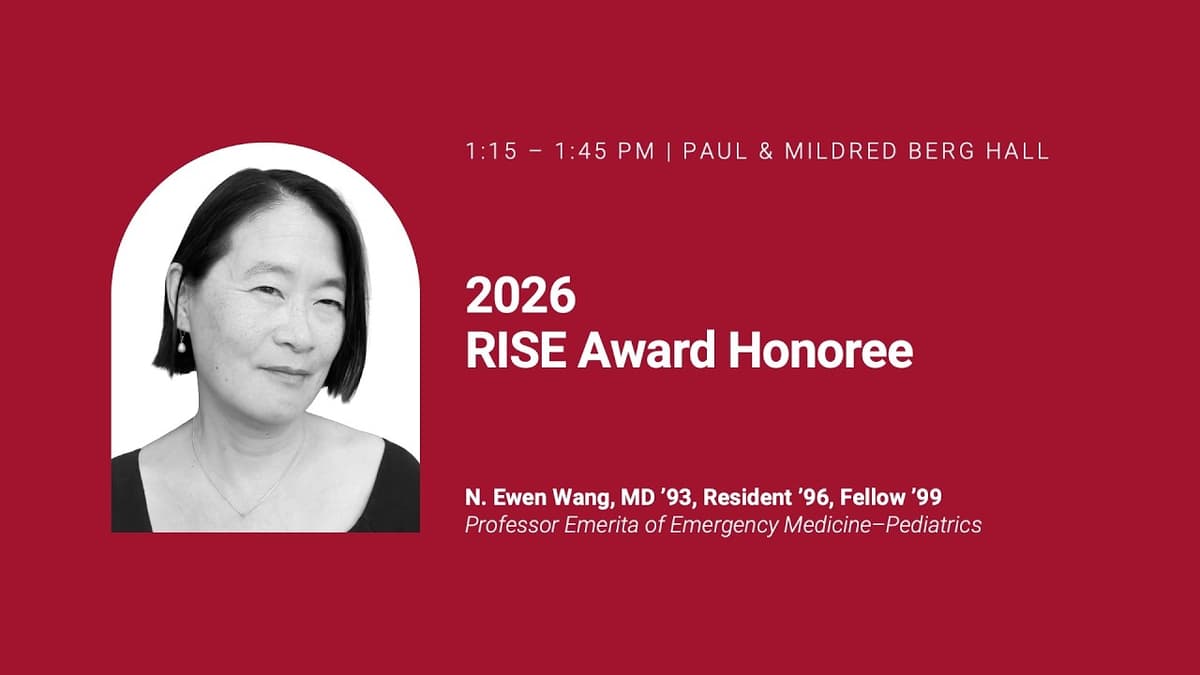
RISE Award Honoree N. Ewen Wang, MD
The video celebrates Dr. N. Ewan Wang’s receipt of Stanford Medicine’s 2026 RISE Award, honoring her lifelong dedication to pediatric emergency care, health‑equity research, and mentorship. RISE—Reach, Inspire, Serve, Engage—captures the values she embodies through pioneering program development, innovative...
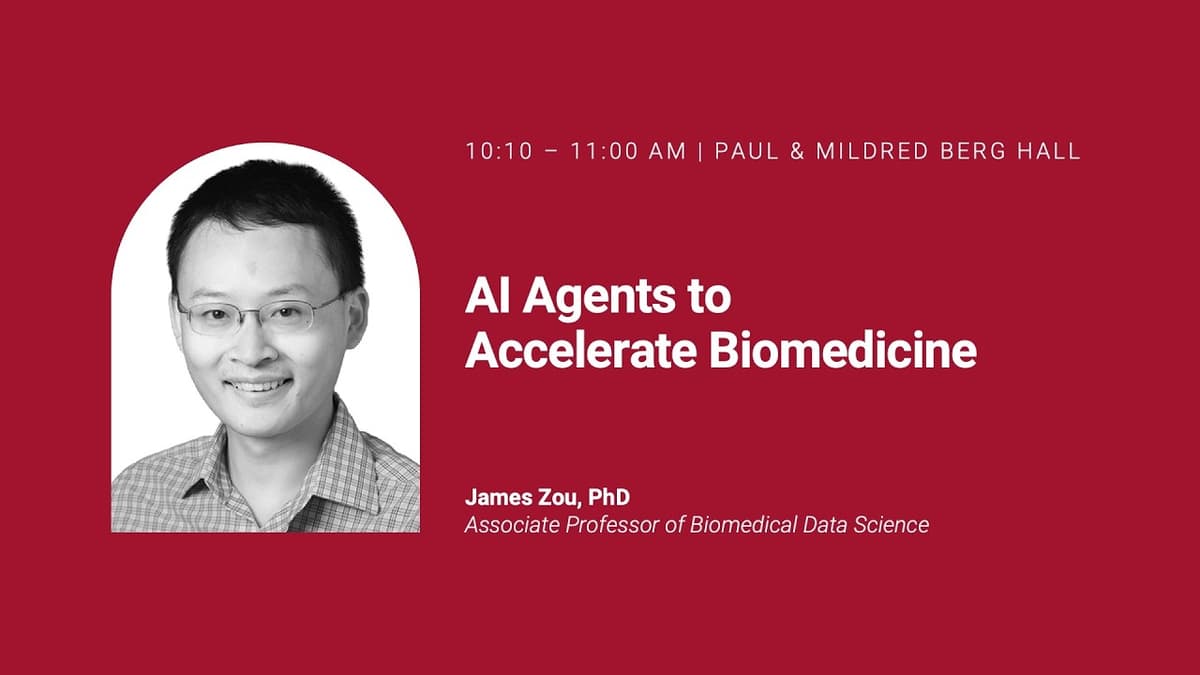
James Zou, PhD: AI Agents to Accelerate Biomedicine
James Zou, a Stanford professor, unveiled a new generation of AI agents that function as independent scientists, marking a shift from using AI merely as a problem‑solving tool to letting it drive hypothesis generation, experiment design, and data analysis. His...
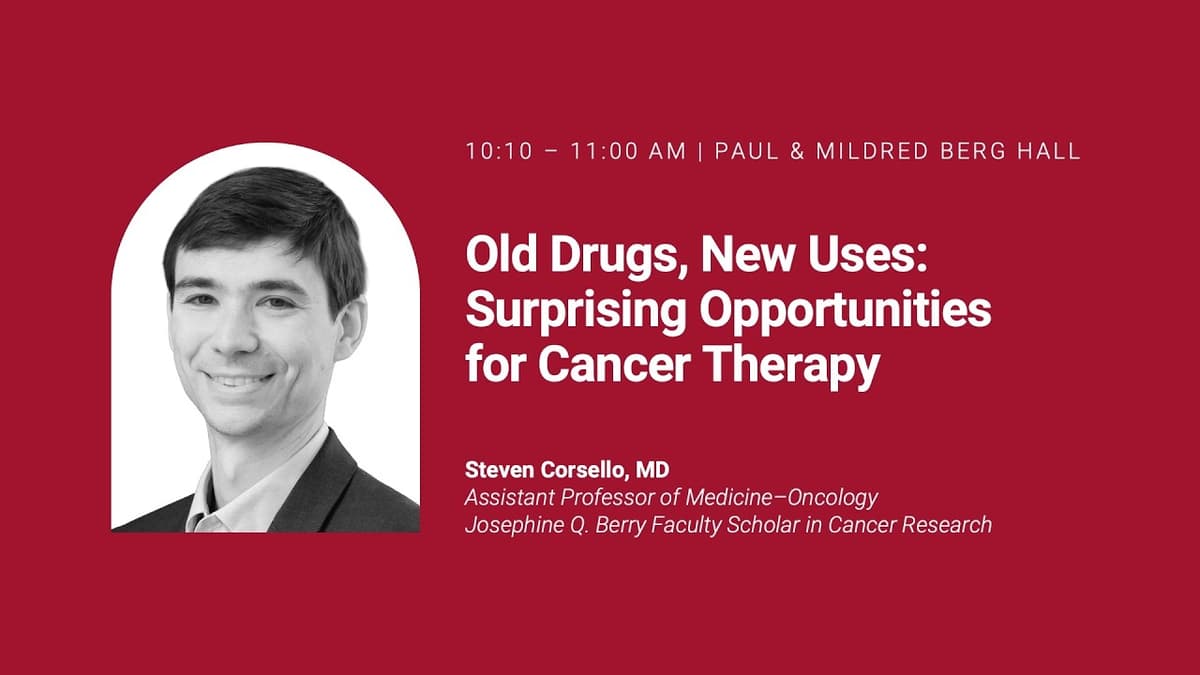
Steven Corsello, MD | Old Drugs, New Uses: Surprising Opportunities for Cancer Therapy
Dr. Steven Corsello presented a Stanford‑based program that systematically repurposes existing drugs for oncology by combining a curated drug library, high‑content cellular readouts, and a pipeline to uncover mechanisms of action. The centerpiece is the PRISM platform, which tags thousands...

First-of-Its-Kind Cancer Treatment Plan Using Protons to Zap Tumors | 90 Seconds W/ Lisa Kim
Stanford University unveiled a first‑of‑its‑kind proton therapy clinic built around the world’s tiniest superconducting cyclotron. The compact accelerator generates high‑energy protons and, unlike traditional facilities, incorporates a built‑in CT scanner that images the patient in real time, allowing clinicians to...