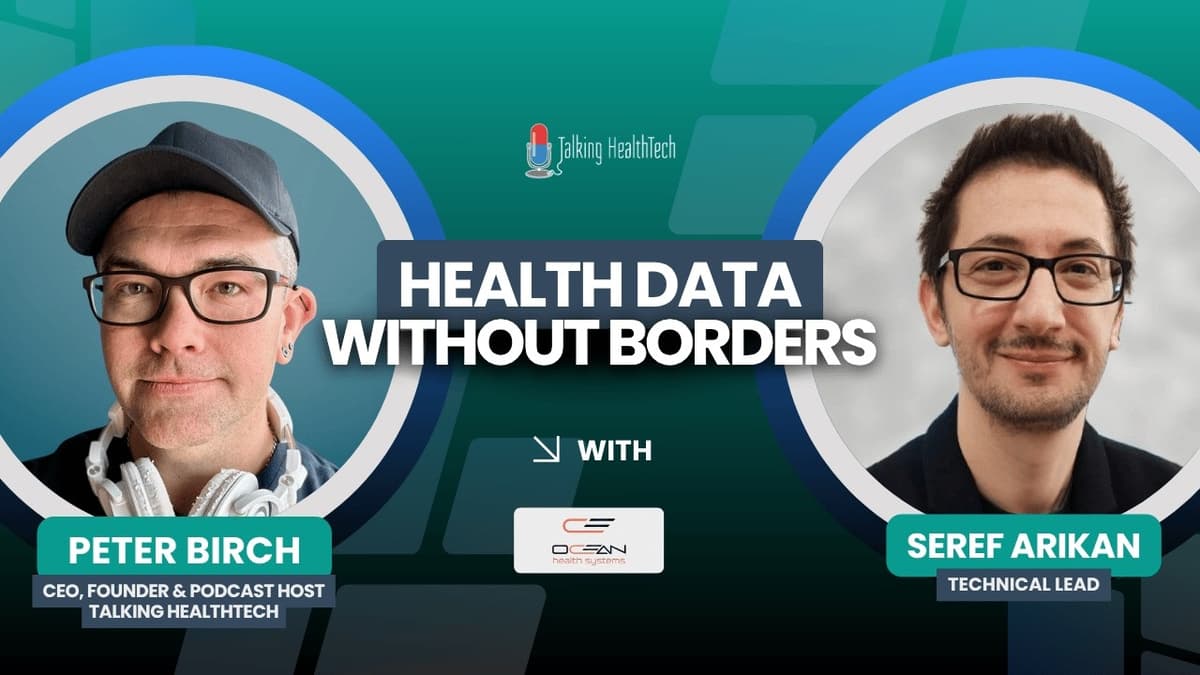
615 - EHDS: Europe's Digital Health Ambition, Global Standards, and the Role of AI
The European Health Data Space (EHDS) is a new EU regulation designed to create a single, cross‑border framework for the exchange of electronic health records across all 27 member states, covering up to half a billion patients. Its core objectives are three‑fold: give patients direct access to their own data, enable seamless clinical information flow for primary care, and unlock secondary uses such as research and analytics. While the regulation does not prescribe a single technical standard, EU‑funded projects like XTHR are evaluating options, with HL7 FHIR currently holding the strongest foothold and OpenEHR being discussed as a complementary approach. Dr. Sheref Arakan emphasized that the biggest hurdle is coordinating the myriad stakeholders—patients, clinicians, payers, and regulators—and establishing a robust feedback loop. He cited the OpenEHR Clinical Knowledge Manager (CKM), which already gathers clinician input from over 110 countries, as a model for the kind of iterative, clinician‑driven governance the EHDS needs. He also warned that non‑compliant solutions after the 2029‑2031 deadlines could be barred from the EU market, making early “fail‑fast” testing essential. For health‑tech vendors and AI developers, the EHDS will dictate data architecture, interoperability requirements, and compliance costs across Europe, potentially setting a de‑facto global benchmark. Companies that embed flexible, standards‑agnostic platforms now will be better positioned to leverage the massive data pool for AI‑driven diagnostics, population health, and personalized medicine.

The Essential Role of AI Derivatives in Modern Healthcare Workflows
The video explains how three AI “derivatives”—scribe, evidence and communications (comms)—are essential building blocks for modern healthcare workflows. Scribe reads and extracts relevant patient record data; evidence pulls trusted clinical information such as drug side‑effects; comms interacts with patients to convey...
Making Outpatient Care Safer and More Effective
The video highlights a sweeping shift in health‑care delivery, moving many procedures from hospitals to outpatient facilities. Orthopedic surgeries, especially hip and knee replacements, are now routinely performed as same‑day operations, and the speaker argues that the same quality‑improvement frameworks used...
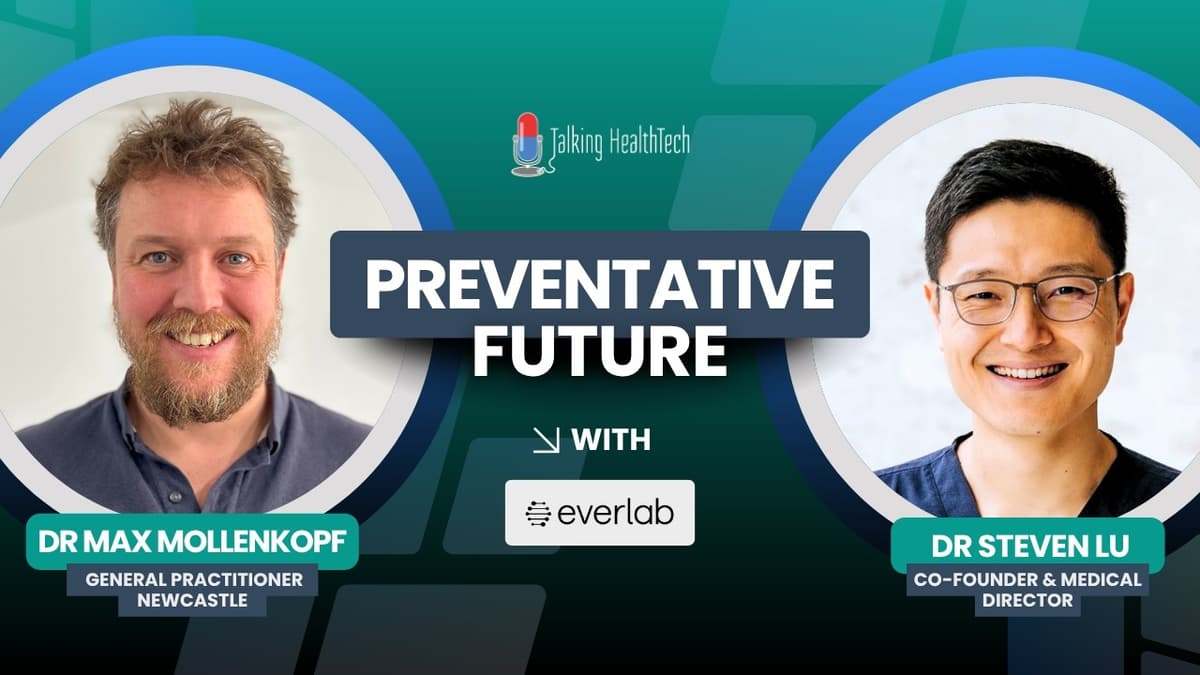
613 - Preventative and Personalised Primary Care: EverLab on Data, Engagement and Innovation
The Talking Health Tech episode spotlights Everlab, a startup founded by GP Steven Lou, which aims to reinvent primary care through a preventative, personalised model that leverages comprehensive data consolidation before the patient’s consult. Everlab’s process pulls radiology, pathology and other...
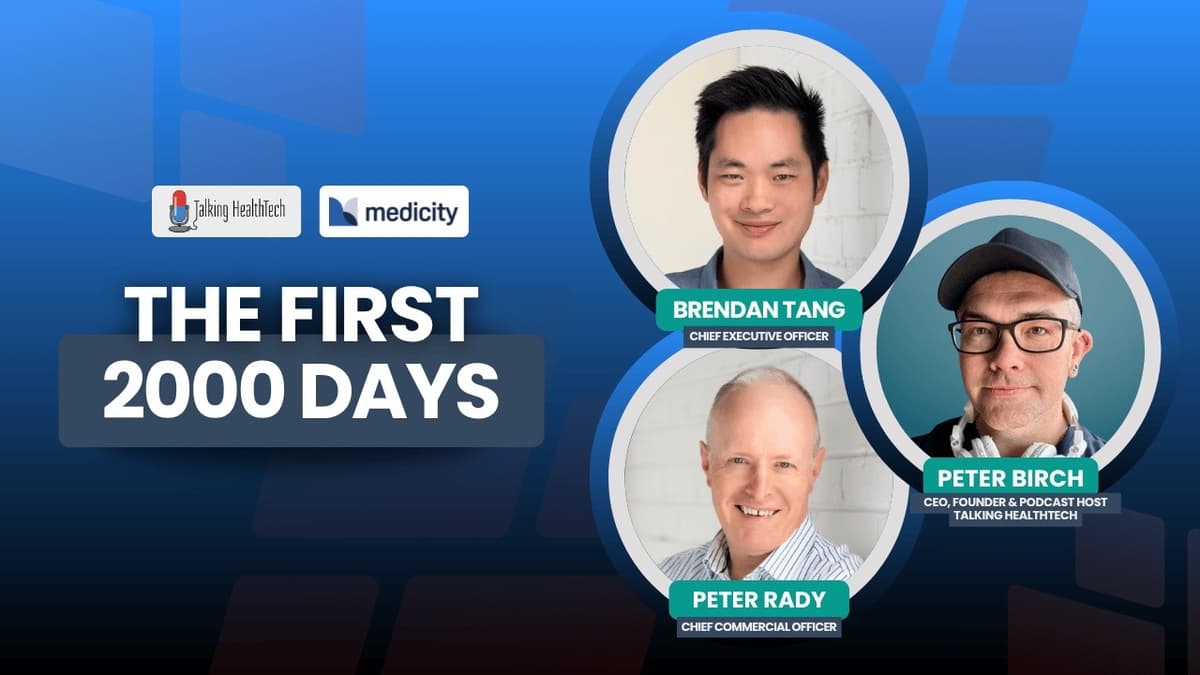
612 - Small Steps, Big Futures: Solving Maternity Care One Happy Baby at a Time
The Talking Health Tech podcast episode spotlights Medicity’s digital maternity solution, Eve, as a tool to support the critical "first 2,000 days" from conception to age five. The hosts discuss how the platform aligns with New South Wales’ strategic...
Healthcare AI Success Starts With Defining the Right Problem
Healthcare leaders stress that AI projects must begin with a clear problem definition rather than jumping to solutions. The speaker describes a strict innovation framework that requires teams to articulate the demand, objectives, and expected outcomes before any technology is...
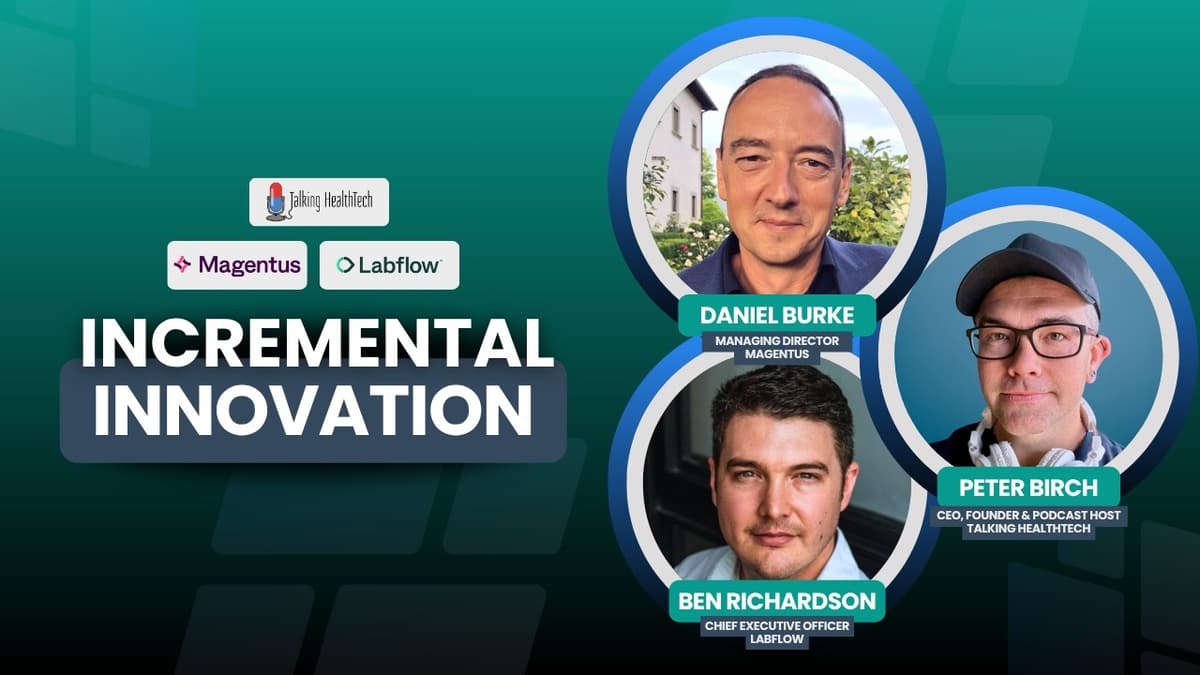
611 - Bold Upgrades, Zero Downtime: How Smart Labs Are Modernising Pathology
The Talking Health Tech podcast episode focuses on how Magentus and its newly acquired Labflow are tackling the modernization of pathology labs amid rising consumer demand and an aging workforce. Dan Burke outlines Magentus’ long‑standing health‑software background, while Ben Richardson...
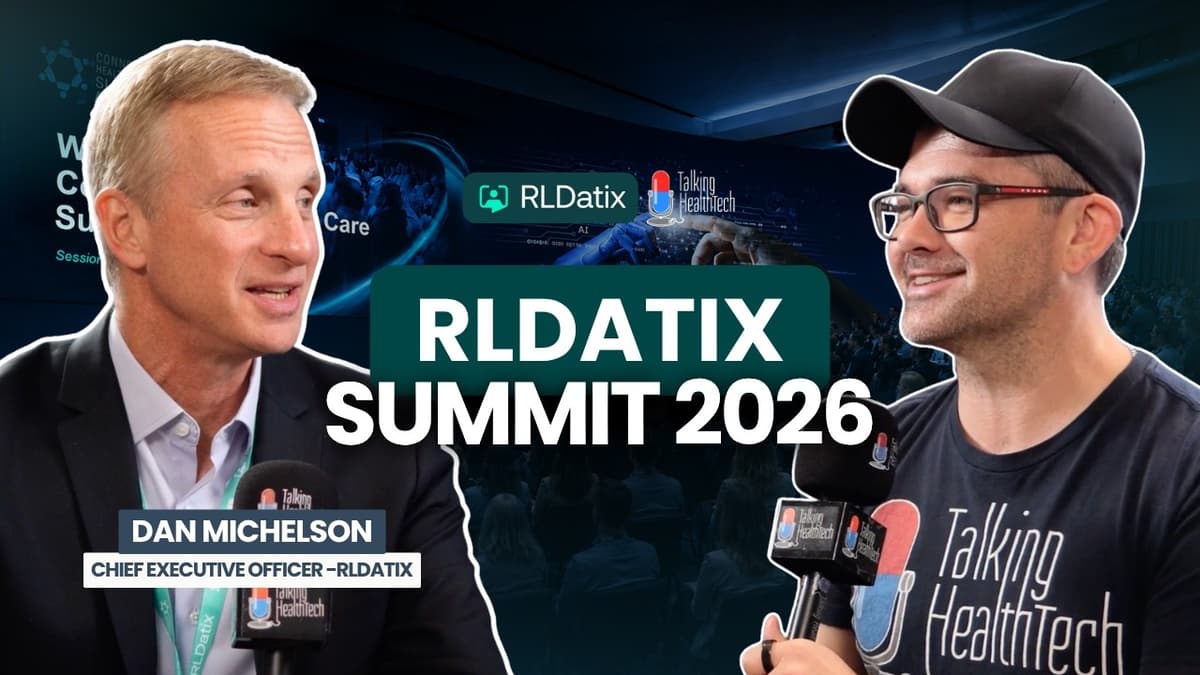
RLDatix Summit '26: Dan Michelson - Chief Executive Officer, RLDatix
At the RLDatix Summit ’26, CEO Dan Michelson outlined the company’s trajectory, highlighting its global footprint of 10,000 customers—including 400 in Australia—and the surge in conference participation. He noted a 40% year‑over‑year attendance increase, underscoring heightened appetite for health‑tech solutions. Michelson...
609 - Automating Primary Care Admin with Care GP: AI Solutions for Australian Clinics
The Talking Health Tech podcast featured Melvin Chen, CEO of KG GP, outlining the company’s AI‑driven tools aimed at slashing administrative burdens in Australian primary‑care clinics. The flagship product, Samantha, automatically imports and categorises incoming medical documents—from fax to email—directly into...
607 - Bringing Consistency to Complexity Through AI-Driven Decision Support
The Talking Hill Tech podcast episode spotlights ADIA Health’s Patient Optimizer Platform (POP), an AI‑driven decision‑support tool aimed at standardising pre‑operative care. Co‑founders Dr. Daniel Stiglets and CCO Simon Taylor‑Cross explain how fragmented pre‑surgical assessments cause preventable complications, day‑of‑surgery cancellations,...
HIMSS 2026: Lisa Gulker - Chief Nursing Officer, Oracle Health
Lisa Gulker, Oracle Health’s chief nursing officer, used HIMSS 2026 to showcase the company’s rapidly expanding AI portfolio. She highlighted that Oracle’s first generation of AI agents, now deployed in more than 300 U.S. health systems and early adopters...
606 - Consumer Engagement Done Right: Designing Digital Health Experiences With Consumers
The Talking Health Tech podcast episode dives deep into consumer engagement for digital health, featuring Shelley Thompson, co‑founder of Patient Experience Agency. Thompson explains that genuine engagement goes beyond informing patients—it means partnering with them throughout design, implementation, and evaluation...

From Detection to Prevention: Using AI for Continuous Patient Monitoring and Safety
The video argues that AI‑driven continuous monitoring can address the three biggest patient‑safety challenges—early detection of clinical deterioration, falls, and medication errors—by moving beyond intermittent nurse observations. Predictive models trained on gold‑standard datasets can analyze video, thermal imaging, and vital‑sign streams...
How Digital Workflow Tools Deliver Significant Benefits in Healthcare Settings
The video explains how digital workflow tools—specifically electronic journey boards and integrated handover solutions—are reshaping clinical operations by providing real‑time visibility into patient discharge timelines and task assignments across all hospital departments. By surfacing expected discharge dates, flagging unavailable allied‑health staff,...
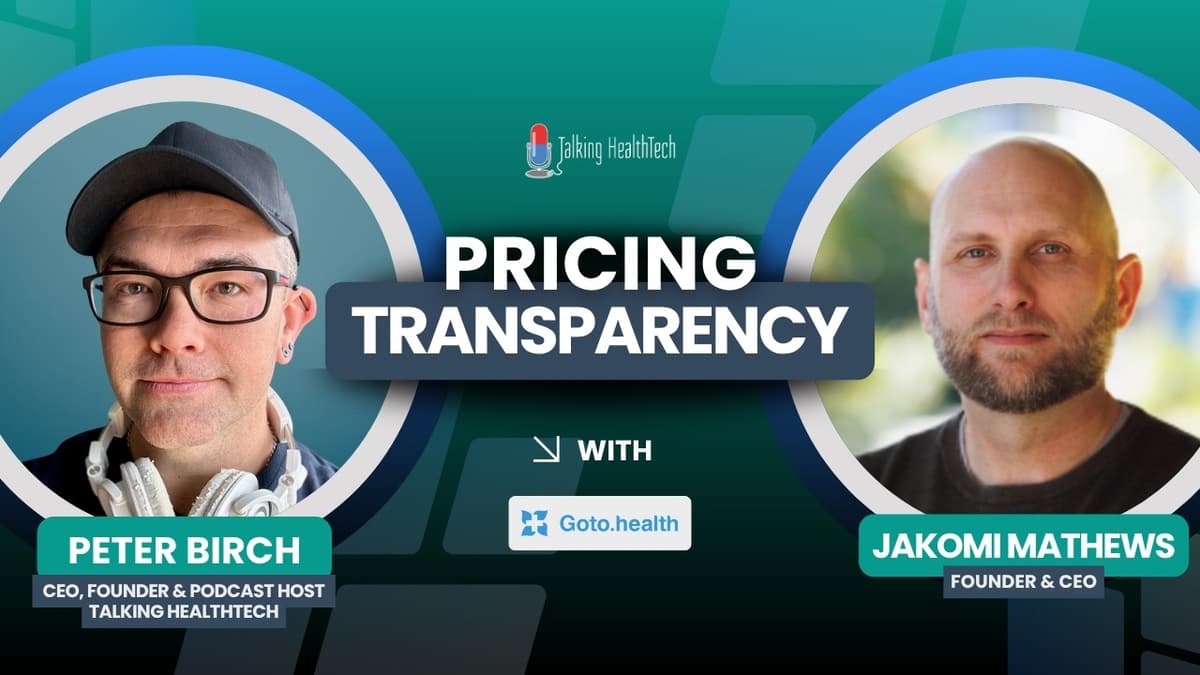
605 - The Cost of Care: Improving Transparency and Access in Australian Healthcare
The Talking Health Tech podcast featured Jacomi Matthews, founder and CEO of GotoHealth, discussing how her startup aims to bring price transparency and easier access to allied‑health services across Australia. Matthews cites research that 48% of Australians have postponed or cancelled...