

Traveling Through a Closed Strait of Hormuz with Graeme Wood
Graeme Wood reports from the quiet waters of the Strait of Hormuz, where Iran has announced it will shut the narrow passage that funnels roughly one‑fifth of the world’s seaborne oil. The strait, a 40‑mile gap between Iran and the Arabian Peninsula, is a strategic chokepoint that supplies the majority of Asia’s energy imports, and its closure would force a dramatic reroute of global oil flows. Wood notes that Iran’s move is a calculated response to what it perceives as U.S. and Israeli aggression, aiming to impose economic costs on Washington, its Gulf allies, and the broader international community. With tankers halted, only a handful of Omani dhows linger and occasional Iranian speedboats ferry goats to the Arabian Peninsula and electronics back, underscoring the sudden standstill of commercial traffic. The on‑scene description—cargo ships idling, dolphins leaping, and smugglers navigating the calm—serves as a vivid illustration of how geopolitical brinkmanship can freeze a critical artery of world commerce. The silence contrasts sharply with the usual bustle of oil tankers, highlighting the fragility of supply chains that depend on a single maritime corridor. Analysts warn that a prolonged shutdown could trigger sharp spikes in oil prices, accelerate the search for alternative routes such as the Cape of Good Hope, and prompt nations to reassess energy security strategies. The episode underscores the outsized influence of regional conflicts on global markets and the urgent need for diversified logistics.

The Jolene Doctrine
The video introduces the tongue‑in‑cheek concept of the “Jolene Doctrine,” a label for the Trump administration’s foreign‑policy approach. Drawing on Dolly Parton’s classic plea—“Jolene, please don’t take my man”—the speaker suggests the United States is behaving like a jealous lover,...

What the Most Popular Netflix Shows Tell Us About the Streamer’s Algorithm
The video unpacks Netflix’s internal popularity rankings, revealing that the platform’s most‑watched title isn’t the headline‑grabbing Stranger Things or Squid Game but a series called Adolescence. By probing viewers’ guesses, the host demonstrates how the algorithmic lens can surface a...

Energy Drinks Are Coming for the Girls
The Atlantic’s Ellen Kushing reports a decisive pivot in the energy‑drink industry: manufacturers are redesigning cans and messaging to court female consumers. Past campaigns leaned on camouflage graphics, extreme‑sport sponsorships, and hyper‑masculine slogans, but new packaging is slim, pastel‑hued,...

The Cost of Trump's Disdain For U.S. Allies
The video argues that President Trump shows deference to authoritarian dictators while disparaging long‑standing European partners, a pattern that threatens the United States’ alliance architecture. By elevating strongmen abroad and dismissing allies such as Denmark, the administration erodes the mutual...

Why Hegseth Has Lasted in the Trump Administration
Media and former-administration observers say Nick Hegseth has endured in the Trump cabinet largely because President Trump evaluates ministers by televised performance and has shifted toward personnel stability in a second term. Pentagon insiders were surprised Hegseth remained, but analysts...
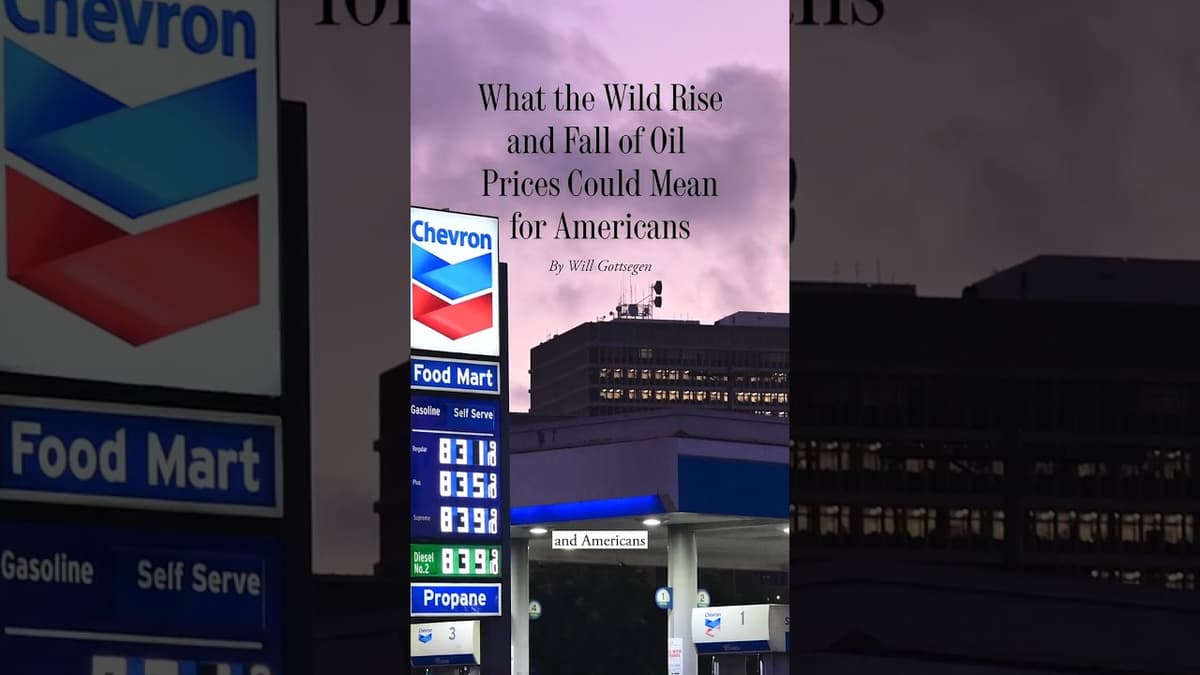
What the Wild Rise and Fall of Oil Prices Could Mean for Americans
The Atlantic’s Will Goten examines the recent turbulence in oil markets sparked by Iran’s threat to close the Strait of Hormuz and the ensuing geopolitical scramble, highlighting how the volatility could quickly translate into higher costs for U.S. consumers. Over a...