
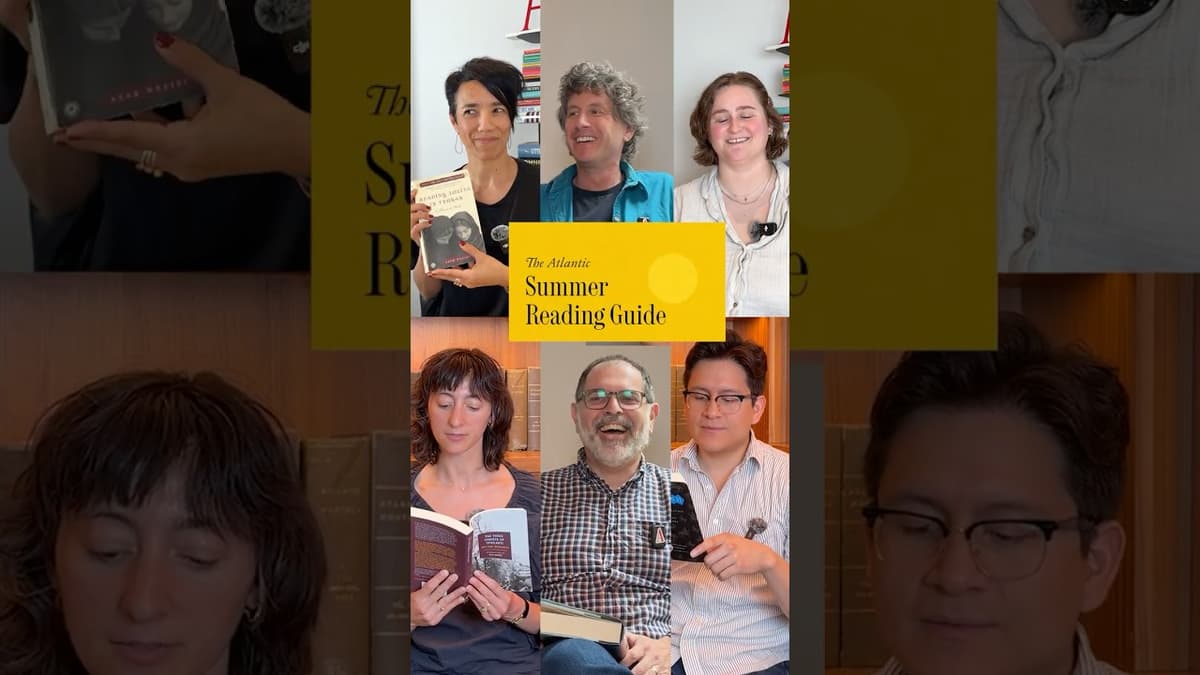
The Atlantic Summer Reading Guide
Atlantic’s summer reading guide spotlights six eclectic titles, ranging from contemporary fiction to classic tragedy, each chosen for its ability to engage and expand readers during the season. The selections include Baba Bad’s “No God But Us,” praised for its humor and cultural depth; Wanda Coleman’s “Wicked Enchantment,” a showcase of poetry’s transformative power; Azar Nafisi’s memoir “Reading Lolita in Tehran,” offering a gripping view of Iran’s literary climate; Karan Mahajan’s “The Complex,” a sprawling family saga with dark twists; Sophocles’ “Philoctetes,” a timeless meditation on loneliness; and Milton Rokeach’s “Three Christs of Ypsilanti,” a psychological case study probing the limits of medicine. The host highlights each work’s unique appeal: Bad’s novel surprises with wild storytelling, Coleman electrifies poetry lovers, Nafisi turns literary analysis into a page‑turner, Mahajan weaves intricate family dynamics, Sophocles connects ancient honor to modern isolation, and Rokeach’s narrative humanizes clinical research. By curating such a diverse list, the guide encourages readers to step beyond comfort zones, fostering cultural awareness and intellectual curiosity that can translate into broader perspectives in both personal and professional realms.
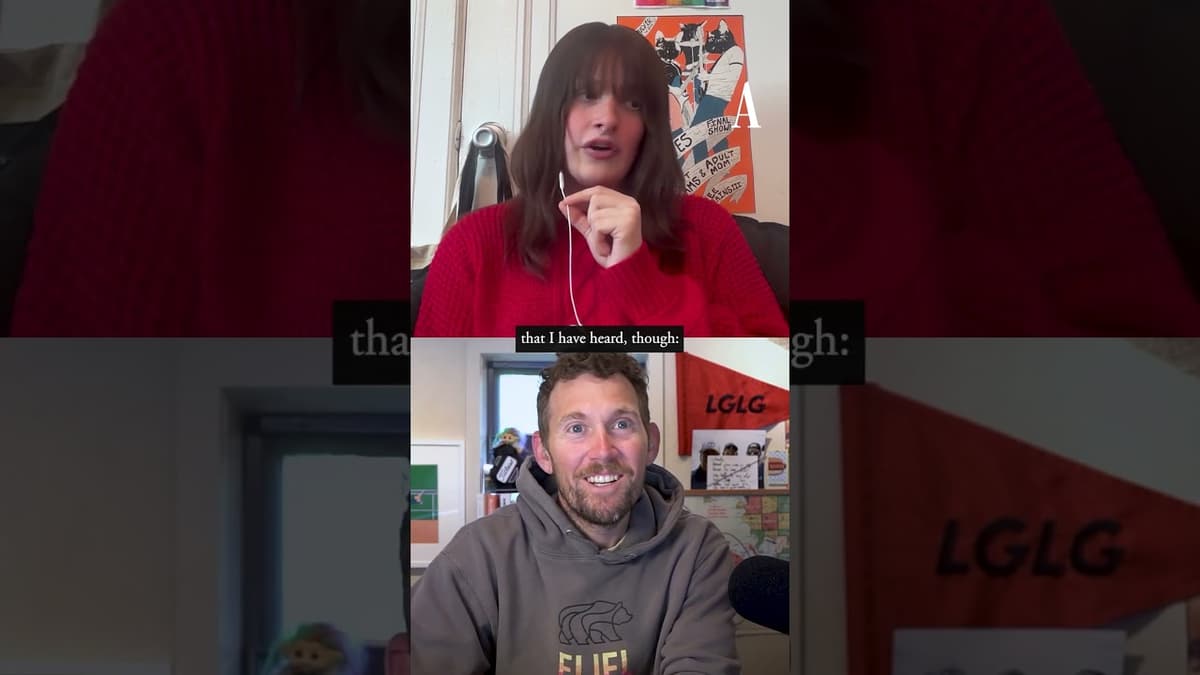
The “Win-Win” Situation For AI Data Centers
The video examines the burgeoning presence of AI‑focused data centers and the fiscal windfall they promise for host communities. By channeling sizable property and corporate taxes into local coffers, municipalities could potentially replace budget cuts to programs such as Medicaid...

What Makes Online Content Unique in 2026?
The video explains how Dropout is redefining online content in 2026 by prioritizing internally sourced ideas rather than buying external concepts. It highlights the platform’s strategy of repurposing legacy material, such as the reboot of the College Humor series “Hello, My...

How Olivia Rodrigo’s Baby-Doll Dress Reflects Attitudes Toward Women’s Fashion
Olivia Rodrigo’s baby‑doll dress at a Barcelona concert ignited online debate, with critics accusing her of “sexy baby” styling, prompting a broader look at how society draws lines between children’s and adult women’s clothing. Fashion historians explain that the baby‑doll originated...
Atlantic Reads: How to Be a Dissident with Gal Beckerman
The Atlantic interview spotlights Gal Beckerman’s new book How to Be a Dissident, a timely guide that emerged from the early‑Trump era’s surge of executive overreach. Beckerman argues that modern institutions lack trained dissenters, leaving many to acquiesce to questionable directives. Beckerman...

Trump Is ‘Bored’ With the War He Started
President Donald Trump, in a recent interview, described himself as "bored" with the Iran‑Israel conflict that erupted after the U.S. struck Iranian targets in early 2024. He said the war, which he expected to last days or weeks, has now...

What You Can't Do Without Your Smartphone
The video highlights how smartphones have become gatekeepers for everyday experiences, using Citi Field’s mobile‑only ticket policy as a vivid illustration. The speaker notes that paper tickets and even PDF printouts are no longer accepted, forcing fans to rely exclusively on...
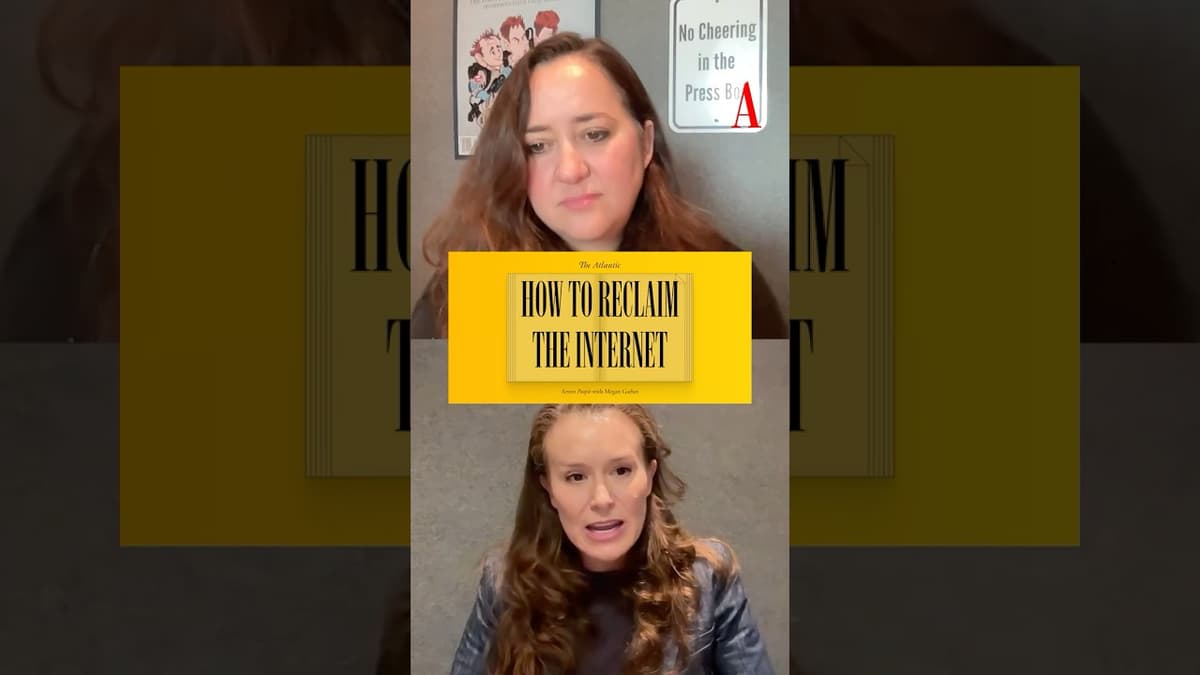
How to Reclaim the Internet
The video argues that the internet can be reclaimed from the current screen‑centric, outrage‑driven landscape by consciously restoring the cultural practices that existed before the dominance of social‑media platforms. It urges viewers to catalog what they loved about early online culture—open...

How to Help Someone in Mourning
The video titled “How to Help Someone in Mourning” examines the distinct needs of grieving individuals and the people surrounding them, offering practical guidance on offering comfort. It highlights that losing a child creates a grief experience unlike any other—society prepares...
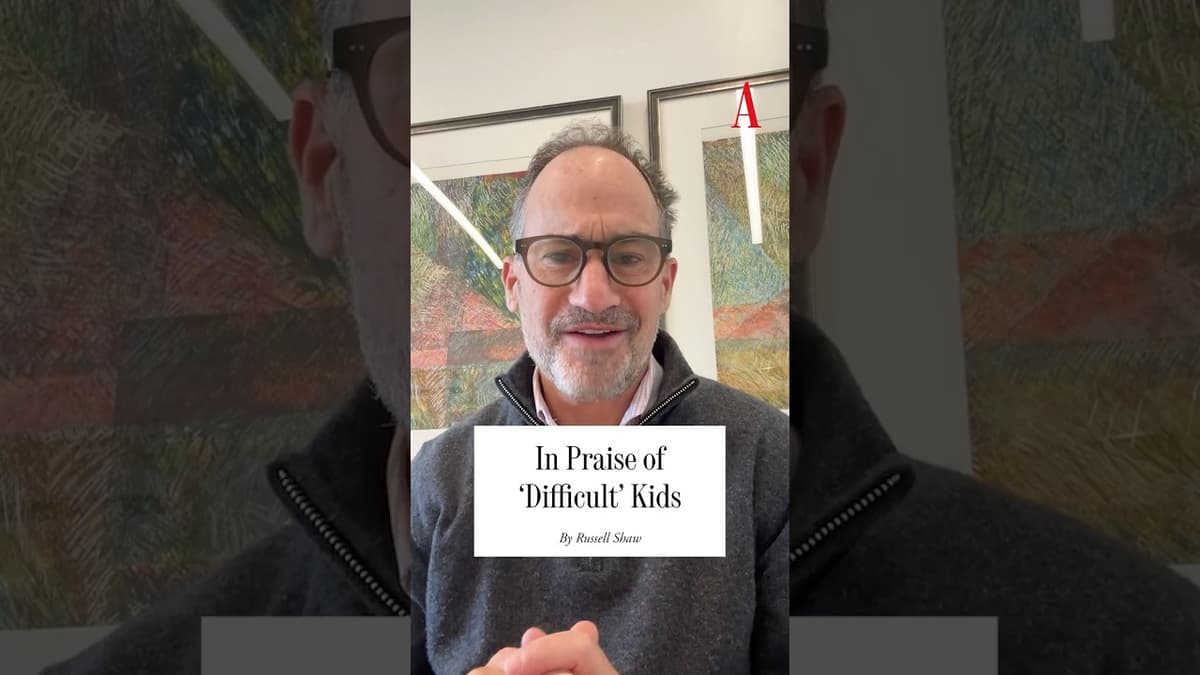
In Praise of ‘Difficult’ Kids
The video argues that children who constantly question and argue are not merely troublemakers but often possess a “moral fire” that, if nurtured, can become a powerful asset. It points out that schools and parents tend to reward quiet compliance, inadvertently...

How Can Families Put Themselves Back Together After Loss?
The video frames family dynamics as a jigsaw puzzle, each member a piece whose shape and function become evident only when a piece is missing. The speaker emphasizes that the sudden absence of a loved one forces surviving members to...

What Happens When AI Slop Gets Worse
The video warns that the internet is entering a phase where low‑quality, AI‑generated content—dubbed “AI slop”— threatens the platform’s credibility and stability. Speakers argue that as more AI agents proliferate, compute power will be repurposed for political and narrative influence, creating...
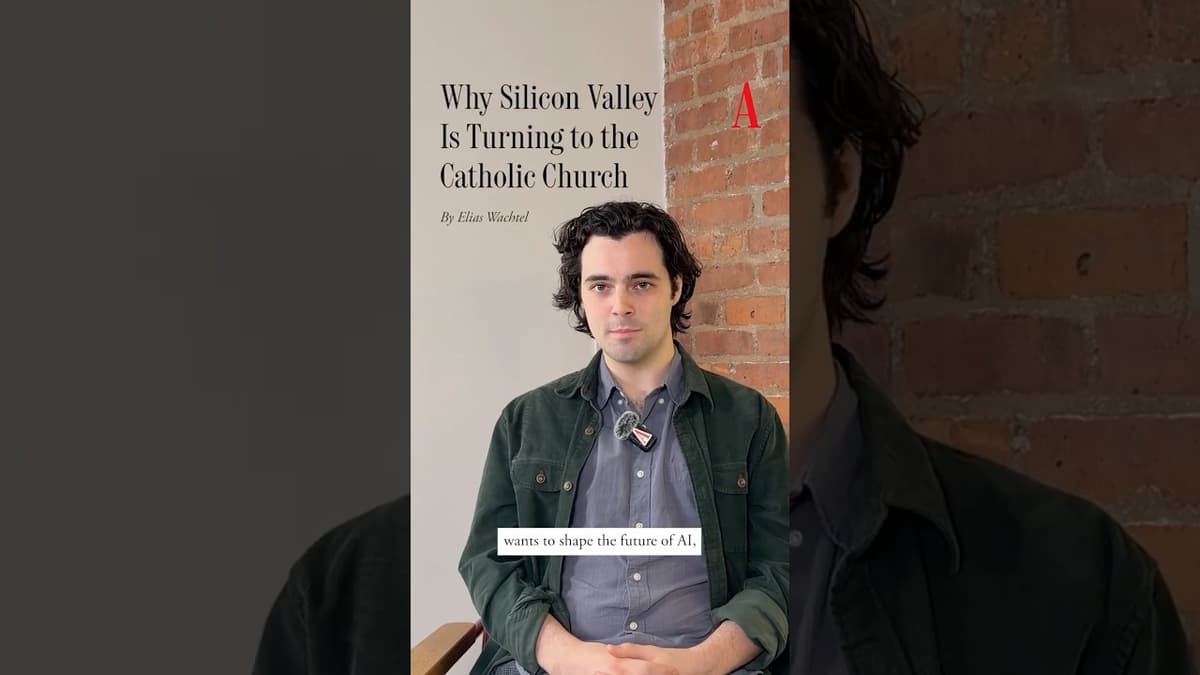
Why Silicon Valley Is Turning to the Catholic Church
The Atlantic’s Elias Wtel reports that the Vatican has been convening the Manurva Dialogues, private meetings that bring together leading technologists and Catholic officials to grapple with the ethical challenges of artificial intelligence. Participants have included Reed Hoffman, Eric Schmidt and Microsoft...

Will AI-Detection Tools Be Able to Keep Up?
The video examines whether AI‑detection tools can keep pace with the rapid rise of AI‑generated writing. As large language models become ubiquitous, distinguishing human prose from machine output grows increasingly difficult, prompting concerns about the reliability of existing detection systems. Speakers...

A Conversation with Ruthie Rogers
River Café co‑founder Ruthie Rogers talks about her new cookbook, the restaurant’s four‑decade journey, and a pandemic‑born podcast that shares a daily recipe and the stories behind it. The conversation highlights how a tiny nine‑table eatery in London grew into...