
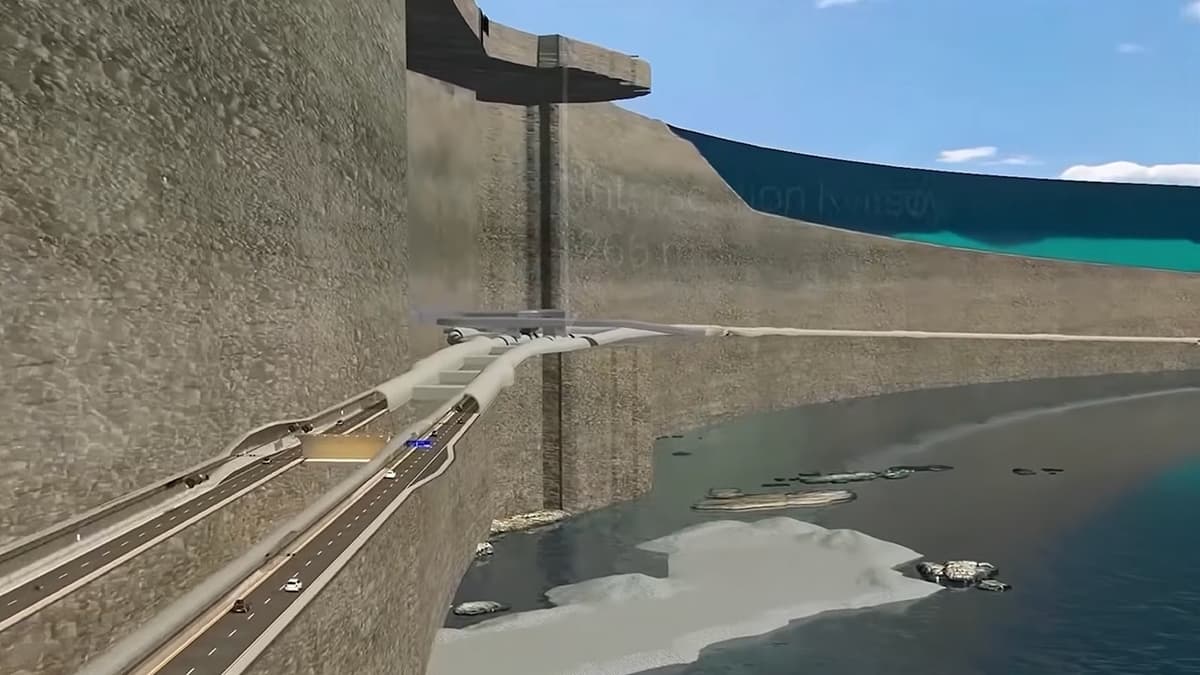
Norway Is Building The World’s Deepest Road Tunnel
The video spotlights Norway’s Rogfast project, a 27‑kilometre twin‑bore road tunnel that will plunge 388 metres beneath the Boknafjord, making it the world’s longest and deepest subsea road tunnel. The tunnel is a critical component of the E39 coastal highway, aiming to eliminate a series of ferries and streamline freight traffic that underpins Norway’s fishing, oil, and gas sectors. Engineers face extreme challenges: the fjord’s depth of up to 700 metres, highly variable rock formations, and fault zones that release thousands of litres of pressurised water per minute. To cope, Norway relies on its proprietary Norwegian Tunneling Method, employing a massive drill‑jumbo and precision grouting rather than a tunnel‑boring machine, allowing rapid adaptation to shifting geology. On‑site footage shows the drill‑jumbo’s four robotic arms, laser‑guided total stations, and a high‑pressure micro‑cement grouting system that can seal a 15‑metre rock face against 33‑bar water pressure. A vivid comparison places the tunnel’s ceiling just 390 metres below sea level—enough space to fit the Empire State Building between a worker’s helmet and the water’s surface. If completed, Rogfast will cut travel time dramatically, boost logistics efficiency, and set a new benchmark for subsea infrastructure. The project also illustrates how AI‑driven platforms like Procore are being integrated to manage the massive coordination required, signaling a shift toward smarter, data‑rich construction practices worldwide.
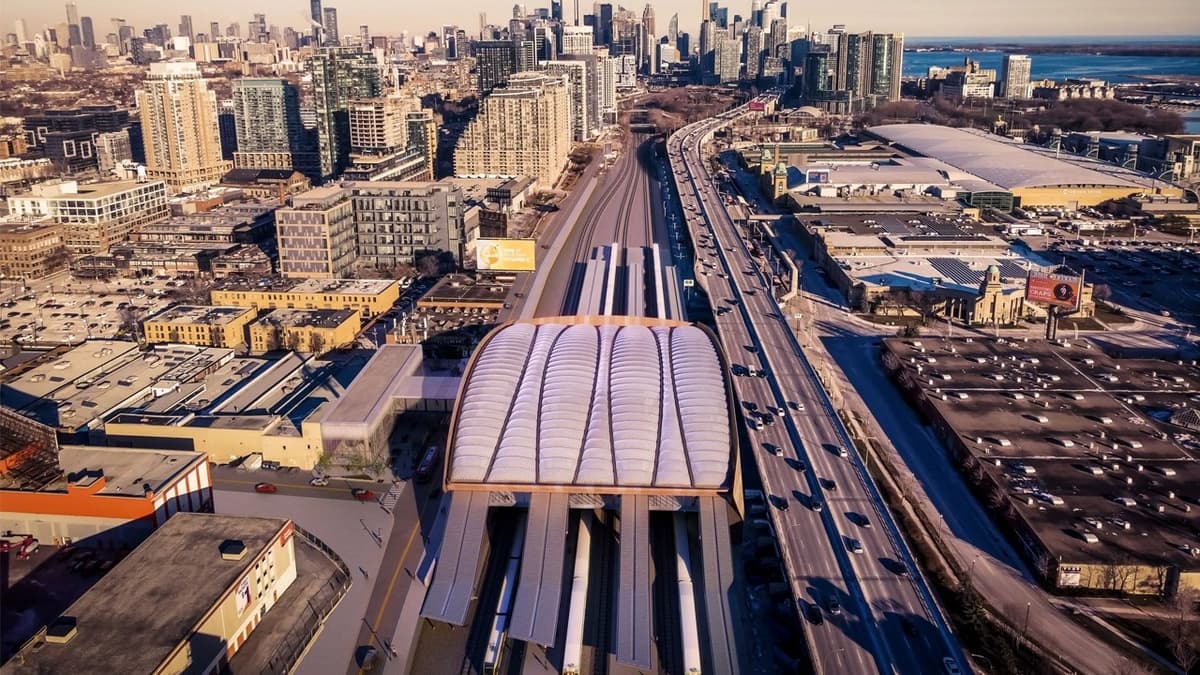
Is Canada Set to Fail on Yet Another Rail Project?
The video examines Toronto’s Ontario Line, a 15.6‑km subway‑light‑rail corridor slated to cut through the city’s congested core. With the metropolis projected to grow from six to ten million residents by 2050, officials argue the line is essential to modernise...
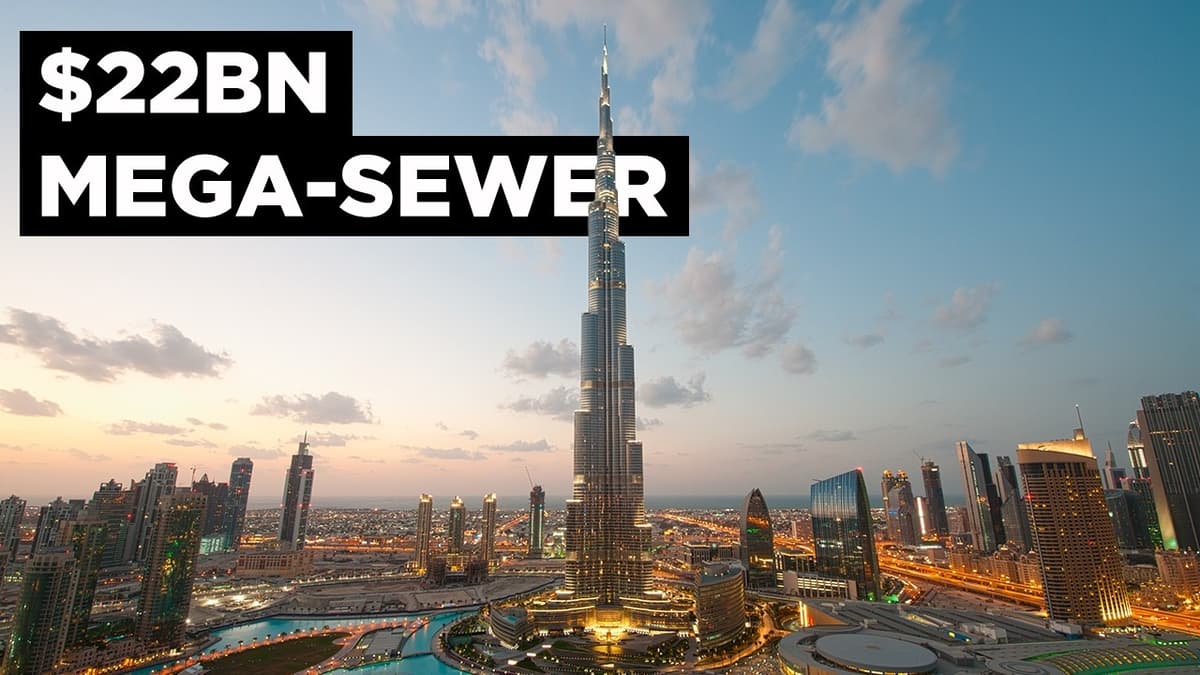
Dubai Has a Sewage Problem
The video spotlights Dubai’s escalating sewage crisis and the launch of a $21.8 billion Strategic Sewerage Tunnel program designed to overhaul the emirate’s aging waste‑water infrastructure. After rapid growth fueled by iconic megaprojects such as the Burj Khalifa and Palm Jumeirah,...
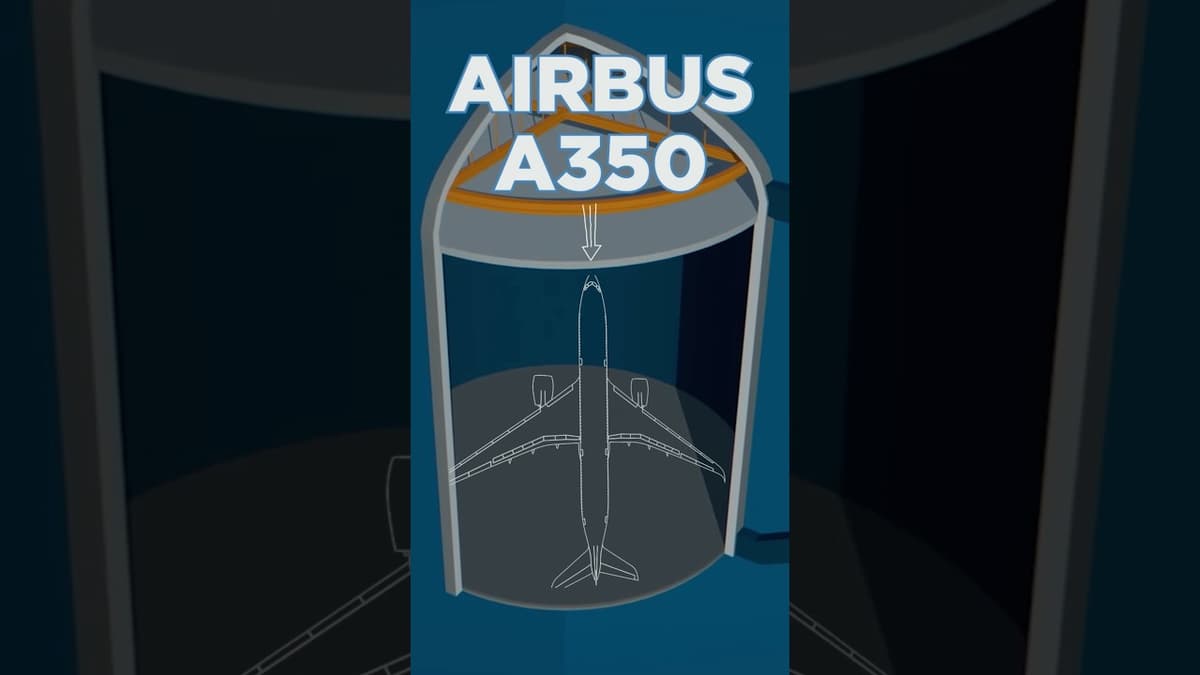
Why Japan Is HOLLOWING Out a Mountain
Japan is hollowing out a granite mountain to house one of the world’s largest underground water tanks, designed as a neutrino observatory. The cavern will hold a volume of ultra‑pure water big enough to accommodate an Airbus A350, providing a...

Why the Jeddah Tower Won’t Be as Tall as You Think
The video examines why the Jeddah Tower, originally touted as a one‑kilometre‑plus megastructure, will likely fall short of that ambition. It frames the discussion around how “tallest building” claims are manipulated through measurement rules rather than pure structural height. It explains...
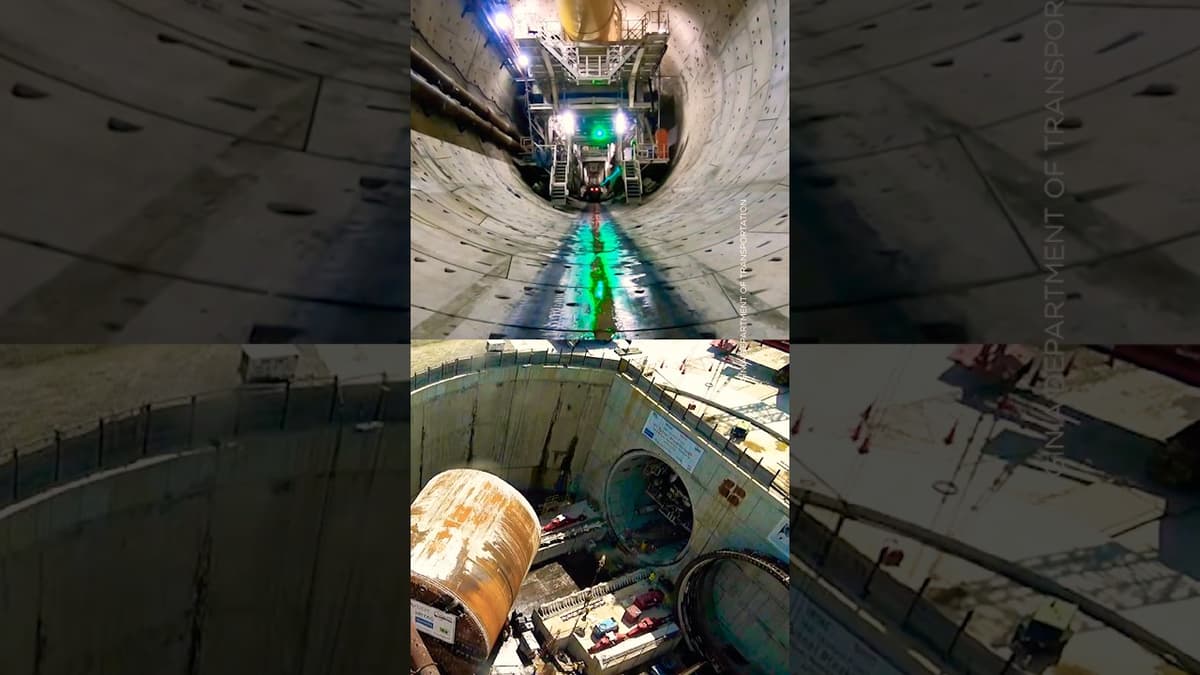
America's $4BN BRIDGE-TUNNEL Explained
The video explains the $4 billion Norfolk, Virginia bridge‑tunnel project, a unique hybrid structure that lifts into a tunnel to let the world’s largest naval vessels pass overhead. Built in the 1950s to serve the nearby naval base, the original span...

Chernobyl DRONE STRIKE – Fred Mills on Sky News
The video focuses on the Russian drone attack that struck the New Safe Confinement (NSC) covering Chernobyl’s Reactor 4, a €2 billion, 110‑meter‑tall structure designed to contain the site’s lingering radiation. Fred Mills explains how the NSC, built on massive wheels and...
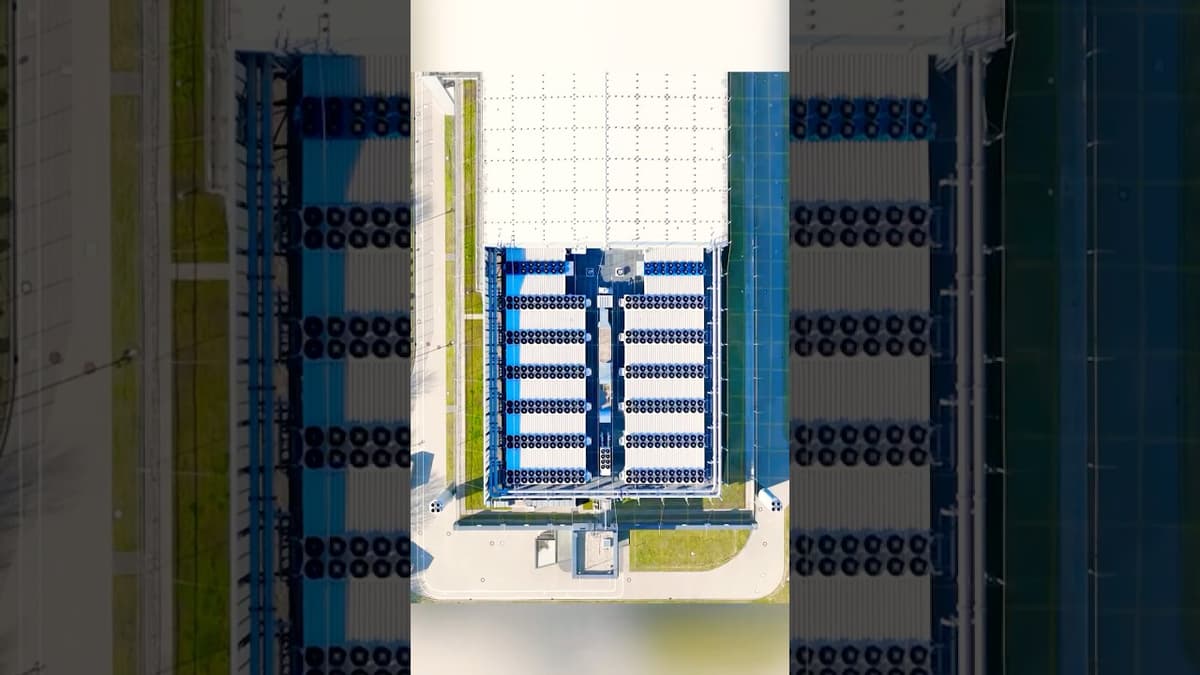
What's Causing The World’s BIGGEST Construction Boom?
Data centers are at the heart of the world’s fastest construction surge, eclipsing traditional skyscraper and housing projects. With more than 11,000 facilities globally and a third located in the United States, the sector is expanding to meet the digital...
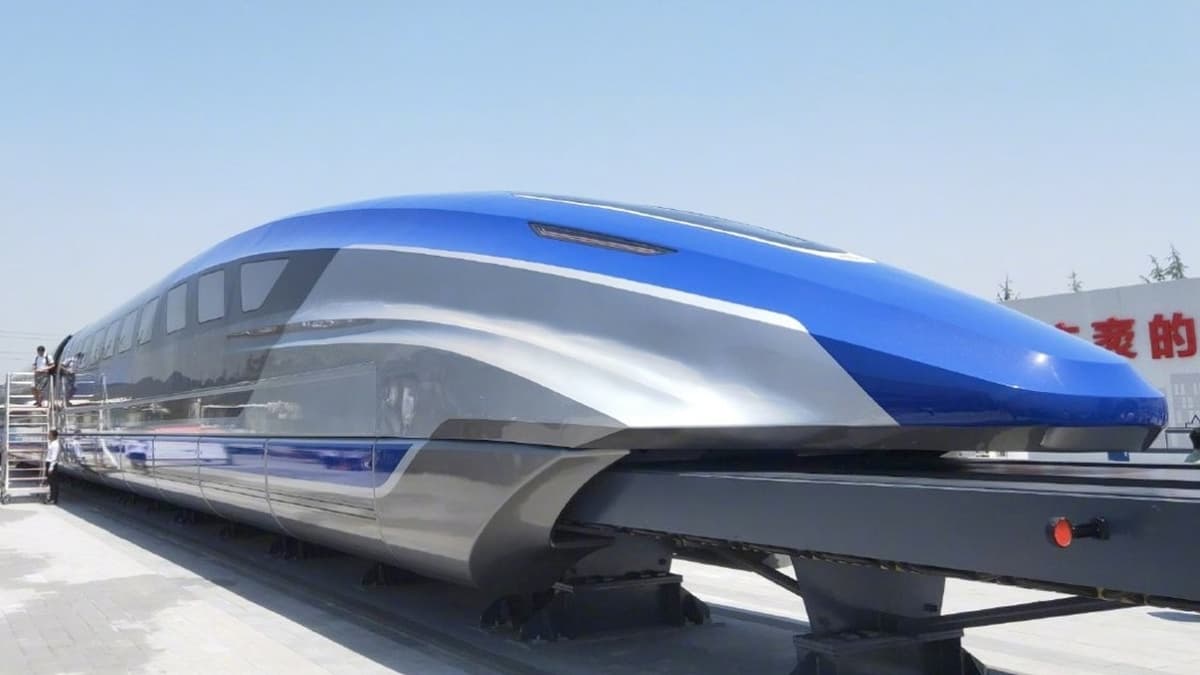
Why Maglev Is (Basically) Impossible
The video asks whether magnetic‑levitation trains are truly viable, using China’s recent 700 kph maglev sprint as a springboard. While the test showcases astonishing acceleration, the presenter argues that the technology still faces fundamental engineering and economic hurdles. Key points include the...

LA's $7BN Olympic Gamble
The video examines Los Angeles’ ambitious plan to host the 2028 Summer Olympics on a $7 billion budget, emphasizing a “no‑car” strategy and a pledge to build zero new competition venues. By repurposing iconic sites such as the Intuit Dome, Dodger Stadium,...

Vietnam’s $67BN Gamble on High-Speed Rail
Vietnam is committing $67 billion—about 17 percent of its annual GDP—to build a 1,541‑kilometre high‑speed railway linking Hanoi and Ho Chi Minh City. The line promises to slash travel time from over thirty hours to roughly six, positioning the rail as a catalyst for...

The Time America Tried to Build a Bullet Train
The video recounts America’s 1960s ambition to match Japan’s Shinkansen, detailing President Lyndon B. Johnson’s High‑Speed Ground Transportation Act and Senator Claiborne Pell’s Northeast Corridor plan as the political spark for a domestic bullet‑train program. Initial experiments, from the 1950s New...
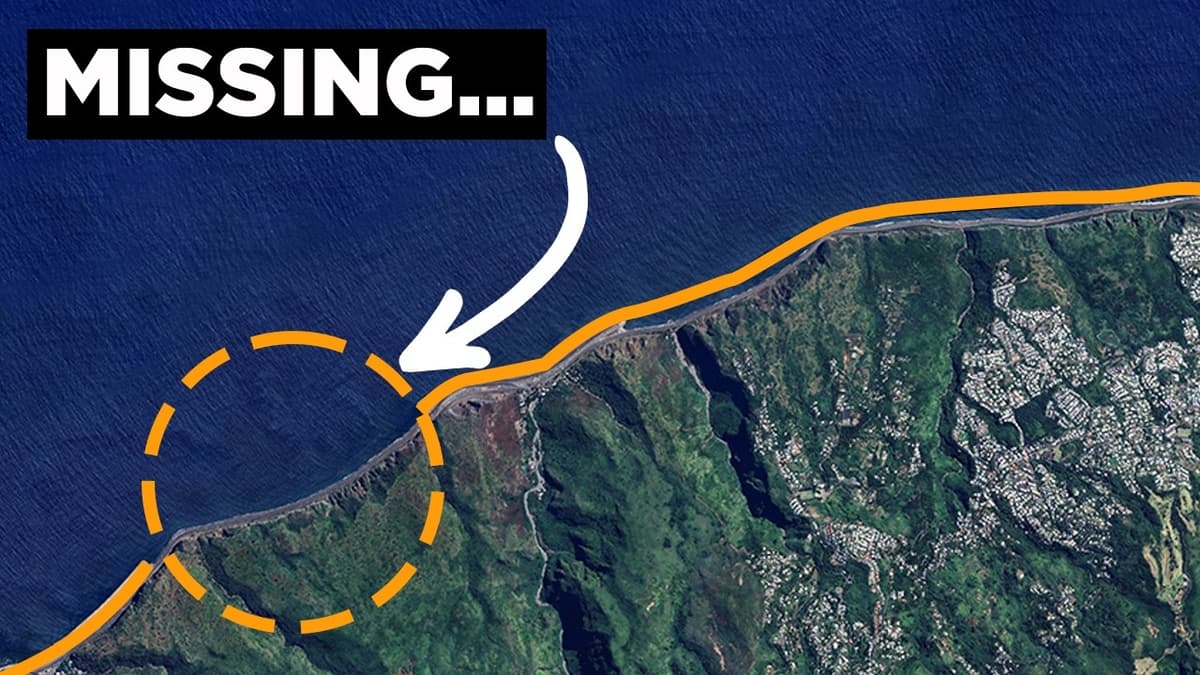
How the World’s Most Remote Megaproject Went Wrong
The video examines the New Coastal Road on Réunion, a French overseas department in the Indian Ocean, and how the island’s most ambitious megaproject has stalled. The original 1959 cliff‑side route, used by 80,000 vehicles daily, was prone to landslides...

Switzerland’s $2BN Tunnel U-Turn
Switzerland is constructing a second Gotthard road tunnel to replace the aging 1980s tube and allow a full renovation of the original without halting the vital A2 corridor. The $2 billion project, slated for completion by 2030, runs parallel to the...

Why Germany’s Infrastructure Is Crumbling
The video examines Germany’s deteriorating transport backbone, highlighted by the September 2024 collapse of Dresden’s Corolla Bridge and a March 2025 Berlin ring‑road failure, and introduces a newly announced €500 billion infrastructure package aimed at reversing the decline. Experts cite tens of...