
Why Does Xbox Need to Make a Brutal Reset?
The Game Business Show episode recapped Summer Game Fest, highlighted audience metrics, and introduced Lucy James' new indie‑focused newsletter, Looking for Game. Data shows viewership rose 20% for Summer Game Fest, Sony’s State of Play up 38%, Nintendo’s direct was the biggest ever, while Xbox’s numbers stayed flat despite major franchise announcements. Level Up tracked 168 game announcements, 56,900 press articles (+15.2%), 45,800 social posts (+5.3%), and a 57% jump in social interactions versus 2025. James explained Looking for Game delivers weekly indie recommendations, demo keys, and a Discord community, filling the discovery gap she saw at GameSpot. She warned developers not to embargo Next Fest titles, noting the spreadsheet of roughly 4,800 games makes early promotion essential. The stagnant Xbox metrics suggest a strategic reset may be needed to recapture audience attention, while curated indie channels like James’s newsletter could reshape discovery and drive sales for smaller developers in an increasingly crowded market.
Housemarque Looks to FromSoftware for Inspiration #saros #playstation
Housemarque, the Finnish studio behind titles like Returnal, used a recent internal video to outline its ten‑year roadmap, citing FromSoftware as a creative benchmark. Executives said the plan centers on releasing a steady stream of new IPs, preserving the studio’s “cool‑game”...
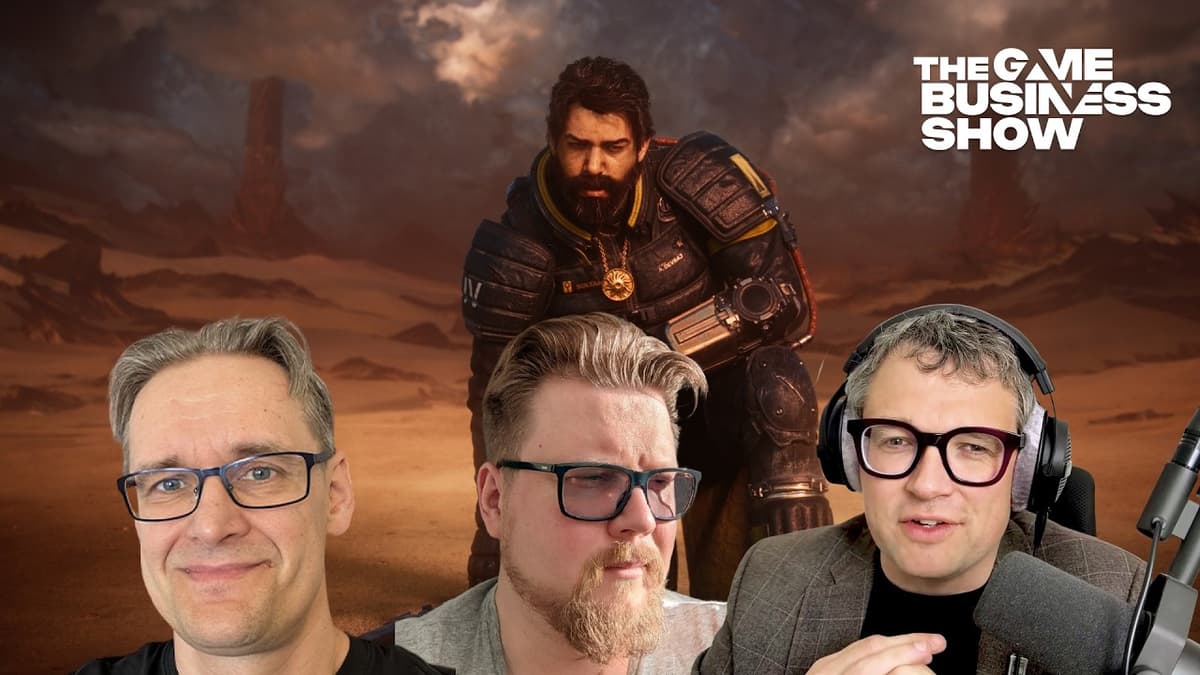
Can PlayStation’s Housemarque Repeat the FromSoftware Story?
The Game Business Show sat down with Housemarque CEO Muel Havari to discuss the studio’s latest title, SOS, and its new status as a Sony first‑party developer. After three decades of niche successes like Super Stardust and Returnal, the Finnish...
Is Xbox Fixable? #xbox
In a candid interview, the newly appointed head of Xbox addresses the perennial question posed by co‑founder Asha—“Is it fixable?” She clarifies that the inquiry isn’t merely about profit margins but the very health of the Xbox platform and its...
Why Xbox Isn't Releasing Certain Games on PS5 Anymore #xbox
The video explains why Microsoft is pulling back on releasing certain titles for the PlayStation 5, emphasizing a strategic pivot toward Xbox‑exclusive games. By limiting cross‑platform launches, Xbox hopes to justify its premium hardware price and give consumers a clear reason...
Xbox Says the Shortage of RAM Is a Crisis for Video Games #xbox
In a recent interview, Xbox senior executive warned that a global shortage of dynamic‑random‑access memory (DRAM) has become a “crisis” for the video‑game ecosystem, pushing up the retail price of the PlayStation 5, Steam Deck and the rumored Switch 2. The exec said the...
Isn't the Game Console Dying? #xbox
In a recent remarks, Xbox leadership addressed rumors that the console sector is dying, emphasizing that while mobile dominates player counts and PC leads in playtime, consoles still generate substantial revenue. The speaker highlighted that the console market produces roughly $40‑45 billion...
Platinum Games: "I Don't Want to Be a Soulless Value Extractor"
The video features a Platinum Games executive explaining the studio’s creative ethos, emphasizing that their projects are driven by genuine fandom rather than pure monetization. Instead of a typical bombastic action pitch, the team presented a concept centered on the “seasons...
The New Paramount Games: 'We Are Not Looking to Chase GTA'
At Summer Game Fest, Paramount announced the formation of Paramount Games, a dedicated publishing division that consolidates its internal studios, licensing assets and new development partnerships. The launch is accompanied by two flagship projects – a reimagined Teenage Mutant Ninja...
Call of Duty: Modern Warfare 4 Is Likely to Suffer the Most Against GTA 6
The video examines recent player‑activity data from GTA V and projects how the upcoming GTA 6 launch could impact competing live‑service shooters, especially Call of Duty: Modern Warfare 4. Rockstar’s “Safehouse in the Hills” update at the end of last year drove a noticeable...
Kingdom Come: Deliverance 2 Production Costs Were because It Was Made in the Czech Republic
The conversation centers on Kingdom Come: Deliverance 2’s production economics, highlighting its impressive financial performance and the strategic choice to develop the sequel in the Czech Republic. The game reportedly generated more than three times its initial investment within a year, a...

Call of Duty ‘at Risk’ From GTA 6, EA Set for World Cup Boost, and Switch 2 Hits UK Milestone
The Game Business Show previewed Summer Game Fest 2026, highlighting major announcements such as Call of Duty Modern Warfare 4, the looming release of Grand Theft Auto 6, EA’s World Cup licensing push, and Nintendo’s Switch 2 hitting a UK sales milestone. Ampair data shows Call...
Embracer 'Humbled' After High Profile Failures
Embracer’s new leadership has openly acknowledged that the company’s recent string of high‑profile missteps has been a “humbling” experience, according to remarks made at the 2024 AGM. The CEO explained that the firm chose a measured, phased restructuring—avoiding the “American‑style” one‑off...
Embracer CEO: I Hope Trust in Us Is Improving
Embracer Group announced a major restructuring that will culminate in a 2027 spin‑off called Fellowship Entertainment. The new entity will house flagship studios such as Middle‑Earth, Crystal Dynamics, 4A Games and Warhorse, consolidating core IP like Tomb Raider, Lord of...
Take-Two on GTA 6 Review Scores, PS5 Price Hike, 2K Missteps and More
The episode opens with Take‑Two’s FY2026 results, showing a 19% rise in net revenue and bookings, largely powered by its mobile portfolio and the looming GTA 6 launch. The company projects another 20% growth for FY2027, underscoring the franchise’s outsized impact...