

NASA Gets HUGE Overhaul, Here's Everything You Need to Know About the "Ignition" Event.
NASA’s "Ignition" event laid out the most sweeping revision of the agency’s roadmap in years, bundling new human‑spaceflight milestones with a suite of robotic and commercial initiatives. The centerpiece is an accelerated Artemis schedule that will push astronauts back to the Moon while temporarily shelving the Gateway lunar orbiting station to simplify logistics and cut costs. The agency also announced an ambitious commercial push: more than 20 lunar landers and drone‑like rovers are slated for development within the next two years, and a new modular addition to the International Space Station is intended to evolve into a hybrid public‑private outpost once detached. On the science side, NASA plans modest instruments on those landers and on a dedicated communications satellite for Mars, but the emphasis remains on technology validation rather than deep‑science payloads. A flagship Mars venture, the SR1 Freedom mission, will launch in roughly two years, deploying aerial drones to map subsurface water ice and scout future landing zones. “...we’re going to need more support than…,” a senior NASA official warned, underscoring the financial and partnership challenges of such a rapid expansion. The commercial lunar lander strategy reflects confidence in private‑sector agility, yet recent setbacks in private ISS replacement projects raise questions about demand and sustainability. If successful, the overhaul could compress the timeline for a sustainable lunar presence, catalyze a new era of commercial space infrastructure, and provide critical reconnaissance for future Mars exploration. However, the limited scientific payloads suggest that near‑term discoveries may be modest, with the primary value lying in proving new capabilities and fostering industry partnerships.

The Astronaut Health Experiments of Artemis II - Planetary Radio
The Planetary Radio episode spotlights Artemis II as the first crewed deep‑space flight since Apollo, emphasizing its suite of human‑health experiments. NASA’s Human Research Program (HRP) will fly instruments to measure radiation, cardiovascular function, isolation stress, micro‑gravity adaptation, and cabin environment,...

Book Club Edition: The Giant Leap: Why Space Is the Next Frontier in the Evolution of Life
The Planetary Society’s book‑club episode spotlights Caleb Sharf’s recently released The Giant Leap, arguing that humanity’s spread beyond Earth will be the next major evolutionary transition. Sharf frames space colonization not as a luxury but as an inevitable “dispersal” that...

The Astronauts Will Be RESEARCH SUBJECTS?! The Biology Experiments on Artemis II
The Artemis II flight, NASA’s first crewed test around the Moon, doubles as a living laboratory. Beyond piloting Orion, the four astronauts become research subjects, carrying a suite of biomedical and environmental experiments designed to reveal how deep‑space conditions affect human...

The 18th European Space Conference: Dreaming of European Boots on the Moon
The 18th European Space Conference in Brussels served as a barometer for Europe’s ambitions in the new lunar race. Delegates celebrated a historic €22.3 billion pledge to the European Space Agency, the largest ever matching of ESA’s budget, and used the...
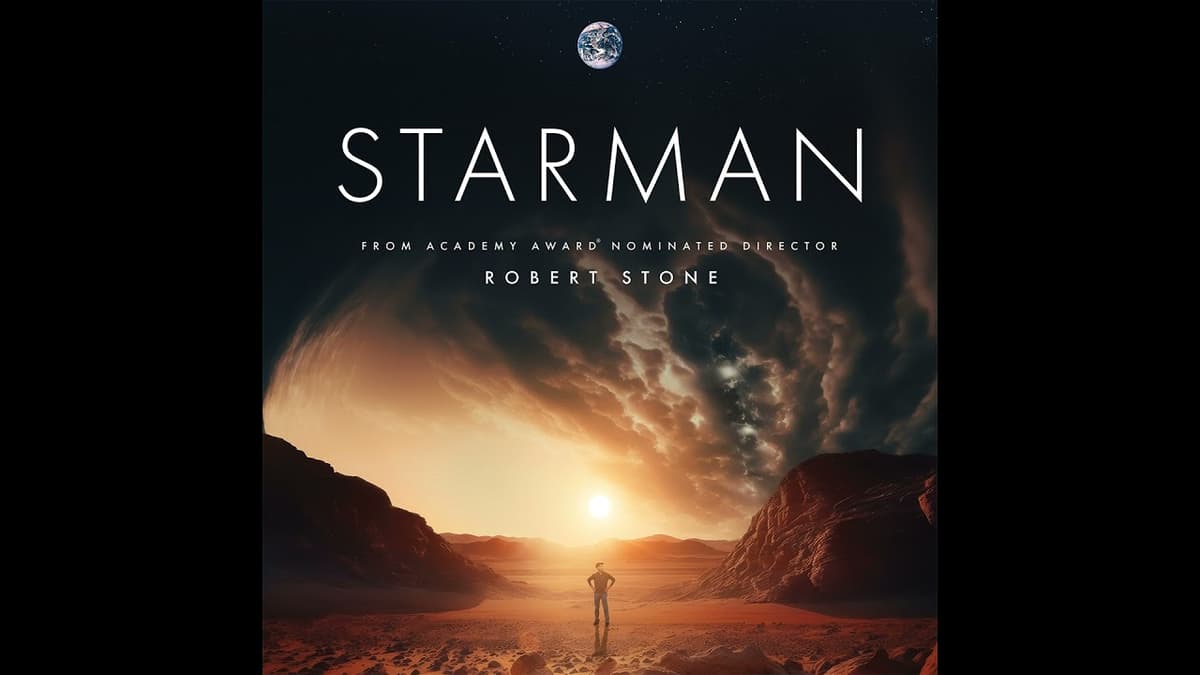
Starman: Looking Back on a Life Exploring the Solar System - Planetary Radio
The Planetary Radio episode spotlights the new documentary “Starman,” which chronicles Gentry Lee’s five‑decade career at NASA’s Jet Propulsion Laboratory. From his early work on Viking – the first attempt to land on Mars and search for life –...

Space Policy Edition: Is There Really a Space Race Between the US and China? - Planetary Radio
The latest episode of Planetary Radio’s Space Policy Edition asks whether a genuine space race exists between the United States and China. Host Casey Drier interviews former NASA adviser Dr. Patrick Bisha, who outlines how U.S. policymakers have increasingly framed...
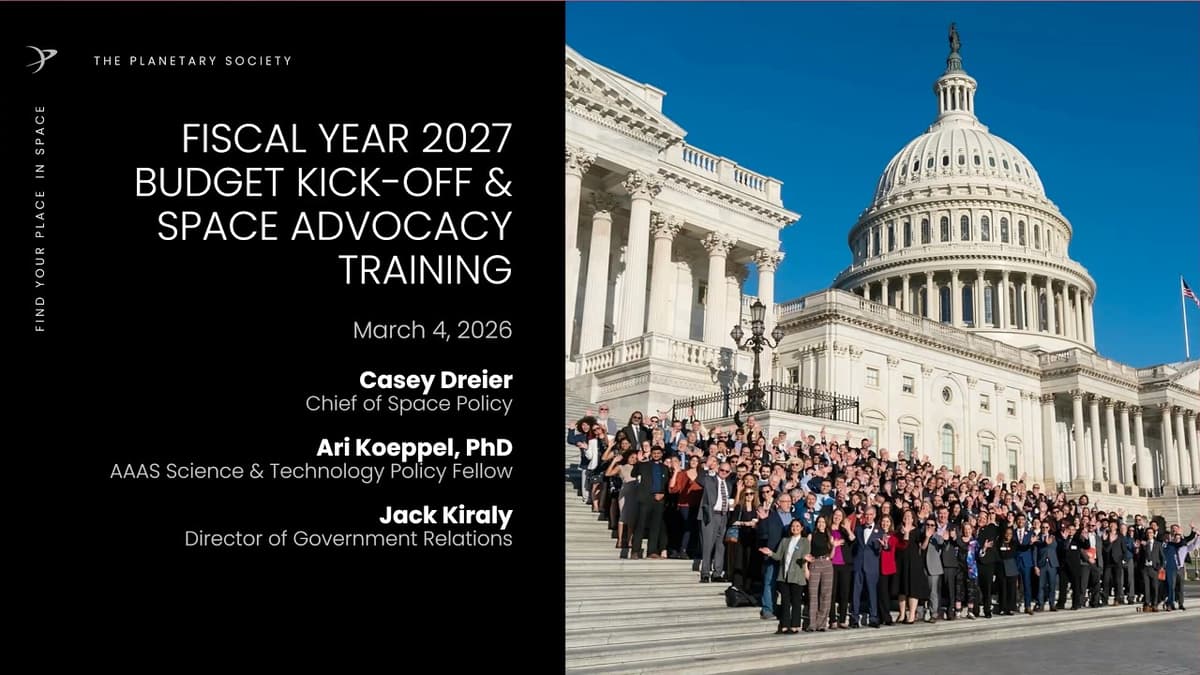
Webinar: Getting Ready for the FY 2027 NASA Budget
Speakers from The Planetary Society held a webinar outlining the FY2027 NASA appropriations process, noting Congress’s recent bipartisan support, a confirmed administrator and the largest NASA budget in decades but ongoing pressure to ensure appropriated funds are actually apportioned and...
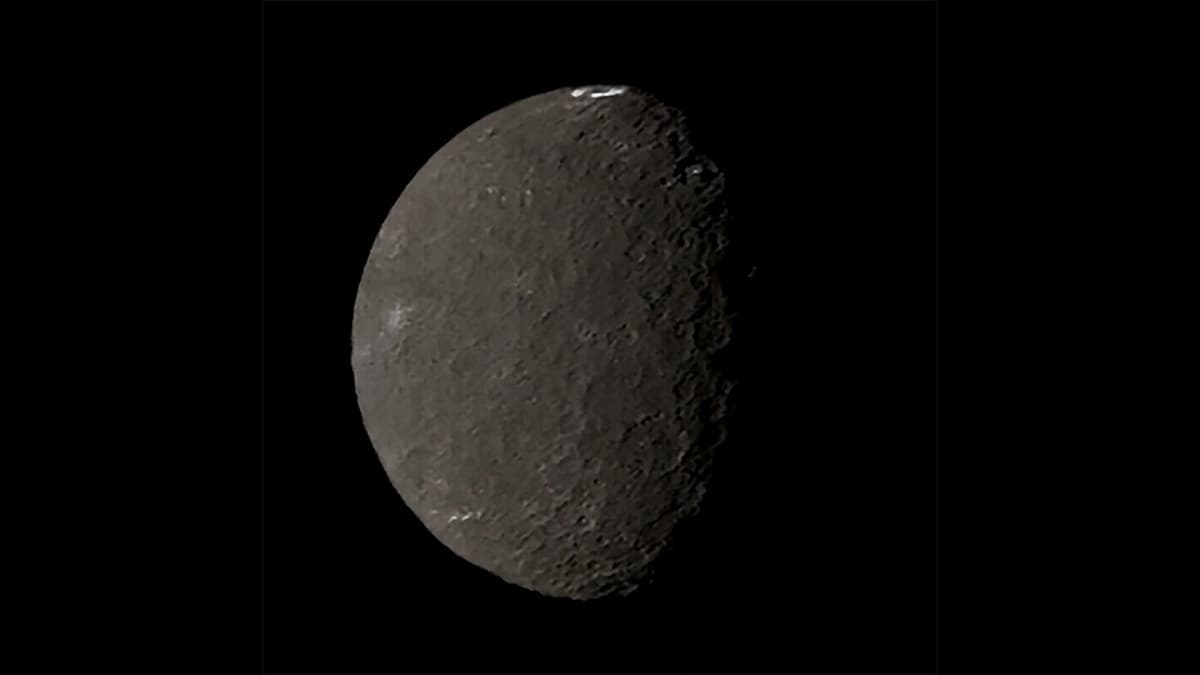
Did an Impact Trigger Cryovolcanism on Umbriel? - Planetary Radio
The Planetary Radio episode examines whether a single impact could have briefly awakened cryovolcanic activity on Uranus’s moon Umbriel. The discussion centers on the 131‑km‑wide Wanda crater, whose unusually bright interior ring stands out against the moon’s otherwise charcoal‑black...
Book Club Edition: Planetary Society Chief Scientist Bruce Betts’ Latest for Kids - Planetary Radio
Planetary Radio’s Book Club Edition spotlights Bruce Betts’ final two titles in a 15‑book children’s space series, marking the culmination of a partnership between the Planetary Society and Lerner Books to bring scientifically accurate, engaging content to young readers. The...
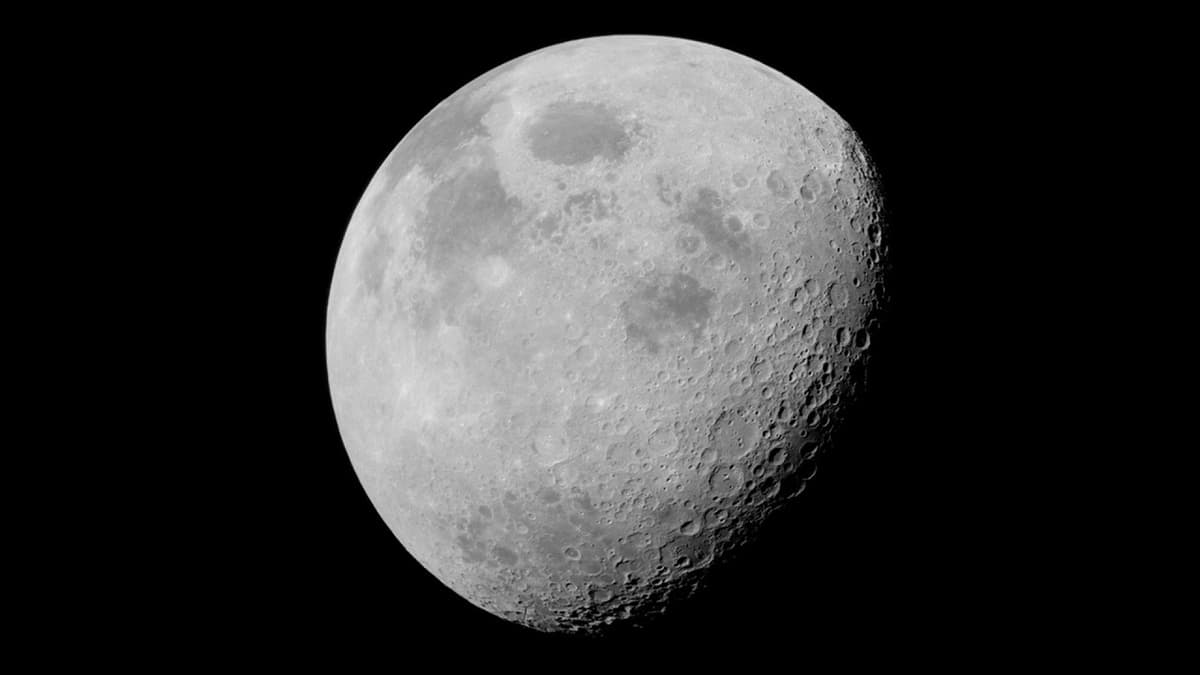
Where Did Earth’s Water Come From? Clues Hidden in Apollo Moon Dust - Planetary Radio
The Planetary Radio episode dives into new research that uses Apollo‑era lunar dust to address the age‑old question of where Earth’s water came from. Guest Dr. Tony Gargano, a post‑doctoral fellow at the Lunar and Planetary Institute, explains how his...
Space Policy Edition: What a NASA Authorization Bill Actually Does
The episode of Planetary Radio’s Space Policy Edition breaks down the recently enacted NASA Authorization and appropriations bill that fully funds NASA’s science portfolio for FY2025, after a frantic three‑week legislative sprint. The authors detail how the House and Senate voted...