

Book Club Edition: “To Be Taught, If Fortunate” With Becky Chambers - Planetary Radio
Planetary Radio’s Book Club Edition featured a conversation with Hugo‑award‑winning author Becky Chambers about her 2019 novella “To Be Taught, If Fortunate,” a story inspired by the Voyager Golden Record’s greeting to any future listeners. Chambers, whose family includes an aerospace engineer and an astrobiology educator, frames the tale as a love letter to space exploration. The narrative follows Ariadne, a 2081‑born astronaut, and explores the gritty reality of scientific work—its stubbornness, tedium, and occasional breakthroughs—while introducing the speculative technology of “somoforming,” genetic enhancements that let humans survive alien worlds. Key lines such as “We’re scientists. We live and breathe why” and Ariadne’s reflection that “people of science are stubborn beyond the point of sense” illustrate the book’s reverence for the scientific mindset. Chambers also notes her struggle with first‑person narration, ultimately using it as a “message home” that underscores the personal cost of interstellar missions. The discussion underscores how hard‑science fiction can reinforce public enthusiasm for real space programs, offering a narrative bridge between laboratory research and the broader cultural imagination. By grounding speculative concepts in plausible biology, Chambers’ novella may inspire both readers and policymakers to support long‑term exploration initiatives.
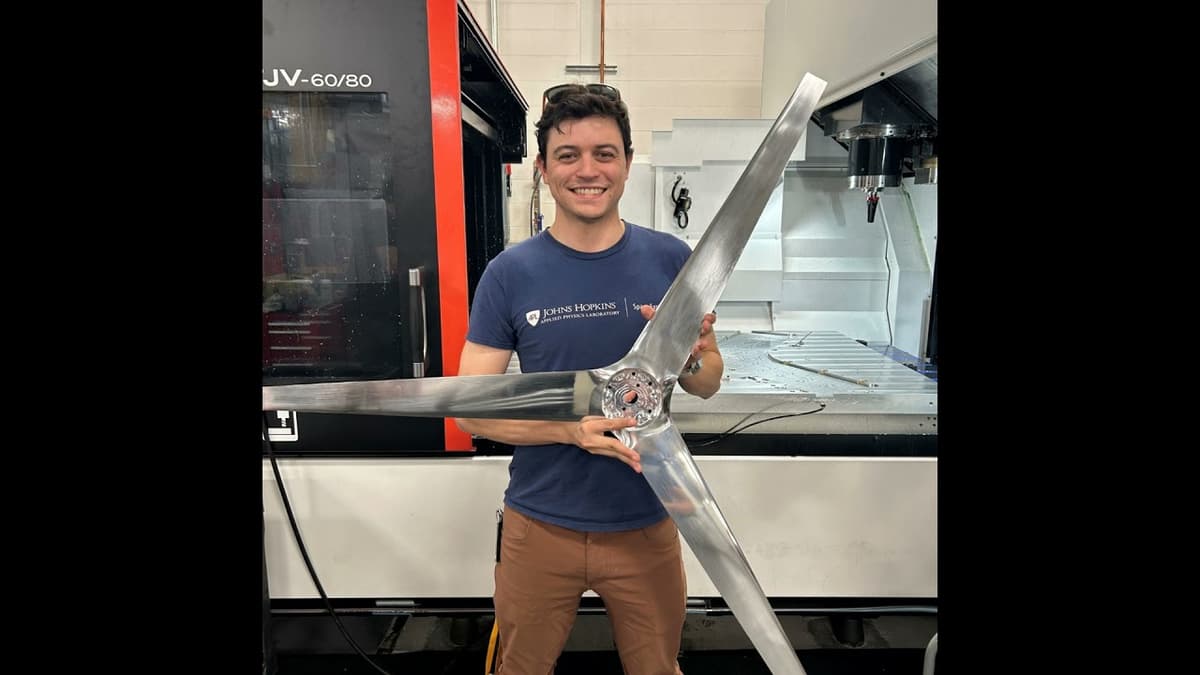
Flying on Titan: The Engineering of Dragonfly
NASA’s Dragonfly mission is a 1‑ton, nuclear‑powered rotorcraft designed to fly across Saturn’s moon Titan, aiming to study its complex organic chemistry and pre‑biotic environment. Titan’s thick, nitrogen‑rich atmosphere and 0.14 g gravity make flight about 40 times easier than on Earth, allowing...
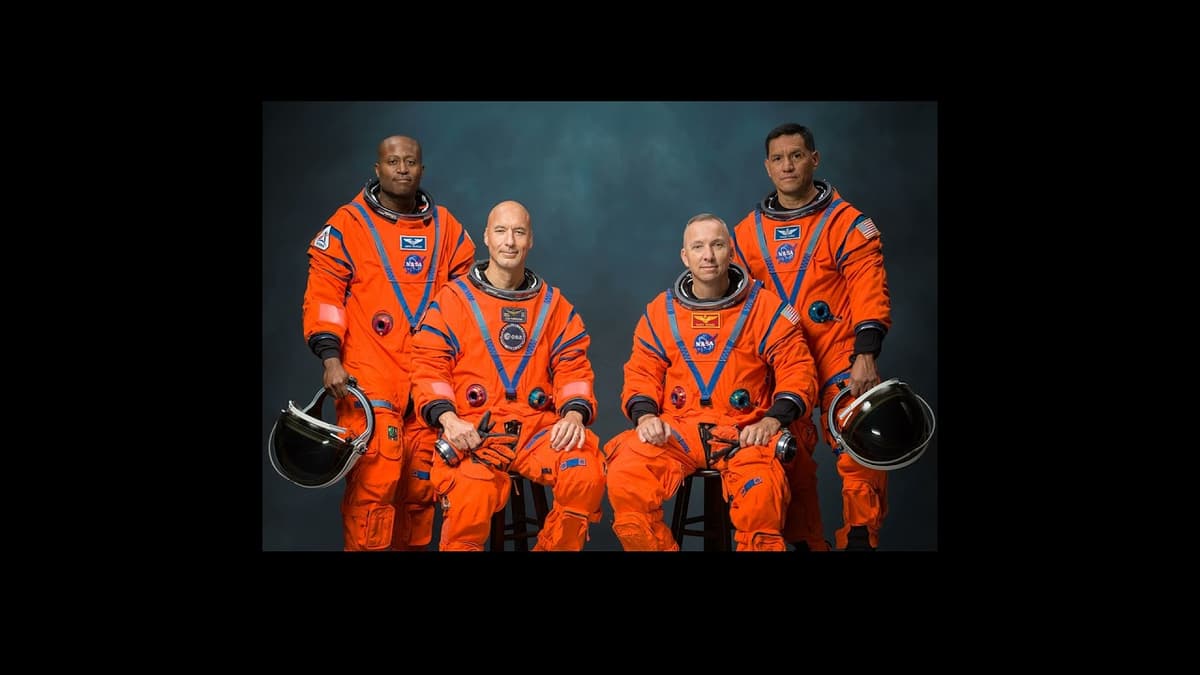
U.S. Space Science in Flux: Grant Rules, Rockets, and Reorganization
The episode spotlights a wave of policy upheaval threatening U.S. space science. It covers the Office of Management and Budget’s 412‑page proposal that would shift grant‑making authority to political appointees, effectively bypassing the peer‑review system that underpins federal research,...
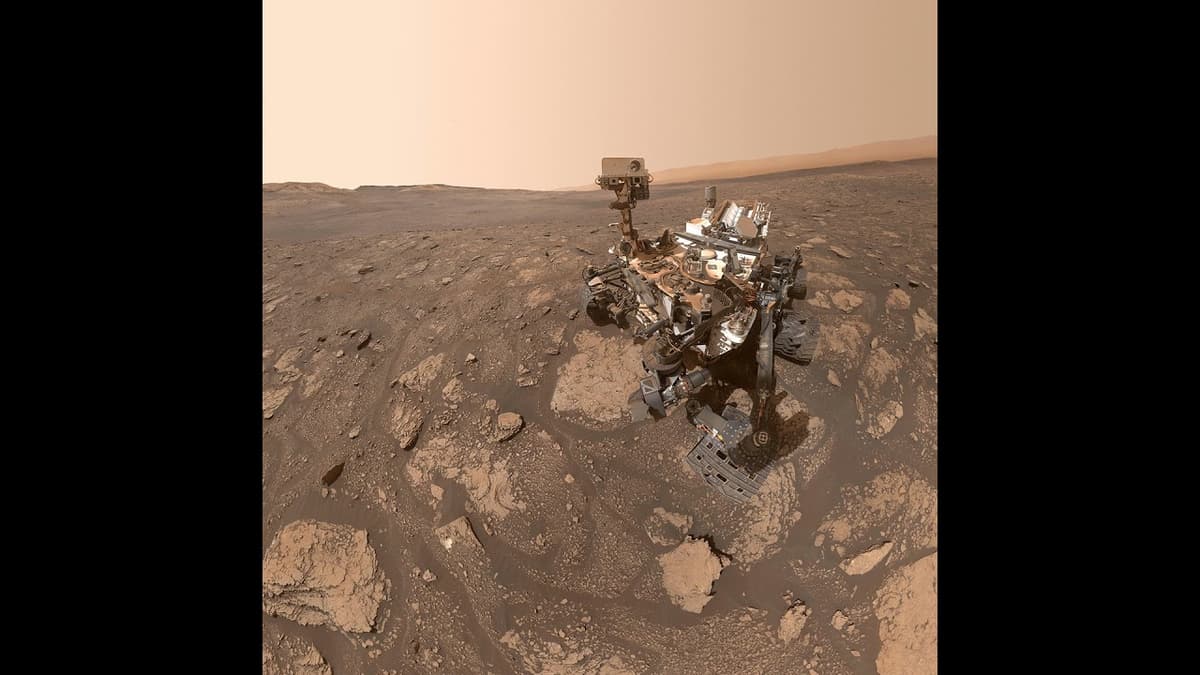
Twenty Organic Molecules Found in an Ancient Martian Rock - Planetary Radio
The Planetary Radio episode spotlights a landmark discovery by NASA’s Curiosity rover: the first SAM tetramethylammonium hydroxide (TMA) experiment on Mars, which identified more than 20 distinct organic molecules in a single rock sample from Gale Crater. The experiment targeted...
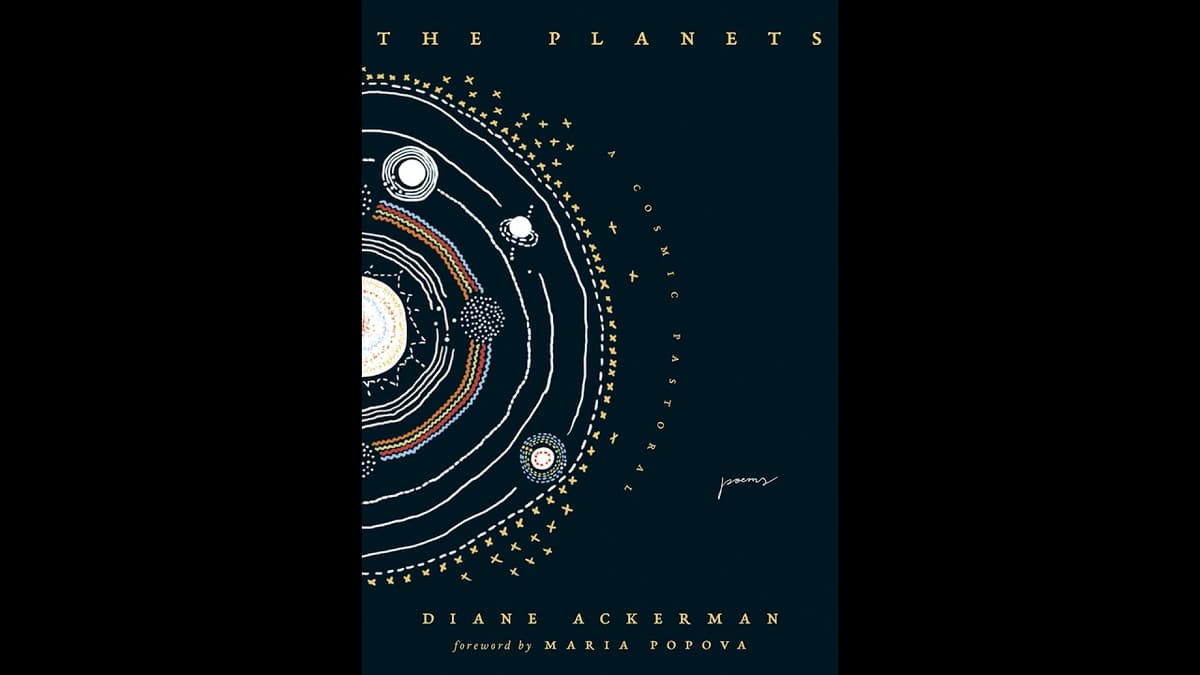
Book Club Edition: Diane Ackerman and “The Planets: A Cosmic Pastoral”
The Planetary Radio Book Club featured poet‑scientist Diane Ackerman discussing the newly reissued edition of her 1976 collection, The Planets: A Cosmic Pastoral. Hosted by Planetary Society senior adviser Matt Kaplan, the conversation highlighted the book’s revival through Maria Popova’s...
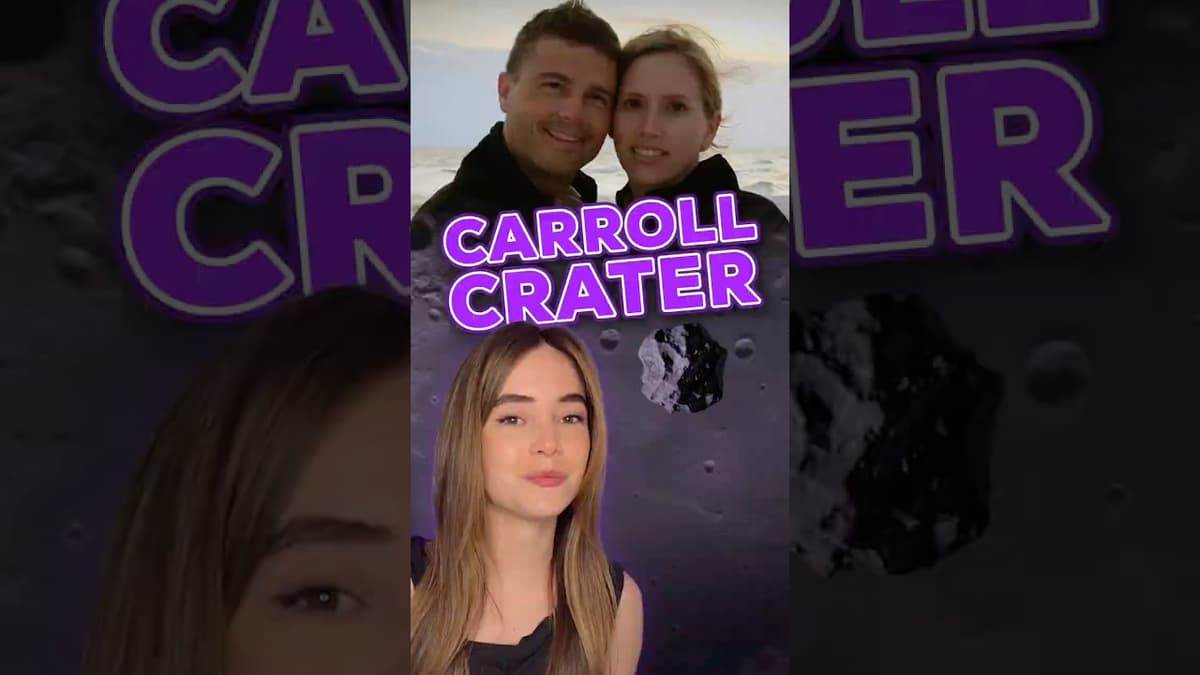
Carroll Crater Explained
The video introduces Carol Crater, a lunar impact feature named by the Artemis 2 crew in memory of Commander Reid Wiseman’s late wife, Carol. The name was chosen to honor her and to give the crater a personal connection to the...
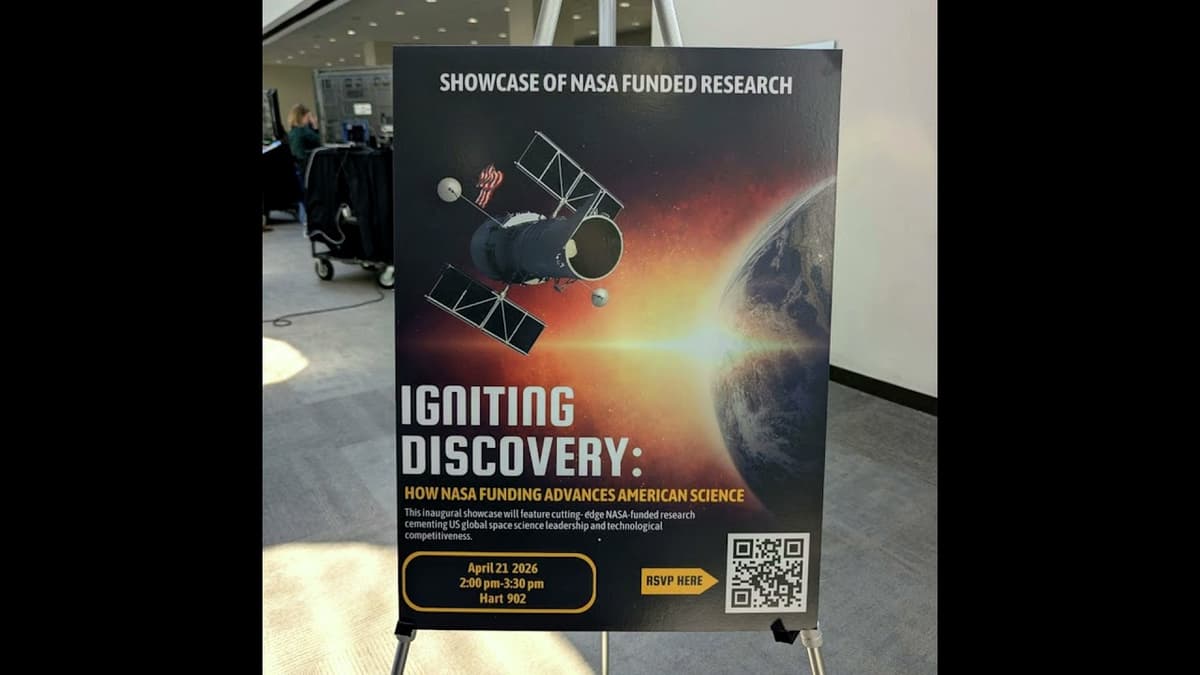
Igniting Discovery: A Showcase of NASA-Funded Research - Planetary Radio
Igniting Discovery was a Capitol Hill showcase organized by the Planetary Society and a coalition of universities and scientific societies to put NASA-funded research on display for congressional staffers the day after the annual Day of Action. The event brought...
Space Policy Edition: Why Humans Matter — The Philosophy of Artemis II - Planetary Radio
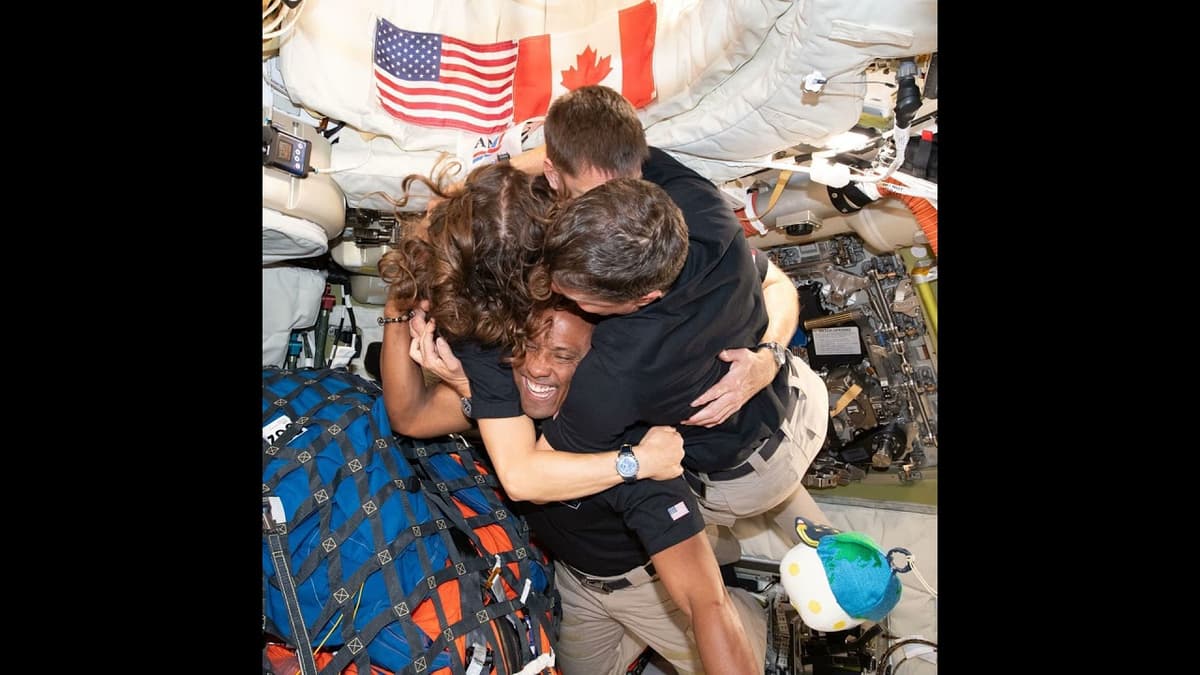
The Planetary Society’s Space Policy Edition examined Artemis II, the first crewed lunar‑orbit flight of a new generation, and asked why this mission feels different from robotic lunar missions. Host Casey Drier described the flawless flight, the astronauts’ camaraderie, and the...
Yuri's Night 2026: Celebrating 65 Years of Human Spaceflight
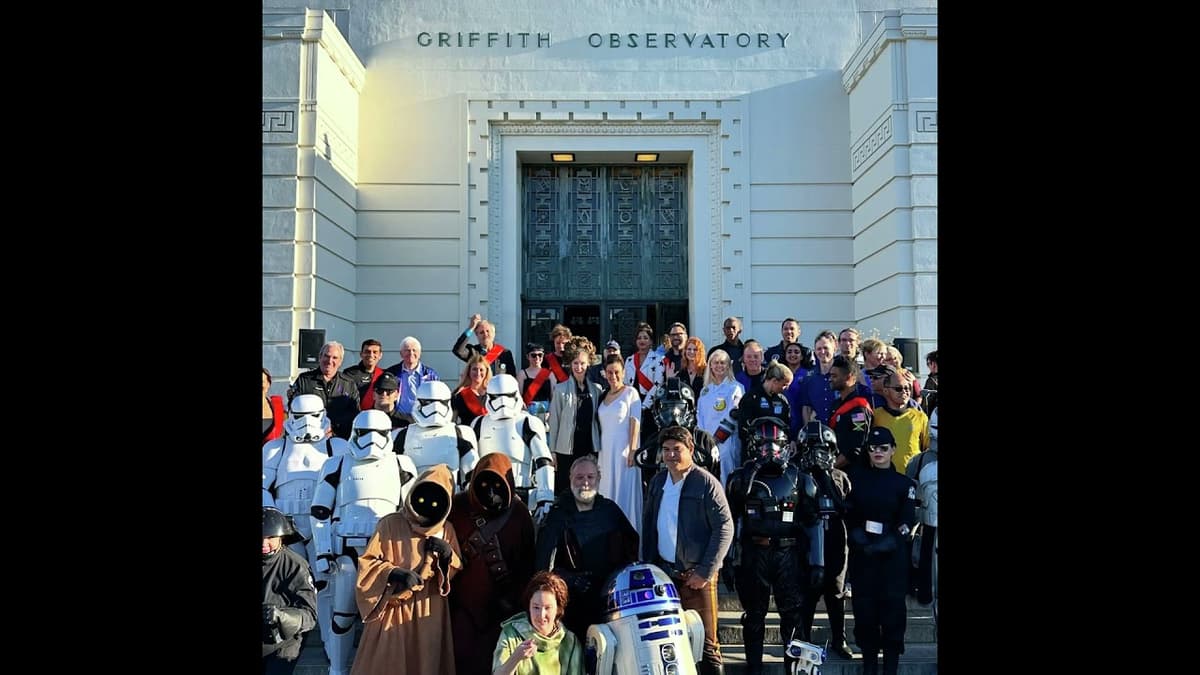
On April 12, 2026, Planetary Radio aired a special episode covering Yuri’s Night at Griffith Observatory, marking the 65th anniversary of Yuri Gagarin’s flight, the 45th anniversary of the Space Shuttle program, the 25th anniversary of Yuri’s Night, and occurring...
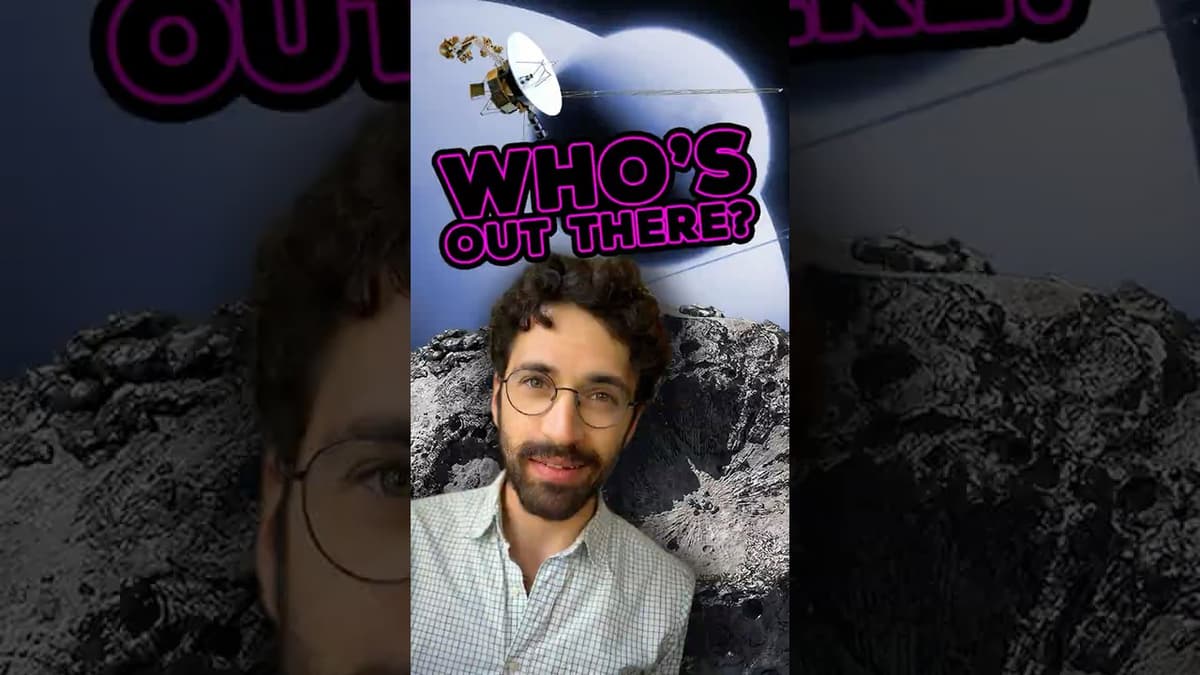
Which Planets Are Currently Being Explored by Spacecraft?
The video outlines the current distribution of active spacecraft across the solar system, emphasizing how few missions remain beyond Mars. It notes that only eight robotic explorers operate beyond the red planet—one orbiting Jupiter, two heading to its icy moons, two...
Project Hail Mary Hits the Big Screen
Project Hail Mary, Andy Weir’s bestselling sci‑fi novel, debuted on the big screen this week with special IMAX screenings at the California Science Center and the Smithsonian’s Air and Space Museum. Planetary Society hosts Sarah Al Ahmed and senior communications...

How Safe Is Artemis II for the Astronauts
The video examines the safety architecture behind NASA’s Artemis II, the first crewed lunar‑orbit mission in over half a century. With astronauts far from the International Space Station’s quick‑return options, NASA had to pre‑plan every contingency, from trajectory design to hardware...

Space Policy Edition: Return to Launch — Cape Canaveral's Unlikely History - Planetary Radio
The episode spotlights Steven C. Smith’s new book *Return to Launch*, a deep dive into the evolution of Kennedy Space Center and Cape Canaveral from Cold‑War missile testing to today’s commercial and SLS era. Smith, a former visitor‑complex communicator, explains...

Artemis II’s AVATAR and a Sungrazing Comet - Planetary Radio
The episode of Planetary Radio focuses on NASA’s Artemis II mission, highlighting the Avatar organ‑chip experiment and the imminent passage of a sungrazing comet. It introduces Lisa Carnell, director of NASA’s Biological and Physical Sciences Division, and astronomer Alan Mori discussing...

Astronaut Steve Bowen Speaks About Life on Artemis II
NASA astronaut Steve Bowen, a veteran of three shuttle flights, a Crew Dragon mission and 14 years in the submarine force, discusses what living aboard Artemis II’s Orion capsule will feel like. He contrasts the cramped conditions of submarines with the...