
Hertha Ayrton Solves the Mystery of the Electric Arc #history #science #physics
The video recounts how British physicist and engineer Hertha Ayrton demystified the characteristic hissing of the electric arc, a phenomenon that had puzzled scientists for roughly a hundred years. Ayrton demonstrated that the sound originates from a chemical reaction between atmospheric oxygen and the carbon electrodes, which ionizes the gap and produces audible turbulence. Her systematic experiments, published in the early 1900s, provided quantitative data on voltage, current, and gas composition that resolved the longstanding debate. Her achievement earned admiration from leading figures such as John Ambrose Fleming, the first professor of electrical engineering, and prompted a heartfelt letter from her husband, William Edward Ayrton, who called her “a genius.” The discussion among the Institution of Electrical Engineers highlighted the respect she commanded in a male‑dominated field. The discovery accelerated the development of more reliable arc lamps and laid groundwork for modern welding and plasma technologies, while also illustrating the critical role of interdisciplinary research and the breaking of gender barriers in early 20th‑century science.
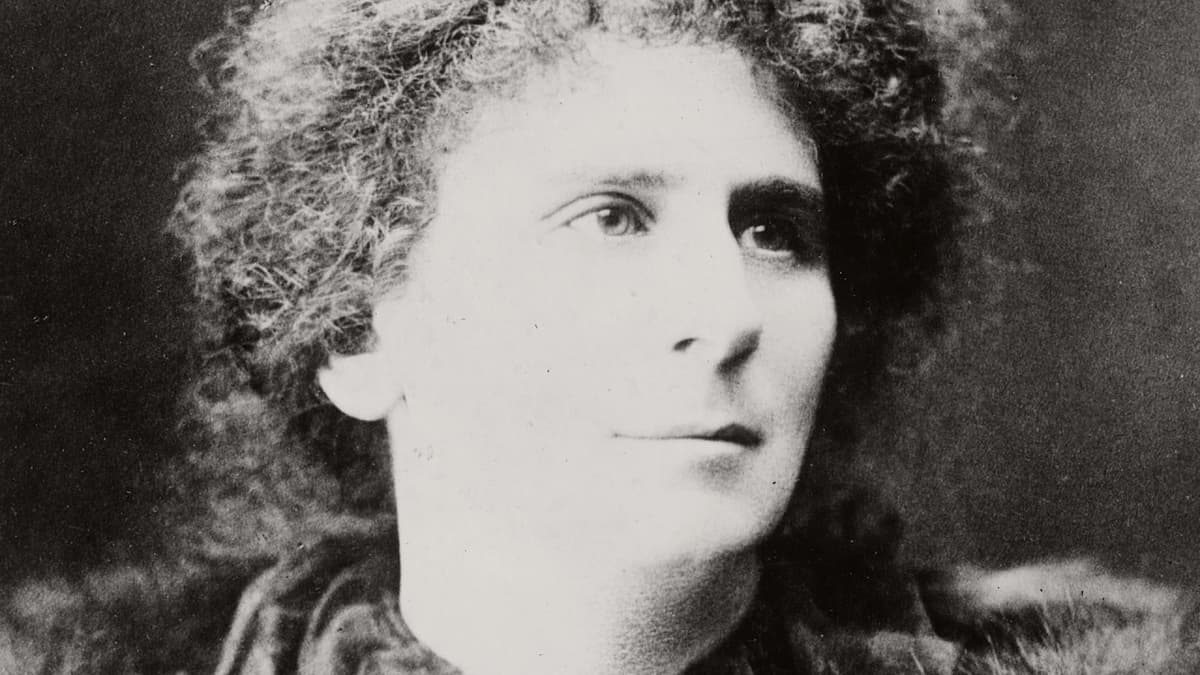
Hertha Ayrton and the Electric Arc | The Royal Society
The Royal Society’s short film spotlights Hertha Ayrton, a Victorian‑era inventor, physicist and suffragette who broke gender barriers in electrical engineering. Born in 1854 to a modest watch‑maker family, Ayrton rose from early hardship to become the first woman ever...
Weighing Molecules with Light | The Royal Society
Professor Philip Kukura’s Royal Society lecture explored how modern light‑based methods, especially mass spectrometry, let scientists weigh individual molecules— from tiny explosives to massive therapeutic viruses. He began by tracing the historical need for standardized mass, from barley‑based pounds to...