
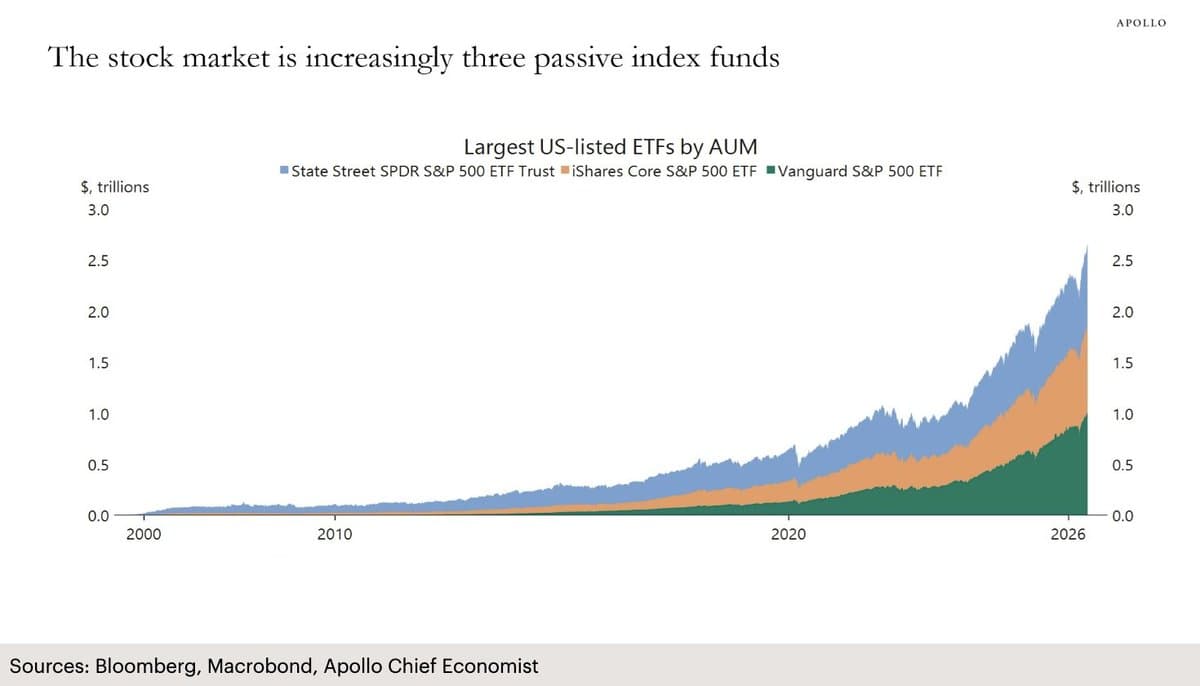
Passive Funds Dictate Prices, Undermining True Valuation
Torsten Slok, Apollo: "The market is increasingly three passive index funds...With the three largest passive S&P 500 funds now holding more than $2.6 trillion combined...prices are increasingly set by mechanical flows rather than by anyone judging what companies are actually worth." In my report earlier this year on "Price Discovery" (https://t.co/kEx5Z4BJH7), I dissect all the ways in which market participation shifts have altered equity dynamics. The rise of passive is obviously central to that dissection. The primary distortion they've instigated: reduced stock elasticity as there's less active selling against persistent passive buying. As the Economist put it, recapping findings by Xavier Gabaix and Ralph Koijen: "Funds that maintain fixed allocations can push up prices. Suppose you exchange cash for new units in a fund promising to keep 80% of its assets in shares. The number of shares in existence does not change, but demand for them has risen." To quote from the report: "We find it hard to believe the rise of passive hasn’t altered price discovery for one very basic reason: passive ETFs aren’t actually passive participants in markets; they actively buy and sell equities based on inflows and outflows. It’s unclear what percentage of daily trading volume is attributable to passive funds. Vanguard has claimed that passive’s share of trading volume is a “drop in the bucket”—less than 5%—and therefore, irrelevant to equity-market price discovery. One of passive’s staunchest critics, Simplify’s Michael Green, has challenged that as disingenuous, claiming passive can at times drive 80% of daily trading volume, from direct trading by ETFs to the market-making by HFTs that facilitates ETFs to the options hedging that results from ETF trading. And that trading volume influences market pricing. Green summed up his thinking in a 2020 interview: 'The idea that passive players are passive players is just completely absurd. What they are is active players that have super simple rules…What we’re actually doing is sending the money to vehicles that allocate the capital on the basis of the current market cap or the current float-adjusted market cap. When you do that, first you’re presuming that the market has actually done the work to say that the current level of price is the right price. Second, you’re concluding that the price that it transacts at next is the price that it would have transacted at next had you not been involved…Prices are a little bit like Schrodinger’s cat. They tell you where something was on the last transaction, but they don’t actually tell you what the price is. The price could be up. It could be down. We don’t know that until the next transaction occurs. Passive is assuming that they’re not having any influence on that next price but they have to be because they are transacting.'" Apollo link: https://t.co/wxxB1VJ7Aa
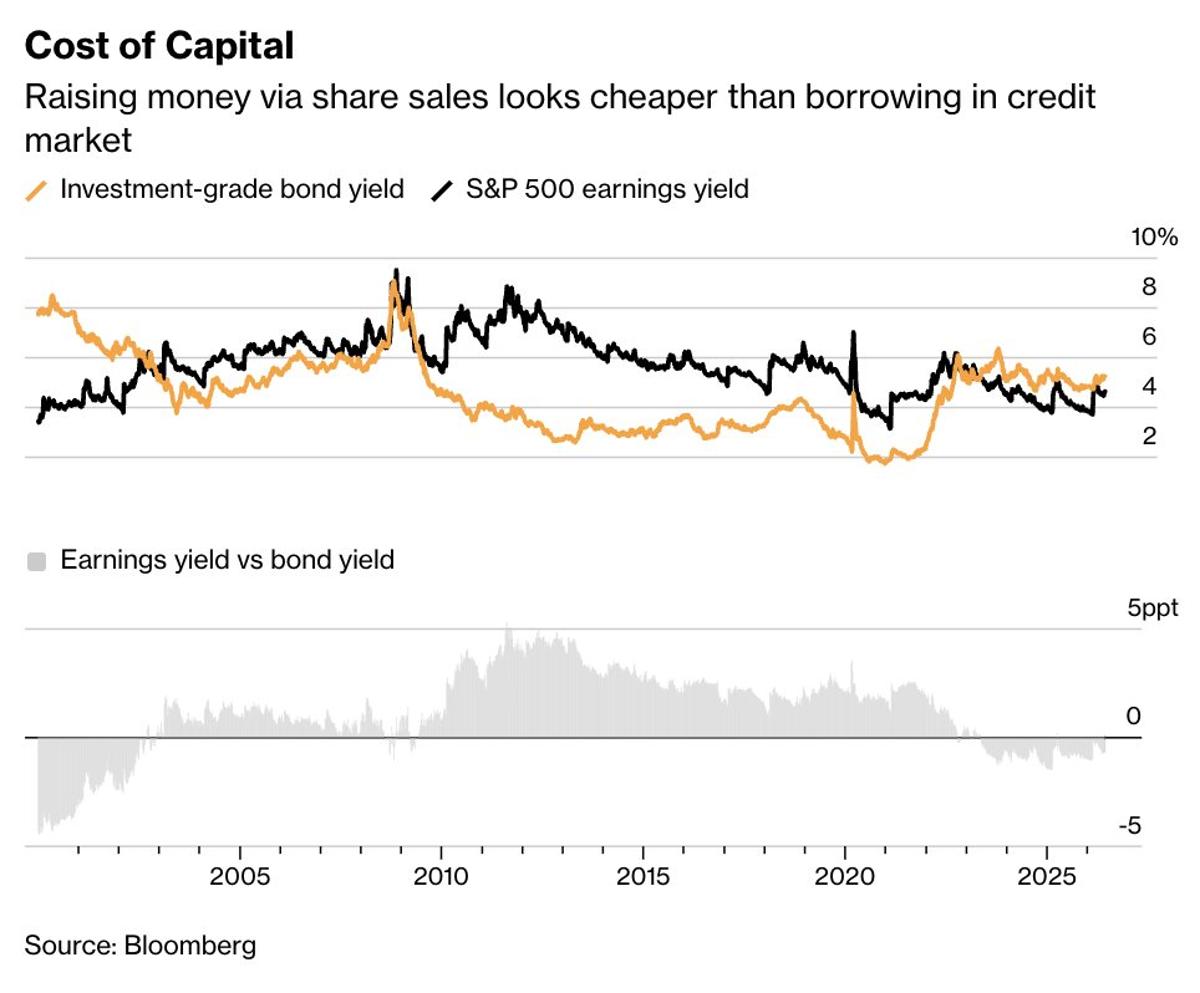
Rising Capital Crunch Threatens Leveraged Sectors Amid Funding Shortage
Mohamed El-Erian, FT: "Will retail and institutional investors liquidate some holdings to make room for new issues? This prospect should not be dismissed. It is symptomatic of a broader phenomenon of “robbing Peter to pay Paul” that manifests not only...
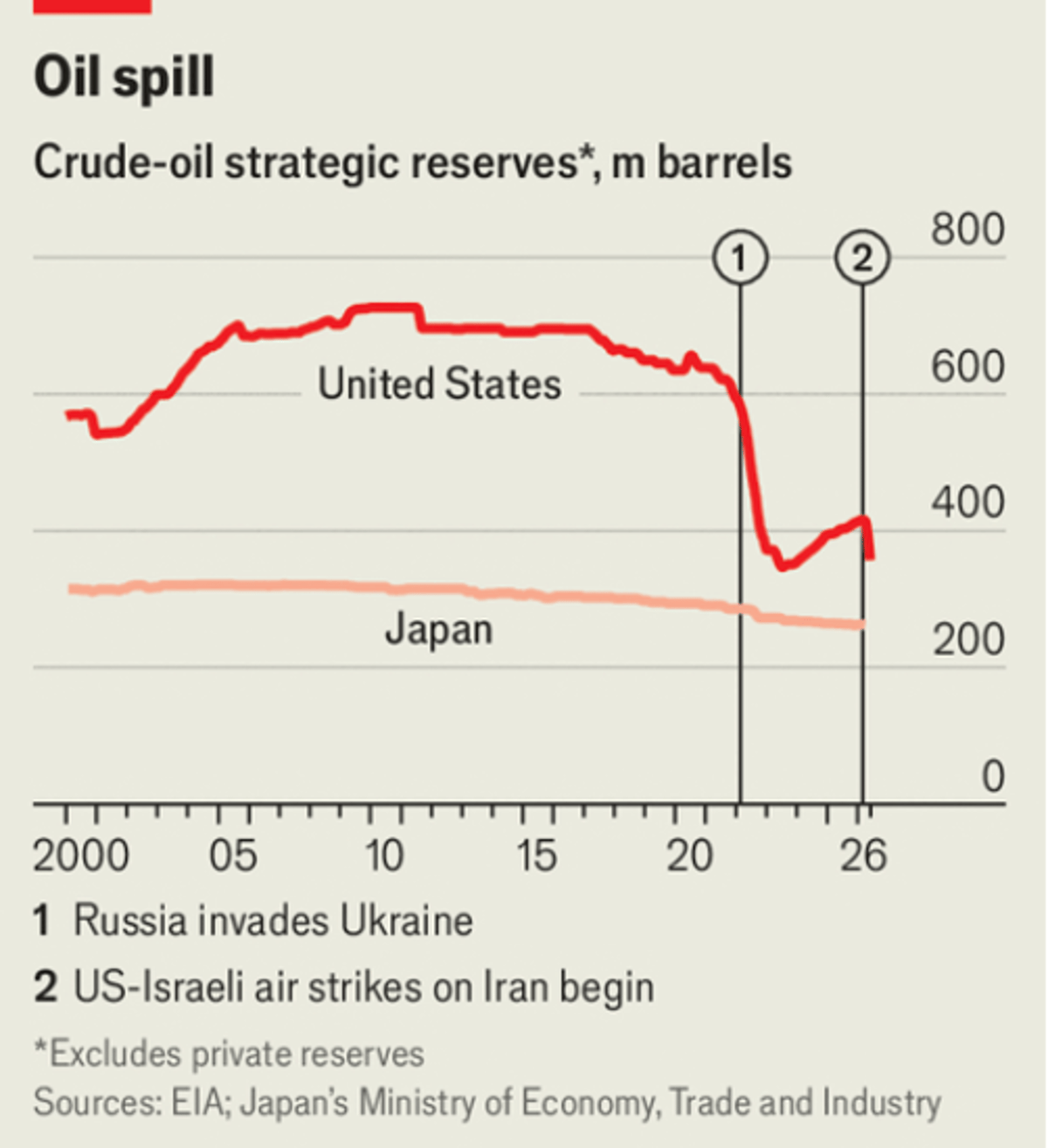
Europe Faces Oil Reserve Shortfall as US, Japan Cut Supplies
The question of the summer: "The world’s strategic oil reserves are running out fast...Slower pumping by America and Japan could cut flows from IEA members’ SPRs from 2.5m b/d in June to 0.7m b/d in July, estimates Morgan Stanley...Experts and...
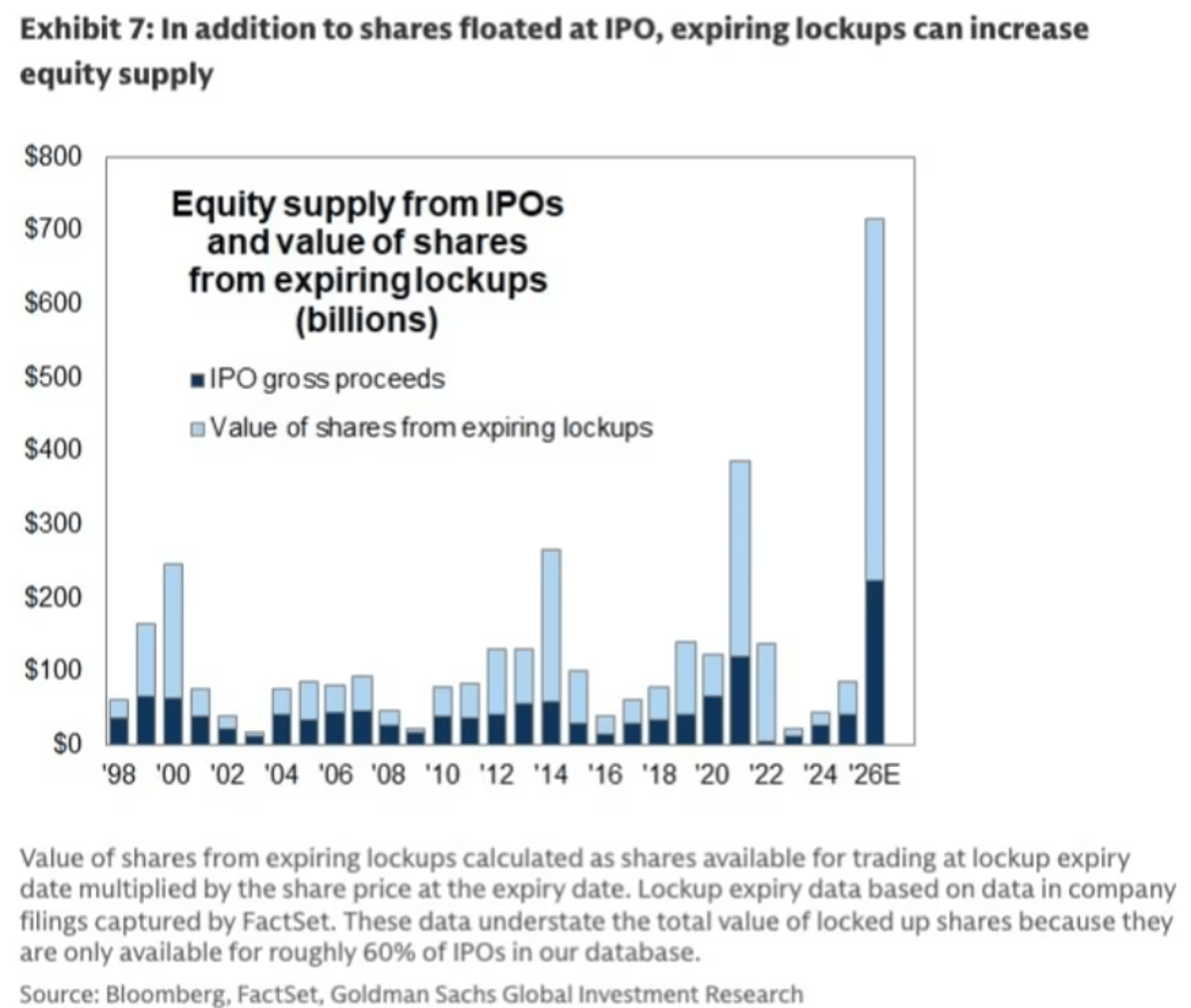
Massive 2026 Equity Supply Threatens Market Amid Passive‑Driven Inelasticity
FT: "Goldman Sachs analysts are predicting total US equity supply of $1.175t in 2026, consisting of $225b of IPOs, $450b of other corporate stock sales, and another $500b gradually dribbling out from corporate executives and early investors in the IPOs...This...
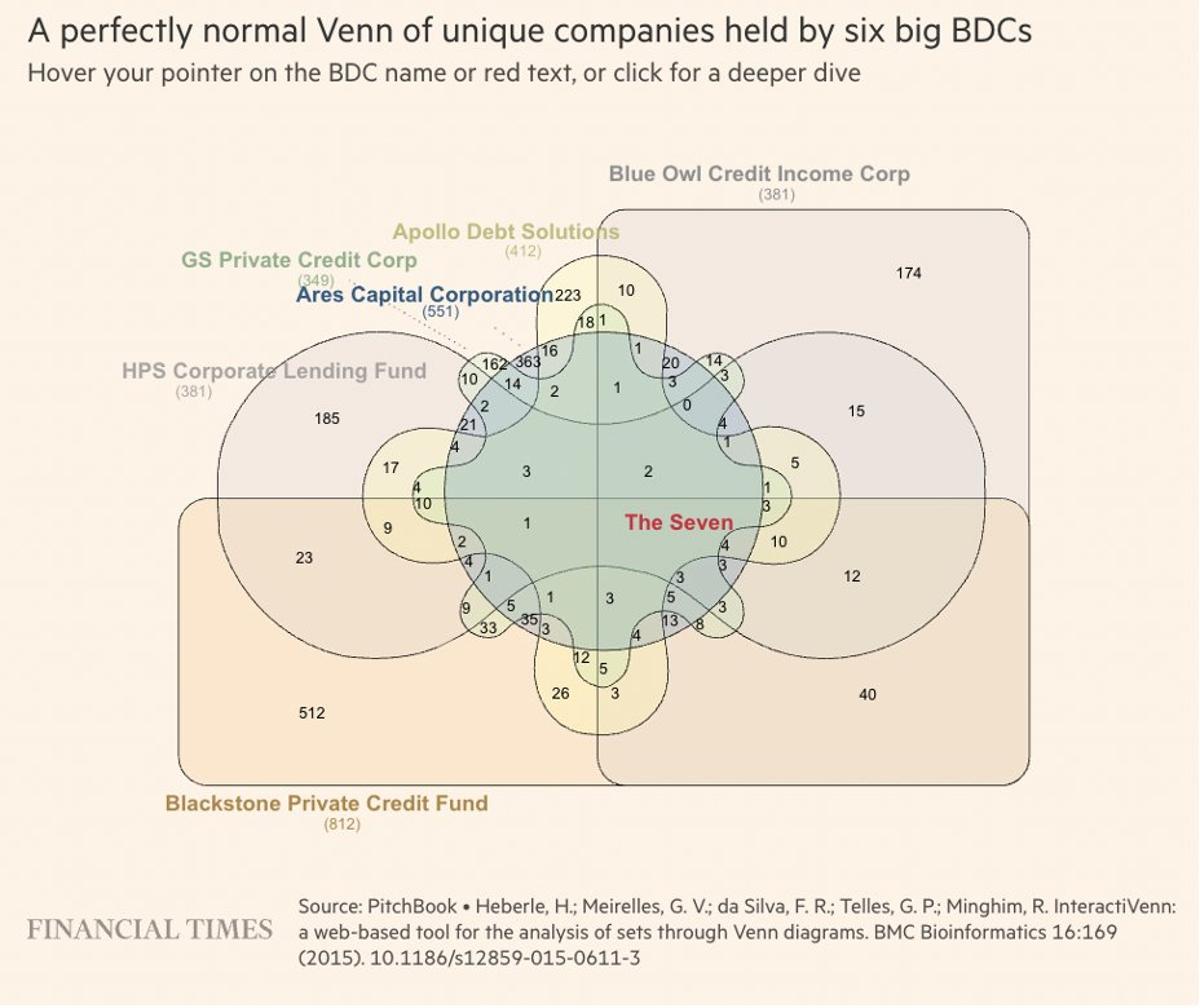
Private Credit Concentration Amplifies Private Equity Risk
The peril of AUM concentration in private markets: Private equity’s reliance on private credit as a funding source has increased dramatically over the past decade. Just between 2021 and 2023, the percentage of buyout transactions that involved private credit funding...
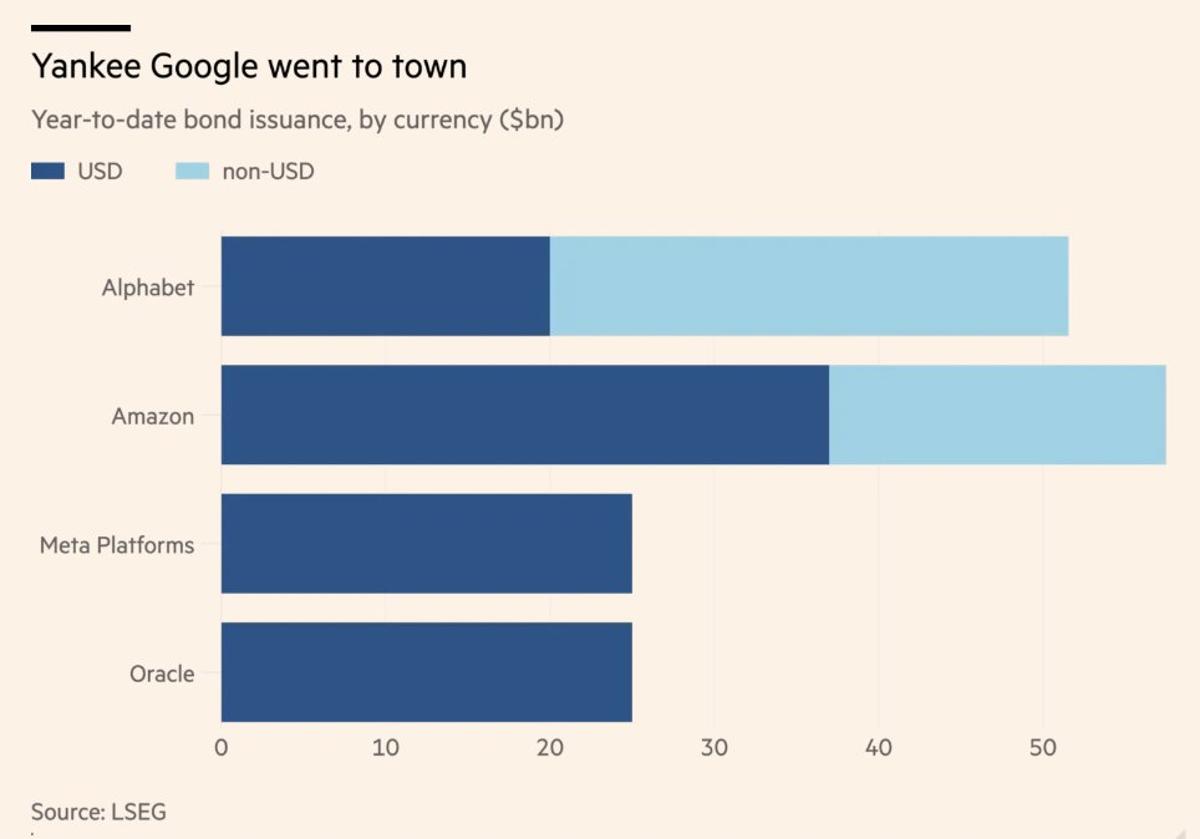
AI‑Driven Bond Rush Heightens Cross‑Asset Concentration Risk
FT: "Amazon, Meta Platforms, Alphabet and Oracle issued a combined $159bn in bonds this year, according to LSEG data, as they race to build massive AI data centres. About $50bn of that came through so-called reverse Yankees — when US...
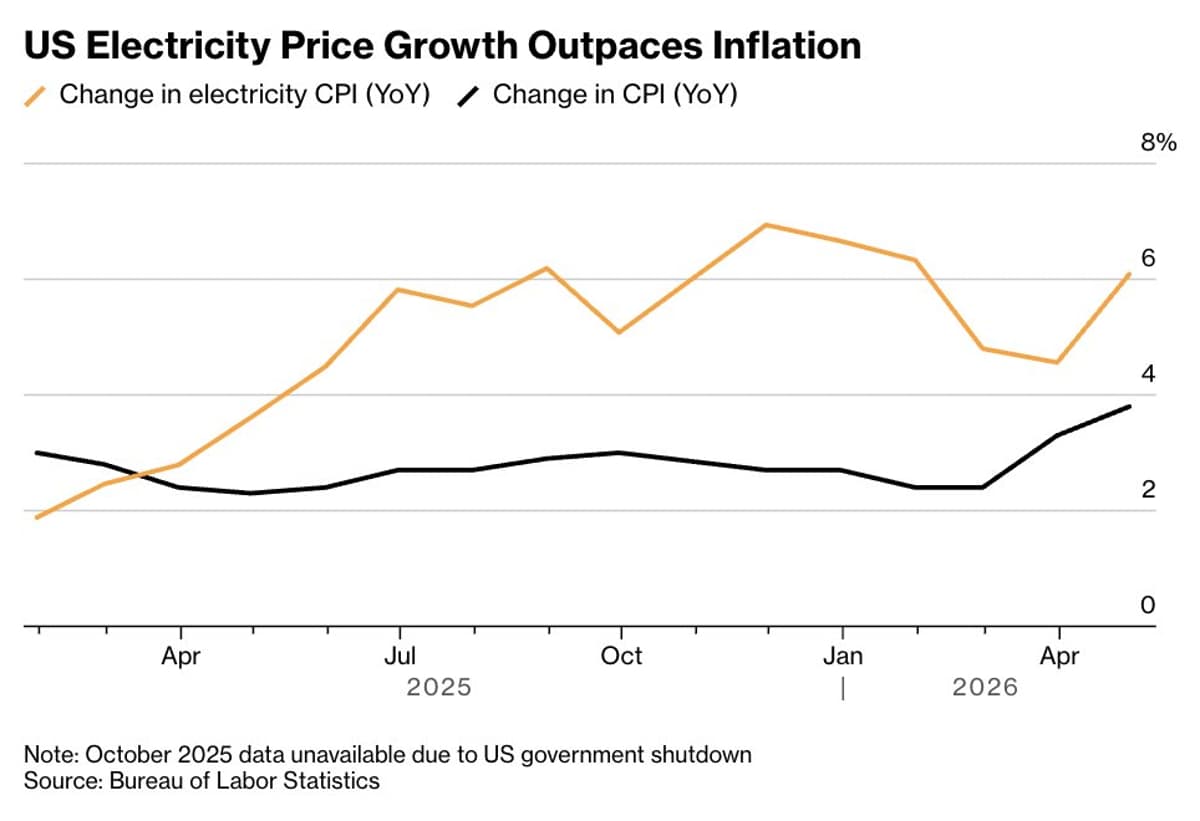
Agentic AI Tasks Exponentially Inflate Token and Energy Costs
Quartz: "Stanford's Digital Economy Lab found that agentic coding tasks consume 1,000x more tokens than standard code reasoning and chat, a finding that puts hard numbers on a cost problem the AI industry is only beginning to confront...[Meanwhile], researchers at...
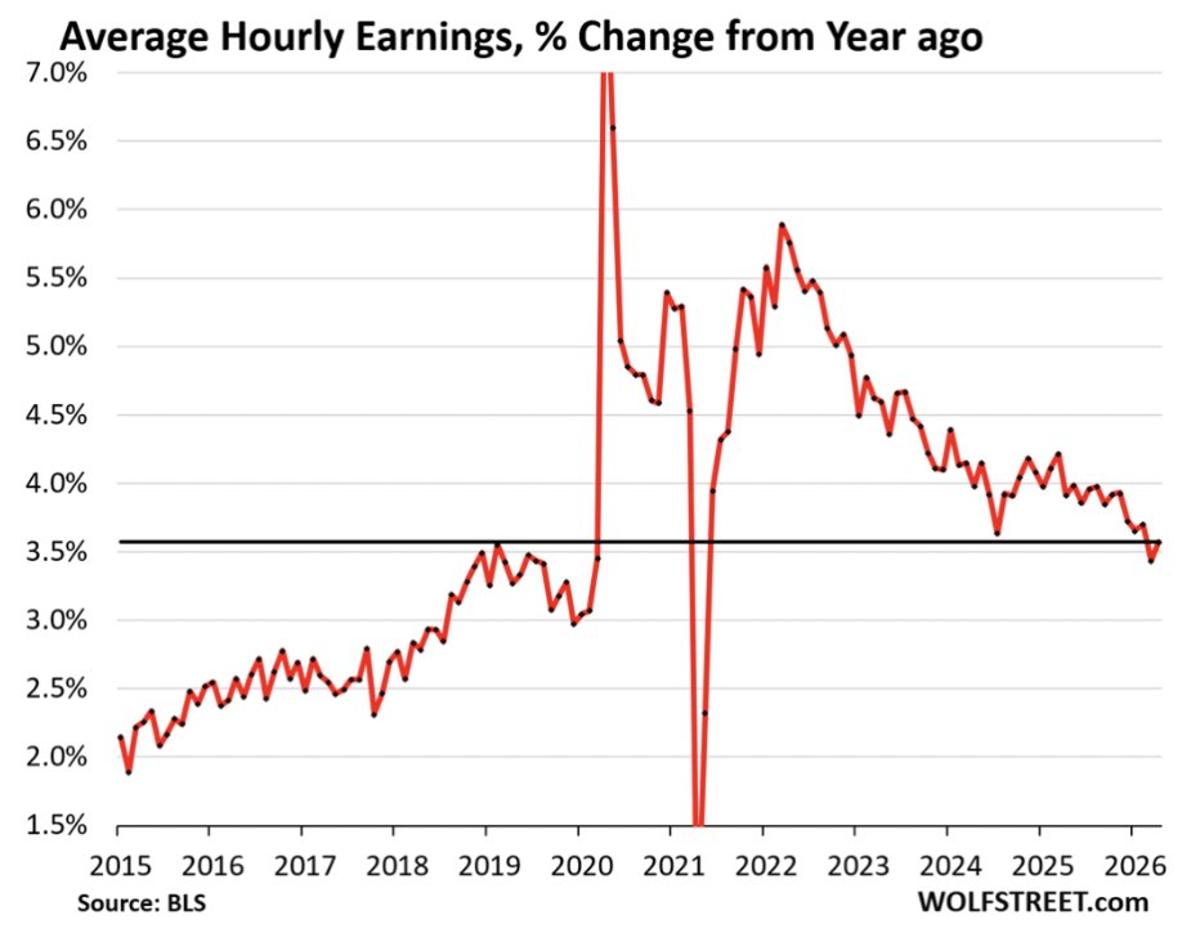
Shrinking Workforce Undermines Wage Power Amid Inflation
Wolf Street: "The labor force has been dropping since last fall amid the crackdown on illegal immigration, a tightening up of some work-visa programs, and the wave of boomer retirements. In April, it dropped by another 92,000, to 169.99 million....
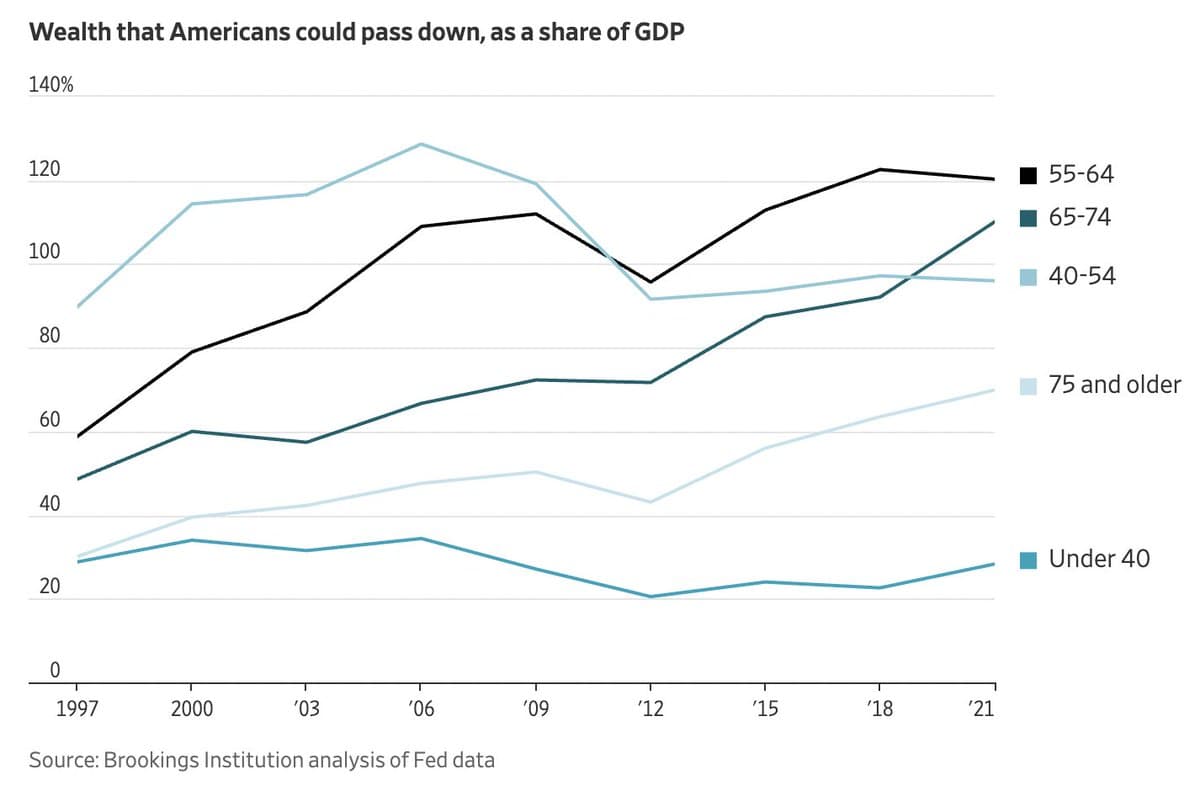
Wealth Surge Driven by Older Elite, Not Youth Transfer
WSJ: "Bequeathable wealth rose from 256% of US GDP in 1997 to 424% in 2021, the last year of available data. A staggering 97% of that increase was due to wealth gains in households where the head of household was 55...
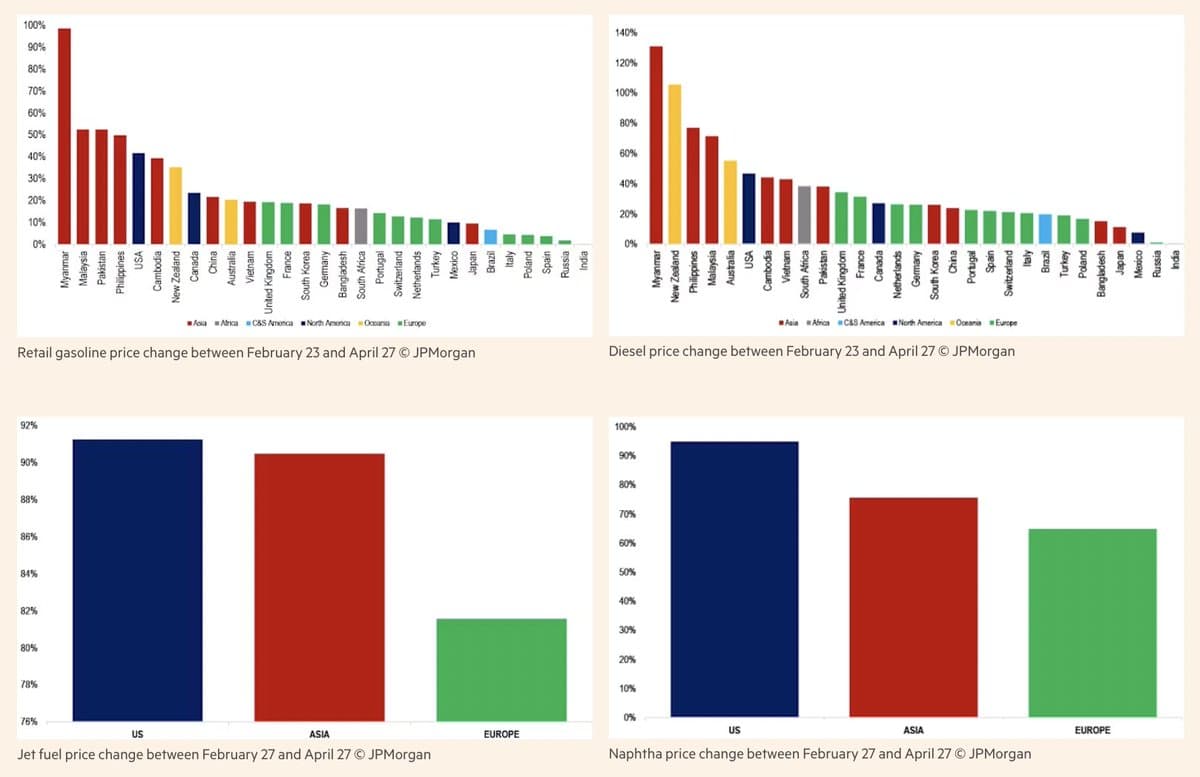
US Consumer Resilience Overestimated Amid Rising Energy, Services Costs
"Increase in the retail prices of gasoline, diesel, jet fuel and naphtha between February 27 and April 27: it is “somewhat counterintuitive” that the US is now experiencing some of the largest price increases globally, and might indicate that it...
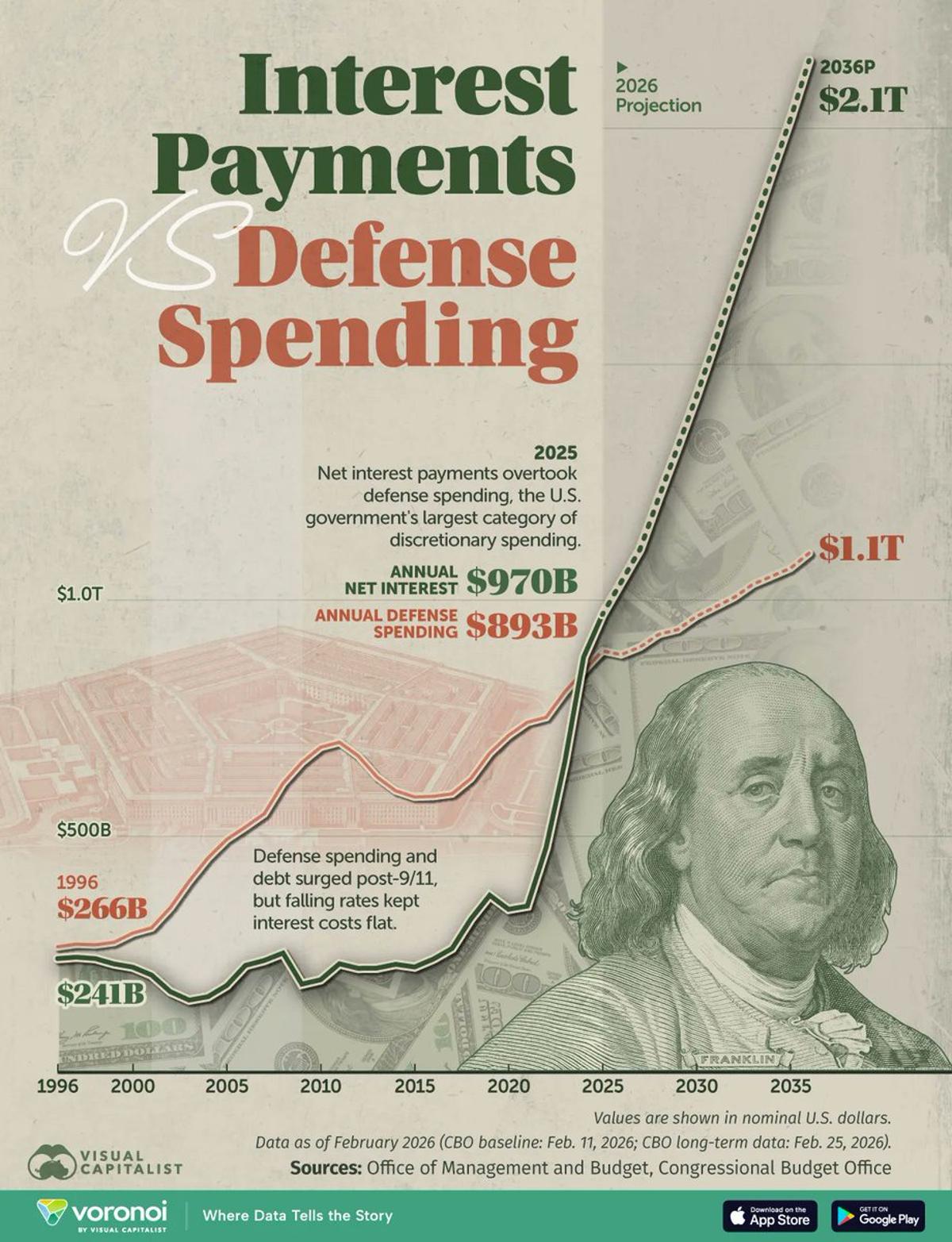
Interest Payments Overtake Defense Spending, Debt Soars
For the first time since the late 1920s, the U.S. is spending more on interest payments than on national defense. This isn't new—it's been true for two years. However, worth a reminder given the Trump administration's proposed $1.5 trillion defense...
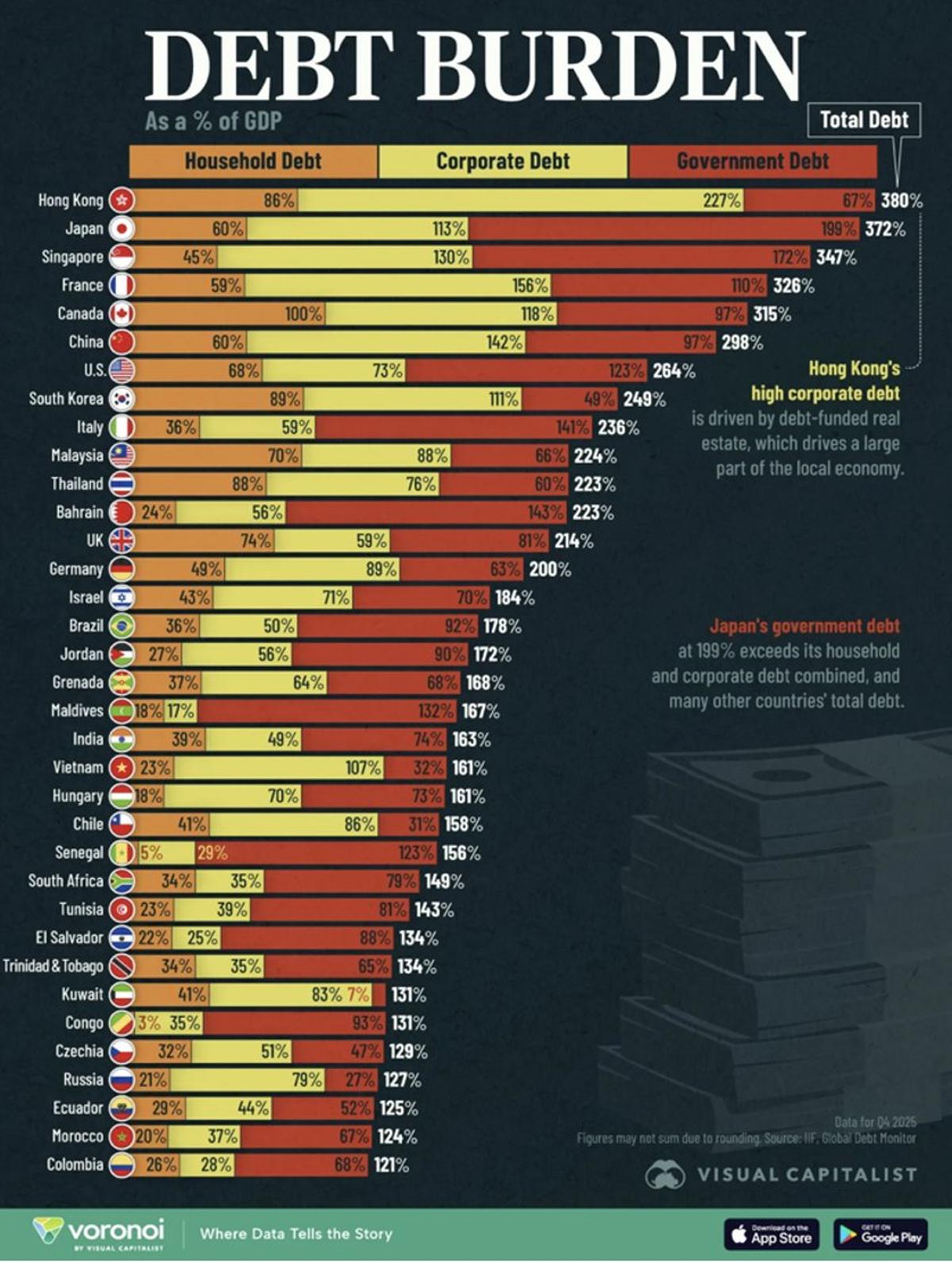
Iran Conflict May Curb Growth, Not Just Spark Inflation
"Ultimately, the key question is whether the dominant effect of the Iran war is higher inflation or weaker growth. Markets have so far leaned toward the former. If the latter proves more important, investors will need to broaden their approach—seeking...
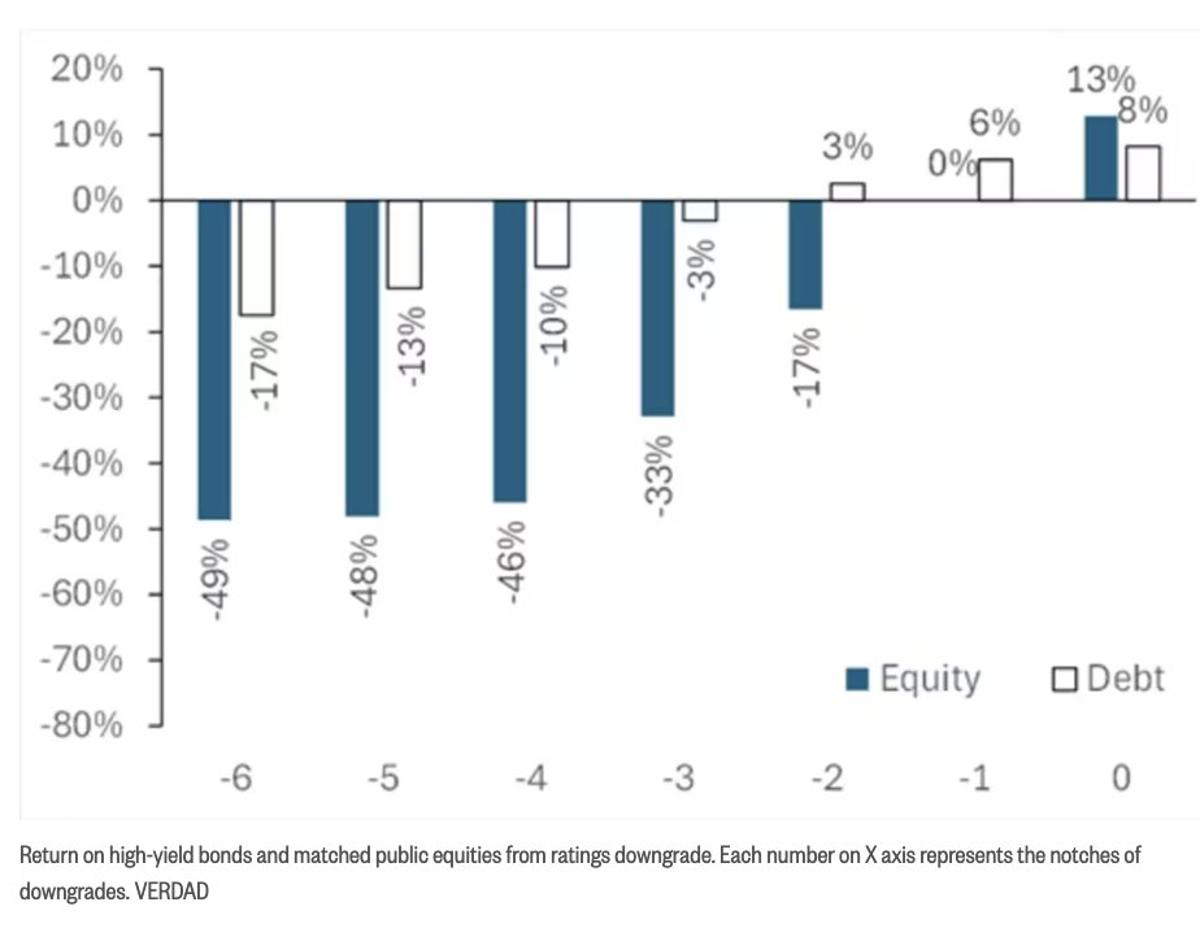
Private Credit Woes Signal Bigger Private Equity Risks
"Whatever struggles private-capital investors will have are likely to be dwarfed by those investing in private equity." Compelling analysis (per usual) from @verdadcap, looking at the return of high-yield bonds to the matched public equities for every notch deterioration in...
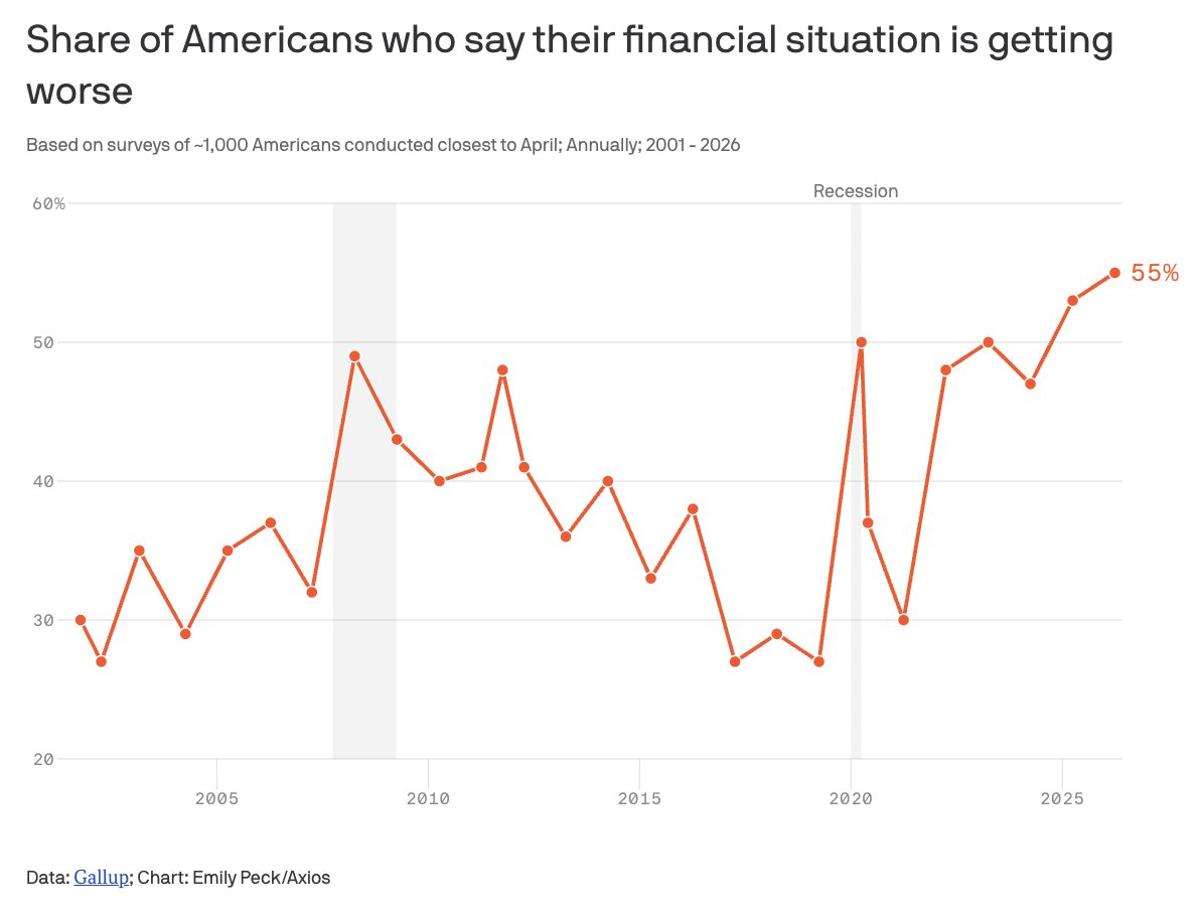
Americans Report Worst Financial Outlook in 25 Years
"The share of Americans who say their financial situation is getting worse is higher now than at any point in the past 25 years" https://t.co/bXBhNbd9o4 https://t.co/DKU9wIXtK4
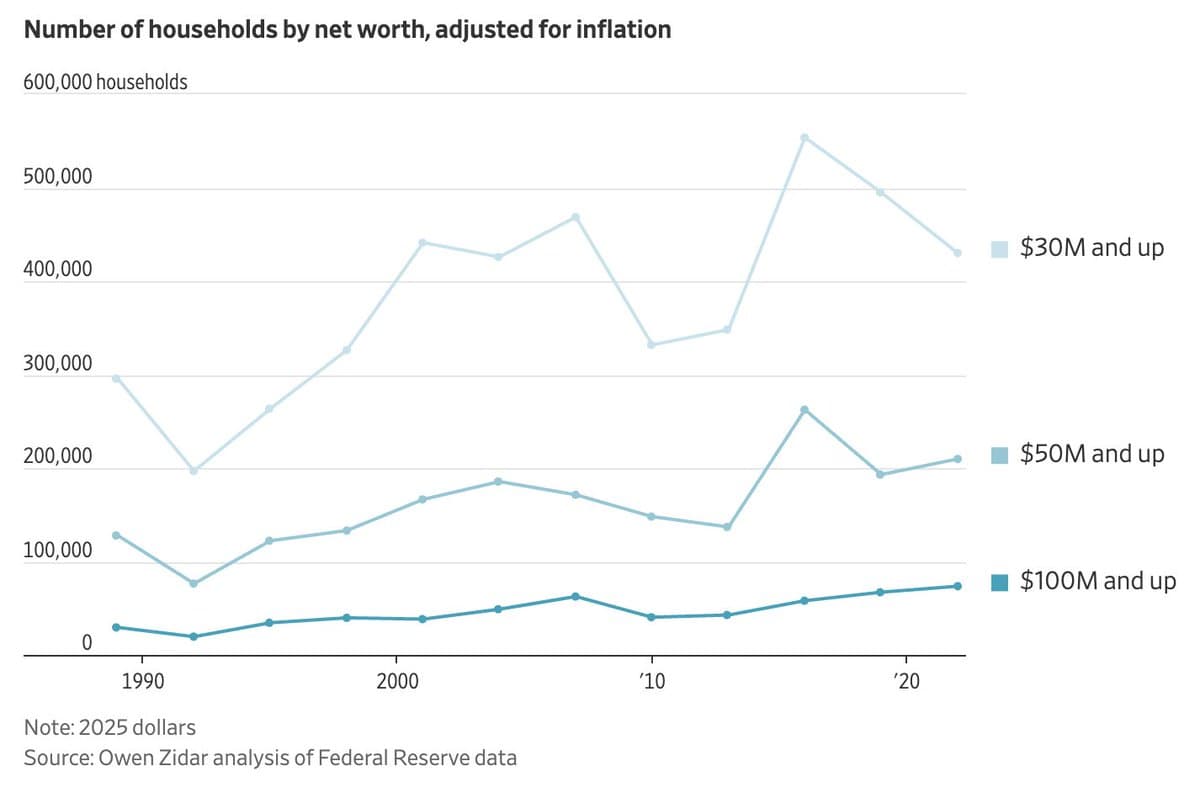
Ultra‑rich Wealth Surge Fuels Market Resilience, Analysts Miss
WSJ: "There are about 430,000 U.S. households worth $30 million or more, according to an analysis of Federal Reserve data by Zidar. Within that, there are about 74,000 worth $100 million or more. Over the past few decades, the growth...