

ADHD and Perimenopause: Why Your Symptoms Are Suddenly Worse
The episode explains how perimenopause—a phase of erratic estrogen and progesterone fluctuations—can dramatically amplify existing ADHD symptoms in women approaching menopause. Dr. J outlines the neurobiological link: declining estrogen reduces dopamine stability, undermining executive function and emotional regulation that already challenge ADHD brains. Key data points include the typical onset in the mid‑40s, a two‑to‑eight‑year duration, and concrete symptom spikes: increased forgetfulness, scattered focus, heightened irritability, and chronic overwhelm. Sleep disturbances—hot flashes, night waking, lighter sleep—feed a vicious cycle that worsens cognition and mood, further destabilizing daily performance. Dr. J emphasizes practical observations: patients often misinterpret the surge as personal failure, yet it’s a hormonal shift. She recommends tracking mood, energy, focus, and cycle phases to anticipate “hard days,” adjusting medication timing or dosage, and employing sleep‑hygiene tactics. Real‑world examples include using multiple alarms, simplifying task lists, and considering hormone replacement therapy when appropriate. The broader implication is that women can retain productivity and well‑being by proactively updating ADHD strategies to match their changing neurobiology. Integrating therapy, coaching, nutrition, exercise, and stress‑reduction techniques transforms a potentially career‑disrupting transition into a manageable life stage.

Is Mindfulness a Waste of Time? A Doctor Explains | Experts Answer
Developmental pediatrician Dr. Mark Bertin explains how mindfulness differs from meditation and its role in managing ADHD. He outlines ADHD‑friendly techniques, such as the 5‑4‑3‑2‑1 method, and clarifies that mindfulness complements rather than replaces medication. The doctor also discusses benefits...

Parenting a Kid with ADHD Can Raise Your Risk of Heart Disease
Swedish researchers analyzed over 300,000 biological parents of children with neurodevelopmental disorders, finding that caring for a child with ADHD significantly raises the parents’ risk of cardiovascular disease. Mothers with one ADHD child faced a 20% higher incidence of heart disease,...
We Didn’t Know We Had ADHD. Then Motherhood Hit. | Everyone Gets a Juice Box
Two seasoned ADHD specialists, speech pathologist Katie Severson and child psychologist Lori Long, discovered they themselves had ADHD only after becoming mothers. Their late diagnoses sparked a candid discussion about the shame and confusion that often precede adult identification. Co‑founders...
Why Is Money so Hard with ADHD? A Financial Therapist Explains | Experts Answer
Dr. Christine Hargrove, a certified financial therapist, explains why ADHD creates a perfect storm for money management, from distorted time perception to emotional shame that fuels avoidance. She outlines practical steps—auto‑pay, unified due dates, reminder apps, and “bill‑paying buddies”—to break...
I’m an ADHD Expert. My Kid Still Can’t Get Help | Everyone Gets a Juice Box
The episode of Everyone Gets a Juice Box explores why a parent who is an ADHD expert still struggles to secure school services for her daughter, Alice. Ray Jacobson, a former senior editor at the Child Mind Institute and host...
Executive Dysfunction Explained: Why ADHD Makes Everything so Hard | Experts Answer
The video, hosted by psychologist Dr. Monica Johnson, breaks down executive dysfunction as the core cognitive deficit underlying ADHD, describing executive functions as the brain’s management system that coordinates planning, time‑keeping, impulse control and emotional regulation. Johnson explains that ADHD disrupts...

Is It Procrastination or Perfectionism? ADHD Therapist Explains
The video tackles a common misconception: procrastination isn’t laziness, especially for people with ADHD. Therapist Dr. [Name] explains that ADHD brains treat future tasks as increasingly vague, so the farther away a deadline, the less compelling the task becomes, prompting delay. Two...

Schools Are Banning Fidget Toys (Why That’s a Problem)
The video highlights a growing trend: schools across the country are prohibiting fidget toys unless they are explicitly listed in a 504 plan or Individualized Education Program (IEP). While the market for these squishy sensory devices is booming, the crackdown...
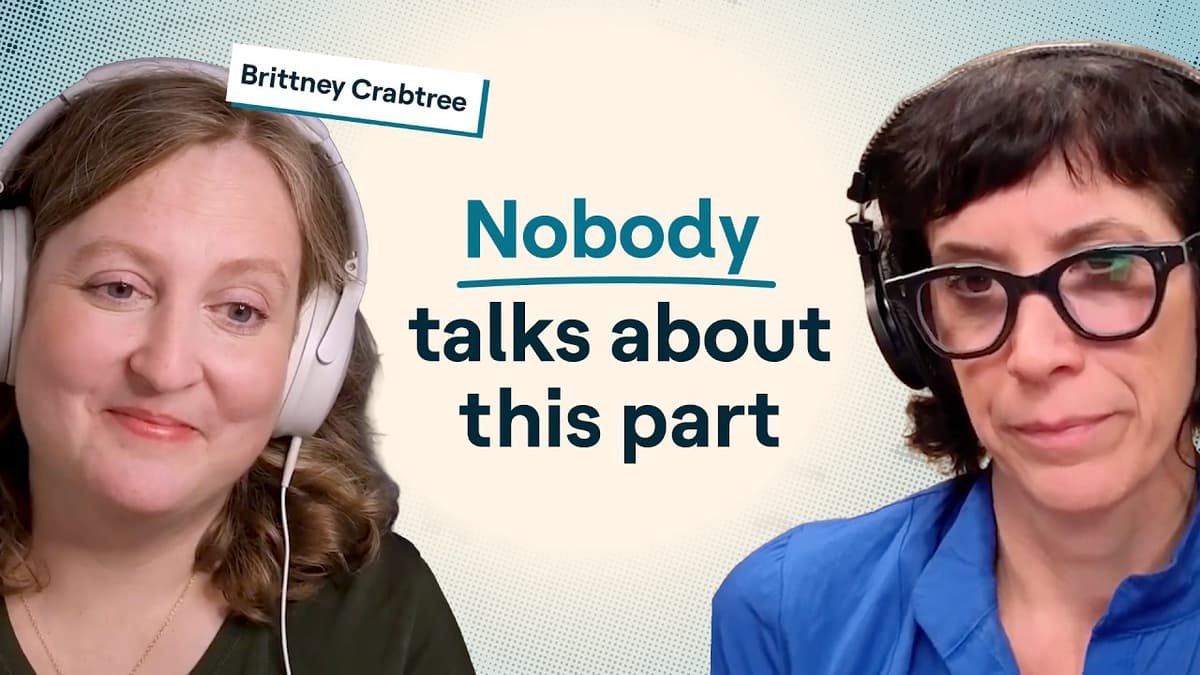
The Hidden Grief of Parenting a Neurodivergent Kid | Everyone Gets a Juice Box
The episode of Everyone Gets a Juice Box features Britney Crabtree, a mother of four—including three neurodivergent children—who discusses the often‑unspoken sorrow she calls “grieving the gap.” She explains how the reality of autism, non‑speaking status, and ADHD reshapes family...
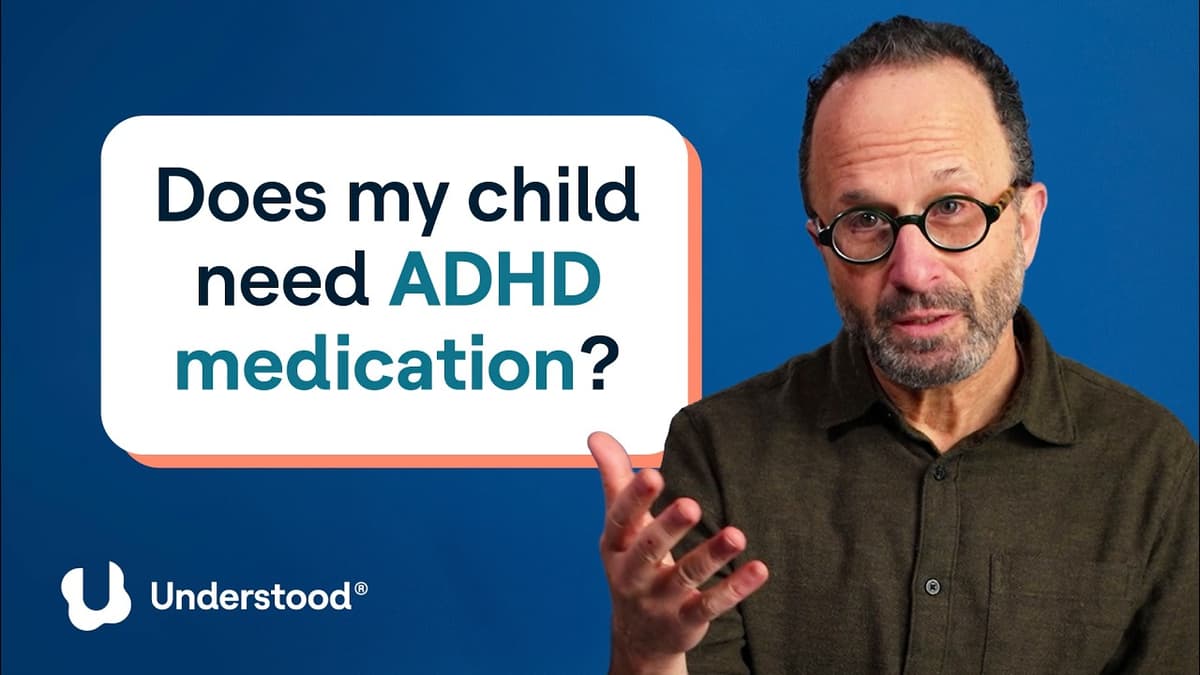
ADHD in Kids: Pediatrician Answers Parents’ Biggest Questions | Experts Answer
Developmental pediatrician Dr. Mark Bertin answers the most common questions parents have about ADHD, covering medication, diagnosis, behavior, and school support. He emphasizes that correctly diagnosed ADHD is a medical condition but medication is optional; decades of research show drugs are...
Are There 3 Different Types of ADHD? Brain Scans Say Yes
Scientists have used magnetic resonance imaging to examine the brains of nearly 450 children diagnosed with attention‑deficit/hyperactivity disorder, uncovering three neurobiologically distinct subtypes. The patterns correspond closely to the three categories already used in the DSM—combined, predominantly hyperactive‑impulsive, and predominantly...
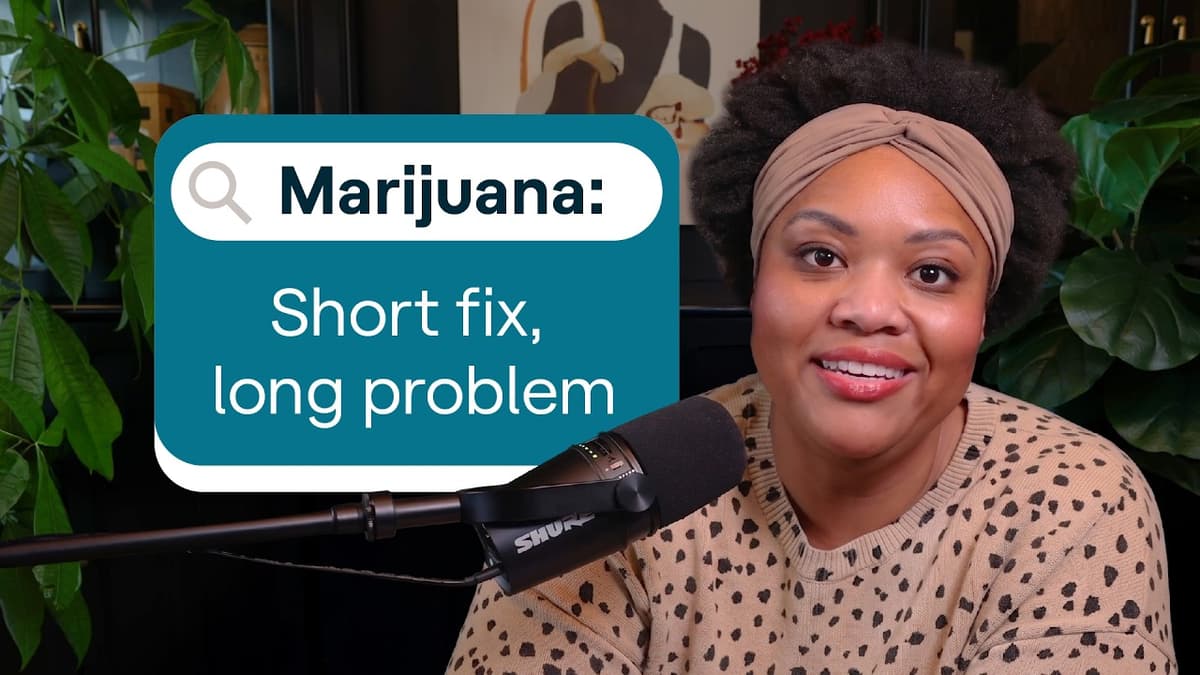
ADHD and Weed: Why It Feels Like a Fix (but Isn’t)
The video explores why many with ADHD turn to cannabis, describing it as a self‑medication that feels like a quick fix but isn’t a sustainable treatment. Dr. J cites data—27% of ADHD individuals develop cannabis use disorder versus 9% of the...

RFK Jr. Is Wrong About Black Kids and ADHD. A Researcher Explains.
The video critiques a recent statement by RFK Jr., who claimed that “every Black kid is now just put on Adderall, SSRIs, benzos… and then reparented,” suggesting systemic over‑medication and removal from families. Harvard‑trained researcher Dr. K.J. Wint counters that peer‑reviewed...
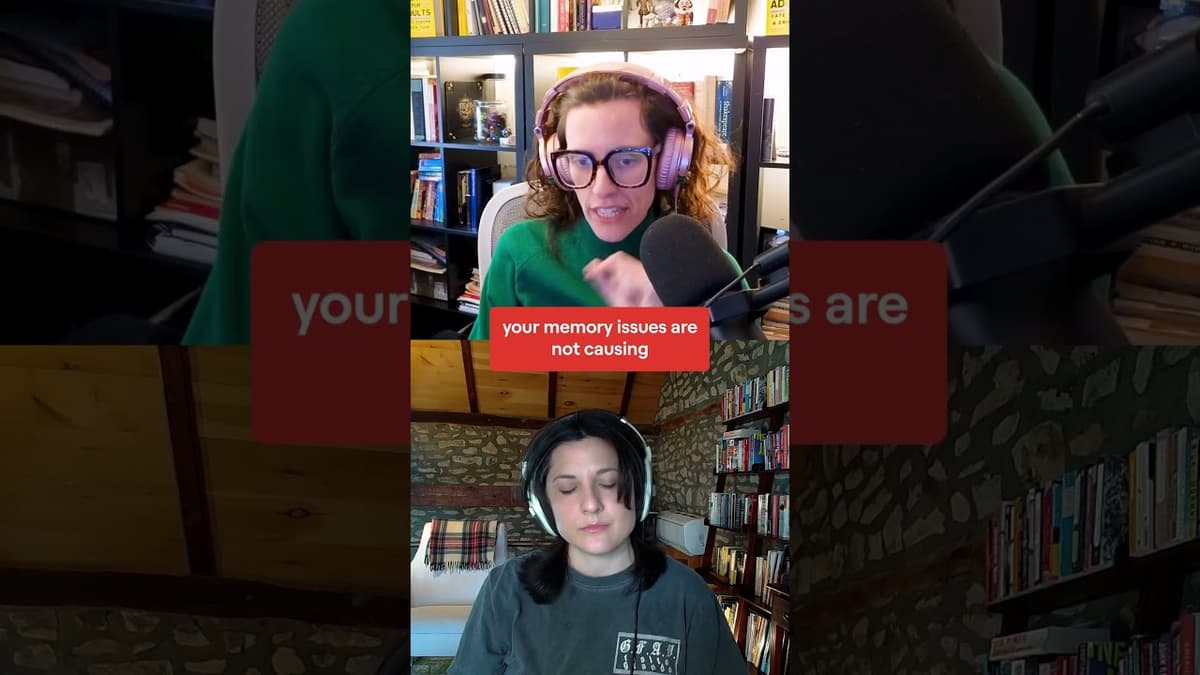
Reacting to ADHD Gaslighting Post on Reddit | Sorry, I Missed This
The video dissects a Reddit post in which a 21‑year‑old woman, recently diagnosed with OCD and ADHD, suspects her 28‑year‑old boyfriend of using her short‑term memory challenges as a tool for gaslighting. She describes frequent forgetfulness that resurfaces when reminded,...