
2.2.5 | Fiscal Incidence Methods | Masters in Health Economics
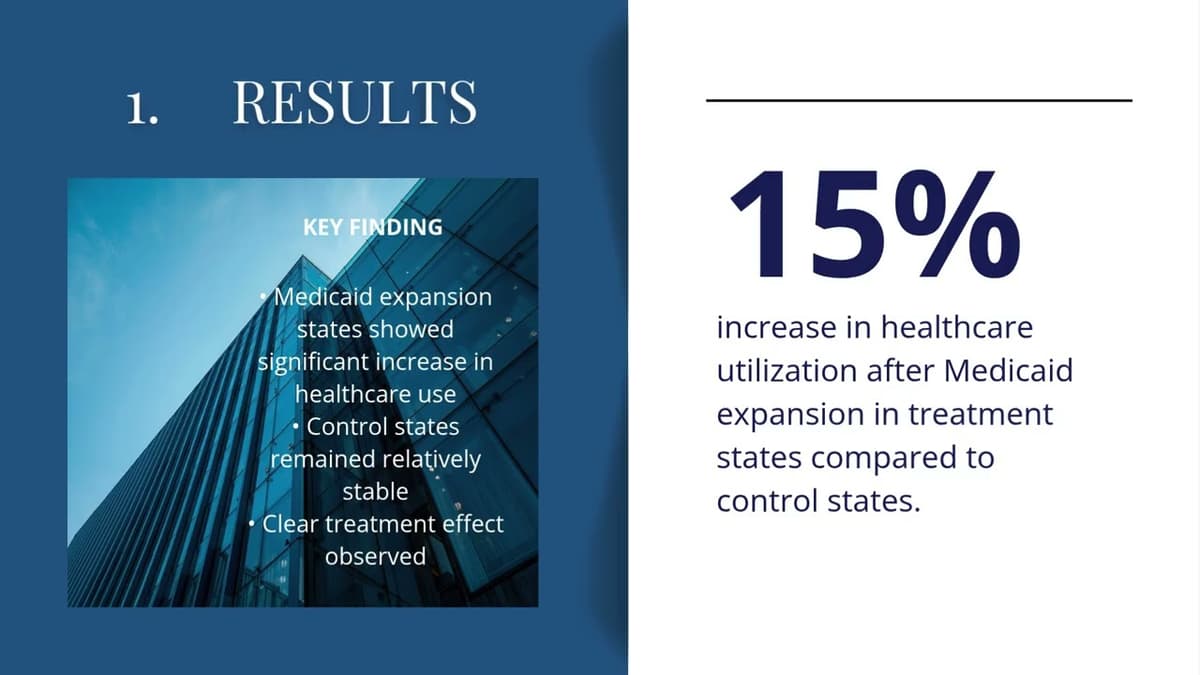
The lecture introduces fiscal incidence – the study of who actually bears the economic burden of taxes and government spending – and explains why it matters for health‑economics policy analysis. It then presents the difference‑in‑differences (DiD) technique as the standard tool to measure the real impact of health policies. By comparing outcomes before and after a policy for a treatment group against a comparable control group, DiD removes common time trends and isolates the causal effect. The instructor illustrates the method with a cigarette‑tax example, showing how a 10‑pack baseline dropping to six packs in the taxed state (‑4) versus a two‑pack drop in the neighboring state (‑2) yields a net policy effect of –2 packs. The core formula (ΔT‑ΔC) and the need for parallel trends, no spillovers, and stable group composition are emphasized, along with software options such as Stata, R, and Excel. Accurate DiD estimates enable policymakers to assess whether interventions like free hospital services, Medicaid expansions, or drug‑price caps are progressive or regressive, guiding evidence‑based resource allocation in the health sector.
Lecture 3.5.5 | Human-Robot Interaction & Cognitive Load | Masters in Medical Robotics
The lecture introduces human‑robot interaction (HRI) and cognitive load as intertwined design challenges for medical robotics and other domains. Effective HRI requires robots to convey intent, status, and data in a clear, predictable manner, preventing distraction. High cognitive load—when users must...
1.3.2 Regression Methods | Masters in Global Health Economics
The video introduces regression techniques tailored for health‑economics research, emphasizing how econometric tools move beyond simple correlations to uncover causal policy impacts. It outlines the multivariate model framework, where the outcome (Y) is linked to a treatment variable (X1) and...
1.3.2 | Regression Discontinuity Design | Masters in Health Economics
The video introduces regression discontinuity design (RDD) as a quasi‑experimental tool for health‑policy evaluation, explaining how statutory cutoffs such as age‑65 Medicare eligibility or birth‑weight thresholds generate locally random assignment of treatment. It distinguishes sharp RDD, where the probability of treatment...

Lecture 3.1.12: Partner Scoping & Secondary Data Discovery
Partner scoping and secondary data discovery are presented as the first step in health data science, emphasizing that researchers should ask whether needed data already exist before launching expensive primary surveys. The lecture outlines the three cornerstone repositories for low‑...
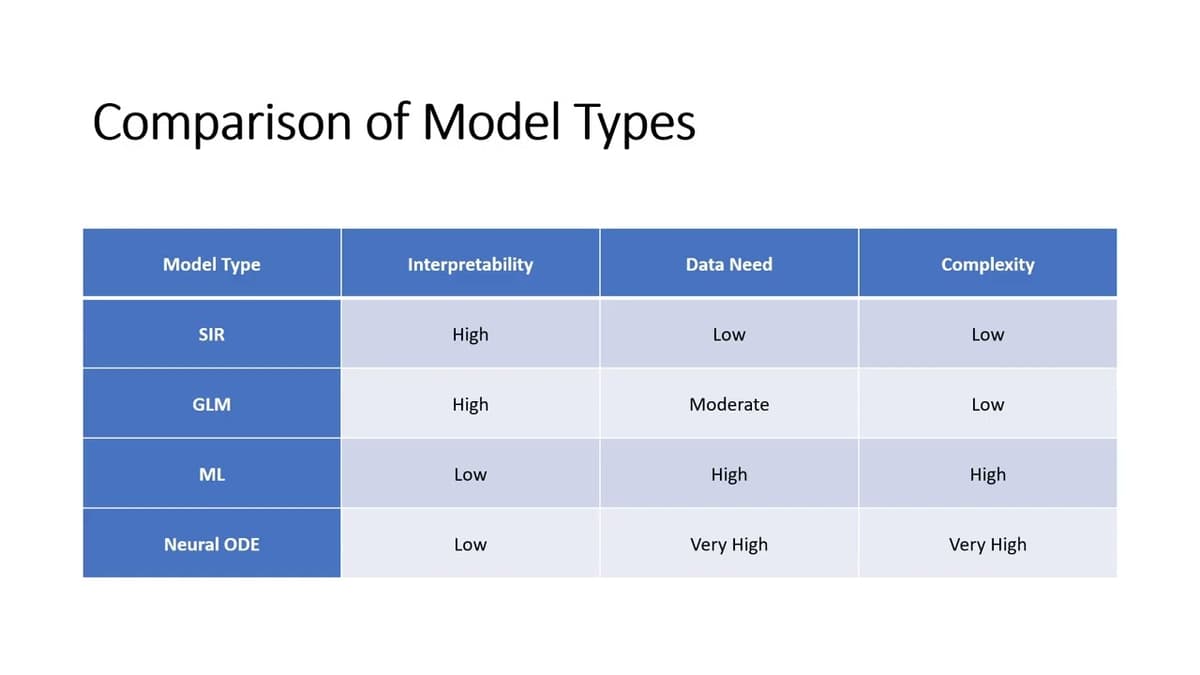
Lecture 1: Disease Modelling Introduction
The lecture provides a foundational overview of disease modeling, aimed at public‑health, data‑science, and AI students, and explains why models are essential for turning health data into policy decisions. It categorizes four principal model families—mechanistic (e.g., SIR), statistical (GLM), machine‑learning (random...
Lecture 3.1.11: Cloud Dashboard
The lecture explains how cloud‑based dashboards bridge the gap between sophisticated analytical models and non‑technical stakeholders. By converting Jupyter notebooks into interactive web interfaces, data scientists can deliver actionable insights with a single click, eliminating the need for stakeholders to...

Lecture 3.0.18: CICD & Cloud Cost Estimation Github Action
The lecture reframes data‑science projects as medical devices, emphasizing three pillars: a reproducible scaffold, continuous integration/deployment (CI/CD) for safety, and a realistic cloud‑cost budget. By mirroring device housing, safety circuits, and manufacturing budgets, students are urged to treat codebases with...

Lecture 4: Survival Analysis Case Study (Kaplan-Meier, Log-Rank, Cox in R)
The lecture walks through a published breast‑cancer survival study, illustrating how non‑parametric (Kaplan‑Meier, log‑rank) and semi‑parametric (Cox proportional hazards) techniques are implemented in R to handle censored time‑to‑event data. It explains why the authors chose these methods: Kaplan‑Meier for...

Lecture 3.0.13 PICOTS Framing & Feasibility
The lecture introduces PICOTS (Population, Intervention, Comparator, Outcome, Timing, Setting) as the essential blueprint for turning vague clinical questions into executable database queries. It stresses that data scientists must translate a clinician’s intuition into strict inclusion and exclusion criteria, using...
1.4.2 Loss Aversion & Framing | Masters in Health Economics
The video introduces loss aversion and framing as core concepts of prospect theory, contrasting them with the traditional expected‑utility model that treats patients as perfectly rational agents. It explains the prospect‑theory value function—reference dependence, diminishing sensitivity, and a steeper slope...

1.3.7 Advanced Methods, Econometrics for Health | Masters in Health Economics
The lecture introduces advanced econometric tools—panel‑data estimators and the synthetic control method (SCM)—as essential for rigorous health‑policy evaluation. It contrasts fixed‑effects (FE) models, which purge all time‑invariant unobserved characteristics by focusing on within‑unit changes, with random‑effects (RE) models that assume...
Lecture 3.0.9: Rule Based vs ML CDS Architectures, FHIR R4, CDS Hooks, SMART on FHIR
The lecture introduces modern clinical decision support (CDS) architectures, covering rule‑based versus machine‑learning models, and the enabling standards of FHIR R4, CDS Hooks, and SMART on FHIR. It outlines the evolution from paper‑based guidelines (Gen 1) to hard‑coded EHR logic (Gen 2), interoperable...

Lecture 3.0.3: Relation Extraction & Assertion Status, Evaluation
This lecture introduces advanced clinical natural language processing, emphasizing relation extraction, assertion status, and robust evaluation methods. While named entity recognition isolates medical terms, relation extraction connects entities—such as linking a medication to its dosage or a test result to...
Lecture 2.3.6 | Signal Processing for Biosignals | Masters in Medical Robotics
The lecture introduces signal processing as the essential bridge between raw physiological measurements and actionable medical insight. It explains that biosignals—electrical traces from the heart, brain, and muscles—are inherently noisy, requiring sophisticated cleaning before clinicians can trust them. Key concepts include...
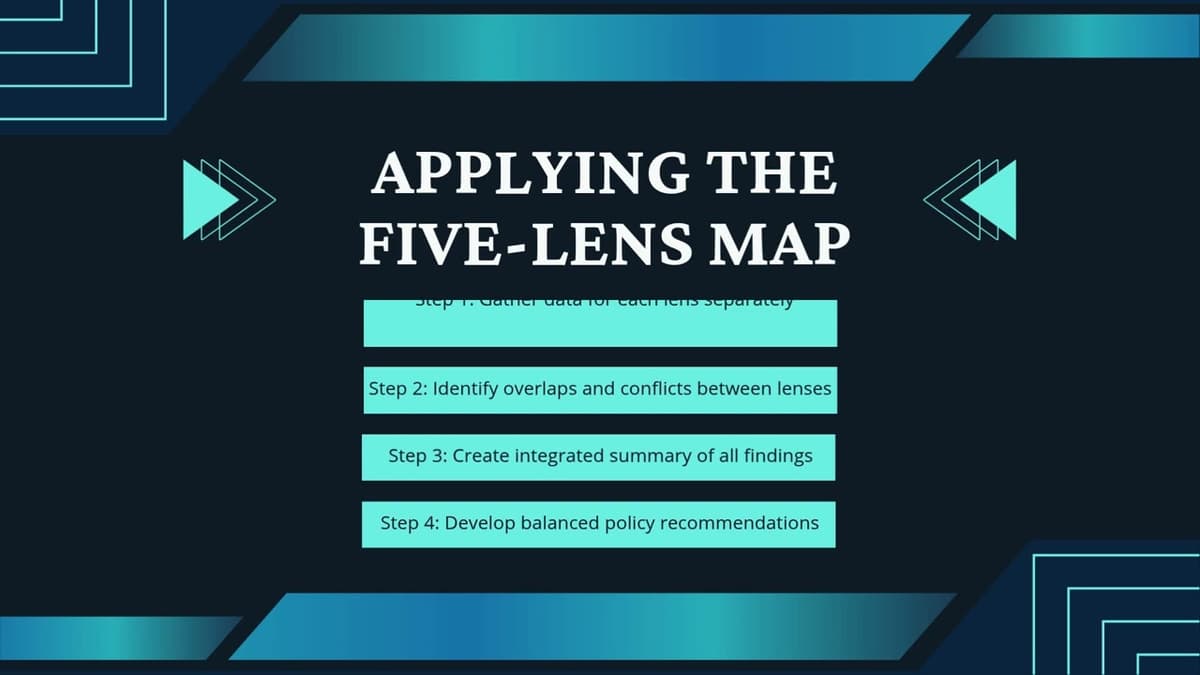
2.1 Policy Autopsy Framework | Masters in Health Economics
The lecture introduces the policy autopsy framework, a systematic method for dissecting why health policies succeed or fail. By applying five analytical lenses—economic, political, fiscal, equity, and implementation—students learn to assess decisions, resource use, and barriers in a structured way. Key...

Lecture: 3.0.1: Clinical Note Structure & De Identification
The lecture introduces the anatomy of clinical notes and the challenges of processing noisy electronic health record (EHR) narratives. It emphasizes the SOAP structure—Subjective, Objective, Assessment, Plan—as the foundational format for documenting patient encounters, and outlines common sources of textual...
Lecture 1.2.5.D | Data Validation & Pydantic in Python | Health Data Science
The lecture introduces data validation fundamentals and demonstrates how Pydantic streamlines validation in Python, especially for health‑data pipelines. Hamza explains why raw inputs from users, APIs, or databases must be vetted to prevent downstream errors, security risks, and poor machine‑learning...
Lecture 2.1.6 | Subscription vs Transactional Revenue Models | Masters in Medical Entrepreneurship
The lecture contrasts two primary revenue structures—subscription and transactional—explaining how each shapes cash flow, customer interaction, and growth strategy. Subscription models rely on recurring payments, offering firms stable income, tiered pricing, and opportunities for upselling, while transactional models depend on...

Lecture 1.1.3 | Price Collection | Masters in Health Economics
The lecture introduces price collection as the backbone of health‑economic evaluations, emphasizing that inaccurate monetary inputs can invalidate cost‑effectiveness results. It frames price gathering as a systematic, "bad work" that must be done meticulously before any model is built. Key insights...
Lecture 1.1.2 | Costing Methods | Masters in Health Economics
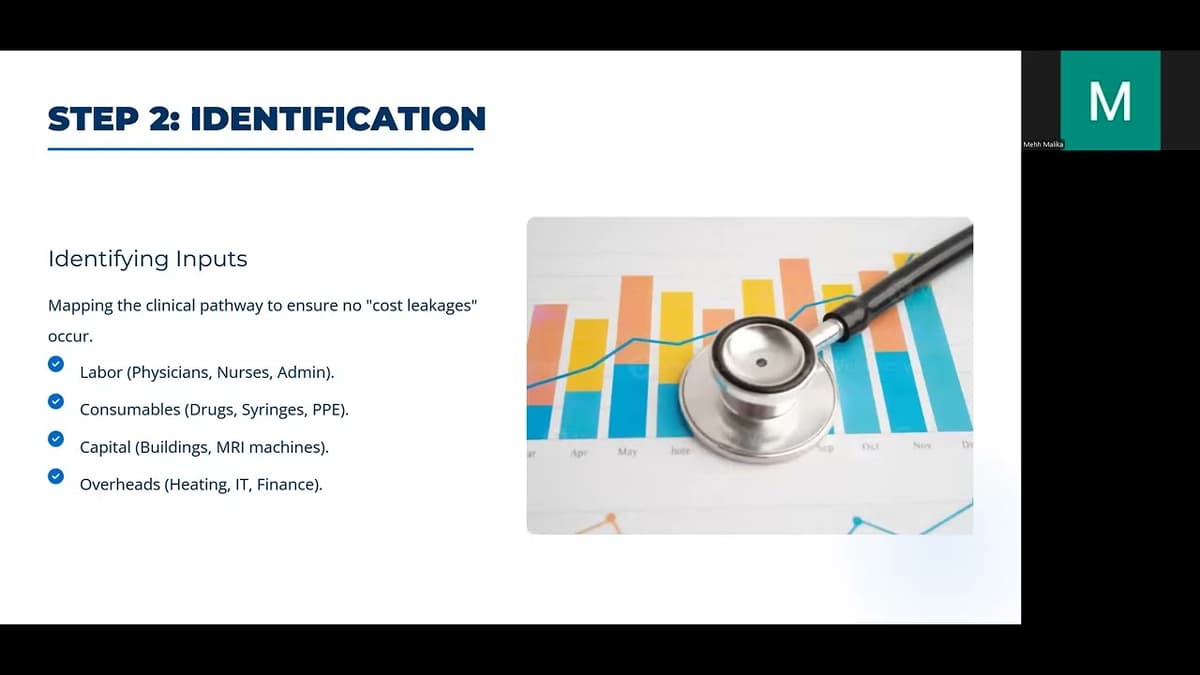
The lecture introduces health‑economics costing methods, contrasting top‑down aggregate approaches with bottom‑up micro‑costing. Using a new $2 million robotic surgery unit as a case study, the instructor shows why simple division of purchase price by procedure count is insufficient, highlighting hidden...
Lecture 2.1.5 | B2B2C Business Model in Healthcare | Masters in Medical Entrepreneurship
The lecture introduces the B2B2C (business‑to‑business‑to‑consumer) model, explaining how it blends manufacturing or service creation with a partner’s consumer‑facing platform, a structure increasingly common in health‑tech and other sectors. The instructor outlines a three‑step flow: a producer creates a product, partners...

Lecture 1.2.4 | Lecture Pooling and Allocation
The lecture focused on how countries manage health‑care financing through risk‑pooling and resource allocation, outlining the mechanics of collecting contributions, forming a common fund, and purchasing services. It contrasted large, unified pools with fragmented local schemes, emphasizing that broader pools...
Lecture 1.2.1 | Python for Healthcare Data | Masters in Medical Robotics
The first lecture of the Masters in Medical Robotics program introduces Python as the core tool for handling the massive, heterogeneous data streams generated by modern healthcare systems and surgical robots. It outlines the course’s three goals: understanding Python’s prevalence,...
Lecture 2.1.2 | Healthcare Revenue Streams Strategy (Part B) | Masters in Medical Entrepreneurship
The lecture outlines a structured strategy for healthcare professionals to build multiple revenue streams, moving from core clinical work to digital assets and long‑term investments. It emphasizes that expanding market access—through telemedicine, online meal plans, or virtual therapy—allows providers to...
Lecture 2.1.1 | Multi-Stream Revenue Models (Part A) | Masters in Medical Entrepreneurship
The lecture introduces multi‑stream revenue models as a core component of advanced business strategy, emphasizing that a single income source leaves firms vulnerable to market shifts. It outlines the module’s agenda: defining revenue streams, mapping a phased diversification approach, exploring...

Lecture 1.2.5.F | Containers, Images & DockerHub | Health Data Science
The lecture introduces Docker as a foundational tool for modern AI, data science, and backend development, covering containers, images, Docker Hub, and Docker Desktop. It explains why developers need Docker to overcome the classic "works on my machine" dilemma by...
Lecture 1.2.5.C | Python Testing & PyTest Tutorial | Health Data Science
The lecture introduces software testing fundamentals and demonstrates how the PyTest framework streamlines testing for Python developers, especially in health data‑science contexts. Key points include why testing matters—catching bugs early, boosting confidence, and safeguarding code during updates—and how PyTest simplifies repetitive...
Lecture 1.2.5.A | Python Environments Explained (Venv & Conda) | Health Data Science
The video introduces Python environments, explaining they are isolated spaces that contain a specific Python interpreter and required libraries for each project. Hamza contrasts three environment types—global, virtual (venv) and Conda—highlighting that global installs cause version clashes, while virtual environments prevent...

Perspective Lenses & Policy Brief Teaser | Masters in Health Economics
The session introduced a health‑economics framework that dissects a single $71 delivery into four distinct cost lenses—provider, patient, payer, and societal—to illustrate how perspective reshapes perceived expense. Key data reveal the provider’s narrow cash cost at $26, excluding donated inputs; patients...

Lecture 1.2.4B | AI, Cybersecurity & Real-Time Health Systems | Masters in Medical Entrepreneurship
The lecture explores how artificial intelligence, cybersecurity, and real‑time health technologies intersect to reshape modern medical entrepreneurship. It outlines the growing reliance on digital infrastructure—ranging from network protection to wearable sensors—and argues that AI‑driven solutions are essential for safeguarding sensitive...

Lecture 1.2.4A | AI & Technology Integration in Healthcare | Masters in Medical Entrepreneurship
The lecture titled “AI & Technology Integration in Healthcare” introduces how connecting artificial‑intelligence models with existing digital infrastructure turns theoretical algorithms into actionable clinical tools. Shanfa explains that AI alone—just code and models—cannot function without access to databases, networks, sensors, and...
Lecture 1.1.4B | Healthcare Funding & Startup Failure (Part B) | Masters in Medical Entrepreneurship
The lecture dissects the unique financing trajectory of healthcare startups, emphasizing that capital must flow slower, deeper, and with heightened risk awareness compared with consumer tech. It outlines the funding ladder—from $10K‑$100K pre‑seed idea validation, through $100K‑$2M seed pilots, to...

Lecture 1.1.4A | Healthcare Regulation & FDA Pathways (Part A) | Masters in Medical Entrepreneurship
The lecture explains why healthcare innovation diverges from consumer tech, emphasizing that regulatory approval, funding realities, and clinical constraints shape a startup’s fate. It walks through FDA device pathways, digital‑health software rules, and the differing landscapes of high‑income versus low‑...