Innate Immunity, Neutrophils & Aging - The Hidalgo Lab at Yale School of Medicine
The Hidalgo Lab at Yale focuses on neutrophils, the most abundant short‑lived innate immune cells, exploring how they contribute beyond pathogen killing—reinforcing barriers and aiding thermoregulation—and how their function changes with age. Researchers highlight that loss of innate immune efficiency subtly degrades heart and lung performance, accelerating chronic disease. Using high‑resolution microscopy, flow cytometry, and single‑cell transcriptomics, they map neutrophil responses to perturbations such as aging, tumors, and other stressors. “We have billions of neutrophils circulating daily,” says the speaker, emphasizing their potential as a diagnostic and therapeutic reservoir. The lab’s data reveal age‑related transcriptional shifts that correlate with reduced tissue resilience. By decoding neutrophil dynamics, the team aims to develop interventions that harness this cellular army to improve tissue health, delay aging, and uncover mechanisms behind poorly understood diseases.
Treating Lupus with CAR-T Cell Therapy - Yale Medicine Explains
The video explains how Yale Medicine is adapting CAR‑T cell therapy—originally approved for blood cancers—to treat systemic lupus erythematosus. By extracting a patient’s T cells, re‑programming them to recognize and destroy pathogenic B cells, and reinfusing them, researchers aim to...
Cellular Trafficking & Polycystic Kidney Disease - The Caplan Lab at Yale School of Medicine
The Caplan Lab at Yale School of Medicine focuses on how kidney epithelial cells organize their apical and basolateral domains to control barrier function and selective transport. By dissecting the role of tight junctions and protein‑targeting pathways, the group aims...
Primary Brain Tumors - Yale Medicine Explains
The video explains primary brain tumors—lesions that originate in the brain itself rather than spreading from elsewhere—and outlines Yale Medicine’s comprehensive approach to diagnosis and treatment. It distinguishes benign from malignant forms, focusing on gliomas, which span low‑grade, slow‑growing tumors...
Tissue Systems, Cell Signaling & Algorithms - The Raredon Lab at Yale School of Medicine
The Raredon Lab at Yale School of Medicine focuses on deciphering how multicellular tissues maintain their identity through intricate cell‑to‑cell communication. By leveraging spatial transcriptomics and spatial multi‑omics, the team captures gene‑expression and protein data from individual cells within intact...
Researching The Cause & Treatment of Depression - Yale Medicine Explains
The video outlines Yale Medicine’s effort to decode depression’s underlying biology and to develop next‑generation therapies. It traces the evolution from early discoveries of neuronal communication to modern concepts of brain circuits, networks, and neuroplasticity as the foundation of mood...
Chronic Liver Disease - Yale Medicine Explains
The video explains how the liver’s remarkable regenerative capacity can mask chronic injury, but persistent inflammation eventually leads to fibrosis and cirrhosis, the primary drivers of end‑stage liver disease. Continuous attempts at repair generate scar tissue that replaces functional parenchyma. When...
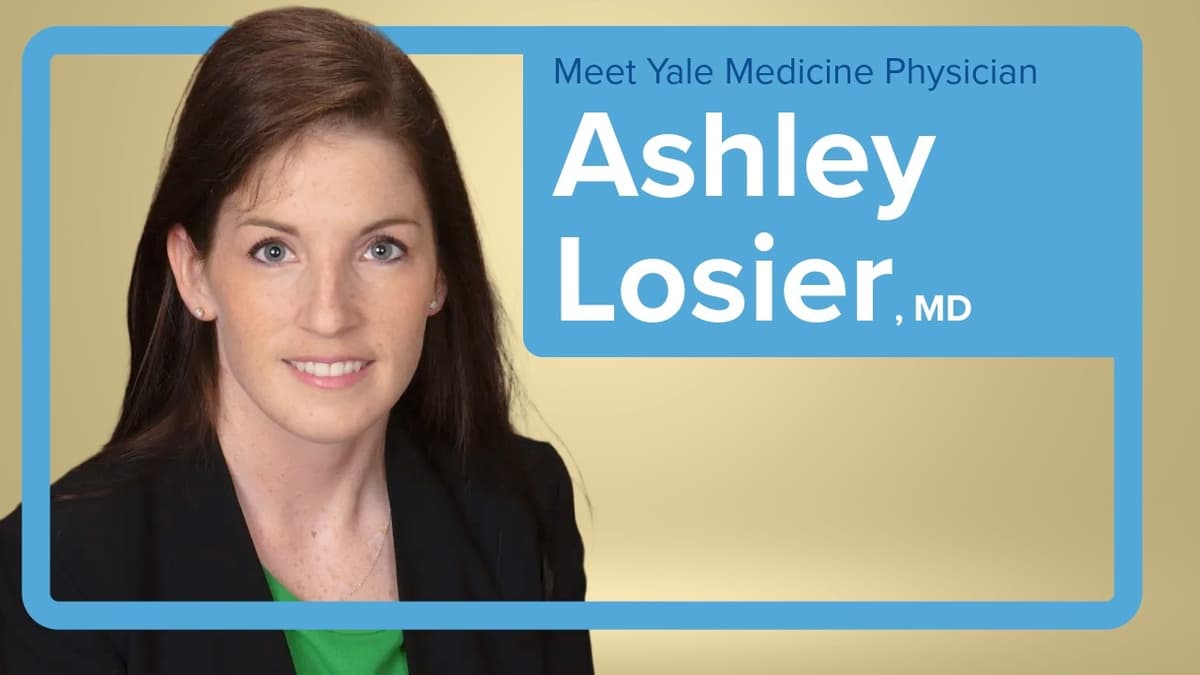
Meet Pulmonary Critical Care Physician Ashley Losier, MD
Dr. Ashley Losier, a pulmonary‑critical care physician at Yale, explains why the specialty’s breadth—spanning both outpatient clinics and intensive inpatient settings—makes the work especially rewarding. She emphasizes the variety of clinical presentations, from chronic lung infections to complex airway disorders,...
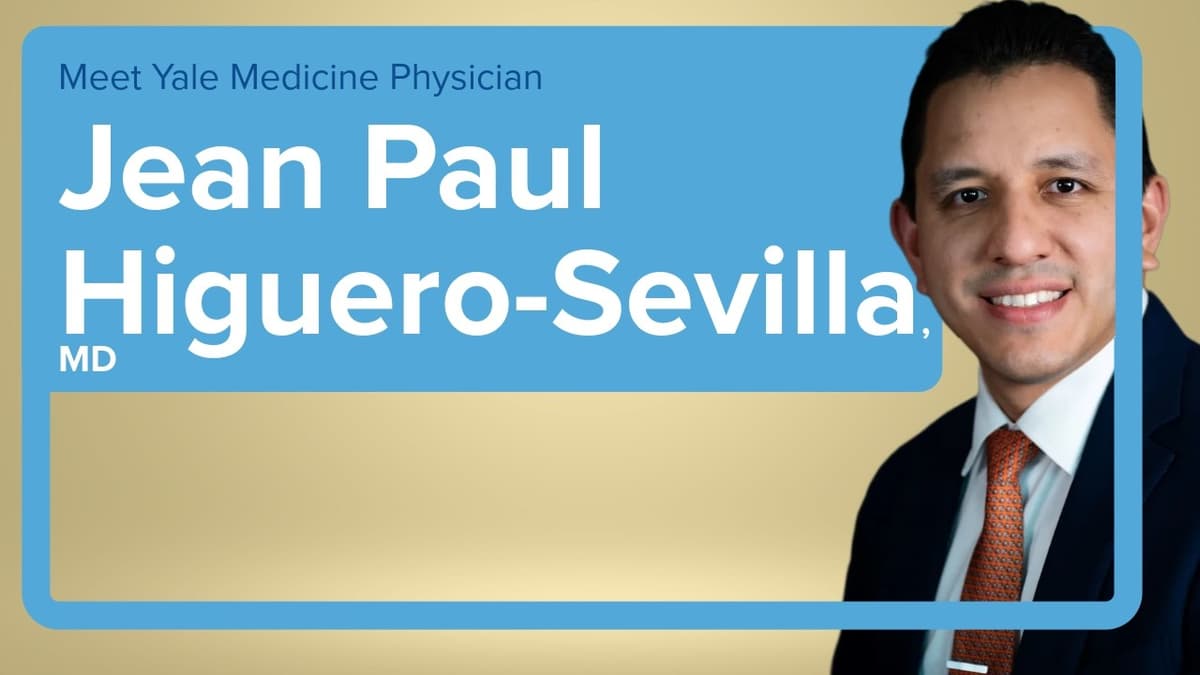
Meet Pulmonary Critical Care Physician Jean Paul Higuero-Sevilla, MD
The video introduces Dr. Jean Paul Higuero‑Sevilla, a pulmonary critical‑care physician whose practice centers on interstitial lung diseases and other rare pulmonary disorders. He serves as clinic director of Connecticut’s sole dedicated center for these conditions, operating under the Lam...
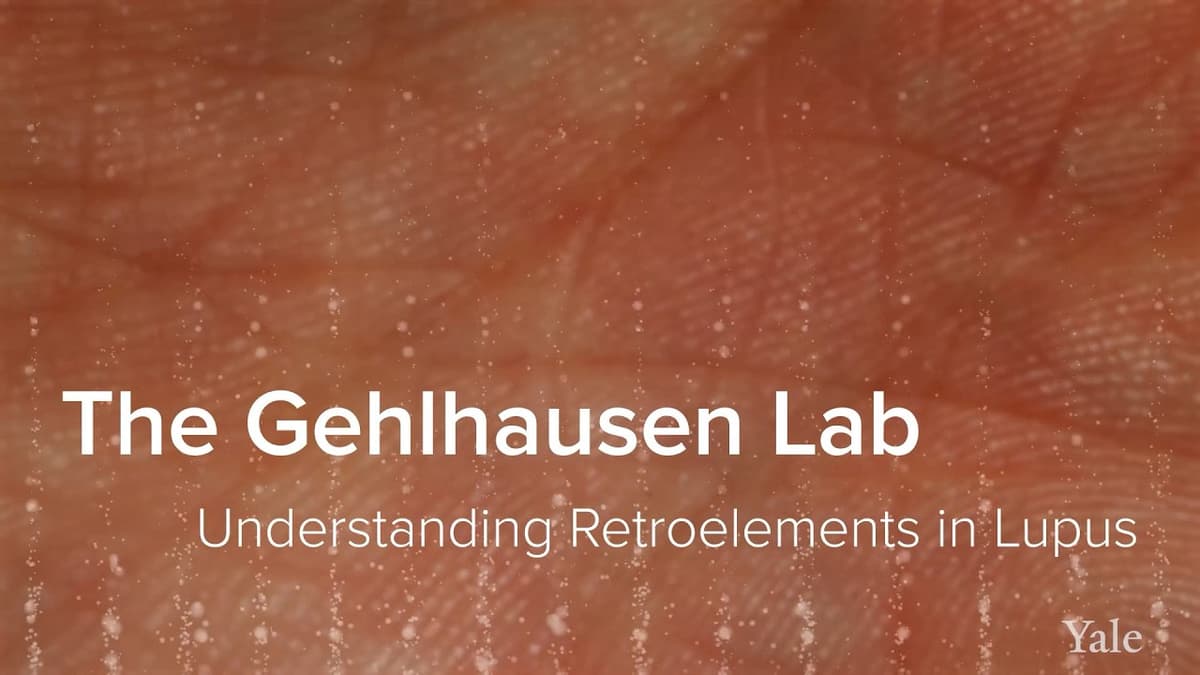
Lupus, Autoimmune Inflamation & Retroelements - The Gehlhausen Lab at Yale School of Medicine
The Gehlhausen Lab at Yale investigates cutaneous lupus, focusing on how the skin’s immune response becomes chronically activated and fails to shut off, effectively treating the tissue as if it were infected by a virus. Researchers highlight that lupus patients...
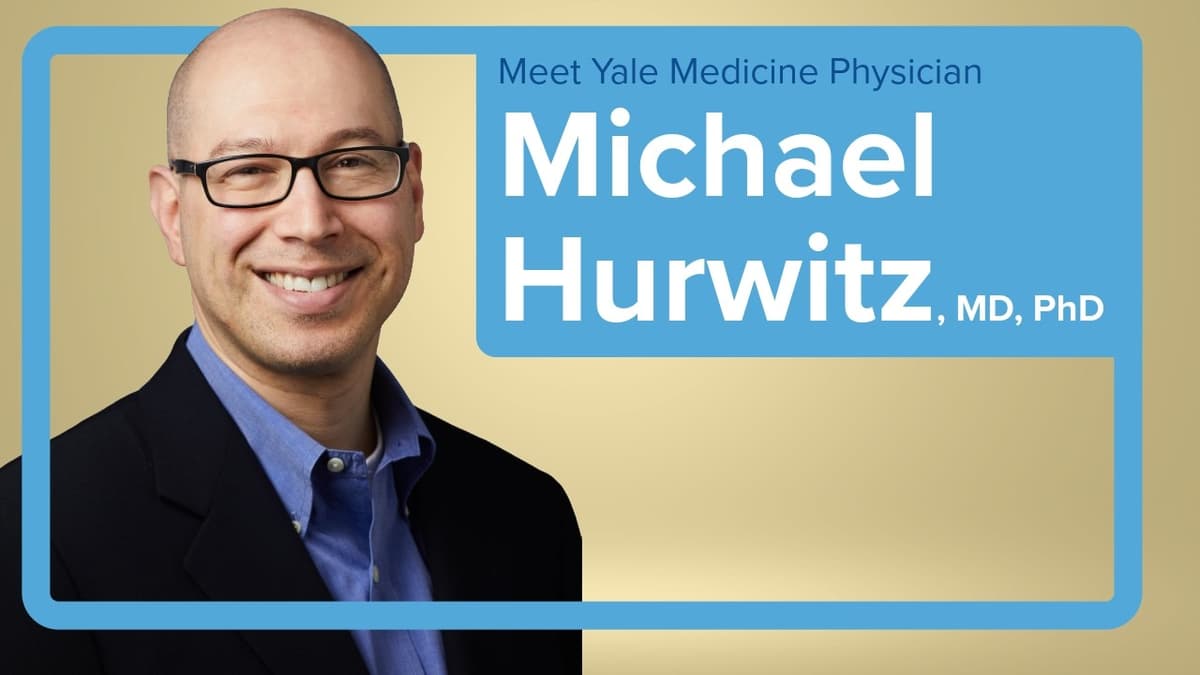
Meet Oncologist Michael Hurwitz, MD, PhD
The video introduces Dr. Michael Hurwitz, MD, PhD, an oncologist who focuses on urogenital malignancies—including prostate, kidney, bladder, and testicular cancers—and heads a solid‑tumor cellular immunotherapy program. Hurwitz explains that his team harvests patients’ own immune cells or donor cells, engineers...
Meet Physiatrist Mustapha Kemal, MD
The video introduces Dr. Mustapha Kemal, a board‑certified physiatrist, and explains that physiatry is a medical specialty dedicated to improving patients’ functional abilities after surgery, injury, or chronic illness. Unlike traditional specialties that focus on diagnosis or surgical intervention, physiatrists...

Yale Center for the Science of Cannabis and Cannabinoids
The Yale Center for the Science of Cannabis and Cannabinoids was created to generate rigorous, interdisciplinary research on cannabis—from molecular neuroscience to real‑world behavioral studies—and to train the next generation of investigators for the next two decades. The Center highlights how...
Meet Pulmonary Critical Care Physician Shyoko Honiden, MD, MS
The video introduces Dr. Shyoko Honiden, a pulmonary critical‑care physician whose daily work centers on managing the most severely ill patients in the intensive care unit. She describes the ICU as a setting where patients arrive after events such as...
DNA Damage Response - A Basic Explanation
Conventional treatment of adult and pediatric brain tumors relies heavily on cytotoxic chemotherapy and radiation, both of which induce extensive DNA damage in cancer cells. The video explains that tumor cells often survive this assault by activating DNA damage response (DDR)...