
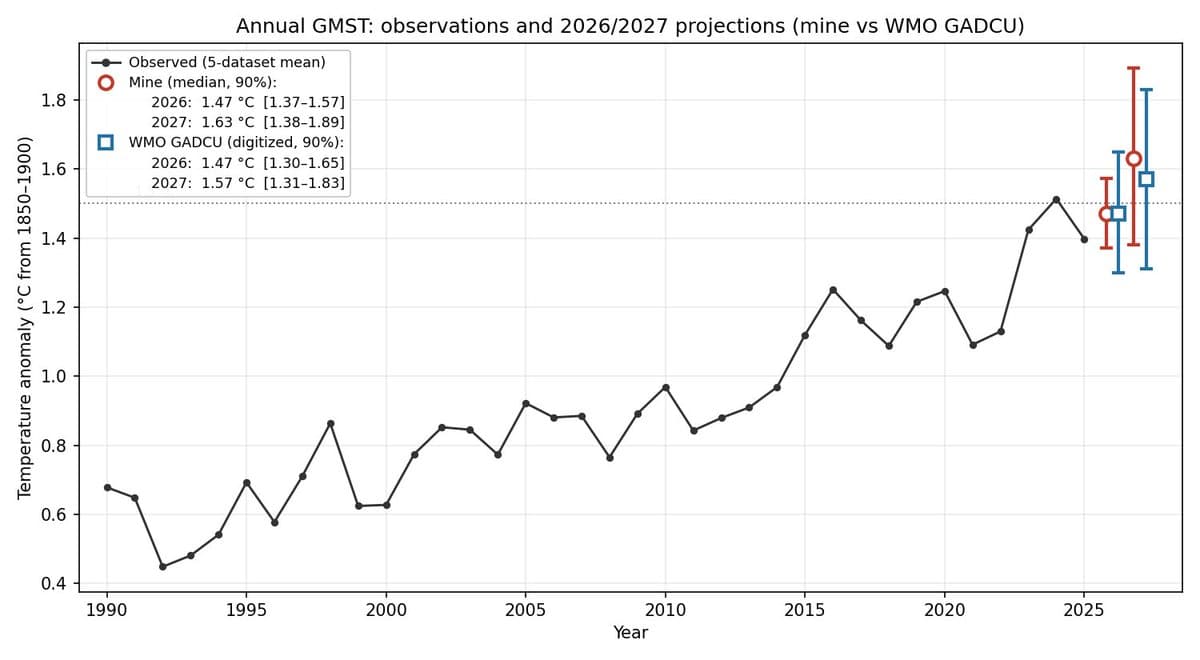
WMO and Independent Projections Converge on 2026‑27 Temperatures
Today the @WMO released projections of where temperatures may end up over the next five years (baed on 13 different models and 250 ensemble members). Their estimates for 2026 and 2027 are quite close to my (updated) ones: https://t.co/j1VBEaUOQn
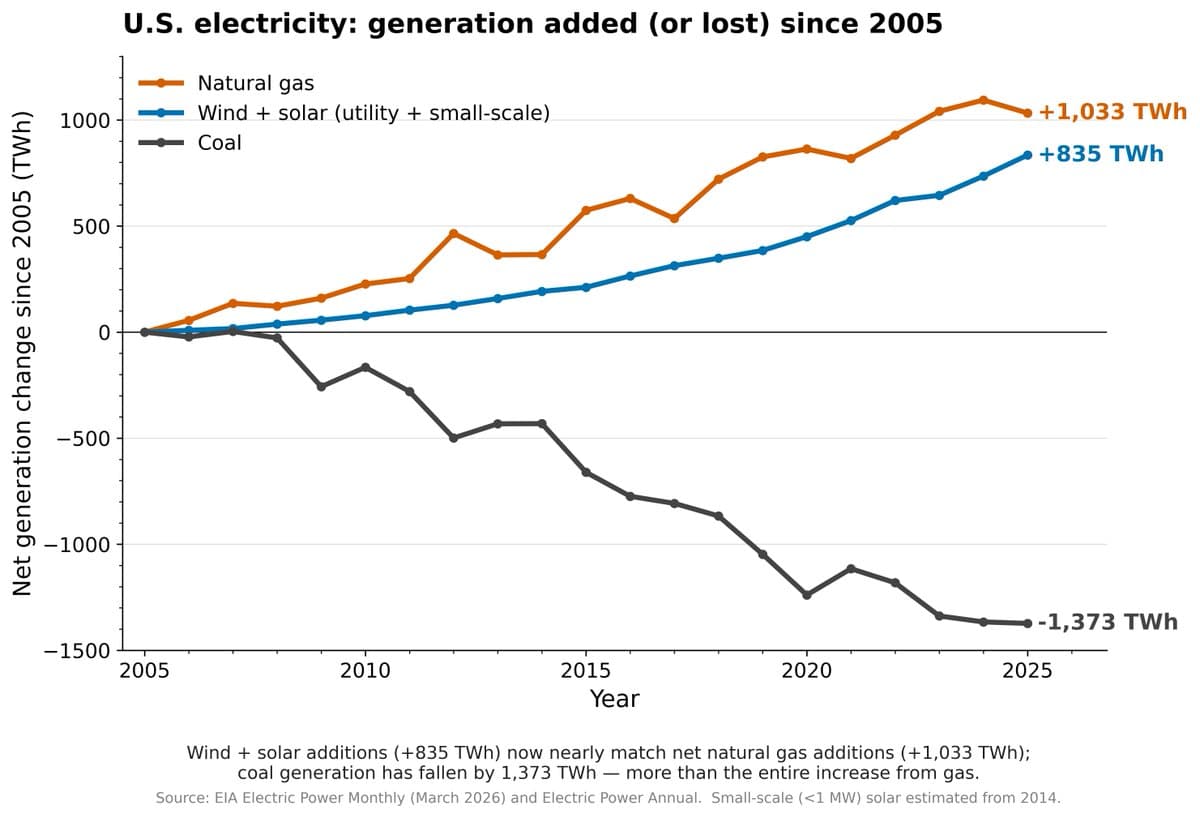
Shale Gas and Renewables Power Demand, Crush US Coal
While the shale gas revolution has transformed the US electricity system, so has the rise of wind and solar which have added nearly as much generation as gas since 2005. Both have met new demand while decimating US coal generation....
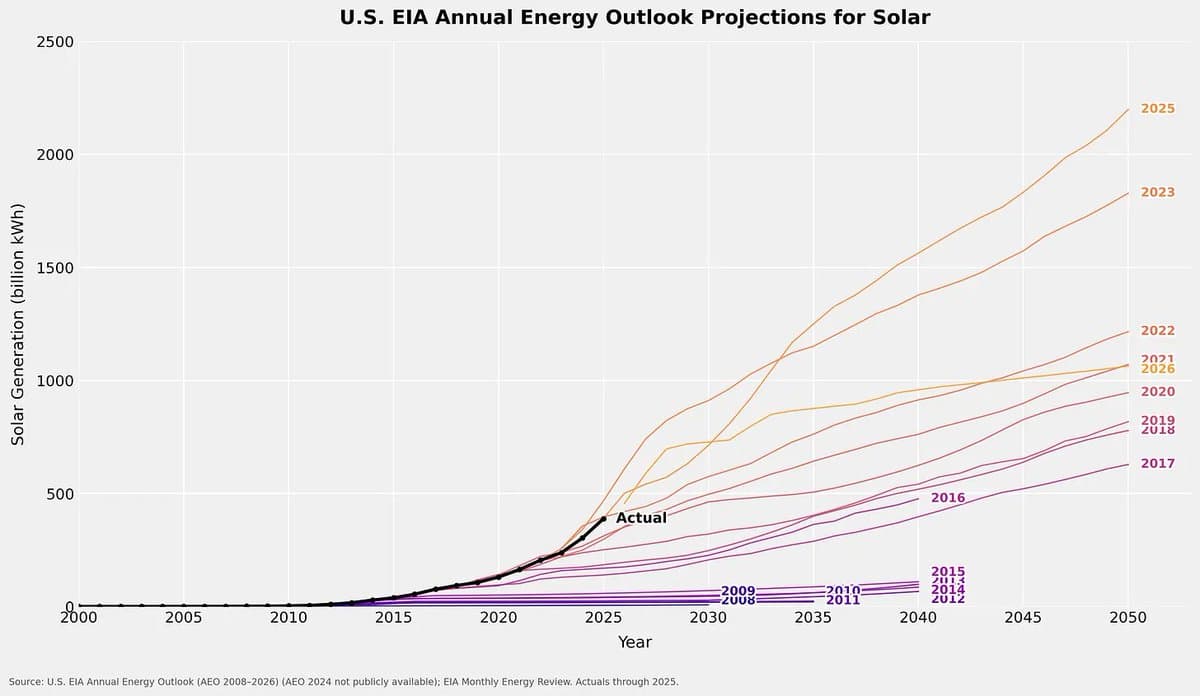
Energy Futures Missed: US Systems Evolve Unexpectedly
Predicting the future of energy is hard, and reality has a way of moving in directions we don't anticipate. @AndrewDessler has a new piece over at The Climate Brink on how energy systems have evolved in the US compared to...
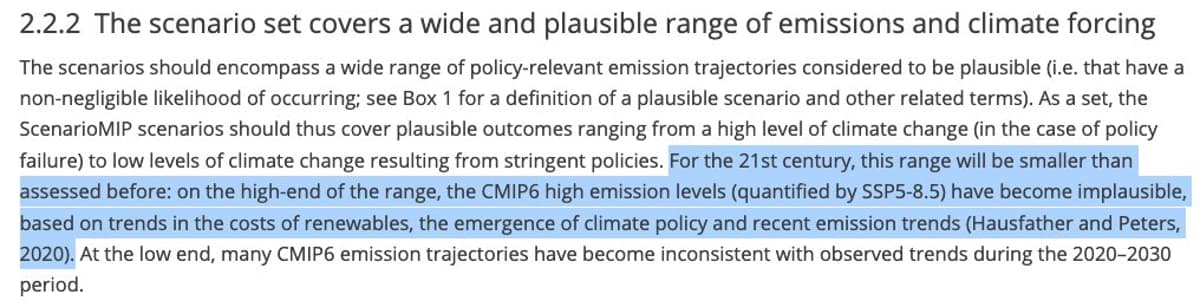
New Paper Outlines Emissions Scenarios for IPCC AR7
Thats certainly a take. Here is what the new paper introducing the emissions scenarios we are using in the upcoming IPCC 7th Assessment Report actually says: https://t.co/KiwY0IANWW
Medium Scenario only 2°C Cooler than SSP5‑8.5
Roger does a bit of a clever trick comparing the upper bound of SSP5-8.5 to the central estimate of the CMIP7placeholder medium scenario. In reality the central estimate of the medium scenario is 2C lower than SSP5-8.5, not 3C.
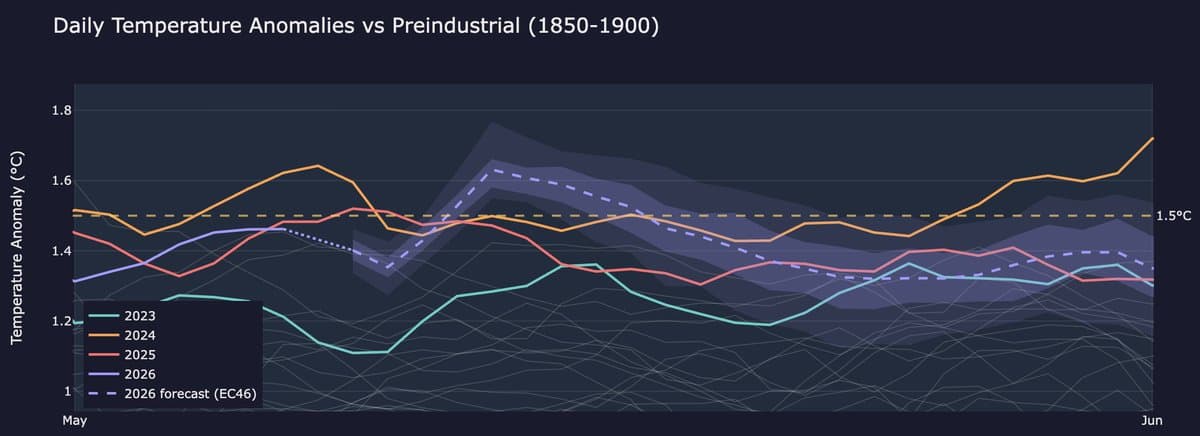
Dashboard Adds 46-Day Forecast to Temperature Anomaly
A few new updates to my Climate Dashboard: First, I've incorporated the ECMWF 46-day forecast (and its ensemble uncertainty) into the global mean surface temperature anomaly figure, so you can see both historical and forecast near-term temperatures. https://t.co/QnyawIJqFS
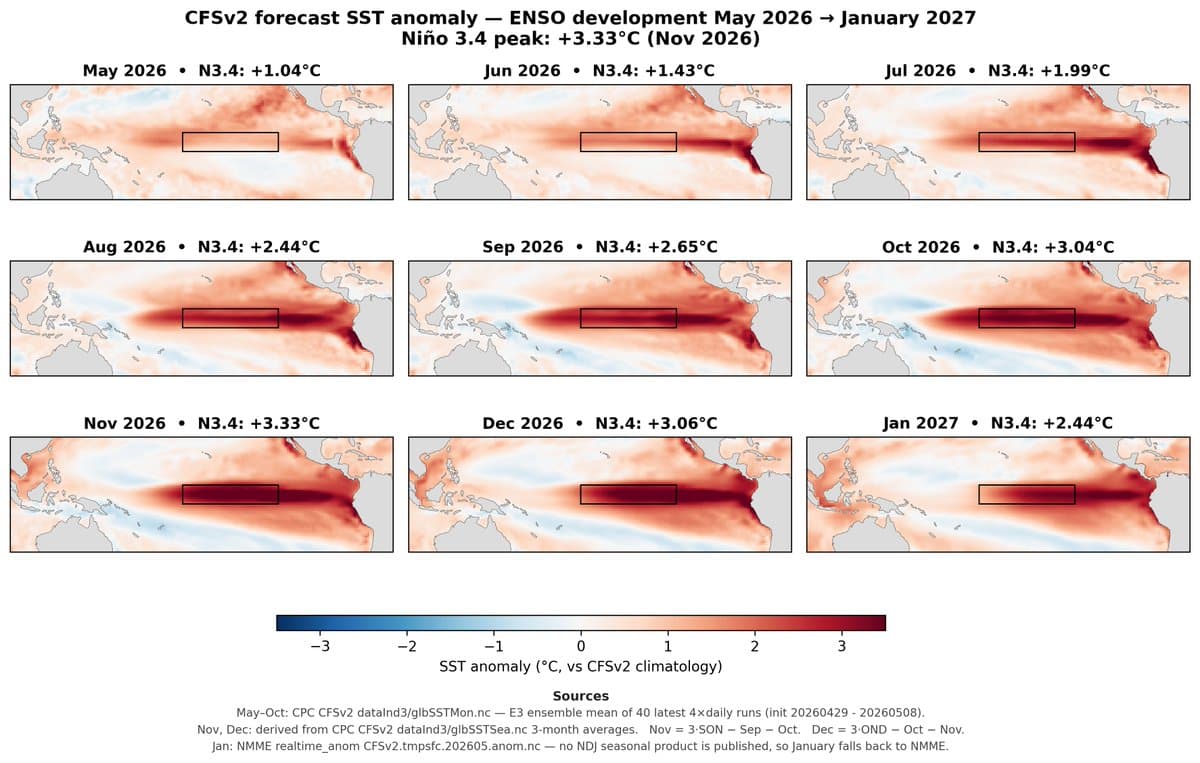
CFSv2 Shows Monthly El Niño Projection Evolution
Here is the evolution of the projected El Nino event by month in the latest CFSv2 model runs (last 8 days): https://t.co/Q2jlk0zmTv
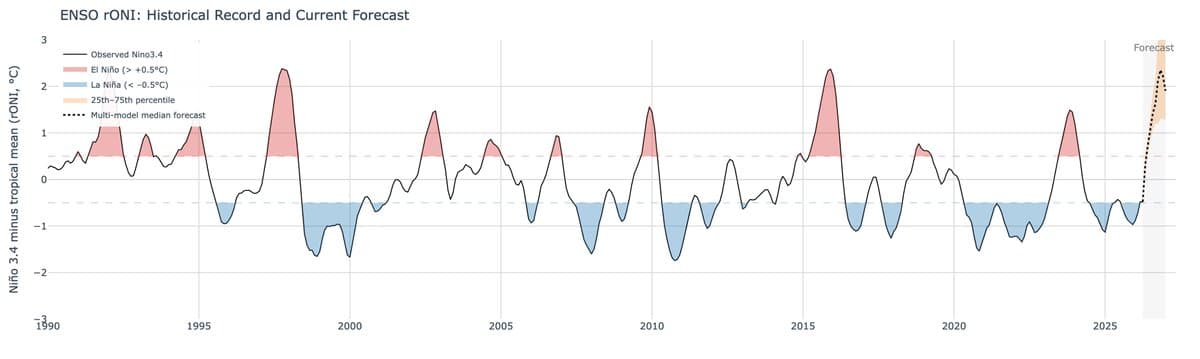
New Model Shows El Niño Matching 1998
With the new NMME model update, even the more conservative relative Oceanic Nino Index metric now has us roughly tied with 1998 and 2026 El Nino events: https://t.co/DqXtEIMsQ8 https://t.co/FZYRTW74iw
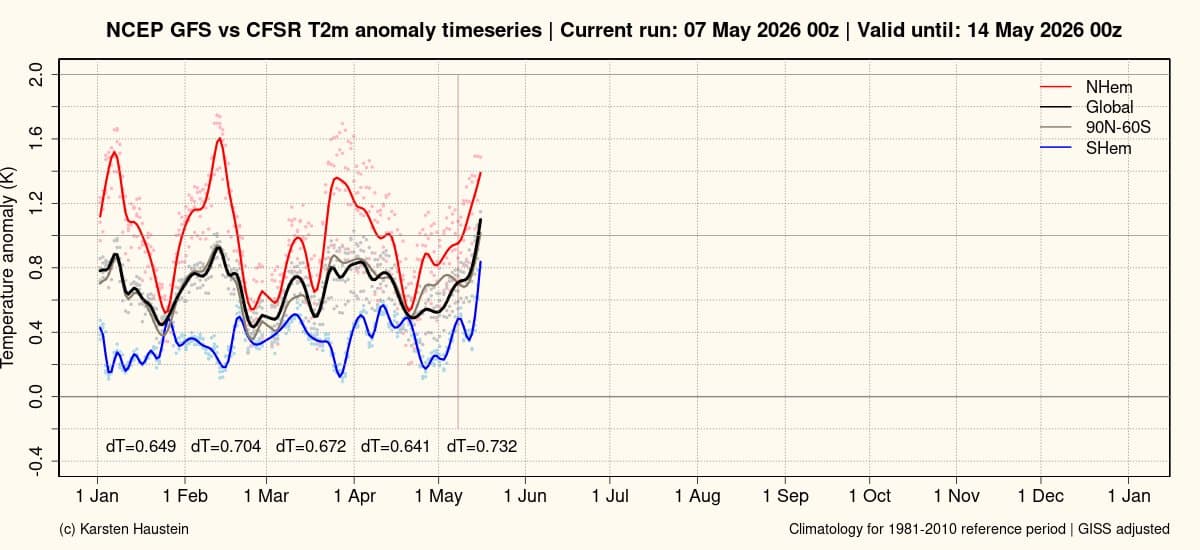
Global Temperatures Set to Break Records Next Week
The next week is looking like it might be toasty for global temperatures in the latest model runs. If this holds it would put us well into record territory for this time of year: https://t.co/FdGqR3FlU3 https://t.co/doCUvDKqKU
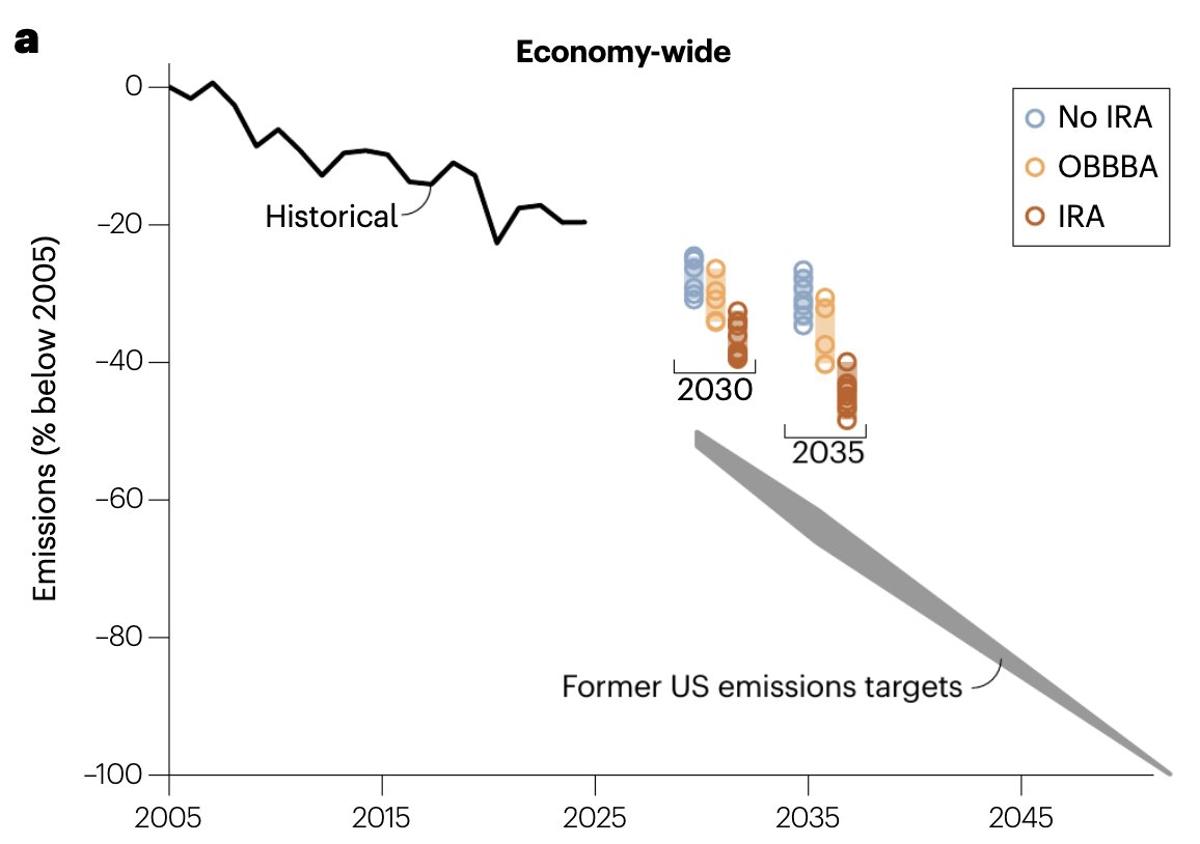
US Emissions Falling, but Net‑zero Delayed to 2100
US emissions will likely continue to decline over the next decade even with the partial repeal of the IRA (and the passage of the OBBBA). But the rate of decline puts us on track to get to net zero emissions...
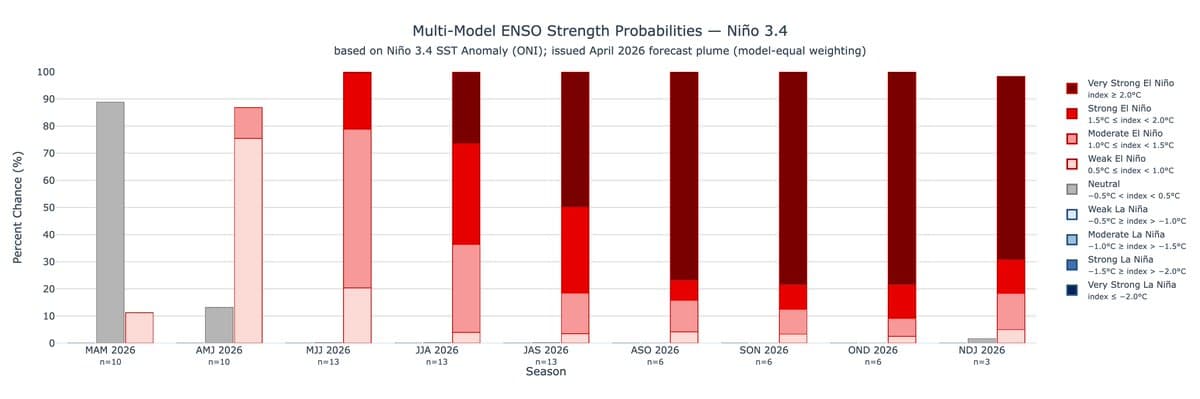
New Climate Dashboard Offers Daily Probabilistic ENSO Forecast
I've updated my Climate Dashboard to provide a daily updating probabilistic ENSO forecast similar to NOAA's, using 637 ensemble members across 13 different models (weighted by unique model). Here are the current results using the Oceanic Nino Index (ONI) https://t.co/MnveT7pFLN
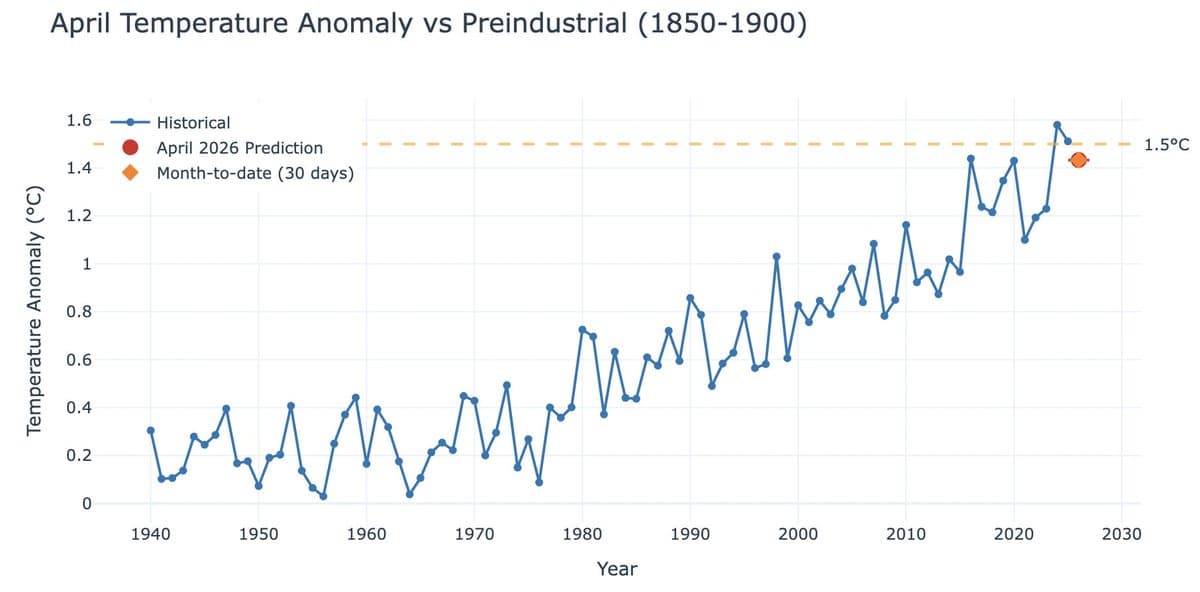
April 2026 Ranks Fourth Warmest, 1.43 °C Above Preindustrial
April 2026 was the 4th warmest on record in the ERA5 dataset, at 1.43C above preindustrial levels. https://t.co/wTmtcDnDea
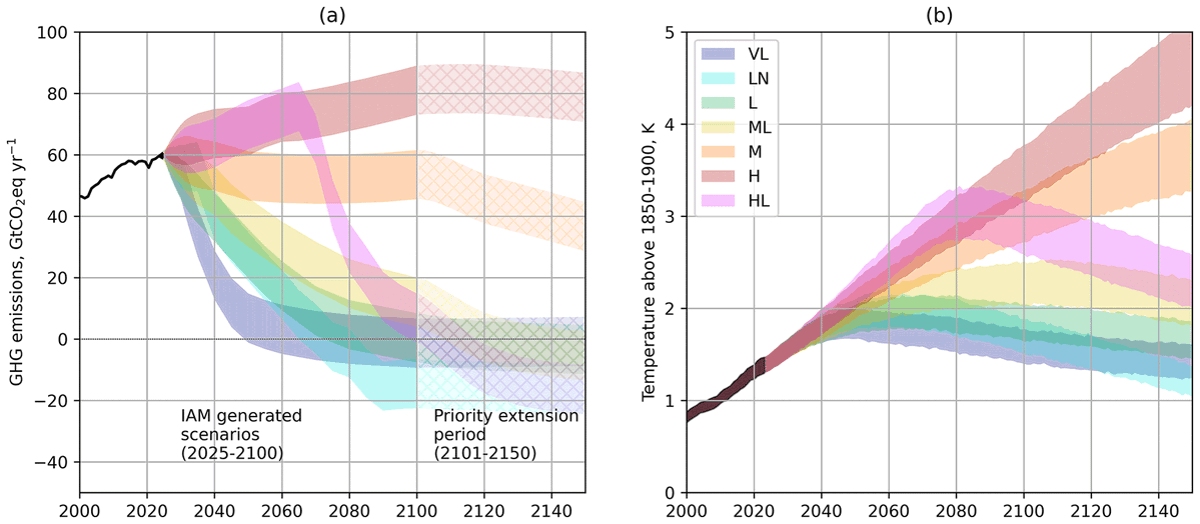
IPCC Deems Extreme SSP5‑8.5 Emissions Scenario Implausible
The arc of the scenario universe is long, but it bends inevitably toward more realistic emissions. A new paper outlining the emissions scenarios we will be using in the upcoming IPCC AR7 report notes that "the CMIP6 high emission levels...
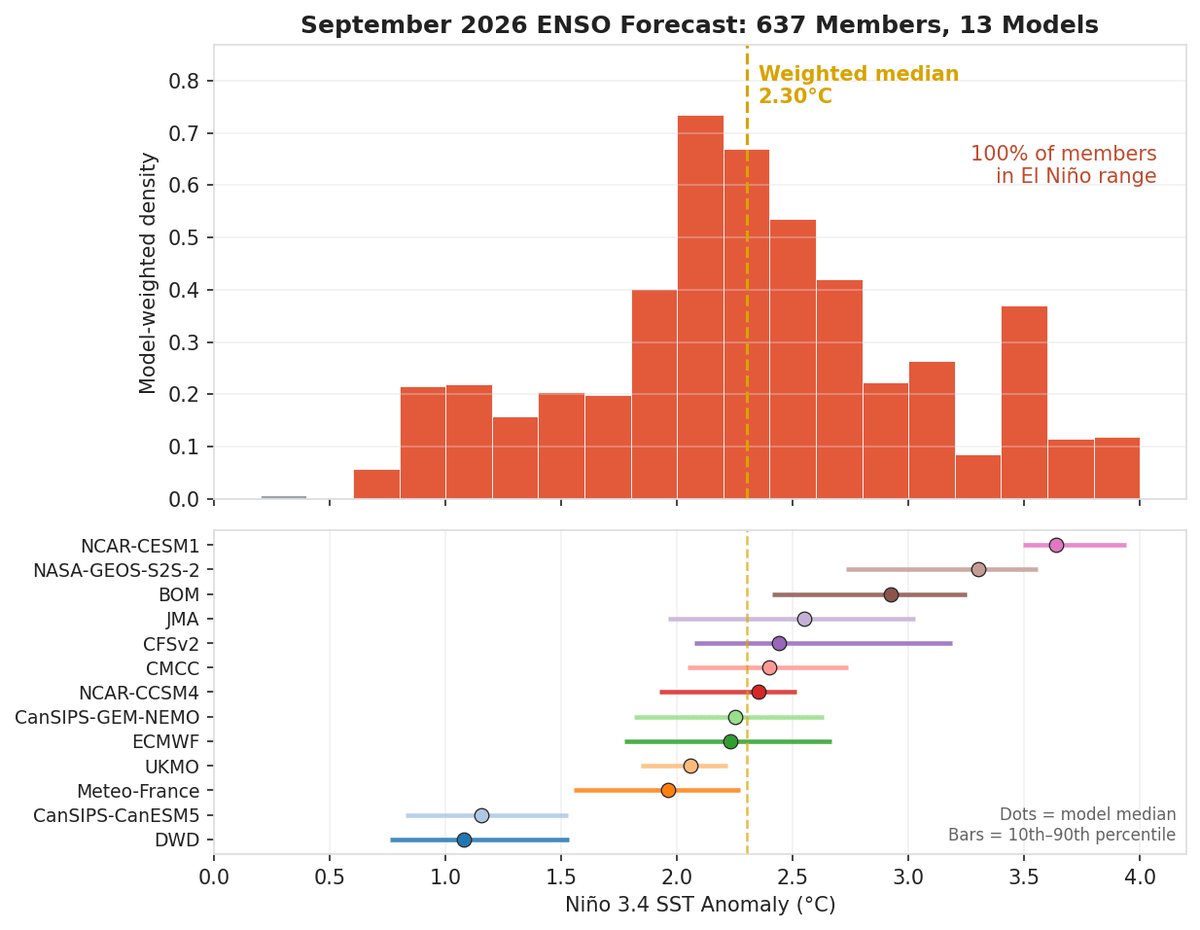
All Major Models Predict Strong El Niño by September
With the update to the CanSIPS models today (CanESM5 and GEM-NEMO) there is now unanimous agreement around an El Nino developing by September, and likely quite a strong one. We will be getting May updates to many of these models...
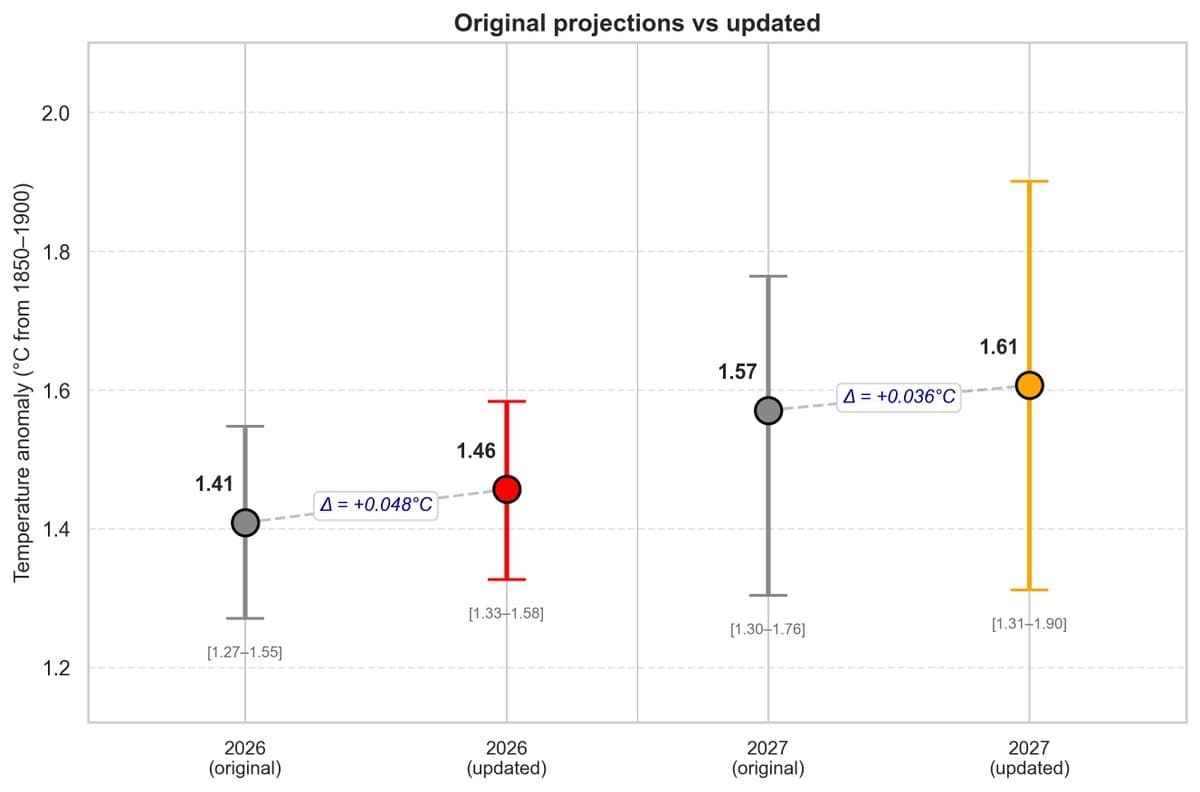
2026‑27 Temperature Forecasts Rise Amid Strong El Niño
I've updated my 2026 and 2027 annual temperature forecasts in light of the strong El Nino forecast (and 2026 data to-date) over at the Climate Brink, as well as methodological changes for more robust uncertainties. Both are now higher than they...