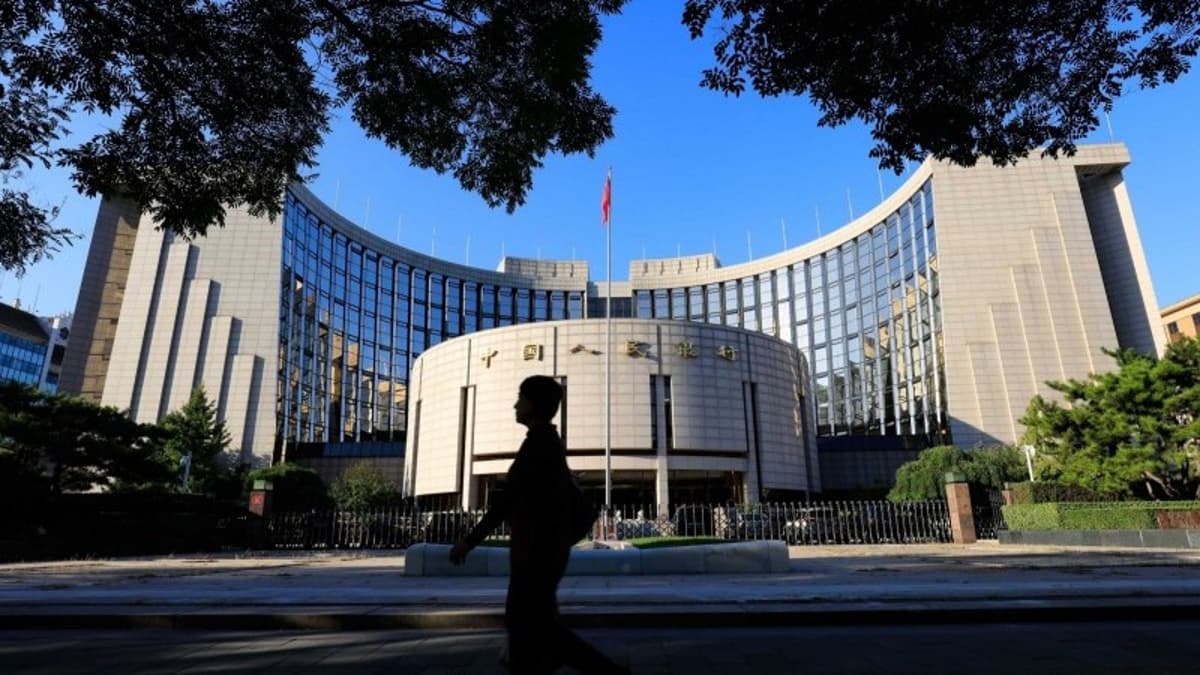
China Reflation Momentum Strengthens in April, Likely Keeping the PBOC on Hold
Why It Matters
Stronger inflation and robust export performance reduce urgency for a rate cut, shaping China’s monetary policy trajectory and influencing global capital flows. Investors and corporates must gauge how lingering price pressures could affect growth and sectoral performance.
Key Takeaways
- •April CPI rose to 1.2% YoY, beating forecasts
- •PPI hit 2.8% YoY, a 45‑month high
- •Energy prices surged 17.4% YoY, driving producer inflation
- •Residential rents fell 0.6% YoY, pressuring property sector
- •Export growth outpaced forecasts, bolstering Q1 GDP 5% YoY
Pulse Analysis
China’s April inflation data reignited the reflation narrative that has been building over the past year. Consumer price inflation ticked up to 1.2% year‑on‑year, reversing a modest decline in March, while producer‑price inflation surged to 2.8% YoY, the strongest level in nearly four years. The jump was largely powered by a 17.4% rise in energy costs, reflecting higher oil prices linked to the Iran conflict. Food inflation remained a drag, with pork prices plunging 15.2%, but analysts expect the pork cycle to normalize as soybean supplies stabilize.
The mixed inflation picture is reshaping expectations for the People’s Bank of China (PBoC). With both headline and core CPI aligning at 1.2% and PPI showing sustained upward momentum, the central bank faces less pressure to cut rates immediately. Instead, policymakers appear poised to maintain the current stance, waiting for clearer signs of a slowdown in activity or a reversal in energy‑driven price pressures. This cautious approach contrasts with many advanced economies that are already tightening, positioning China as a potential source of relative monetary stability in the global landscape.
For investors, the data underscores a nuanced risk‑reward environment. Export growth outperformed forecasts, supporting a 5% YoY GDP expansion in Q1 and hinting at continued demand from the United States. However, the decline in residential rents and lingering weakness in domestic consumption signal ongoing challenges for the property sector and consumer‑driven industries. Commodity‑linked firms may benefit from higher input costs passing through to pricing power, while sectors reliant on housing demand could face headwinds. Monitoring the PBoC’s policy timeline will be critical for positioning across equities, fixed income, and currency markets as China navigates the balance between reflation and growth sustainability.
China reflation momentum strengthens in April, likely keeping the PBOC on hold
Comments
Want to join the conversation?
Loading comments...