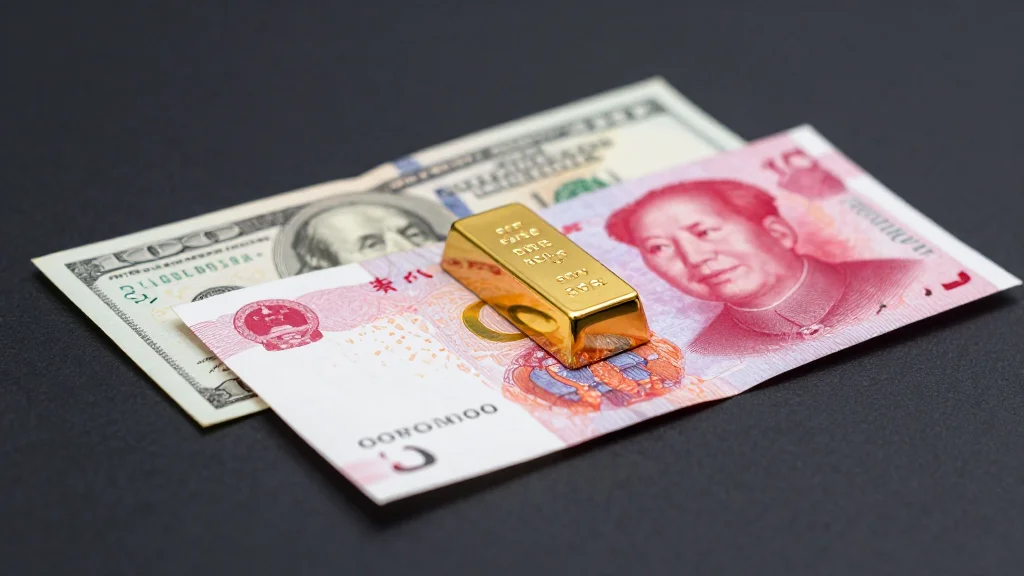
Chinese Banks Lift Dollar Deposit Rates as Yuan Climbs 3% YTD

Why It Matters
The coordinated rate hikes signal a rare instance of Chinese banks using deposit pricing to influence macro‑economic outcomes, specifically the exchange rate. By offering yields that match or exceed global benchmarks, banks aim to absorb foreign‑currency inflows, thereby dampening upward pressure on the yuan and protecting export‑driven growth. The move also tests the limits of China’s capital‑account controls, as higher USD rates could shift funds from traditional wealth‑management channels into bank deposits, reshaping the landscape of cross‑border capital flows. For investors, the policy shift adds a new variable to currency forecasts and risk‑premia calculations. A slower‑appreciating yuan may ease concerns about export margin compression, but it could also signal tighter liquidity conditions for foreign investors seeking dollar exposure in China. Monitoring the PBOC’s response will be crucial for assessing whether this is a temporary market‑driven adjustment or the start of a broader strategic pivot in China’s foreign‑exchange management.
Key Takeaways
- •At least five Chinese banks raised USD deposit rates to around or above the 3.61% SOFR benchmark.
- •The yuan has gained over 3% against the dollar in 2026, prompting concerns about export competitiveness.
- •Foreign‑exchange deposits reached $1.15 trillion in April, a 20% year‑over‑year increase.
- •Natixis senior economist Gary Ng warned that mismatched USD rates could divert money into other wealth‑management products.
- •The People’s Bank of China has not publicly confirmed guidance on the rate adjustments.
Pulse Analysis
China’s decision to let banks raise dollar‑deposit rates marks a subtle but significant shift in how monetary authorities can influence the exchange rate without direct intervention. Historically, the PBOC has relied on reserve requirements, capital controls, and occasional direct market operations to manage yuan volatility. By allowing market‑driven rate competition, the central bank may be testing a more flexible toolkit that leverages the banking sector’s balance‑sheet capacity to absorb foreign currency.
The timing aligns with a broader global environment of rising funding costs, as the U.S. Federal Reserve’s policy stance keeps SOFR elevated. Chinese banks, by matching these rates, not only protect their deposit base but also create a buffer against capital outflows that could otherwise accelerate yuan appreciation. However, this approach carries risks: if deposit rates outpace global benchmarks, they could strain banks’ net interest margins and push savers toward higher‑yielding offshore products, potentially undermining domestic financial stability.
Looking ahead, the durability of this strategy will depend on the PBOC’s willingness to either codify a flexible deposit‑rate framework or revert to tighter ceilings if the yuan’s trajectory diverges from policy targets. For multinational corporations and investors, the development adds a layer of predictability to currency hedging strategies, but also underscores the need to monitor domestic policy signals closely as China navigates the twin challenges of supporting export growth and maintaining financial market equilibrium.
Chinese banks lift dollar deposit rates as yuan climbs 3% YTD
Comments
Want to join the conversation?
Loading comments...