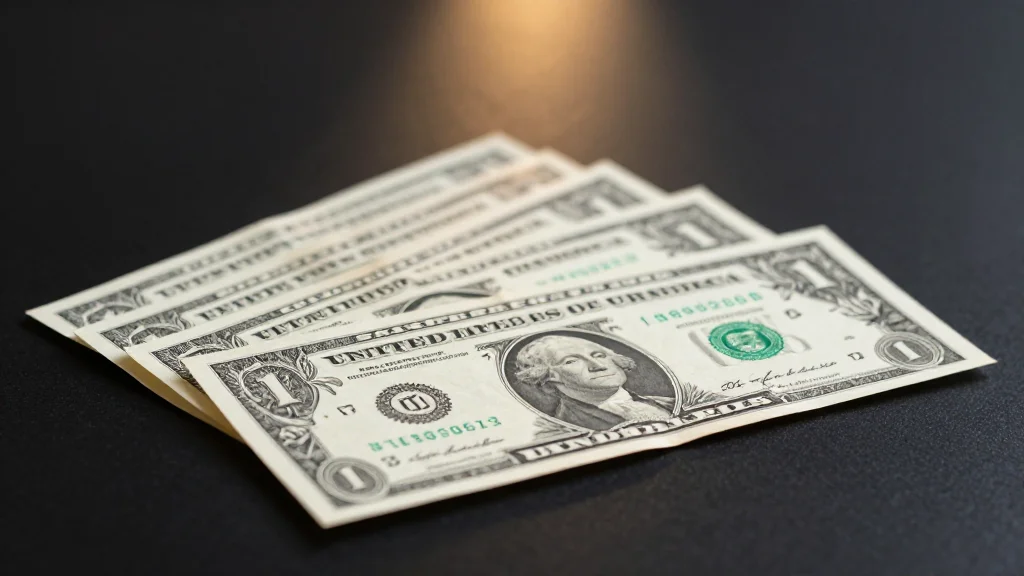
Dollar Index Nudges Above 98 as Fed Pauses, Signals Hawkish Tone

Why It Matters
The dollar’s movement above the 98 mark signals a shift in risk sentiment that reverberates across global FX markets. A stronger greenback depresses export‑oriented currencies such as the euro and yen, tightening trade balances for countries reliant on dollar‑denominated debt. Moreover, the Fed’s hawkish language, despite a rate pause, suggests that monetary tightening may resume if inflationary pressures re‑emerge, potentially reshaping carry‑trade dynamics and influencing emerging‑market currencies that are vulnerable to capital outflows. Geopolitical flashpoints in the Middle East add another layer of complexity. A naval blockade of Iranian ports raises the spectre of oil supply shocks, which could spur higher crude prices and reinforce the dollar’s safe‑haven status. Traders will need to monitor both policy cues and geopolitical developments to gauge the dollar’s path and its spill‑over effects on global trade, inflation, and monetary policy coordination.
Key Takeaways
- •US Dollar Index rose to 98.15 during Asian trading after the Fed’s rate‑hold and hawkish remarks.
- •Fed Chair Jerome Powell said the committee was "in a good place" to cut or hike rates depending on oil price impacts.
- •Former President Donald Trump announced a naval blockade of Iranian ports, prompting Iranian President Masoud Pezeshkian to call it "intolerable."
- •Q1 2026 US GDP grew at a 2.0% annualised rate, missing the 2.3% consensus forecast.
- •Upcoming ISM Manufacturing PMI and the next Fed meeting will be key catalysts for further DXY movement.
Pulse Analysis
The dollar’s modest breach of the 98 threshold reflects a confluence of monetary and geopolitical forces rather than pure economic strength. Historically, a steady‑rate Fed combined with hawkish rhetoric has been a reliable catalyst for dollar appreciation, as investors price in the likelihood of future tightening. Powell’s "good place" comment is deliberately ambiguous, preserving policy flexibility while signaling that the Fed is not yet comfortable with a premature easing cycle. This ambiguity fuels speculative buying in the DXY, especially when paired with safe‑haven demand triggered by Middle East tensions.
From a market‑structure perspective, the dollar’s rally is likely to compress yields on dollar‑denominated assets, pressuring emerging‑market sovereign bonds that are already vulnerable to capital outflows. The Strait of Hormuz blockage, if it materialises, could push oil prices higher, reinforcing the dollar’s status as a safe‑haven currency but also feeding inflationary pressures that may compel the Fed to adopt a more aggressive stance later in the year. Traders should therefore monitor oil inventories and shipping data alongside Fed communications.
Looking forward, the DXY’s trajectory will hinge on the Fed’s next policy signal and the outcome of the ISM Manufacturing PMI. A softer PMI could embolden the Fed to adopt a more dovish tone, potentially reversing the dollar’s gains. Conversely, any indication that inflation remains entrenched could trigger a second wave of hawkish commentary, pushing the index toward the 99 level. In either scenario, the interplay between policy, data, and geopolitics will dictate the dollar’s path and its ripple effects across the global currency arena.
Dollar Index nudges above 98 as Fed pauses, signals hawkish tone
Comments
Want to join the conversation?
Loading comments...