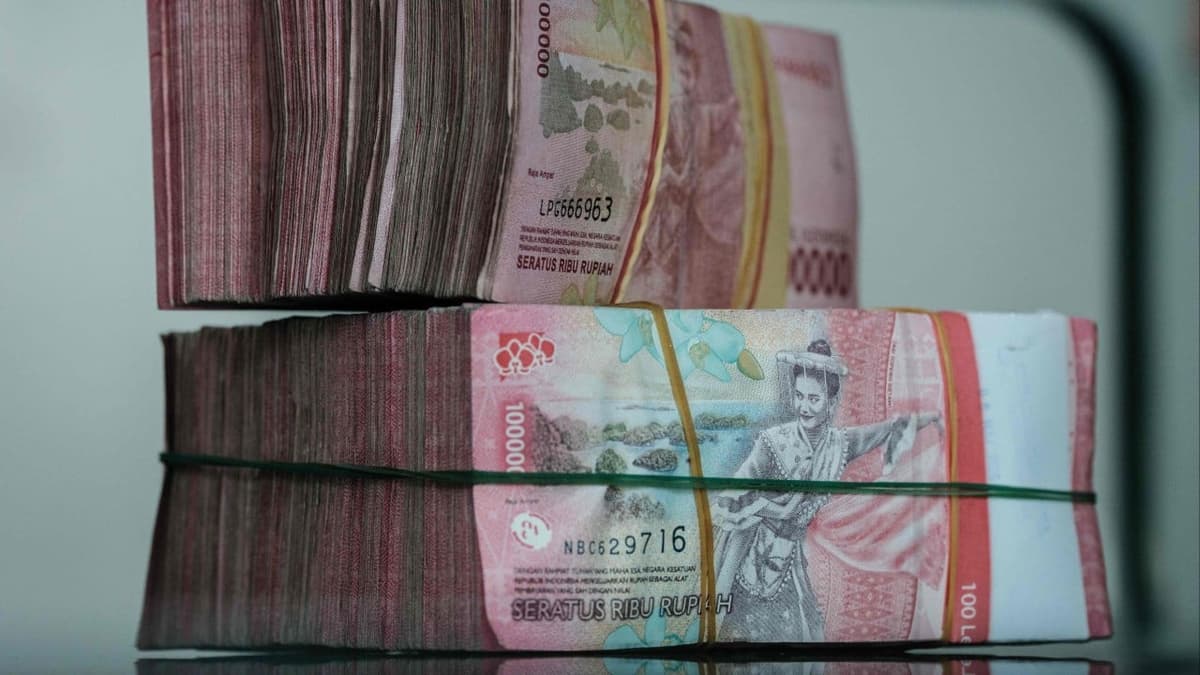
Hong Kong, Indonesia Move Towards Direct Transactions in Yuan, Rupiah
Companies Mentioned
Why It Matters
Direct yuan‑rupiah settlement reduces costs and currency risk, deepening financial ties between two of Asia’s fastest‑growing economies and bolstering Hong Kong’s offshore renminbi market.
Key Takeaways
- •HK and Indonesia will trade yuan and rupiah directly
- •Framework aims to cut transaction costs and exchange‑rate risk
- •HK's offshore yuan market could gain deeper liquidity
- •Indonesia's FDI from Hong Kong rose to $11 billion
Pulse Analysis
The new bilateral currency framework marks a strategic shift toward regional monetary cooperation. By allowing yuan and rupiah to be exchanged directly, Hong Kong and Indonesia sidestep the traditional reliance on the U.S. dollar as an intermediary. This mirrors a broader trend in Asia where central banks are crafting localized settlement channels to improve liquidity, lower foreign‑exchange spreads, and mitigate the volatility that can arise from multi‑legged conversions. For Hong Kong, the initiative reinforces its ambition, articulated by HKMA chief Eddie Yue, to cement the city’s role as the premier offshore yuan hub, a status that already commands a sizable share of global renminbi activity.
From Indonesia’s perspective, the arrangement offers a more efficient conduit for financing projects tied to Chinese investment, especially as bilateral trade has tripled to $167 billion. Direct settlement reduces the time and cost of moving capital, which can accelerate infrastructure and manufacturing ventures that rely on Chinese suppliers or investors. Moreover, the framework aligns with Indonesia’s broader financial‑market reforms aimed at attracting deeper foreign direct investment, as evidenced by Hong Kong’s $11 billion stake in the country. The ability to quote, convert, and trade yuan‑rupiah pairs locally also supports Indonesian firms seeking to hedge exposure without navigating multiple foreign‑exchange markets.
The ripple effects extend to the global payments ecosystem. A smoother yuan‑rupiah corridor could encourage other regional economies to adopt similar bilateral mechanisms, gradually diversifying the currency mix used in trade finance. This diversification may ease pressure on the dollar‑dominant system, offering businesses a hedge against exchange‑rate swings and fostering more resilient supply chains. As operational details roll out later this year, market participants will watch for early liquidity patterns, which could signal the pace at which the offshore yuan market deepens and how quickly Indonesian corporates integrate Chinese capital into their growth strategies.
Hong Kong, Indonesia move towards direct transactions in yuan, rupiah
Comments
Want to join the conversation?
Loading comments...