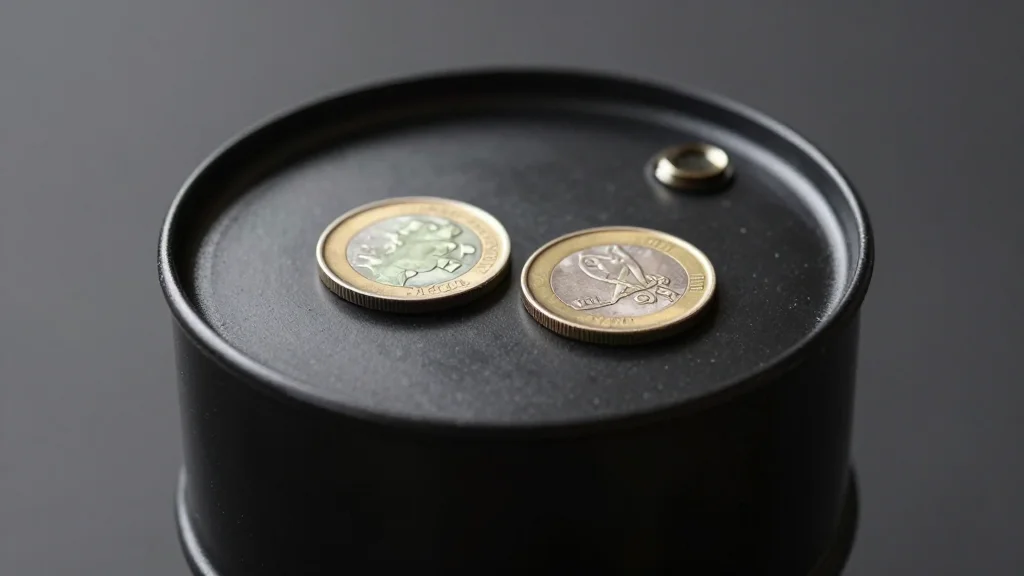
Indian Rupee Slides to Record Low of 96.07 per Dollar Amid West Asia Tensions

Why It Matters
A weaker rupee raises the cost of imported goods, especially crude oil, which feeds into higher inflation and squeezes household budgets. For a country that imports more than 80% of its oil, each dollar increase in the rupee‑dollar rate can add billions of rupees to the import bill, straining fiscal buffers and potentially prompting tighter monetary policy. The currency’s slide also affects foreign investors. A depreciating rupee can erode returns on Indian assets denominated in local currency, prompting capital outflows that further depress the exchange rate. Conversely, a lower rupee can make Indian exports more competitive, offering a modest offset to the downside. The balance between these forces will shape India’s growth outlook in the coming quarters.
Key Takeaways
- •Rupee hit a record low of 96.07 per USD on Friday, extending a three‑day decline.
- •Brent crude rose to $107.09 per barrel, adding pressure on India’s import bill.
- •Dollar index climbed to 99.05, reflecting a stronger greenback globally.
- •Indian government raised petrol and diesel prices by Rs 3 per litre (~$0.04).
- •West Asia conflict heightened market risk aversion, contributing to currency weakness.
Pulse Analysis
The rupee’s latest dip underscores the vulnerability of emerging‑market currencies to external shocks. Historically, periods of heightened geopolitical tension in the Middle East have coincided with spikes in oil prices and a flight to safety, which benefits the dollar at the expense of oil‑importing nations. India’s reliance on imported crude makes its currency especially sensitive to such dynamics, a pattern evident in the 2022‑23 cycle when the rupee fell sharply amid similar supply‑side concerns.
From a policy perspective, the RBI faces a tightrope. On one hand, intervening aggressively in the forex market could stabilize the rupee but would deplete foreign‑exchange reserves and risk fueling inflation if the underlying import bill remains high. On the other hand, a hands‑off approach may allow market forces to dictate a more sustainable exchange rate, albeit at the cost of higher consumer prices. The central bank’s next move will likely hinge on inflation trends; if core CPI stays above the 4% target, the RBI may be forced to tighten monetary policy, which could further support the rupee but risk slowing growth.
Investors should watch three leading indicators: (1) the trajectory of Brent crude, as any sustained breach of the $110 barrier could accelerate rupee depreciation; (2) the RBI’s foreign‑exchange interventions, which are typically signaled by sudden spikes in market liquidity; and (3) domestic inflation data, especially food and fuel components, which will dictate the central bank’s policy stance. In the short term, the rupee is likely to hover near the 96‑97 band, but a decisive policy response or a de‑escalation in West Asia could shift the range dramatically.
Indian Rupee Slides to Record Low of 96.07 per Dollar Amid West Asia Tensions
Comments
Want to join the conversation?
Loading comments...