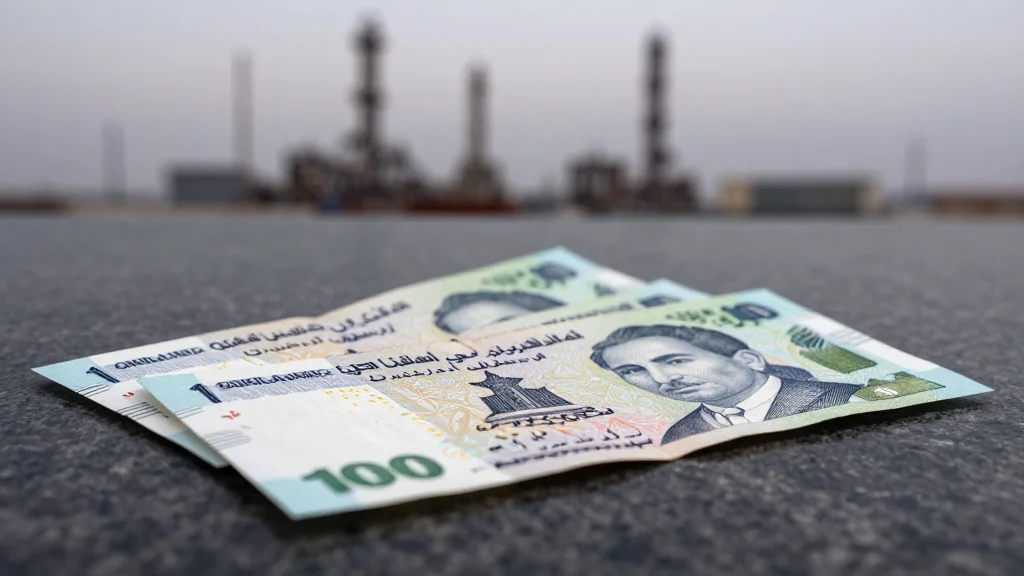
Iran Central Bank Publishes June 7 Official Rial Rates Amid Ongoing Conflict

Why It Matters
The central bank’s daily foreign‑exchange rates are the linchpin of Iran’s currency market. In a war‑driven environment where oil revenues have collapsed and sanctions restrict access to foreign currency, the official rates provide the only transparent benchmark for pricing the rial. Traders, importers and humanitarian agencies rely on these numbers to manage risk, set prices and allocate scarce foreign‑exchange resources. A widening gap between the official and parallel rates can signal deeper macro‑economic stress, prompting policy adjustments that affect inflation, purchasing power and regional trade flows. Moreover, the rates serve as a barometer for the effectiveness of Tehran’s monetary interventions. By tracking changes in the official rates, analysts can infer the central bank’s stance on liquidity provision, reserve usage and potential devaluation. In a market where geopolitical shocks dominate, the daily publication remains a crucial data point for investors assessing exposure to Iranian assets and for policymakers gauging the broader impact of the conflict on regional financial stability.
Key Takeaways
- •Iran's central bank released its official foreign‑exchange rates for June 7, the primary benchmark for rial pricing.
- •The rates are critical for banks, importers, exporters and regional FX desks amid war‑induced economic strain.
- •War‑related oil export disruptions have cut global supply, inflating import costs and pressuring the rial.
- •Traders watch the official rates for hints of monetary easing or tightening and for gaps with the parallel market.
- •Accurate rates help NGOs and governments price humanitarian aid and essential imports in a sanctions‑heavy environment.
Pulse Analysis
The June 7 rate release underscores how Iran’s monetary authority is forced to operate in a high‑risk, low‑information environment. With oil revenues throttled by the blockade of the Strait of Hormuz, the central bank’s foreign‑exchange reserves are under unprecedented stress. Historically, Tehran has used daily rate announcements to signal its willingness to intervene, but the effectiveness of such moves is now constrained by limited hard‑currency inflows.
In the short term, we can expect the rial’s parallel market premium to remain elevated unless the central bank signals a decisive policy shift, such as a substantial reserve‑backed intervention or a temporary easing of capital controls. The war’s trajectory will be the dominant driver; any escalation that further curtails oil exports will likely widen the official‑parallel gap, prompting speculative pressure and potentially forcing the bank to devalue the rial to preserve foreign‑exchange liquidity.
Long‑term, the persistence of official rate volatility could erode confidence among regional trading partners. If the gap widens consistently, neighboring Gulf banks may reduce exposure to Iranian counterparties, tightening cross‑border credit lines. Conversely, a stable official rate, even at a modest devaluation, could help anchor inflation expectations and preserve the limited purchasing power of Iranian consumers. The central bank’s challenge will be to balance market credibility with the harsh reality of a war‑driven economy, a tightrope that will define Iran’s currency outlook for the coming months.
Iran Central Bank Publishes June 7 Official Rial Rates Amid Ongoing Conflict
Comments
Want to join the conversation?
Loading comments...