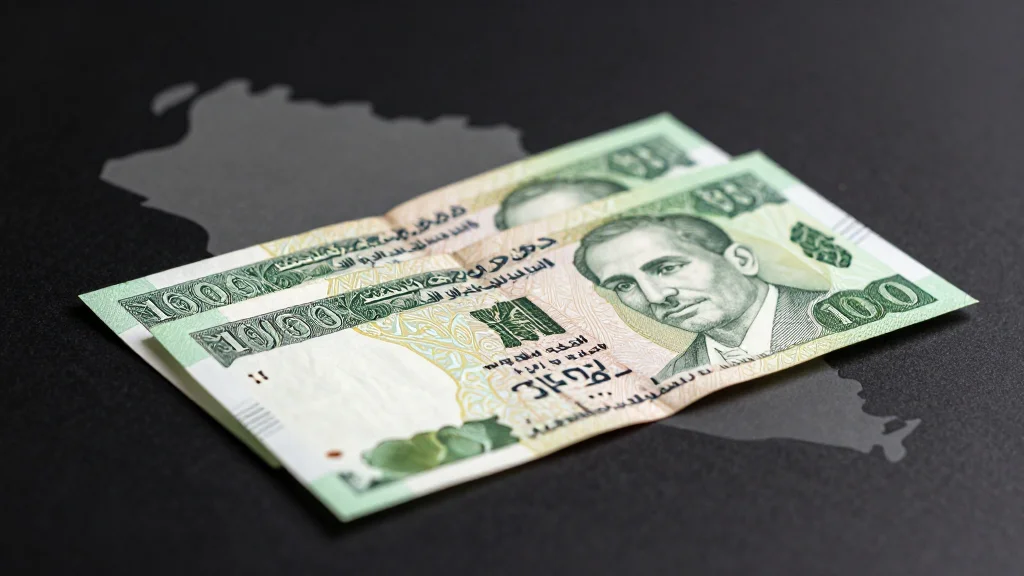
Iraqi Dinar Surges to 154,500 per Dollar Amid Political Deadlock

Why It Matters
The dinar’s jump underscores how fragile Iraq’s macro‑economic environment remains in the absence of political consensus. Currency volatility can amplify fiscal pressures, especially for a nation heavily dependent on oil revenues that are priced in dollars. A weakened dinar also raises the cost of imports, feeding inflation and eroding real incomes, which could destabilize social cohesion. For regional investors, the episode serves as a reminder that political risk in emerging markets can materialize quickly in FX markets, affecting portfolio valuations and cross‑border trade. Beyond Iraq, the episode adds to a broader narrative of currency stress in the Middle East, where geopolitical disputes and governance challenges often intersect with financial markets. Policymakers in neighboring economies may monitor the situation closely, as spillover effects—such as altered trade terms or capital flow adjustments—could influence regional exchange‑rate dynamics.
Key Takeaways
- •Iraqi dinar reached 154,500 per U.S. dollar on Tuesday, the highest level since the 2024 ceasefire rally.
- •The rise follows the Coordination Framework’s failure to nominate a prime‑minister candidate during its Monday night meeting.
- •Market anxiety reversed a previous post‑ceasefire strengthening of the IQD.
- •Higher IQD/USD rate threatens import costs, remittances, and oil‑revenue budgeting.
- •Next parliamentary session could determine whether the dinar stabilizes or continues to weaken.
Pulse Analysis
The latest surge in the Iraqi dinar is a textbook case of political risk translating into immediate FX pressure. Iraq’s economy, still recovering from years of conflict and heavily reliant on oil exports, lacks the depth to absorb sudden currency shocks. The Coordination Framework’s stalemate not only stalls governance but also hampers the Ministry of Finance’s ability to allocate oil revenues, a key driver of dollar inflows. Historically, periods of political clarity in Baghdad have coincided with modest dinar appreciation, as seen after the 2024 ceasefire when the rate briefly dipped below 150,000. The current reversal suggests that market participants are pricing in a higher probability of fiscal delays and potential IMF scrutiny.
From an investor perspective, the dinar’s volatility raises the cost of doing business in Iraq and may deter new foreign direct investment until a stable political arrangement emerges. Hedge funds and regional banks are likely to increase their exposure to USD‑denominated assets, further draining local liquidity. Moreover, the dinar’s depreciation could feed inflationary pressures, prompting the Central Bank of Iraq to consider tightening monetary policy—a move that could clash with growth objectives.
Looking forward, the decisive factor will be the speed and credibility of a political solution. If the Coordination Framework can agree on a prime‑minister nominee within the next two weeks, we may see the IQD retreat toward the 150,000 mark, restoring some investor confidence. Conversely, a protracted deadlock could push the rate beyond 160,000, forcing the central bank into more aggressive interventions. Stakeholders should monitor parliamentary proceedings, IMF statements, and oil‑price trends, as each will shape the dinar’s trajectory in the coming months.
Iraqi Dinar Surges to 154,500 per Dollar Amid Political Deadlock
Comments
Want to join the conversation?
Loading comments...