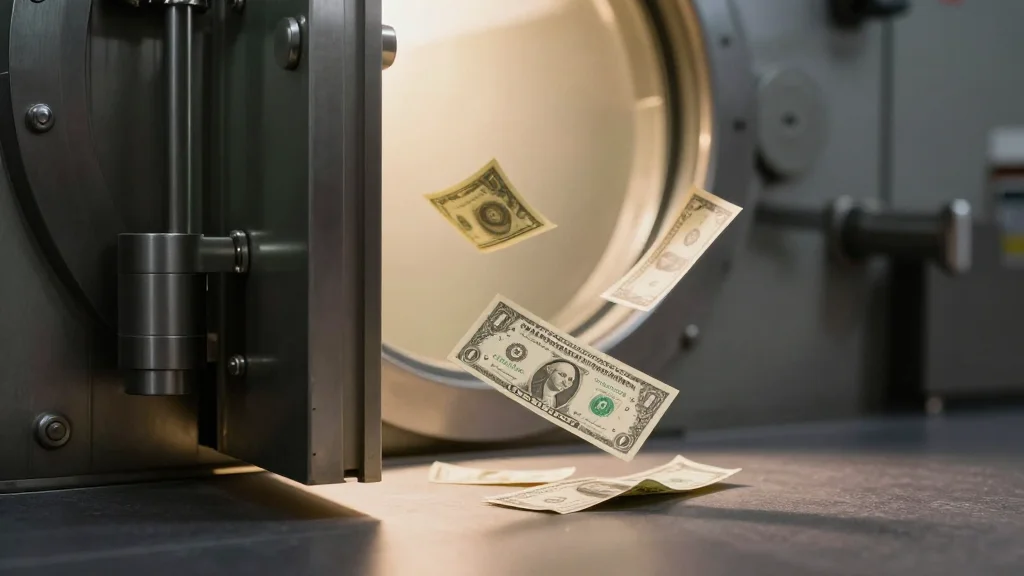
McDowell Cited in Bloomberg Article on How Swap Lines Could Undermine Faith in the Dollar
Why It Matters
Swap lines are a cornerstone of global financial stability, but their overuse could erode trust in the dollar, prompting a shift toward alternative currencies. Understanding this risk is crucial for investors, policymakers, and multinational firms navigating currency exposure.
Key Takeaways
- •US swap lines provide emergency dollar liquidity to foreign central banks
- •Overreliance may signal dollar scarcity, eroding global confidence
- •Critics warn extensive swaps could incentivize de‑dollarization
- •Daniel McDowell highlights risks of hidden sovereign debt exposure
- •Policy tweaks could balance stability with long‑term dollar dominance
Pulse Analysis
Dollar swap lines have become a silent engine of the global financial system, allowing the Federal Reserve to extend short‑term dollar funding to foreign central banks during market stress. Since the 2008 crisis, the network has expanded to cover dozens of jurisdictions, with annual usage often reaching tens of billions of dollars. This mechanism helps avert liquidity crunches, stabilizes emerging‑market currencies, and reinforces the dollar's role as the world’s reserve asset. However, the very visibility of these backstops can reveal underlying vulnerabilities in the global dollar supply chain.
In the Bloomberg interview, Atlantic Council senior fellow Daniel McDowell cautions that the growing dependence on swap lines may unintentionally signal a shortage of dollars, undermining the perception of unlimited U.S. liquidity. He argues that persistent reliance could expose hidden sovereign debt exposures, as countries lean on swaps rather than addressing structural fiscal imbalances. Such dynamics risk accelerating de‑dollarization trends, where nations diversify reserves into euros, yuan, or digital assets to hedge against potential dollar volatility.
Policymakers now face a delicate balancing act: maintain the swap framework as a crisis‑management tool while preventing it from becoming a crutch that fuels long‑term doubts about the dollar's supremacy. Options include tightening eligibility criteria, imposing clearer usage caps, and enhancing transparency around swap transactions. For market participants, monitoring swap line activity offers early insight into stress points within the global economy, informing currency‑risk strategies and investment decisions. Ultimately, a calibrated approach can preserve the dollar's anchor role without sowing the seeds of its own erosion.
McDowell cited in Bloomberg article on how swap lines could undermine faith in the dollar
Comments
Want to join the conversation?
Loading comments...