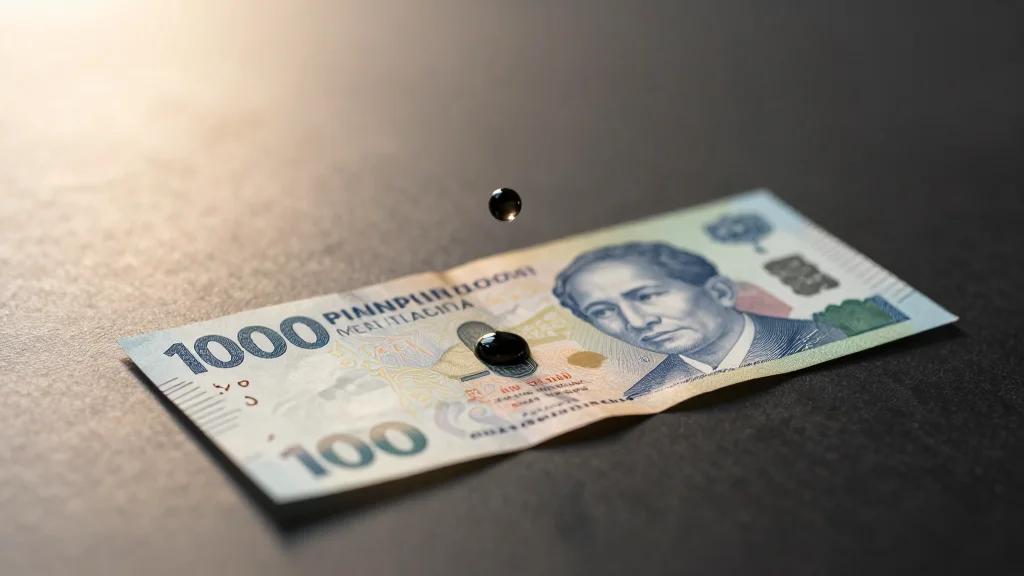
Philippine Peso Gains 1.6% on Oil Price Relief, Eyes Stronger Trade Balance

Why It Matters
The peso’s rebound illustrates how external commodity shocks can swiftly reshape emerging‑market currencies. For the Philippines, a country that imports over 90% of its oil, the relief in oil prices directly improves inflation dynamics and the trade balance, giving policymakers breathing room to focus on growth rather than price stability. The episode also highlights the interconnectedness of geopolitics and currency markets; a potential US‑Iran peace deal, even in its early stages, can trigger capital flows that reshape exchange‑rate expectations. If the trend holds, the Philippines could see a modest strengthening of its external position, potentially lowering borrowing costs and encouraging foreign direct investment. Conversely, a reversal would remind investors of the volatility inherent in economies tied to volatile energy imports, reinforcing the need for diversified trade and energy strategies.
Key Takeaways
- •Peso rose 1.6% to 60.345 per dollar, its biggest daily gain in a month.
- •Oil price decline linked to optimism over a US‑Iran peace deal.
- •Philippines imports >90% of its oil, making the currency sensitive to crude prices.
- •Lower oil costs ease inflation pressure and improve the trade‑balance outlook.
- •Analysts warn the rally could reverse if oil prices rebound or talks stall.
Pulse Analysis
The Philippine peso’s sudden appreciation underscores a classic commodity‑currency dynamic: when the price of a nation’s primary import falls, its currency often strengthens as the trade deficit narrows. In the Philippines, oil accounts for a sizable share of the import bill, so the recent dip in Brent and WTI futures translated almost immediately into a tighter current‑account outlook. Historically, similar oil‑price shocks have produced short‑term currency rallies that fade once the market digests the new price baseline. What differentiates this episode is the overlay of geopolitical optimism, which adds a speculative premium to the peso’s move.
From a policy perspective, the central bank (Bangko Sentral ng Pilipinas) may find itself in a more comfortable position to keep its policy rate steady, avoiding premature tightening that could stifle growth. The inflation outlook, now less threatened by imported fuel costs, aligns with the BSP’s target range, reducing the likelihood of abrupt rate hikes. However, the central bank must also guard against imported‑inflation volatility; a sudden oil price spike could force a rapid policy pivot, unsettling markets.
Looking ahead, the peso’s trajectory will hinge on two variables: the durability of lower oil prices and the concrete progress of US‑Iran diplomatic talks. If both remain favorable, the peso could consolidate gains and perhaps even break above the 60 per dollar threshold, a level that would signal a more resilient external position. Conversely, a reversal in oil trends or a diplomatic setback could see the peso slip back into its previous weakness, reaffirming the currency’s vulnerability to external shocks. Investors should therefore monitor oil price benchmarks, the Philippines’ monthly trade data, and any official statements from the BSP for early signals of a shift.
Philippine Peso Gains 1.6% on Oil Price Relief, Eyes Stronger Trade Balance
Comments
Want to join the conversation?
Loading comments...