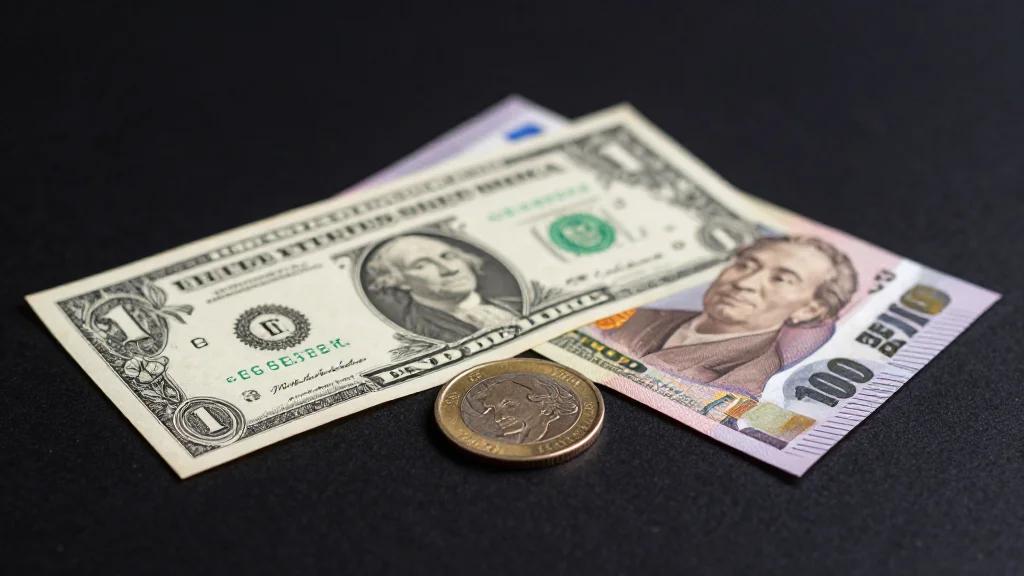
U.S. Dollar Falls as Iran Ceasefire Hopes Spur Risk‑On Trading

Why It Matters
A weaker dollar reshapes trade balances, import costs, and corporate earnings for U.S. companies that rely on foreign revenue. For consumers, a softer greenback can lower the price of imported goods, but it also makes overseas travel more expensive. In the broader macro environment, the shift away from the dollar as a safe haven signals that geopolitical risk premiums are receding, which could accelerate global equity rallies and lift emerging‑market assets. If the ceasefire holds, the currency market may see a longer‑term reallocation of capital toward higher‑yielding assets, challenging the dollar’s dominance in reserve holdings and potentially prompting central banks to reassess their foreign‑exchange strategies.
Key Takeaways
- •U.S. dollar slipped against the euro and yen after ceasefire hopes in Iran emerged
- •Investors moved from Treasury bonds into equities and emerging‑market currencies
- •Oil prices stabilized, reducing inflationary pressure on import‑dependent economies
- •Federal Reserve’s dovish stance keeps U.S. yields attractive but not overwhelmingly dominant
- •Future dollar direction hinges on the durability of Iran ceasefire negotiations
Pulse Analysis
The recent dollar weakness underscores how quickly geopolitical narratives can overturn currency trends. Historically, the greenback has surged during Middle‑East crises because investors view it as the ultimate safe haven. This episode shows that even a modest easing of tension can trigger a rapid reallocation of capital, especially when monetary policy does not reinforce the dollar’s appeal.
From a strategic perspective, asset managers may need to recalibrate their currency hedging models. The traditional bias toward a strong dollar in risk‑off scenarios is now counterbalanced by a growing appetite for risk‑on positions, which could compress the forward premium on the dollar. Moreover, emerging‑market fund inflows could revive yield‑seeking behavior that was dormant during the last wave of dollar strength.
Looking forward, the market will likely price in a binary outcome: a durable ceasefire could cement a new risk‑on regime, while any setback could reignite a flight to safety and restore the dollar’s rally. Investors should monitor diplomatic developments, oil price volatility, and any shift in the Federal Reserve’s rate outlook as the primary drivers of the next currency swing.
U.S. Dollar Falls as Iran Ceasefire Hopes Spur Risk‑On Trading
Comments
Want to join the conversation?
Loading comments...