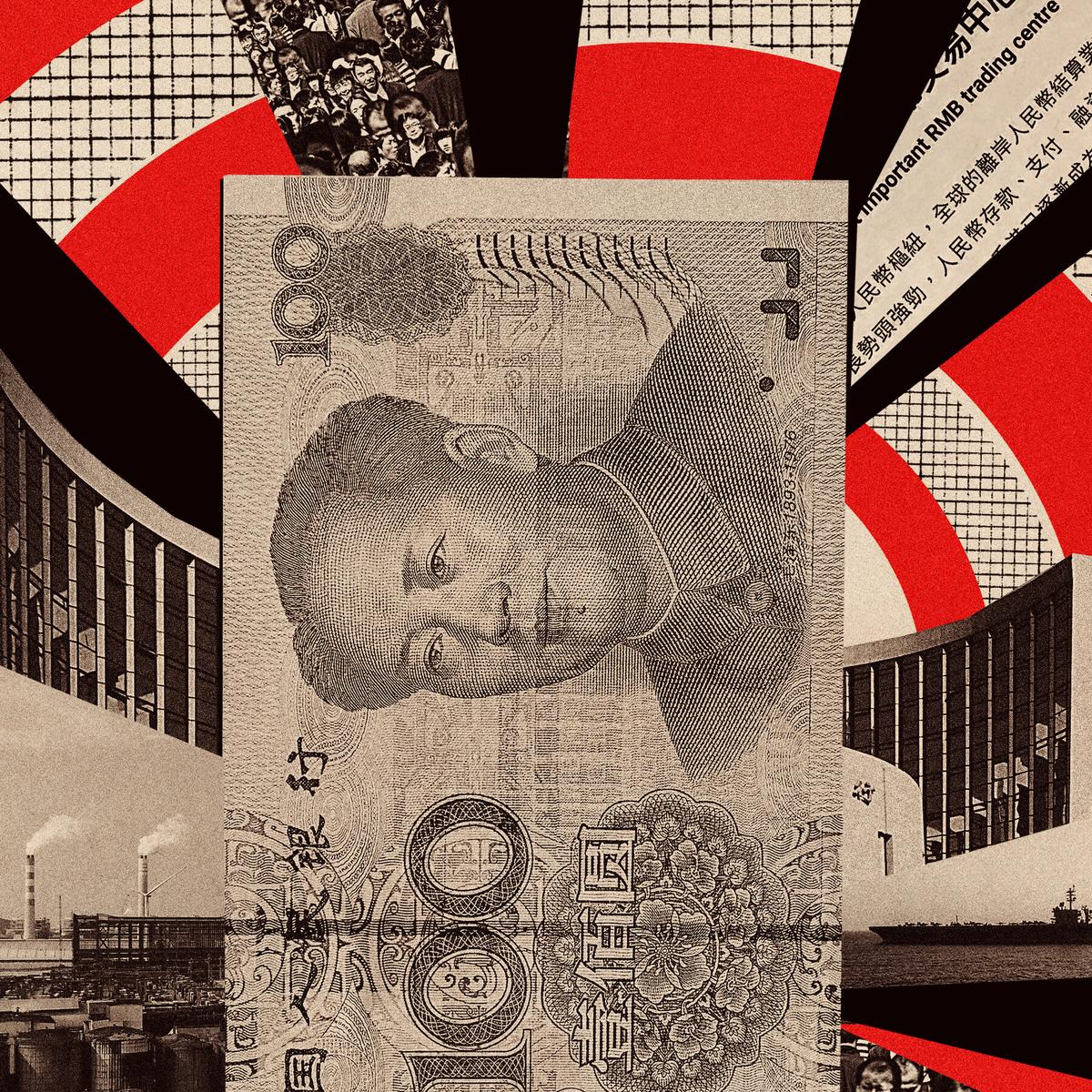
War and Sanctions Accelerate China’s Currency Push
Why It Matters
A broader yuan network erodes dollar dominance and gives China leverage over sanctions, reshaping global trade and financial stability.
Key Takeaways
- •Sanctions on Russia and Iran boost renminbi usage in trade
- •China’s 20‑year plan targets global financial infrastructure for yuan
- •De‑dollarization drives countries to adopt Chinese payment systems
- •Renminbi internationalization seen as national security priority
- •Hong Kong museum exhibit highlights yuan’s strategic role
Pulse Analysis
China’s push to internationalize the renminbi has moved from rhetoric to concrete infrastructure. Over the past two decades Beijing has built cross‑border clearinghouses, expanded the digital yuan pilot, and linked the currency to Belt and Road projects. By standardizing settlement protocols and offering lower‑cost financing, the yuan is positioned as a viable alternative to the dollar for trade invoicing and sovereign debt issuance, especially in emerging markets seeking diversified funding sources.
The geopolitical fallout from the Ukraine and Iran conflicts has accelerated de‑dollarization. Russia’s pivot to yuan‑settled energy contracts and Iran’s reliance on Chinese banks illustrate a growing willingness to bypass Western sanctions. Early estimates suggest that yuan‑denominated trade with sanctioned states has risen by double‑digit percentages this year, prompting other nations—such as Turkey and some African economies—to explore similar arrangements. This shift not only provides a lifeline for embargoed economies but also validates China’s strategic gamble on its currency.
For the United States, the expanding yuan network poses a strategic challenge to dollar hegemony. A more diversified global reserve system could dilute the effectiveness of financial sanctions and increase borrowing costs for the U.S. Treasury. Policymakers are responding with proposals to strengthen allied payment rails and to tighten AML oversight of alternative channels. Yet the momentum behind the renminbi suggests a longer‑term rebalancing of financial power, where China’s currency plays an increasingly central role in global trade and investment flows.
War and Sanctions Accelerate China’s Currency Push
Comments
Want to join the conversation?
Loading comments...