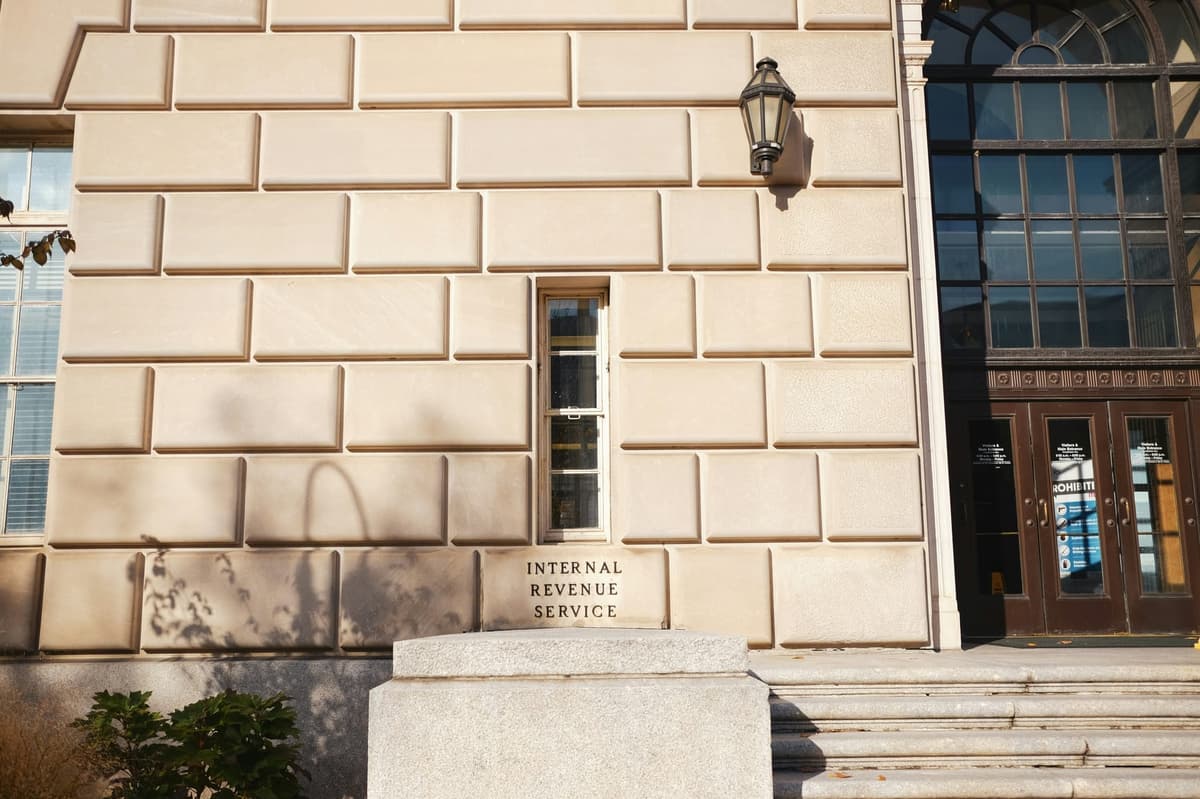
Booz Allen Tech Contractor Took IRS Job Specifically to Leak Trump's Tax Records
•January 27, 2026
0
Why It Matters
The cancellation raises accountability for contractors handling sensitive government data and may reshape how agencies vet and monitor third‑party firms, affecting billions in consulting spend.
Key Takeaways
- •Treasury cancels $4.8M in Booz Allen contracts
- •Leak involved 400,000+ taxpayer records, including Trump
- •First federal agency to drop contracts over a leak
- •Booz Allen’s past Snowden case didn’t affect contracts
- •Raises scrutiny on consulting firms’ security oversight
Pulse Analysis
The Littlejohn breach exposed a fundamental weakness in how the federal government relies on private consultants for access to highly sensitive data. By infiltrating IRS systems under a Booz Allen contract, Littlejohn extracted over 400,000 tax returns, including those of President Trump, Jeff Bezos and Elon Musk, and funneled them to the New York Times and ProPublica. The resulting investigative series sparked a national debate on wealth inequality and the opacity of presidential finances, while also highlighting the technical sophistication required to bypass IRS download controls and exfiltrate data via a private web server.
Treasury’s decision to terminate all Booz Allen contracts marks a watershed moment for federal procurement policy. Unlike the agency’s earlier response to the Edward Snowden disclosures—where Booz Allen retained its NSA contracts—this action underscores a new zero‑tolerance stance toward contractors whose misconduct directly compromises taxpayer confidentiality. The move sends a clear signal to consulting firms that security lapses will now carry tangible financial penalties, prompting a reassessment of vetting processes, continuous monitoring, and contractual safeguards across the $100 billion federal consulting market.
Looking ahead, the fallout may accelerate legislative and regulatory initiatives aimed at tightening third‑party risk management. Agencies are likely to demand stricter data‑handling protocols, real‑time anomaly detection, and clearer liability clauses for contractors. For Booz Allen, the loss of $4.8 million in annual spend and the reputational blow could affect future award competitions, while competitors may leverage the episode to position themselves as more secure partners. Ultimately, the Treasury’s unprecedented step could reshape the balance between operational efficiency and data security in government‑contractor relationships, reinforcing the principle that access to public records carries an uncompromising duty of care.
Booz Allen Tech Contractor Took IRS Job Specifically to Leak Trump's Tax Records
0
Comments
Want to join the conversation?
Loading comments...