Don’t Fall for Fake IRS Letter Scam Seeking Tax-Refund Related Bank Data
Key Takeaways
- •IRS sent 830,000+ taxpayers CP53E notices requesting bank details
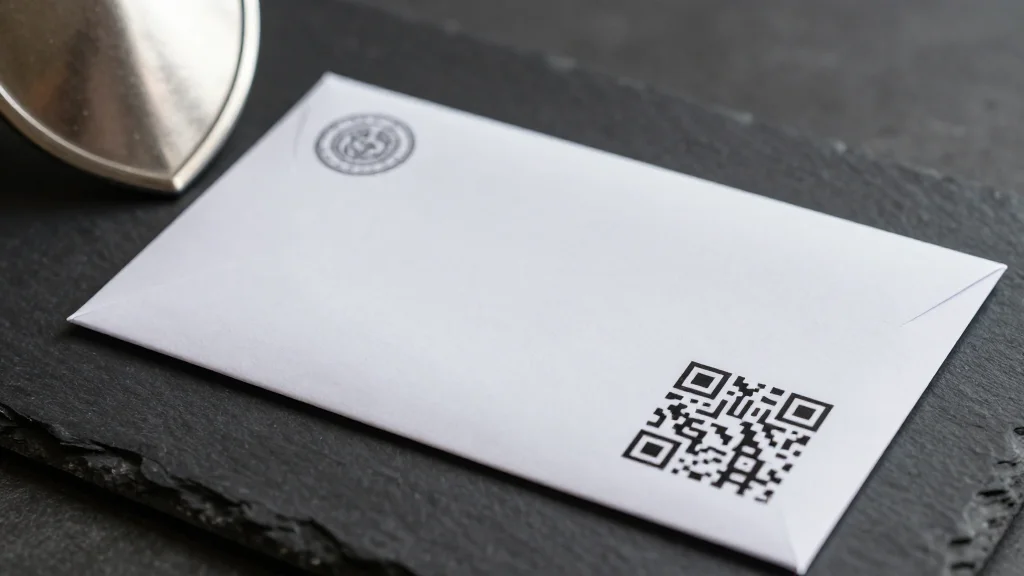
- •Scammers mimic CP53E letters, adding QR codes to harvest data
- •Victims advised to verify via IRS website or call 800‑829‑1040
- •No bank account means up to 10‑week refund delay for affected taxpayers
Pulse Analysis
The Internal Revenue Service’s push to shift all refunds to direct deposit has resulted in the agency mailing CP53E notices to over 830,000 filers who do not yet have a bank account. The notice asks recipients to provide a financial account so the refund can be deposited electronically, a step that can shave weeks off the traditional paper‑check timeline. Taxpayers without an account, however, face a potential ten‑week delay as the IRS processes and mails physical checks, highlighting a gap in financial inclusion that the agency is still working to close.
Criminals have seized on this outreach, crafting counterfeit CP53E‑style letters that appear on official‑looking stationery and even embed QR codes that claim to streamline the banking‑information update. Because the genuine IRS notice never includes a scannable code, the addition of a QR element is a clear red flag. Scammers rely on the urgency implied by the request—"we couldn’t direct deposit your refund"—to pressure recipients into revealing bank details, a tactic that has proven effective against both seasoned taxpayers and professionals alike.
Experts recommend a multi‑layered defense: verify any IRS communication by logging into the official online taxpayer account, call the agency’s toll‑free line at 800‑829‑1040, or consult a trusted tax adviser before sharing personal data. Reporting suspicious mail to the IRS’s consolidated fraud portal helps law‑enforcement track and dismantle these operations. As the IRS continues to digitize its services, heightened public awareness and robust verification practices will be critical to safeguarding taxpayer information and preserving confidence in the tax system.
Don’t fall for fake IRS letter scam seeking tax-refund related bank data
Comments
Want to join the conversation?